

 Newsletters


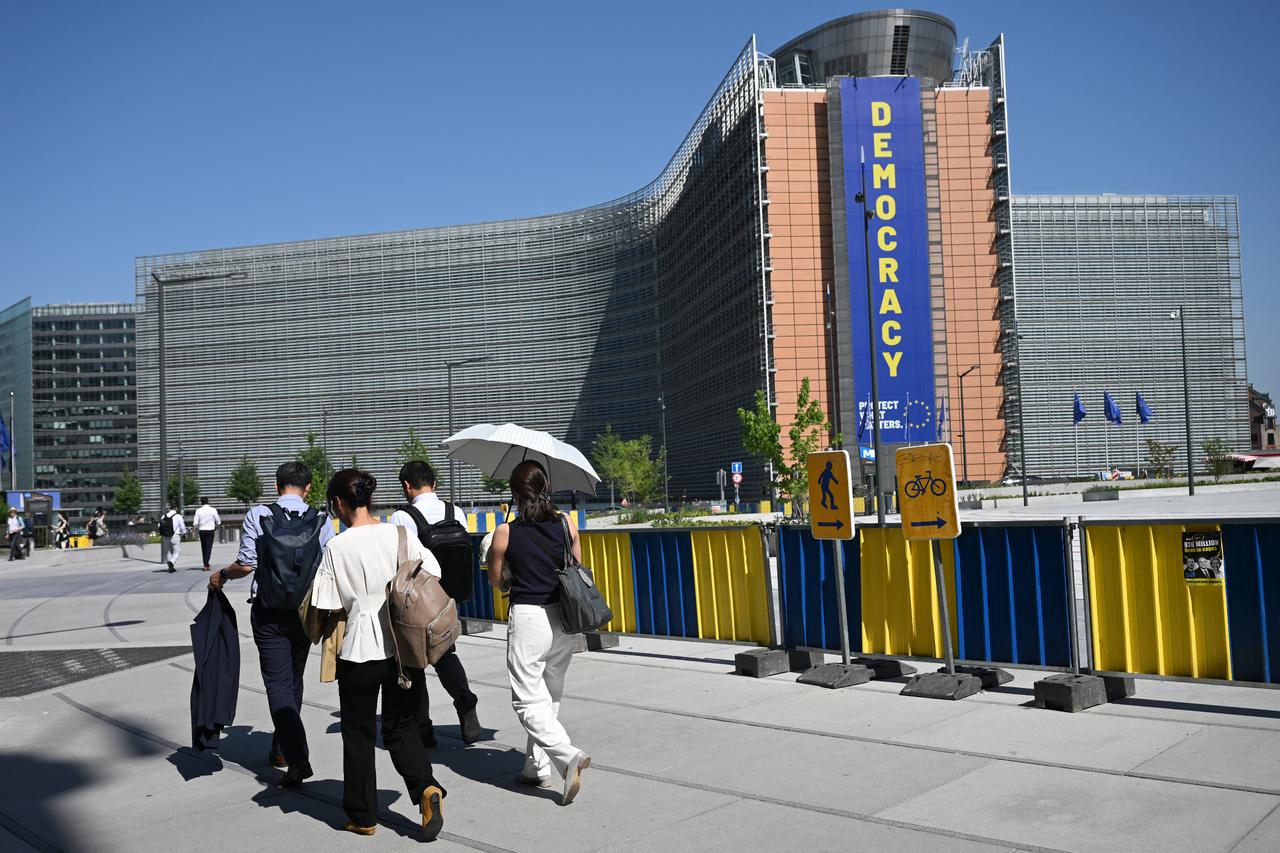


Although I no longer live in Brussels, the city’s rhythm and pulse are still engraved in my mind—memories from the five years I spent as a student and young professional in the 1990s.
What struck me most was the vibrant, cosmopolitan spirit: the easy mingling of languages, the everyday encounters with people from all over Europe and beyond.
Returning to Brussels recently, I felt that much of this spirit remains intact. Yet I also sensed concerns among residents about the challenges the city now faces. Like many European capitals, Brussels is adapting to profound economic, social and political transformations that have accompanied its growing international role.
Few cities embody internationalism as profoundly as Brussels. Home to the principal institutions of the European Union, the headquarters of NATO, and hundreds of diplomatic missions, the city has become one of the world's most international urban centers.
Thousands of diplomats, civil servants, policy experts, and international professionals live and work in Brussels.
The European Commission, the Council of the European Union, the European Parliament, the Committee of the Regions, and numerous other European bodies attract officials from all member states. NATO further adds to this international character through its headquarters and the diplomatic representations of member and partner countries.
This concentration of international institutions has enriched the city enormously. Brussels offers a unique blend of cultures, languages, and perspectives that few cities can rival. Its international profile has generated economic opportunities, cultural vibrancy, and a strong cosmopolitan identity.
However, with success comes new challenges. The continued growth of European and international institutions has contributed to increased demand for housing, placing pressure on property prices and rents in most of its neighborhoods.
Growing demographic pressures, rising living costs, and increasing social inequalities have inevitably created new tensions that policymakers must address. Maintaining affordability while preserving Brussels’ openness remains one of the city's key policy challenges.
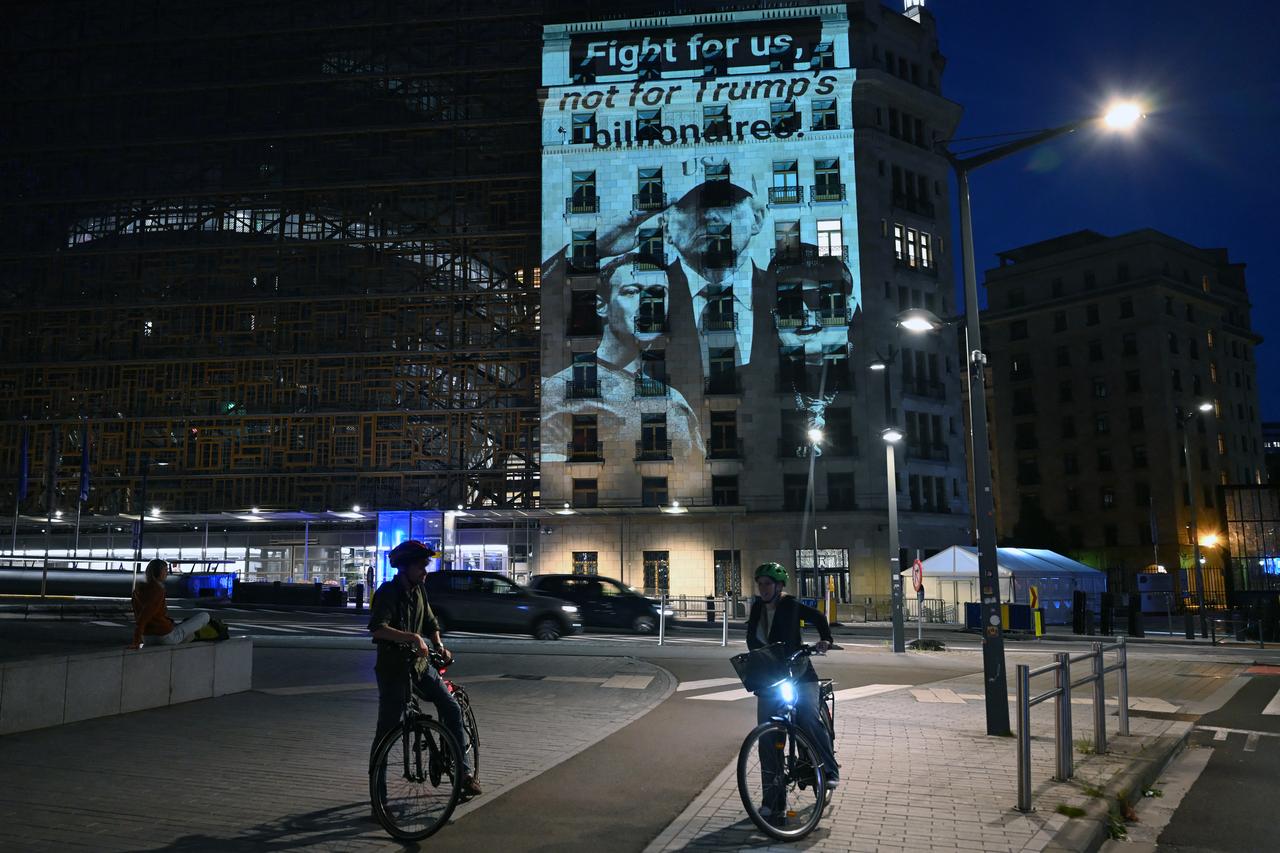

Belgium has long cultivated a reputation for moderation and pragmatism. Unlike larger neighbors whose national narratives often dominate and make life more difficult for foreigners, Belgium's complex federal structure has encouraged compromise and coexistence, though with some domestic political tensions.
Belgium's political system is renowned for its complexity, reflecting the country's linguistic, regional, and political diversity. Coalition-building has always required patience and compromise.
Brussels-Capital Region experienced these difficulties acutely following the 2024 elections, which produced a highly fragmented parliament. Coalition negotiations extended for 600 days—a record even for Belgium's standard—before a governing agreement was eventually reached in early 2026.
During this period, the regional administration continued to function through caretaker arrangements. While essential services remained operational, prolonged political uncertainty limited the ability to undertake major reforms or address long-term challenges. Concerns emerged regarding public finances, infrastructure investment, and the implementation of new policy initiatives.
Such situations highlight the strengths and limitations of Belgium's consensus-driven model. The system promotes representation and balance among communities, but it can also make decision-making slow when political fragmentation increases.
Perhaps no project better illustrates the difficulties of urban governance than Metro Line 3, the long-planned north-south transport connection intended to strengthen mobility across the capital.
Originally envisioned as a transformative infrastructure investment, the project has encountered escalating costs, technical complications, and repeated delays. These difficulties have prompted debates about financing, planning priorities, and the most effective solutions for Brussels' future transport needs.
While such challenges are not unique to Brussels—many major European infrastructure projects have faced similar obstacles—the delays have generated understandable frustration among residents and commuters. Reliable public transport remains essential for a city that hosts millions of visitors each year and serves as a hub for European and NATO decision-making.
The experience offers an opportunity to rethink planning procedures and strengthen long-term coordination between different levels of government.
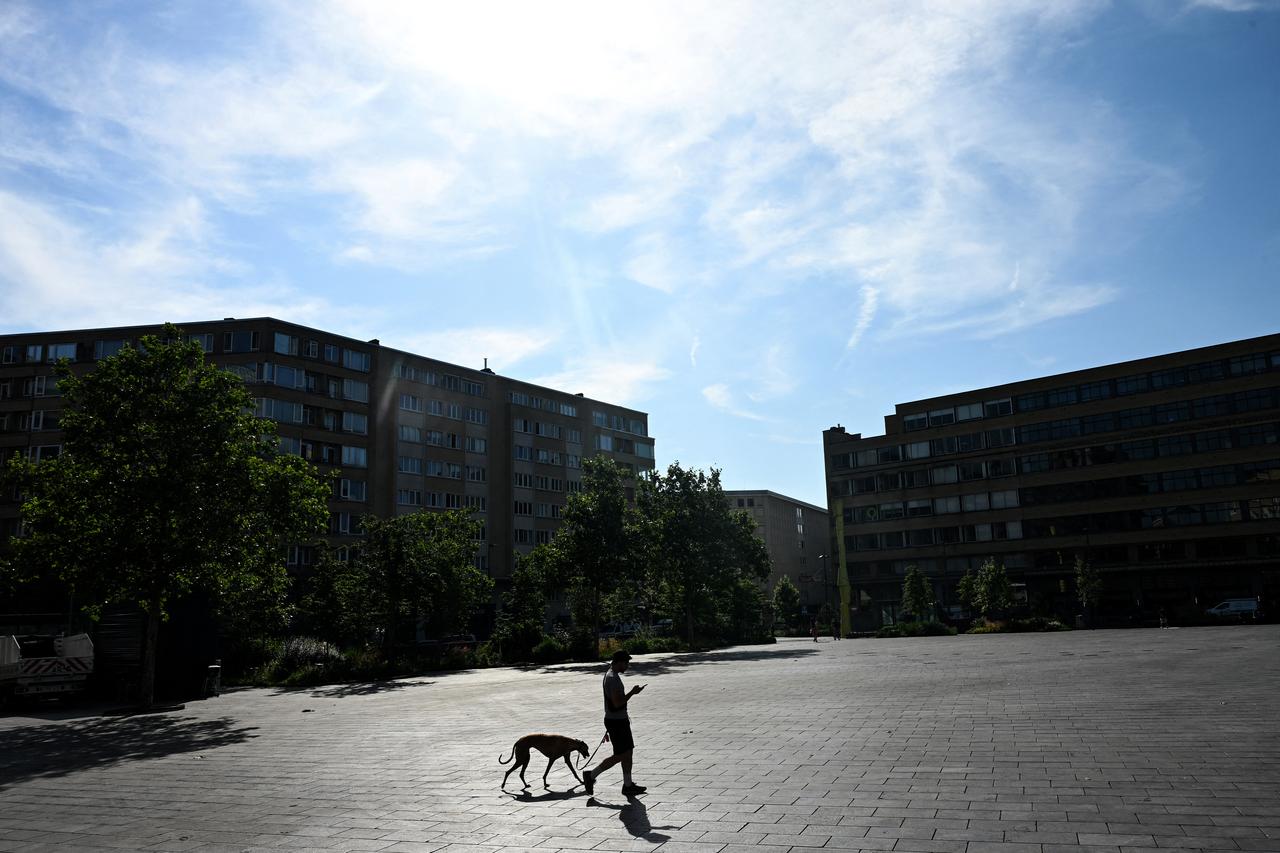
Brussels has also become one of Europe's foremost centers for public demonstrations. Farmers, trade unions, environmental groups, educational organizations, and many other actors regularly choose the city to make their voices heard.
This reflects Brussels' symbolic role as the political heart of Europe. Decisions taken in European institutions often affect citizens across the continent, making the city a natural focal point for democratic expression.
At times, however, the frequency and scale of demonstrations create disruptions for residents, businesses, and visitors. Finding a balance between the fundamental right to protest and the smooth functioning of urban life remains an ongoing challenge for local authorities.
Like many major European cities, Brussels has not been immune to the growing challenge posed by organized crime and drug trafficking networks.
Belgium's strategic location and the importance of the Port of Antwerp have made the country a significant entry point for cocaine into Europe. Authorities have intensified efforts to combat trafficking, strengthen international cooperation, and dismantle criminal networks.
While most residents experience Brussels as a safe and vibrant city, episodes of gang-related violence in certain areas have raised legitimate concerns.
The issue extends beyond law enforcement and requires coordinated responses involving prevention, social policy, urban regeneration, and international cooperation. Certainly, making the army present in certain neighborhoods, I think, was not a good decision.
The various challenges facing Brussels are interconnected. Political uncertainty can delay infrastructure projects, economic and security pressures can fuel social dissatisfaction, and governance gaps may create opportunities for organized crime.
The prolonged political deadlock in the Brussels-Capital Region highlights the need for institutional reforms capable of delivering effective governance in one of Europe's most important cities. The regional government formed in 2026 inherits a demanding agenda.
Restoring fiscal stability, improving mobility, addressing housing affordability, strengthening public safety, and maintaining social cohesion will require sustained effort and cooperation across political and linguistic divides.
Yet it would be a mistake to see Brussels only through the prism of its problems. It remains one of Europe’s most dynamic and diverse capitals, alive with diversity, international ambition, and a spirit that draws talent from every corner of Europe and the globe.
Walk through its universities, hang around in its cultural venues, or simply watch the lunchtime crowds flow out of European institutions, and it’s clear Brussels still pulses with possibility.
I see Brussels today as a success story and a work in progress. Yes, it sounds like a cliché, but the qualities that first captivated me, its openness, its diversity, and its outward-looking spirit, remain embedded in the city’s daily life.
The real challenge now is ensuring that Brussels’ governance, infrastructure, and public services keep pace with its evolving ambitions so that future generations can make their own memories here, just as I did.


 Set as preferred source
 Set as preferred source


 1 min read

 1 min read


