Newsletters





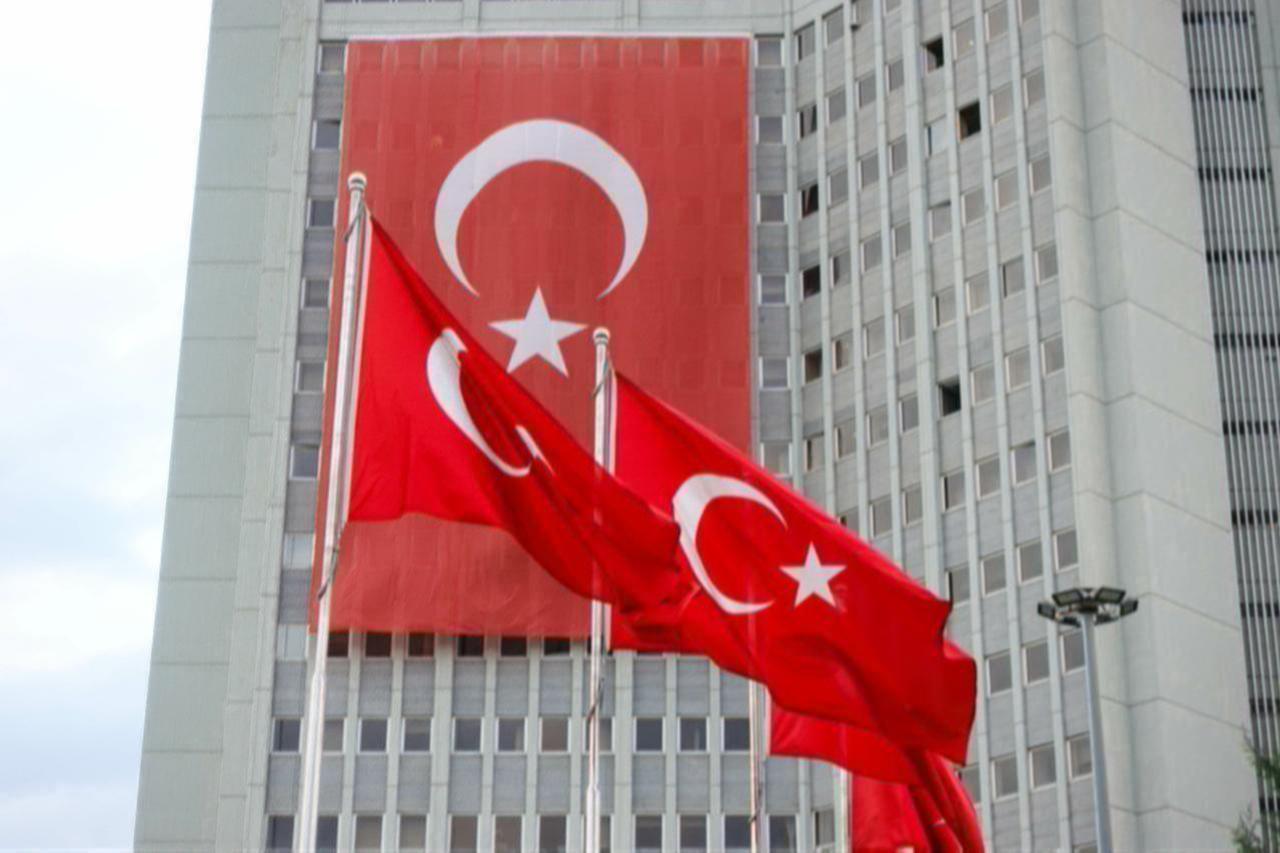
Five of Europe's leading powers gathered in Berlin on Wednesday to reaffirm their commitment to Euro-Atlantic security and the transatlantic alliance, setting the stage for the upcoming NATO summit scheduled for July 7-8 in Ankara.
The leaders of France, Germany, Italy, Poland and the United Kingdom issued a joint statement following their meeting, stressing the indispensable role of the United States within NATO and pledging to work in concert toward a productive summit in Türkiye's capital.
"Leaders affirmed their unwavering commitment to Euro-Atlantic security and the transatlantic bond, recognizing the vital role the US continues to play in the Alliance," the statement, shared by the UK government, said.
The five nations agreed to pursue what the statement described as "a stronger Europe in a stronger NATO," committing to expand their contributions to the alliance's deterrence and defense posture. Cooperation targets include air defense systems, unmanned aerial vehicles, artificial intelligence applications and long-range strike capabilities, all to be developed in close coordination with Washington.
The leaders also called for deeper defense industrial cooperation across Europe, a priority that has gained urgency as the continent works to scale up its own production capacity amid heightened security concerns following Russia's invasion of Ukraine.
The five governments reiterated their backing for Ukraine, pledging continued military assistance, the maintenance of economic sanctions against Russia, and support for the resilience of Ukraine's energy infrastructure. They endorsed proposals for direct dialogue between Kyiv and Moscow, but said such talks must involve active participation from both the United States and European partners.
The leaders said they remained committed to achieving a just and lasting peace, signaling that any diplomatic resolution must meet conditions acceptable to Ukraine and its allies.
The joint statement also addressed developments beyond Europe's borders. The five countries welcomed a US-Iran Memorandum of Understanding, describing it as an opportunity to restore regional stability and support the global economy.
On Iran's nuclear ambitions, the leaders were unequivocal, saying Tehran "must never obtain a nuclear weapon." They confirmed their readiness to join a UK-France-led multinational mission to safeguard freedom of navigation in the Strait of Hormuz, one of the world's most critical maritime chokepoints for global energy supplies, subject to national conditions and requirements.


 Set as preferred source
 Set as preferred source


 1 min read
 1 min read