Newsletters


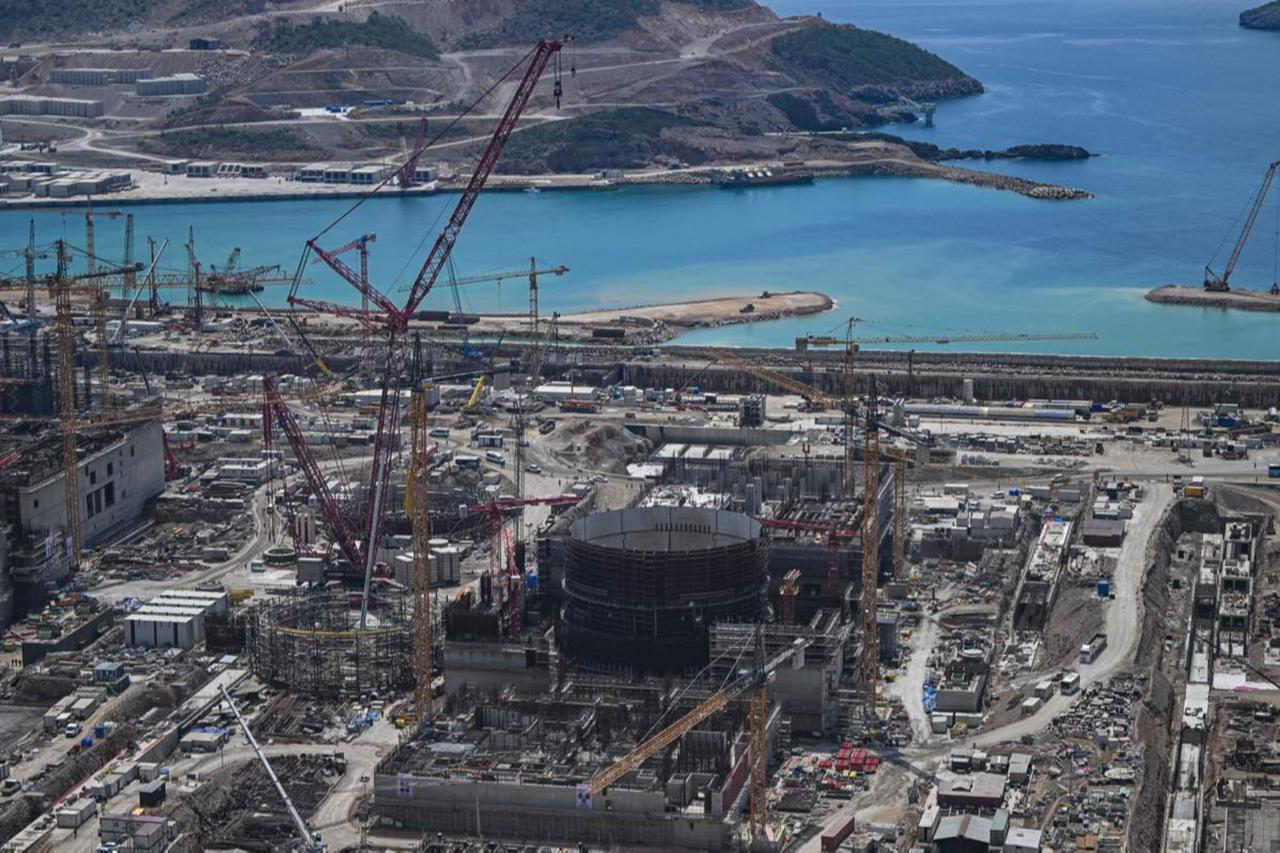


In today’s wars, energy infrastructure is no longer civilian by default, and this reality has direct implications for Türkiye. Fighting around Ukraine’s Zaporizhzhia Nuclear Power Plant, attacks on energy routes in the Red Sea, and the systematic targeting of infrastructure across the Middle East highlight how modern conflict collapses the line between civilian assets and strategic targets.
For a country like Türkiye, which sits at the intersection of multiple conflict zones and energy corridors, this trend is not abstract. Power plants, pipelines, ports and data hubs are increasingly treated as instruments of coercion, signaling and escalation management.
This shift in warfare is especially relevant as Türkiye brings the Akkuyu Nuclear Power Plant online. Contemporary conflicts no longer focus solely on battlefield victories; they increasingly seek to erode state resilience, economic continuity and public confidence.
Energy infrastructure lies at the center of all three. In Türkiye’s case, the disruption of a nuclear facility would not only affect electricity supply but could generate nationwide political, psychological and strategic consequences, potentially without a single shot being fired.
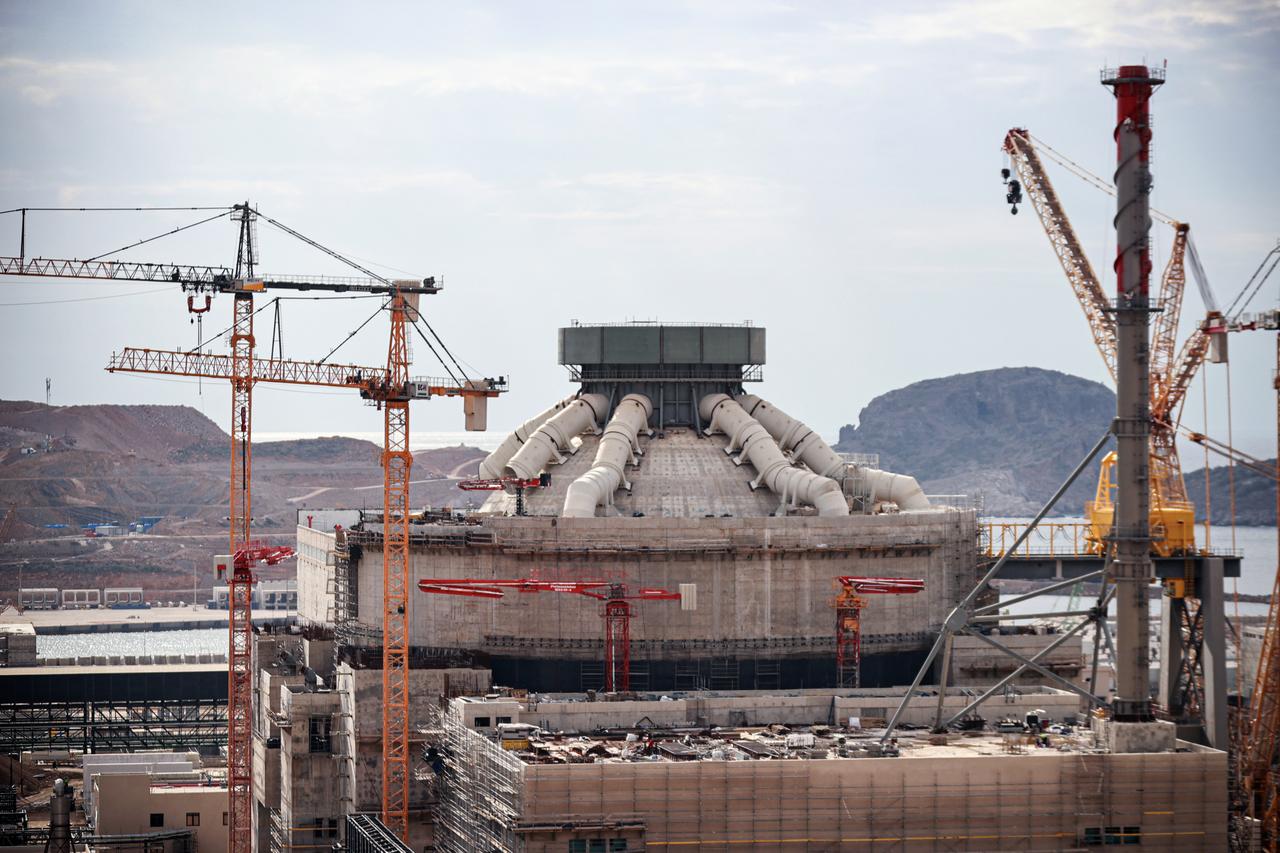
Against this backdrop, Akkuyu cannot be understood merely as an energy project driven by diversification or demand growth. It represents a strategic inflection point for Türkiye. As a fixed, high-value asset on the Mediterranean coast, Akkuyu reshapes threat perceptions, defense planning assumptions and regional risk calculations. Its presence inevitably intersects with military planning, crisis management and geopolitical signaling.
The question, therefore, is not whether Akkuyu is necessary, but what it means for Türkiye’s strategic and military posture in an era where infrastructure itself has become a battle space.
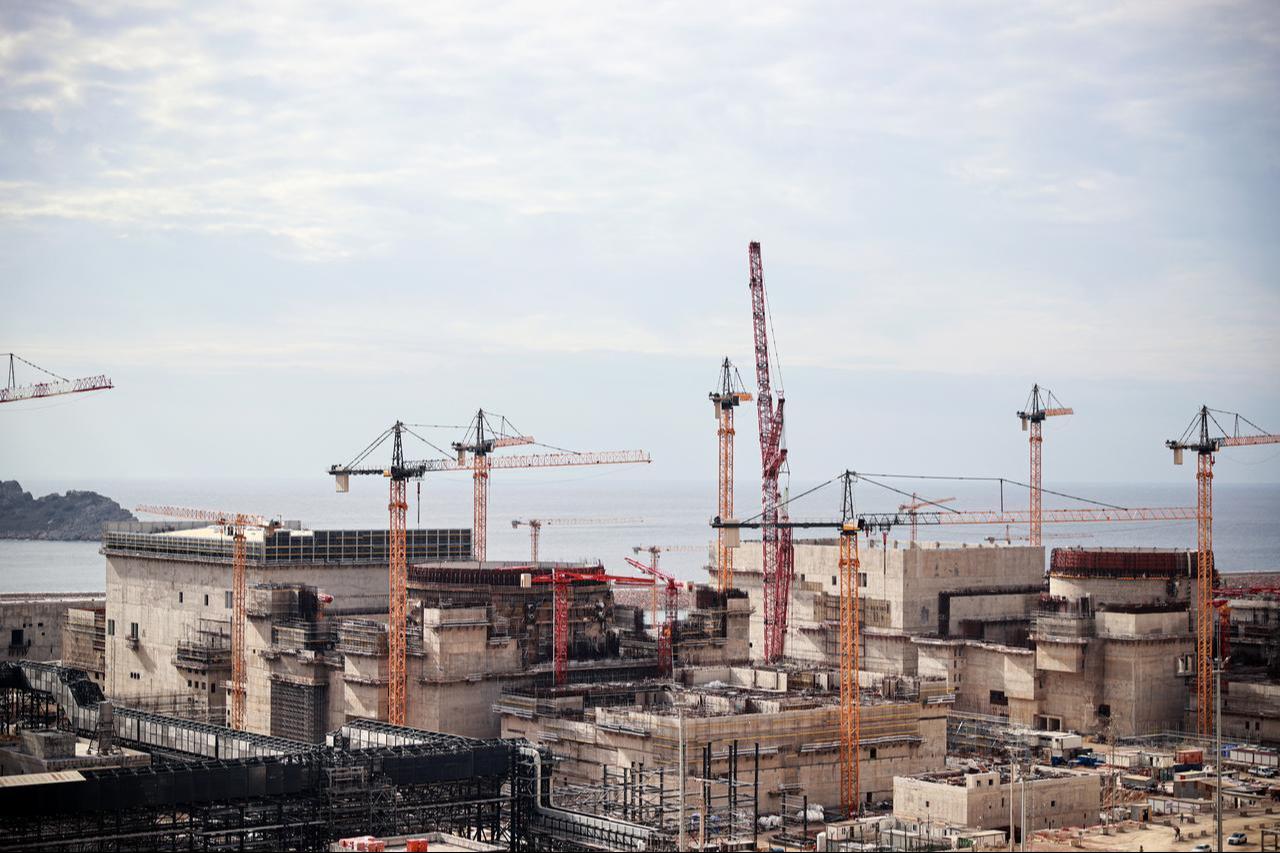

Unlike conventional facilities, nuclear plants are security-sensitive by design. Their disruption, through attack, sabotage, or cyber interference, does not merely reduce output; it introduces uncertainty, public anxiety, and long-term governance challenges. Even limited incidents could impose disproportionate political and strategic costs for Ankara, both domestically and internationally.
Akkuyu, therefore, places Türkiye in a new strategic category. It introduces responsibilities that extend beyond energy governance into military preparedness, interagency coordination, and strategic communication. Once Akkuyu is treated as strategic infrastructure, it becomes difficult to assess it solely through cost-benefit analysis or energy-independence narratives.
It increasingly invites evaluation through a security lens that accounts for escalation dynamics, worst-case scenarios, and adversarial behavior under stress, particularly given Türkiye’s proximity to active and potential conflict theaters.
For Türkiye, the assumption that critical infrastructure can remain insulated from conflict has become increasingly untenable. Advances in precision-guided munitions, long-range strike capabilities, unmanned systems, and loitering munitions have expanded the range and affordability of attacks on fixed assets such as Akkuyu.
At the same time, hybrid tactics, including sabotage, cyber operations, disinformation and proxy activity, have lowered the political threshold for disruption.
The war in Ukraine offers a cautionary reference point for Turkish planners. Repeated risks surrounding the Zaporizhzhia Nuclear Power Plant demonstrated how a nuclear facility can become embedded in military dynamics even without deliberate targeting.
The surrounding combat environment alone undermined assumptions of insulation and predictability. For Türkiye, this underscores that Akkuyu’s vulnerability is shaped not only by direct threats but also by the broader regional security environment in which it operates.
This experience highlights a critical shift: nuclear facilities can no longer rely primarily on international norms or assumed restraint. For Akkuyu, security increasingly depends on deterrence, defense and resilience. In Türkiye’s context, preparedness, rather than assumed immunity, has become the foundation of protection.
This raises a central question for Ankara: how is Akkuyu protected, not only physically, but strategically and institutionally?
Under international humanitarian law, nuclear power plants are classified as civilian objects and benefit from special protection due to the potentially catastrophic consequences of attack. This framework reflects decades of effort to shield nuclear infrastructure from the logic of warfare. This legal status remains important, but it is not sufficient.
Legal immunity depends on non-involvement in military operations, a distinction that becomes increasingly fragile when facilities are embedded in broader security environments or exposed to nearby hostilities. Recent conflicts show how legal norms can be strained or selectively interpreted when states invoke military necessity or self-defense. For a country located amid overlapping regional crises, Türkiye cannot easily assume that legal protections alone will deter threats to Akkuyu.
International law continues to shape diplomatic costs and post-conflict accountability, and for Türkiye it remains an essential political tool. But experience demonstrates that law cannot function as a shield on its own.
For Akkuyu, legal protection retains meaning only when reinforced by credible deterrence, defensive capabilities, and political resolve, making reliance on norms without material protection an increasingly fragile strategy.
Ensuring Akkuyu’s safety is not the same as ensuring its security. Safety focuses on engineering standards and accident prevention; security addresses deliberate military, cyber, and hybrid threats. Treating these domains separately risks creating vulnerabilities that adversaries could exploit, particularly during crises when decision-making and attribution are most difficult.
An integrated defense approach, therefore, becomes central to how Akkuyu is situated within Türkiye’s broader security architecture.
The facility’s protection intersects with national air and missile defense planning, accounting for precision-guided weapons, drones, and loitering munitions. The proliferation of unmanned systems has made dedicated counter-UAV capabilities around sensitive infrastructure an increasingly standard feature rather than an exceptional measure. Protection also extends beyond hardware, encompassing early warning, layered defenses, and civil–military command arrangements capable of functioning under stress.
The emerging Baykar nuclear dimension reinforces this logic. The government’s confirmation that Baykar is developing a 40 MW small modular reactor and that private firms may soon be allowed to build nuclear prototypes signals a structural shift in Türkiye’s nuclear ecosystem. A defense-industry actor entering the nuclear field brings experience in contested environments, threat-driven planning, and systems integration—capabilities directly relevant to how nuclear infrastructure security is conceived.
At the same time, this overlap highlights the importance of governance clarity and role separation, as the convergence of defense-industrial capacity and nuclear energy can influence external threat perceptions.
Cyber resilience is equally critical for Akkuyu. Russian-linked cyberattacks on Ukraine’s power grid and telecommunications networks have demonstrated how infrastructure disruption can occur without physical destruction, undermining crisis response and public trust. For Türkiye, cyber interference at Akkuyu could complicate decision-making at precisely the moments when clarity and credibility are most needed.
Intelligence and counter-sabotage complete this picture. Hybrid operations increasingly rely on reconnaissance, insider access, and long-term preparation. In the context of Akkuyu, effective protection is shaped not only by technical defenses but also by intelligence sharing, insider-risk mitigation, and coordination between civilian operators and security institutions.
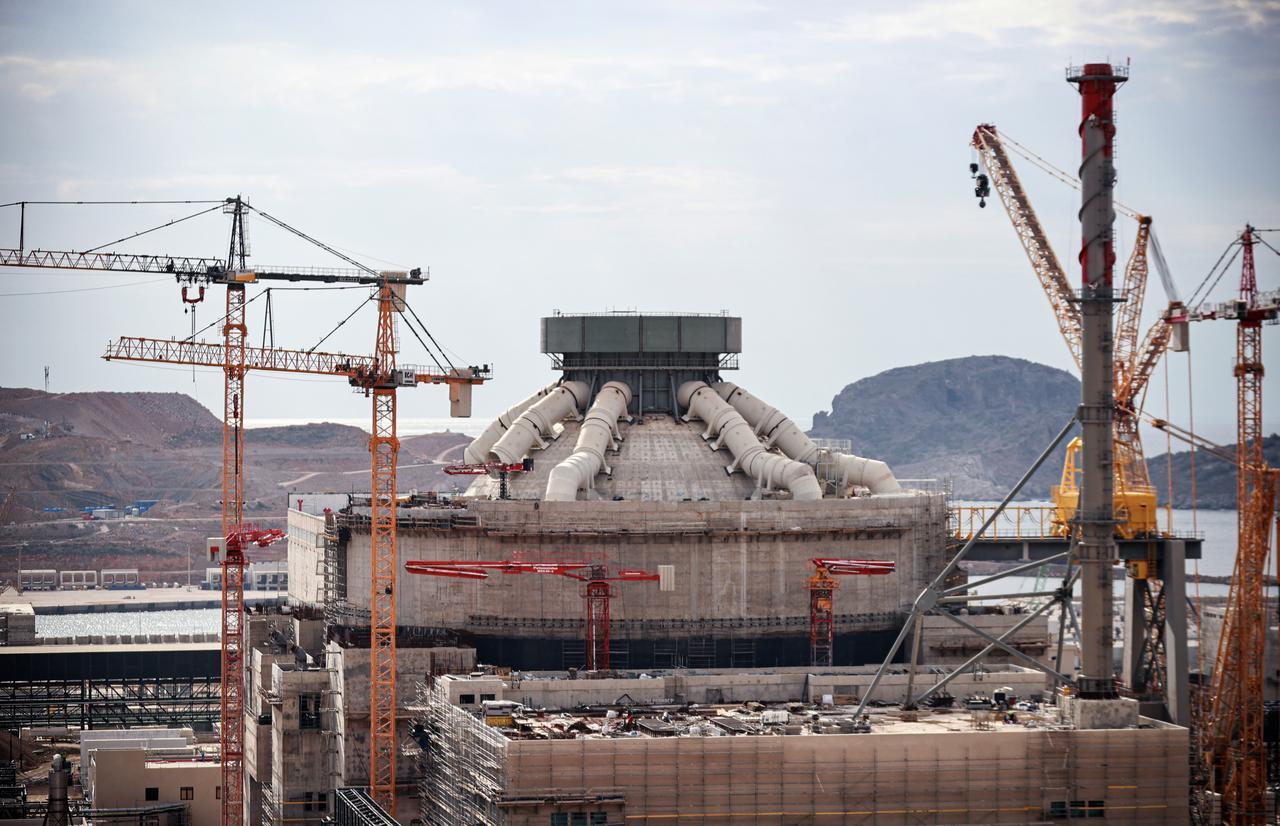
Akkuyu also reshapes Türkiye’s strategic depth within the Eastern Mediterranean, where energy security, military balances, and regional competition increasingly intersect.
As a high-value asset on the Mediterranean coast, the facility inevitably factors into calculations of escalation control and crisis stability, not only for Ankara but also for its NATO allies.
Within NATO, the protection of critical infrastructure has become a core pillar of deterrence and resilience.
Alliance discussions under Article 3 increasingly treat energy systems and digital networks as enabling conditions for collective defense. In this context, Akkuyu is not only a national concern but also part of the broader resilience architecture that underpins alliance credibility in the Eastern Mediterranean.
For Türkiye, this situates Akkuyu within NATO frameworks for resilience, early warning, and crisis response, particularly in scenarios involving maritime escalation or hybrid pressure. This is not about internationalizing control but about ensuring interoperability under alliance conditions.
Seen in this light, Akkuyu is not a vulnerability imposed on Türkiye but a strategic variable that reshapes the security environment in which deterrence operates. Strategic assets enhance national and alliance power only when their risks are anticipated, absorbed, and integrated into collective resilience and defense planning.


 Set as preferred source
 Set as preferred source


 2 min read

 1 min read