Newsletters


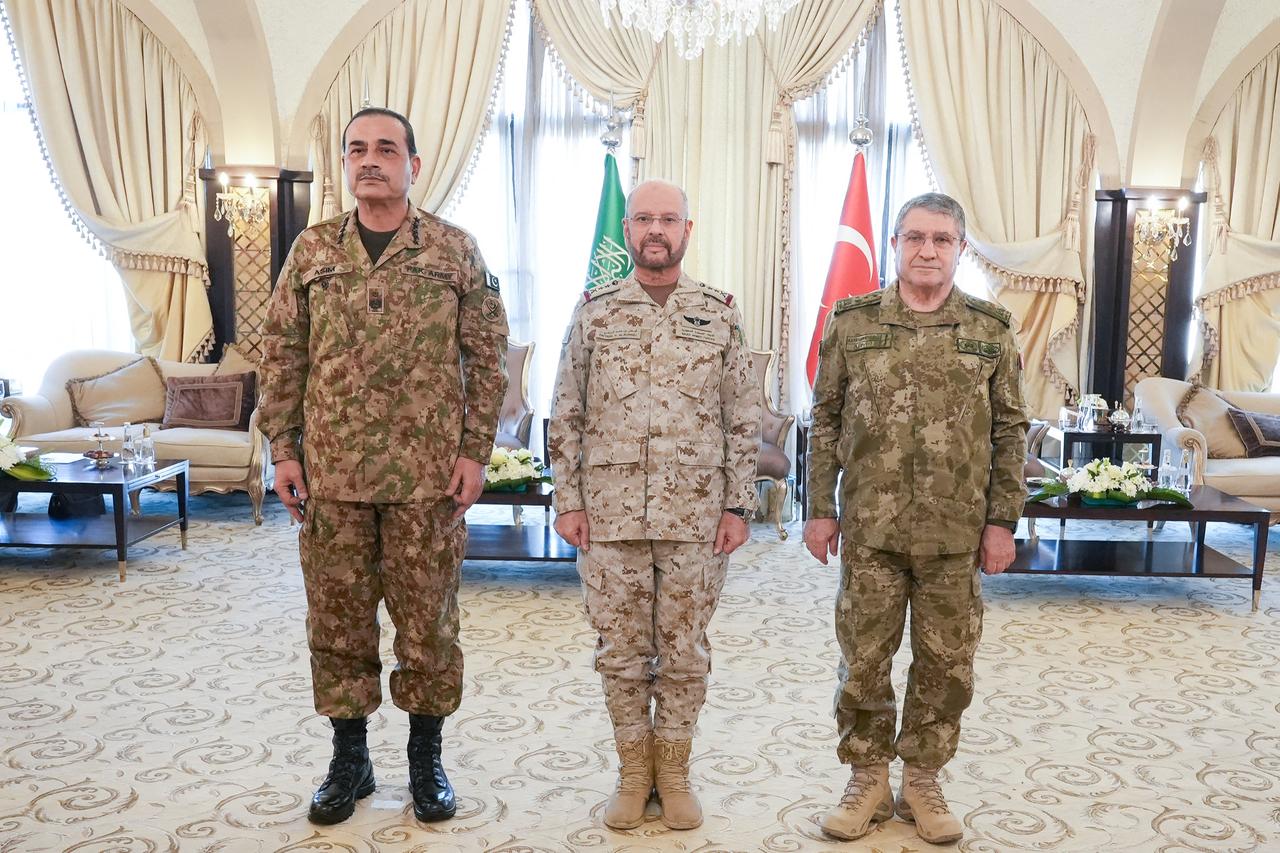


The Mecca pact, also dubbed a Muslim NATO, needed a face. It found one in a retired Pakistani general who's done this before.
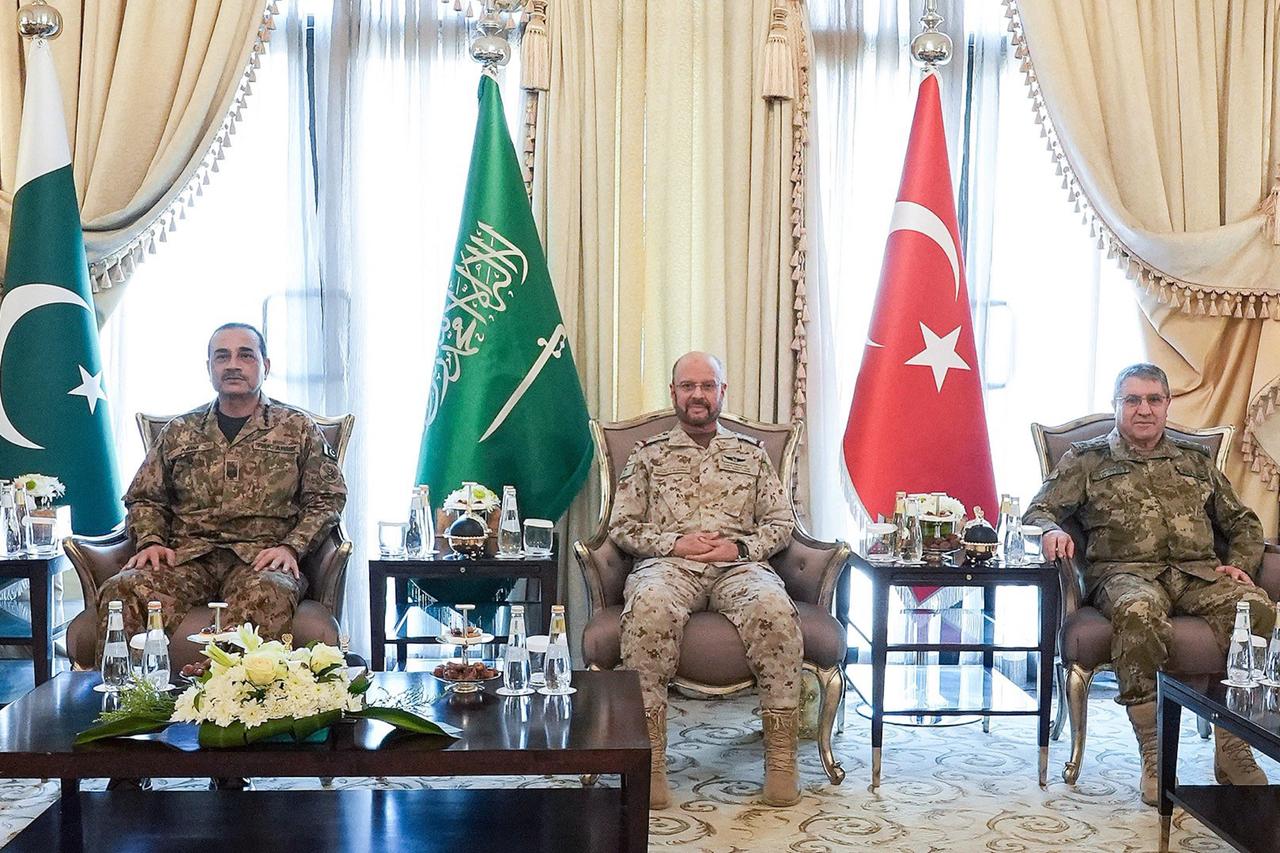
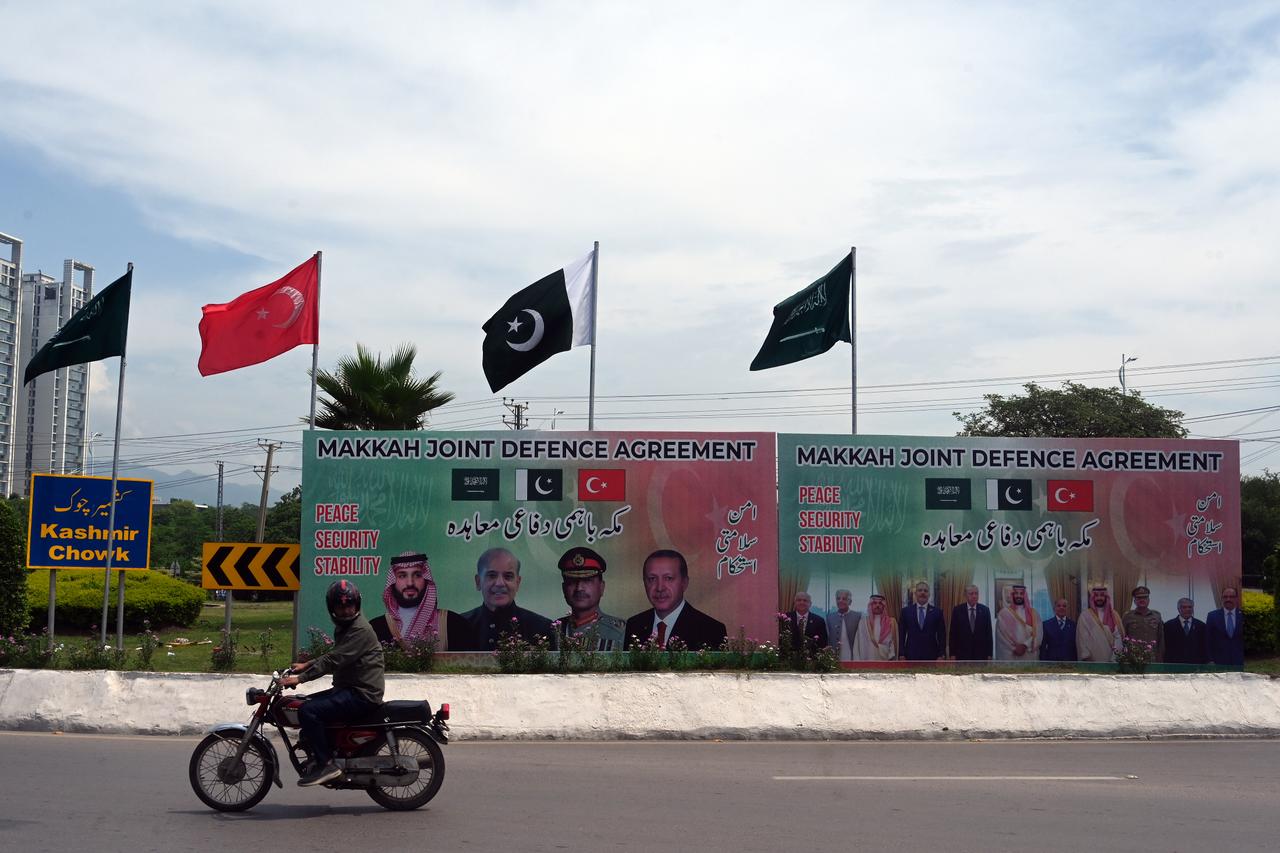
Lt. Gen. Nauman Mahmood was named this week as the first secretary-general of the Mecca Joint Defense Alliance (MJDA), the security forum formed under the Saudi-Turkish-Pakistani defense agreement. His term runs for three years. His job is to turn a political commitment into an operational reality.
More countries are expected to join in the coming days, but the founding states want the structure consolidated before opening it to others with similar threat perceptions.
Even though the alliance has no regional aspirations and is based on “collective deterrence,” there may be difficult decisions to be made in the days ahead, especially, amid the widening U.S.-Iran conflict and attacks by Yemen’s Houthi rebels targeting Saudi Arabia.
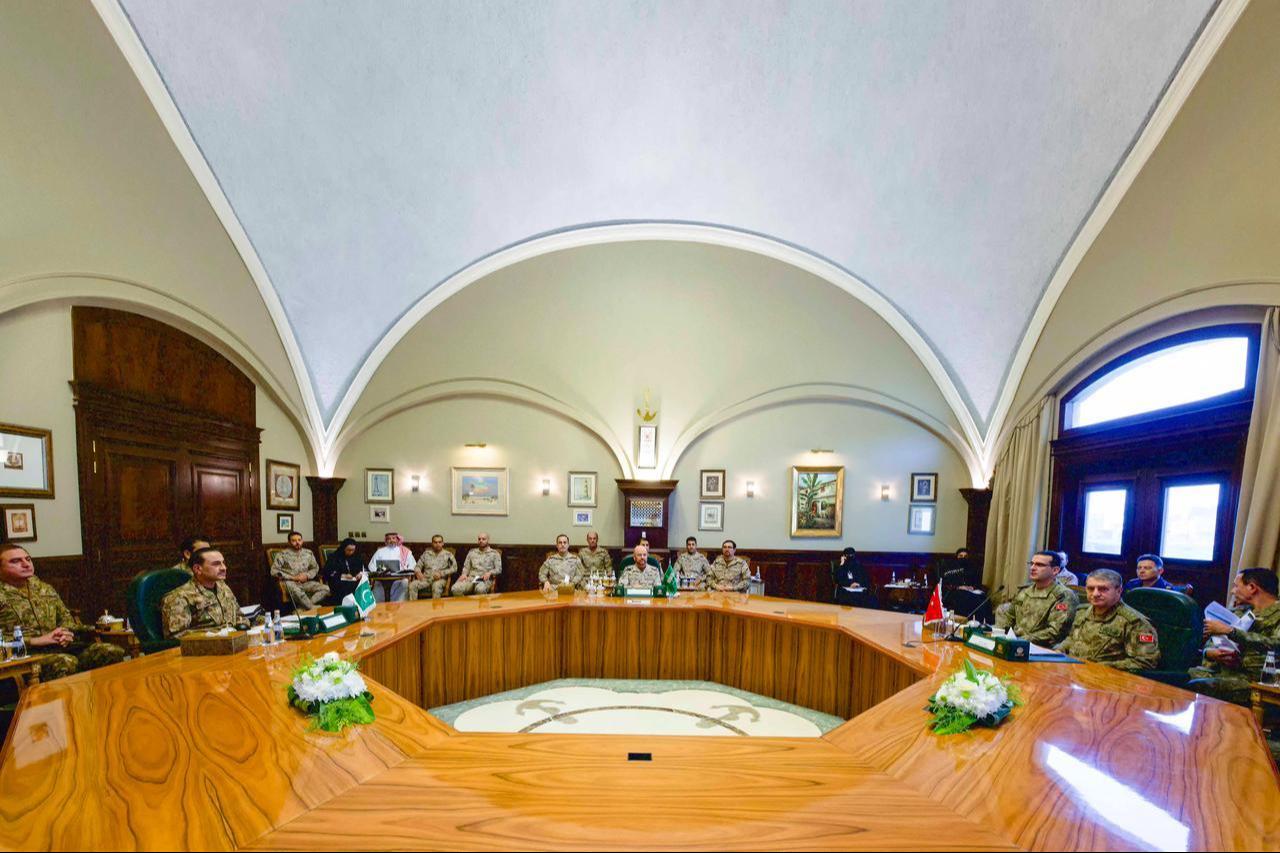

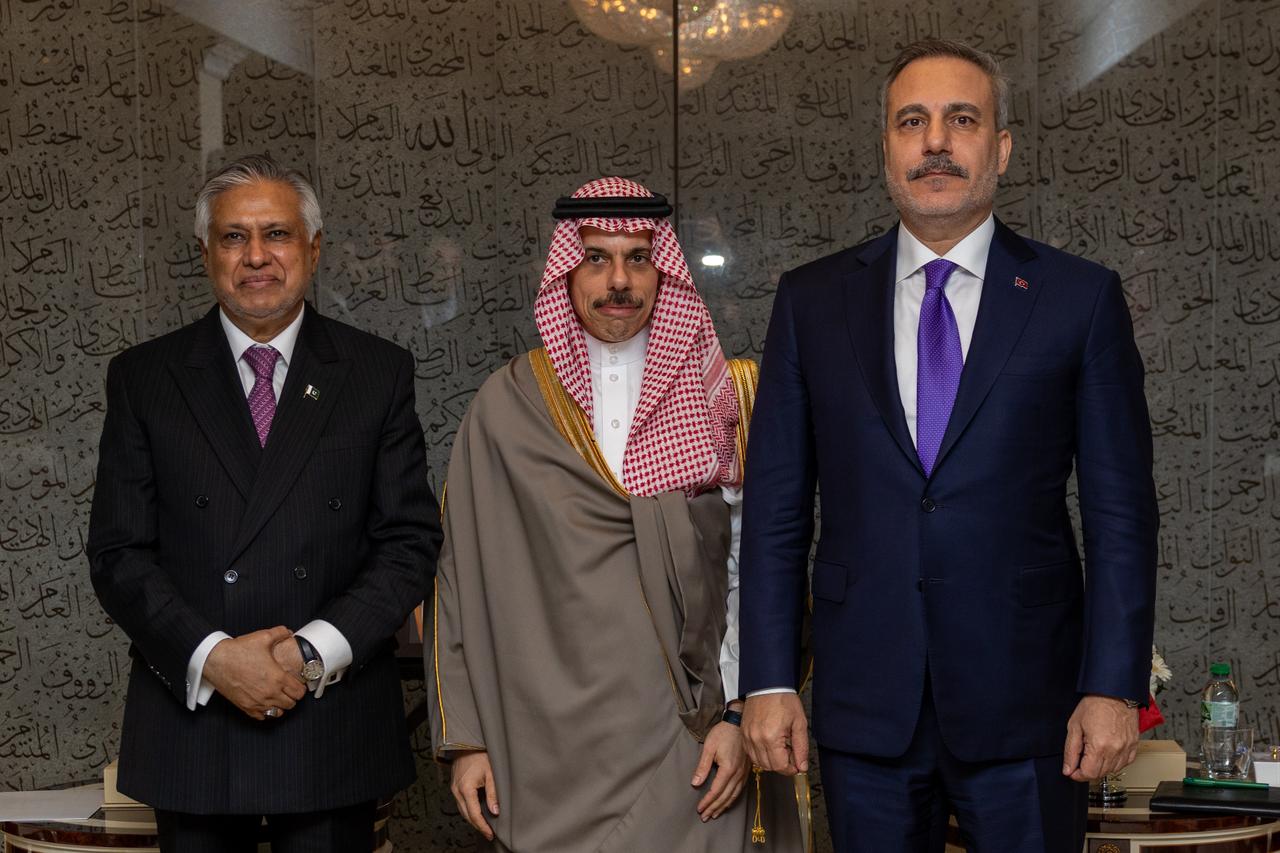
After the signing of the MJDA trilateral in Mecca on Aug. 7, Pakistan was selected to head the alliance’s secretariat based in Riyadh, from where all planning and future defense initiatives would be developed.
And with Lt. Gen Mahmood’s appointment, Pakistan gets the first opportunity to shape the institutional culture and working procedures of the alliance, as Mahmood would set the eventual direction of the nascent MJDA mechanism as its first head.
Having been one of the contenders for elevation to the post of chief of army staff, during the last transition in 2022, Lt. Gen. Mahmood has had an illustrious career. His background in field command, intelligence analysis, strategic affairs and military education offers important clues regarding the kind of strategic architecture the three countries could develop.
Ahmet Khan, a defense and aerospace expert based in Bursa, told Türkiye Today that Lt. Gen. Mahmood’s background is quite relevant, as the secretariat is being built from scratch, and as the first secretary general, he is “essentially the alliance’s institutional architect.”
Specifying Mahmood’s expertise, Khan highlighted that “as Director General of the Analysis Directorate at the Inter-Services Intelligence (ISI), he assessed foreign developments from a national security perspective and handled the ISI's external liaison with foreign intelligence agencies. That is directly transferable to coordinating a trilateral security body in Riyadh.”
Second, operational command in a live security environment—he commanded an infantry division in North Waziristan during counterterrorism operations, then led XI Corps in Peshawar from December 2019 to November 2021, a posting that coincided with the US withdrawal from Afghanistan and the fencing and management of the Pakistan–Afghanistan border.
Third, professional military education—he spent years at the Command and Staff College Quetta (rising to chief instructor) and later served as the 35th president of the National Defence University until his retirement in April 2023. Notably, he was also considered a contender for army chief in the 2022 transition, which signals the seniority and establishment trust behind the pick.
According to Khan, Mahmood is not a ceremonial appointee; “he combines intelligence assessment, field command, and institution-building experience—exactly the mix needed to translate a political pact into functioning committees, procedures, and joint planning machinery.”
Discussing Pakistan’s role, Khan said this appointment confirms that Pakistan is not a junior partner in this framework but its first institutional anchor.
He said that the likely direction of the MJDA would be “institutionalization first, combat integration later,” and the first task is building the machinery, rather than operational deployments.
Next would be emphasis on joint training, defense industry and technology cooperation, he said. And finally, managed expansion, and “Mahmood would be the gatekeeper with standards.” In short, Khan said that “Pakistan has put forward one of its most institutionally experienced generals.”
However, Junaid Javeed, a security and risk management expert, told Türkiye Today that though Mahmood’s appointment is a significant opportunity to contribute to the Alliance’s early development, it “does not make Pakistan the commander or the sole decision maker, as strategic authority remains with the three member states collectively.”
In Javeed’s view, the immediate challenge would be to “translate the political commitments of the agreement into functioning trilateral mechanisms."
Therefore, “the first three years will be less about dramatic military integration and more about establishing long-term institutional foundations.”
Also, the MJDA alliance is not a fully integrated military organization yet.
Though it carries a collective defense commitment, the practical implementation of the pact could be in various layers and different forms.
Eventually, it all depends on how the pact translates into practical military procedures, consultation mechanisms and intelligence-sharing mechanisms as per circumstances.
The degrees of involvement under the MJDA could be varied or erratic, as it was recently seen that Ankara offered to provide Riyadh with military and technical support in response to Houthi attacks, while Islamabad has worked more under its bilateral pact with Riyadh, the Strategic Mutual Defense Agreement (SMDA), which has already been activated since April this year.
Also, Pakistan is laying the alliances' initial architecture, as it has extensive experience in counter-terrorism and border security and long-standing defense ties with the Kingdom.
While Islamabad provides the operational experience, Riyadh provides the location and resources, and Ankara provides the defense industry.
Now it only needs to be seen whether the Mecca Defence Alliance becomes a political-security framework focused on diplomacy or a more operational defense mechanism.
Zeeshan Shah, a political observer based in Washington, told Türkiye Today that a Pakistani was appointed as the first Secretary-General of the Makkah Defense Alliance, as “there is not a lot of interoperability and training coordination between Türkiye and Saudi Arabia with regard to their militaries.”
Therefore, Shah said that Pakistan’s role will initially be that of “a bridge between the Saudi and Turkish armies," to help set the alliance in a direction to take more robust action if the need arises.
Meanwhile, Subhan Javed, a geopolitical observer, appreciated the fact that all three nations are “standing rock solid as their top brass knows that it’s a long-term strategic agreement, not a short-term tactical battle for regional security architecture.”
In his opinion, the first steps taken by Mahmood could be the creation of “a Rapid Deployment Joint Task Force (RD-JTF)" and establishing "interoperability of the three armed forces for a quick deployment from South Asia to the Mediterranean" to become a defining feature of the transition from “triple entente” to a trilateral ironclad relationship between the three nations.


 Set as preferred source
 Set as preferred source


 1 min read
 1 min read