Newsletters


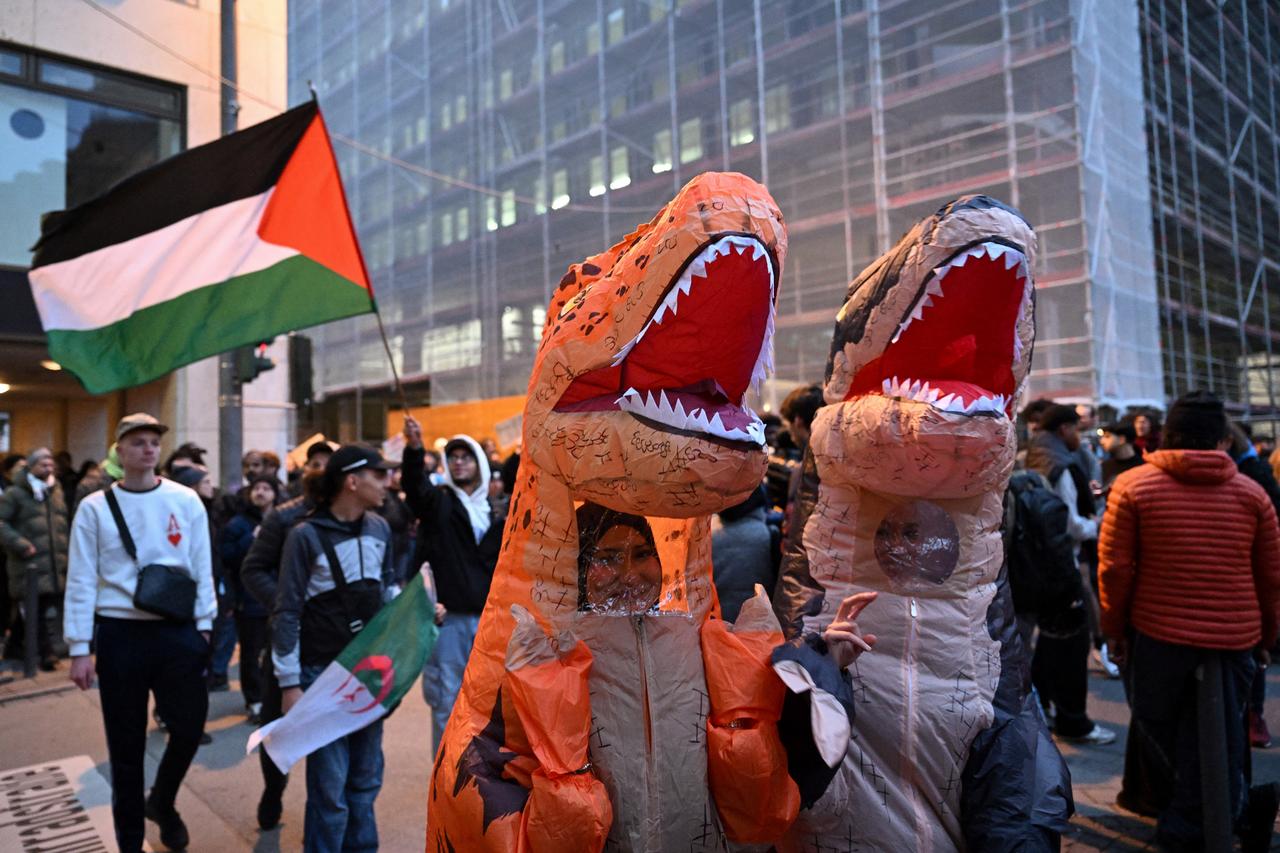


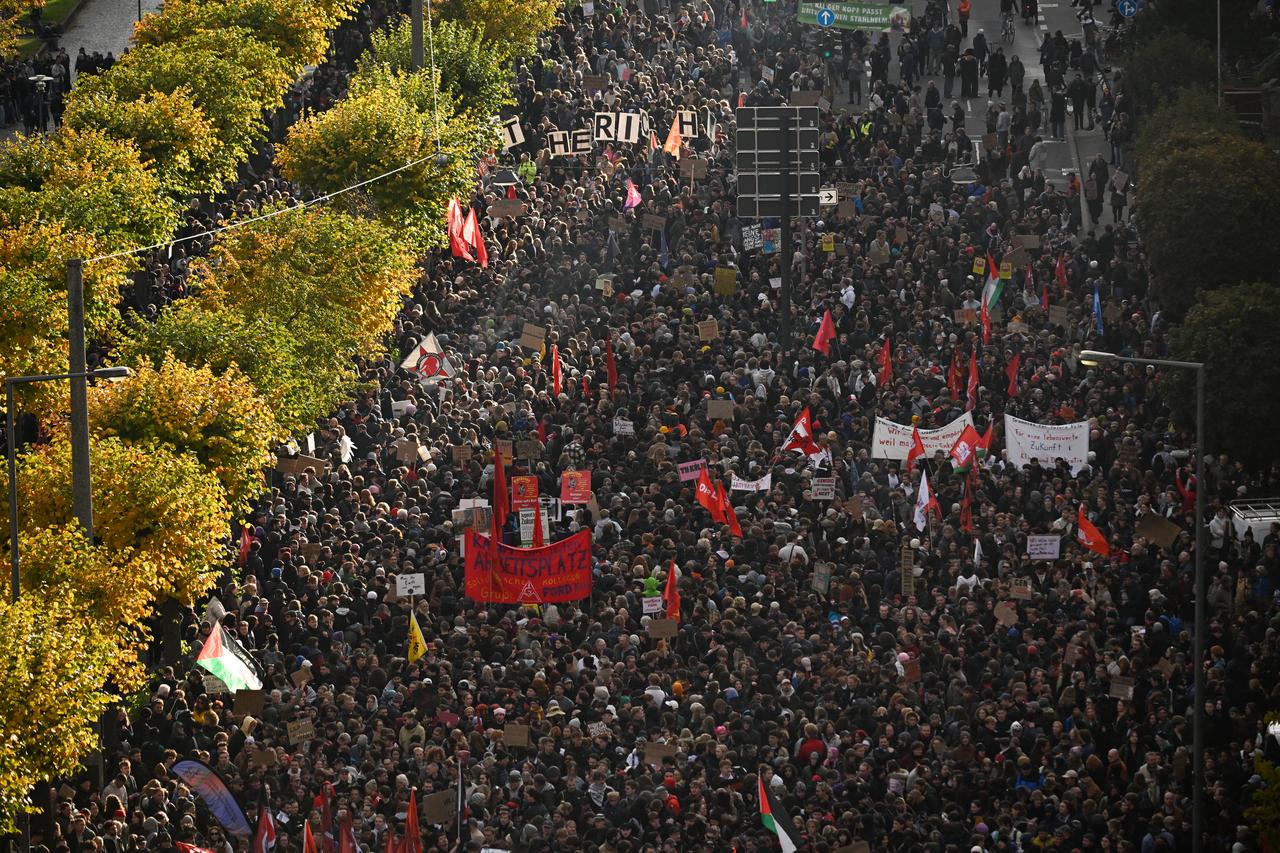
This autumn, young people have taken to the streets over schools, jobs and living costs in France, Italy, Belgium and Albania. On Oct. 31, the wave reached Germany, where the initiative Gen Z regelt called protests in more than 30 cities and set out six demands in an open letter, including schools, living costs and conscription. Tens of thousands came.
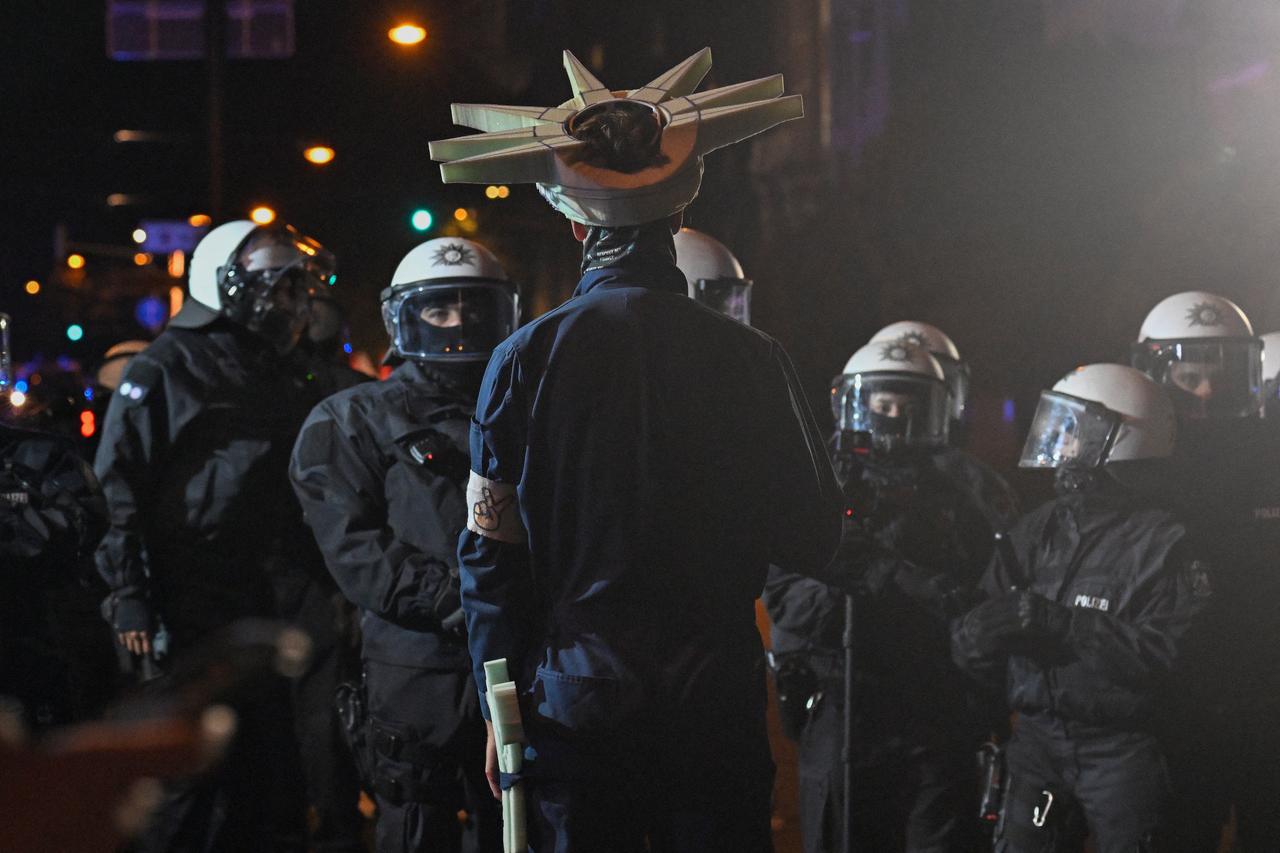
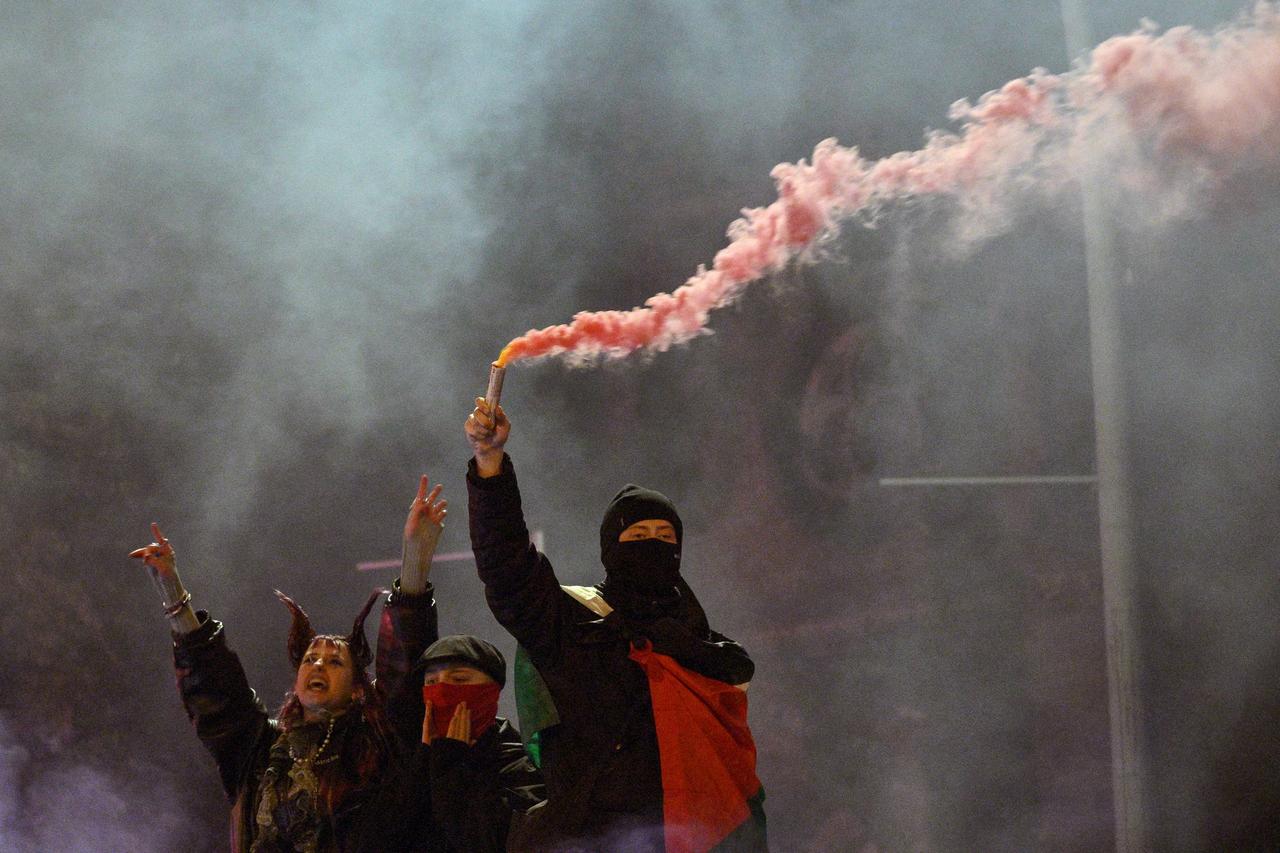
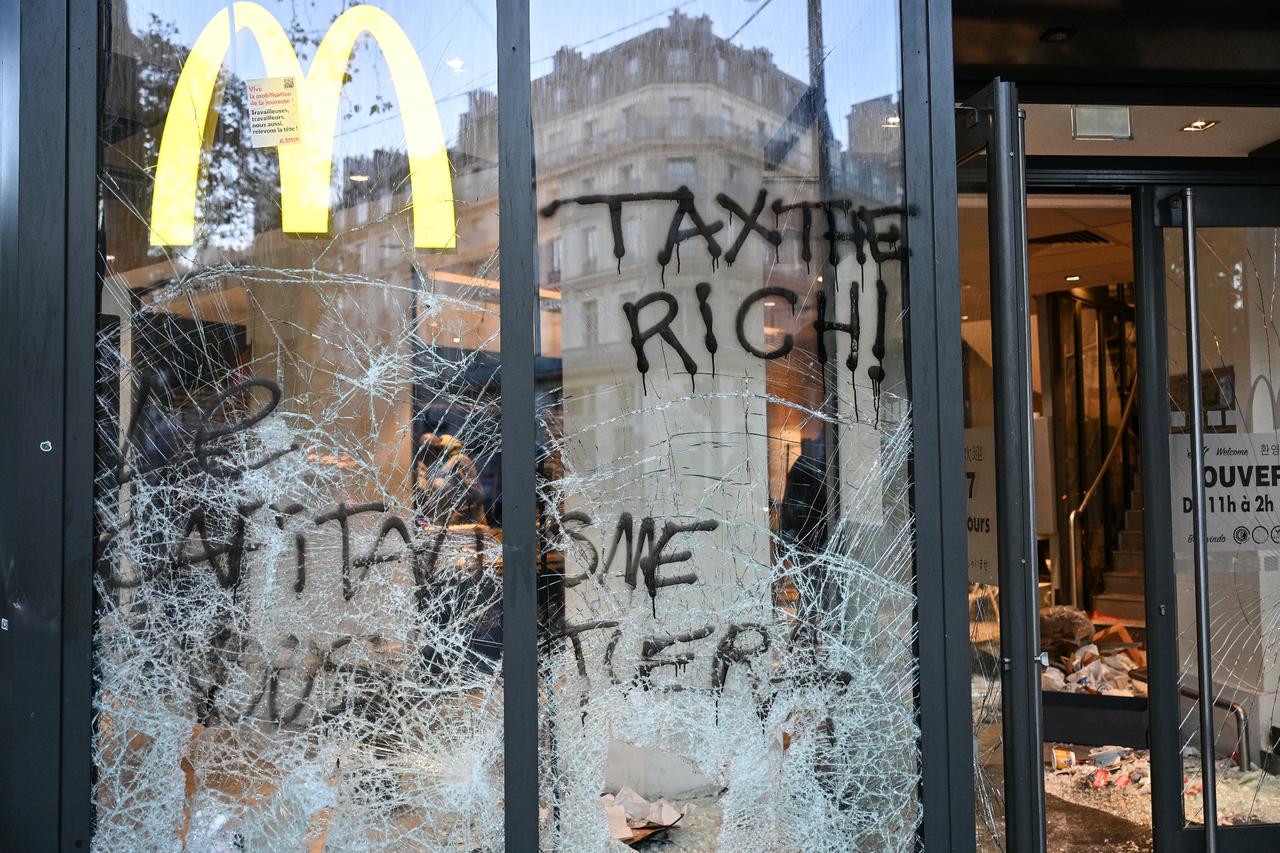
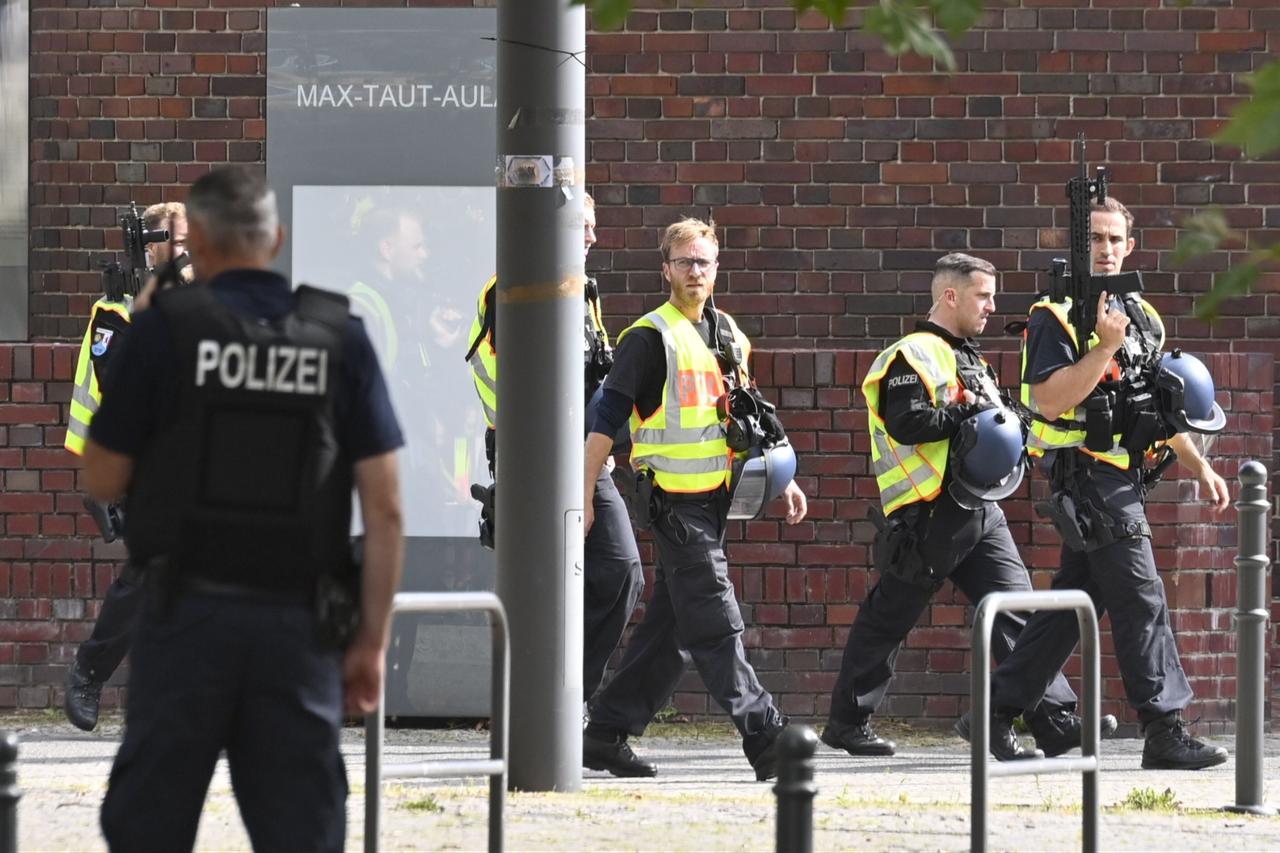
By day, the protests stayed calm. Before the riots, a police union official called them "very peaceful." After the rallies ended, police in Frankfurt made 54 arrests and five shops were looted, and Hesse's interior minister, Roman Poseck, put the number of injured officers at more than 100.
Those who put order first have a real case, and North Rhine-Westphalia's interior minister, Herbert Reul, said of the masked rioters, "They want trouble and violence." Attacks on officers and looting belong in court, and the letter excuses neither. Enforcing the law, however, does not require ignoring the open letter.
The first political answers dealt with the rioters. A day later, Interior Minister Alexander Dobrindt said "violent left-wing groups" and "migrant troublemakers" had hijacked the protests. Defense Minister Boris Pistorius thought it right to name rioters from a migrant milieu if that were so, but did not know whether it was.
The speech Chancellor Friedrich Merz prepared for the following day struck two notes, promising "no tolerance" for violence and calling the young generation "political" and worried about its future. A youth protest puts two questions to a government: what the young want and who rioted. Within two days, much of the German debate had settled on the second, and the six demands still await an answer.

France faced the same two questions first. Gen Z regelt was billed on Oct. 22 as importing France's school protests into Germany.
In late September, Prime Minister Sebastien Lecornu blamed a left-wing party for encouraging the protests. Within a week, his government had put its answer on paper, five points, from replacing absent teachers to the state of school buildings.
An answer did not end the protests. Paris conceded more only under pressure, after more than half a million marched in mid-October. On Nov. 2, blockades resumed at a few dozen schools, with a blockade organizer likening the government's answers to "breadcrumbs." Germany has had one protest day, so the fair comparison is with France's first days.
Berlin's first days look different. Two days after the protest, the federal government had acknowledged the concerns but announced no new policy, and government spokesman Stefan Kornelius said the chancellor felt encouraged that his policy would continue.
Those concerns are set out in the letter to Merz, which went online days before the protest under the central demand "Listen to us at last." It asked for more money for schools, therapy and addiction help instead of cuts, affordable living, a fair share of burdens, no conscription, no new surveillance and steady climate policy.
Federalism makes a partial answer easy. Schools are mostly run by the states, while conscription and national climate targets are set in Berlin, and the federal replies are selective. Kornelius called worries about pensions "a legitimate concern," conceded that Merz saw shortcomings in housing and refused to move on conscription.
Before the day, Education Minister Karin Prien offered a dialogue and argued that German schools are already in better shape than France's, a case that covers schools and little else.
The letter itself has had no reply, and the movement's looseness makes it easier to set aside. The initiative said it ran events in only a handful of cities. The Federal School Students' Conference (BSK) stayed away because it feared "a development like in France" that would push young people's concerns "into the background." By its own account, it plans its own march on Nov. 20 with partners.
Dobrindt's "migrant troublemakers" set the terms of that debate. Poseck called the group behind the Frankfurt riots "predominantly shaped by migration" and warned against "false taboos," though he added that most of those arrested hold German citizenship. Pistorius asked whether "migrant groups" meant third-generation German citizens.
No official breakdown of the suspects' background had been reported by Nov. 3. In a country where more than a third of people aged 25 to 34 have an immigration history, the "migrant" label is broad. The debate turned a social question about schools, living costs and conscription into a question of origin, which none of the letter's six demands raises.
Germany has seen this move before. In the late 1960s, West German students marched against the Vietnam War, against emergency laws that allowed basic rights to be curbed in a crisis, and against their parents' silence about the Nazi past. The Springer publishing house, owner of the tabloid Bild, stoked hatred of their movement and painted it as a radical threat.
When the student leader Rudi Dutschke was shot in April 1968, students blamed Springer's papers for the attack. Dobrindt's phrase "migrant troublemakers" makes the same move, discrediting a protest through its troublemakers while adding origin to it.
The next year, Willy Brandt, West Germany's new Social Democratic chancellor, addressed that generation differently. In his first speech to parliament, he promised to "dare more democracy" (mehr Demokratie wagen) and to lower the voting age from 21 to 18, bringing many of the young protesters into the electorate. Springer met that generation with hostility, Brandt with a reform. The school students who march on Nov. 20 will find out which tradition Berlin has chosen.


 Set as preferred source
 Set as preferred source


 1 min read
 1 min read