Newsletters


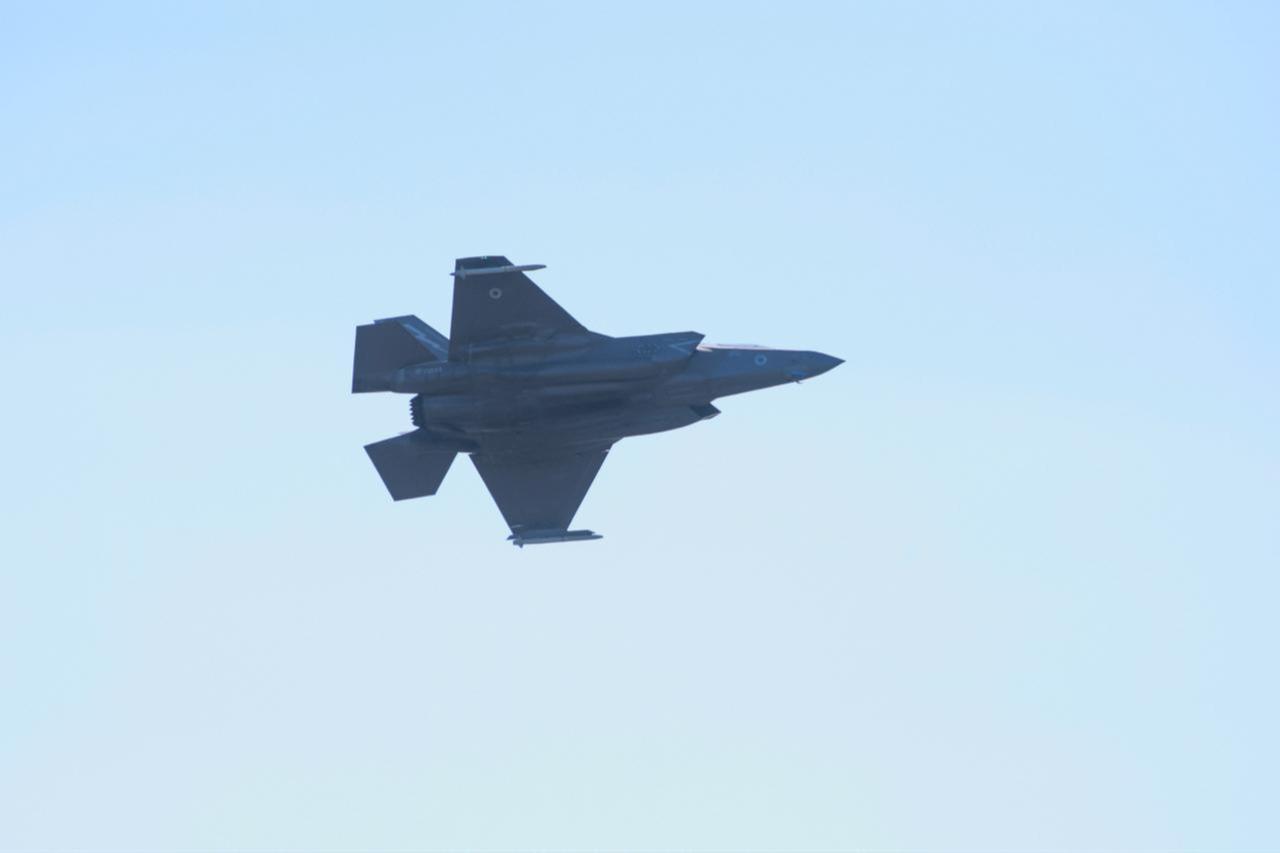


Regional conflict, ignited by U.S. and Israeli operations against Iran launched on February 28, has predictably spilled beyond Iranian borders, directly affecting the geopolitical balance of the Eastern Mediterranean.
The drone attacks carried out by Iran and its proxy forces, particularly via Lebanon, against the British Sovereign Base Areas (Akrotiri and Dhekelia) in the territory of the Greek Cypriot Administration of Southern Cyprus (GCASC), have provided the legitimizing grounds for military activity in the region.
From a strategic perspective, however, it is evident that Greece and the GCASC have used this tension as a “window of opportunity” to fortify the island and its surroundings with advanced weapon systems—a move they have long sought to carry out.
The situation has triggered a dangerous militarization process that transforms the island from an energy hub to an advanced European defense platform.
The U.S.–Israeli military operations against Iran, which began on February 28, opened the door to a military buildup in the Eastern Mediterranean that has been anticipated for some time but has been seeking a legitimizing framework.
Greece and the GCASC have initiated a process to transform the island and its surroundings into an unprecedented military platform, citing the Shahed-type kamikaze drones that struck the British base at Akrotiri on the night of March 1 to March 2 and the increasing missile threats to the region as a “security justification” within the scope of Iran's retaliatory attacks.
Although these moves may appear at first glance to be a defensive reflex against the Iranian threat, a closer look at the diplomatic and military details reveals that the Greek–Cypriot duo is manipulating regional instability through opportunistic diplomacy to further their own strategic goals.
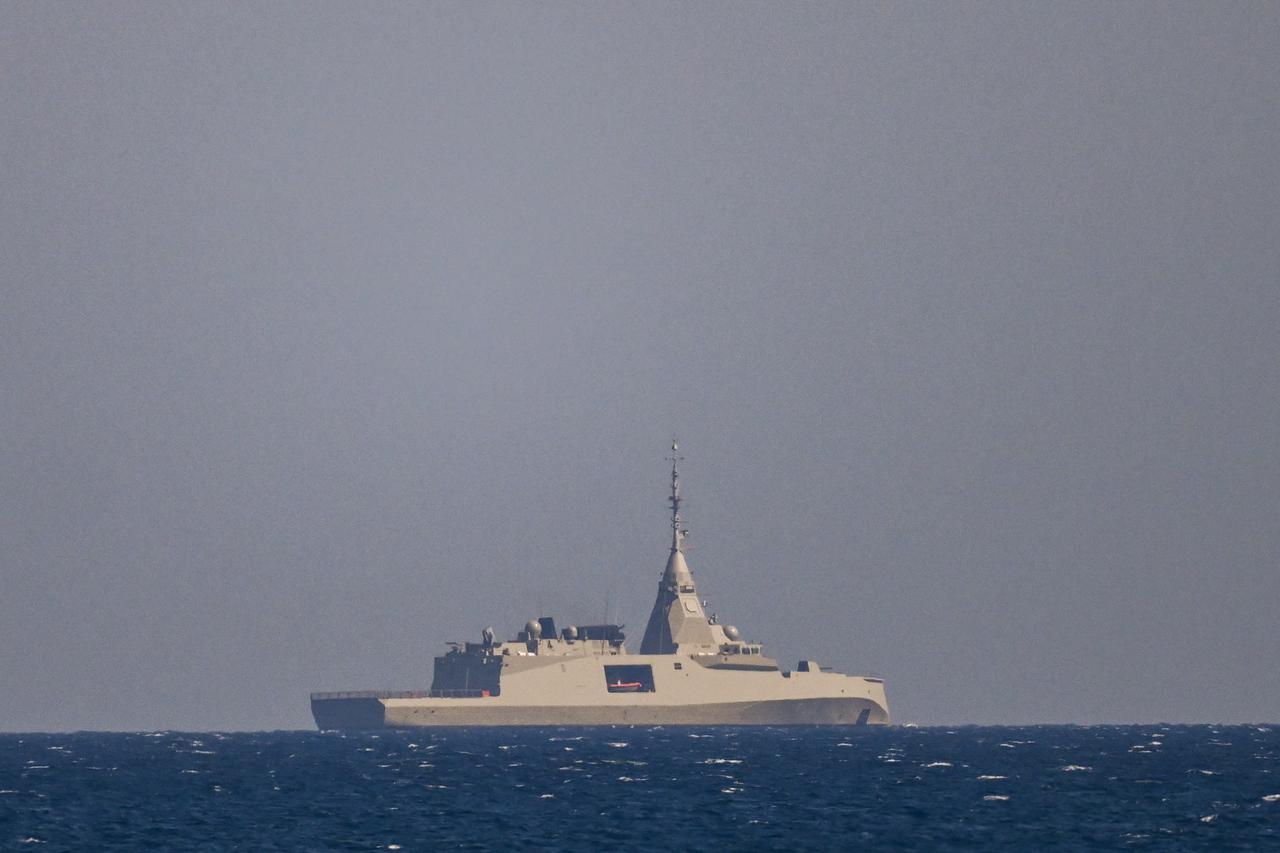
As soon as the crisis erupted, the Athens administration immediately activated its joint defense doctrine with the GCASC: Greece dispatched the HS Kimon (F-601) frigate, the most modern platform in its navy, added to its inventory in January 2026, to the island.
Equipped with a Sea Fire AESA radar, the Kimon has the capacity to track 800 targets simultaneously within a 500-kilometer radius and aims to establish unilateral air superiority in the region with its 120-kilometer range ASTER-30 missiles. This naval force is accompanied by the HS Psara frigate, which has proven itself against UAV attacks in the Red Sea and is equipped with the Greek-made Centaur anti-drone system.
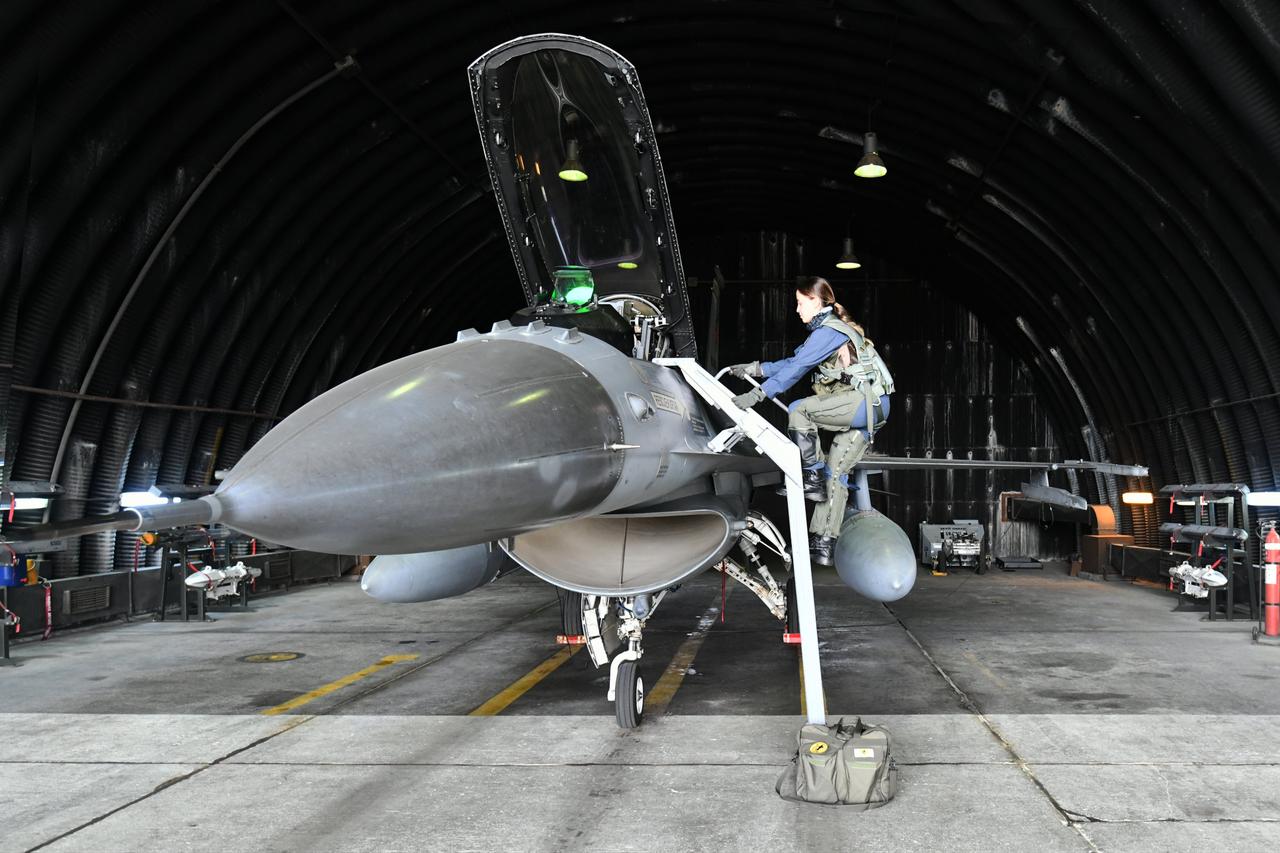
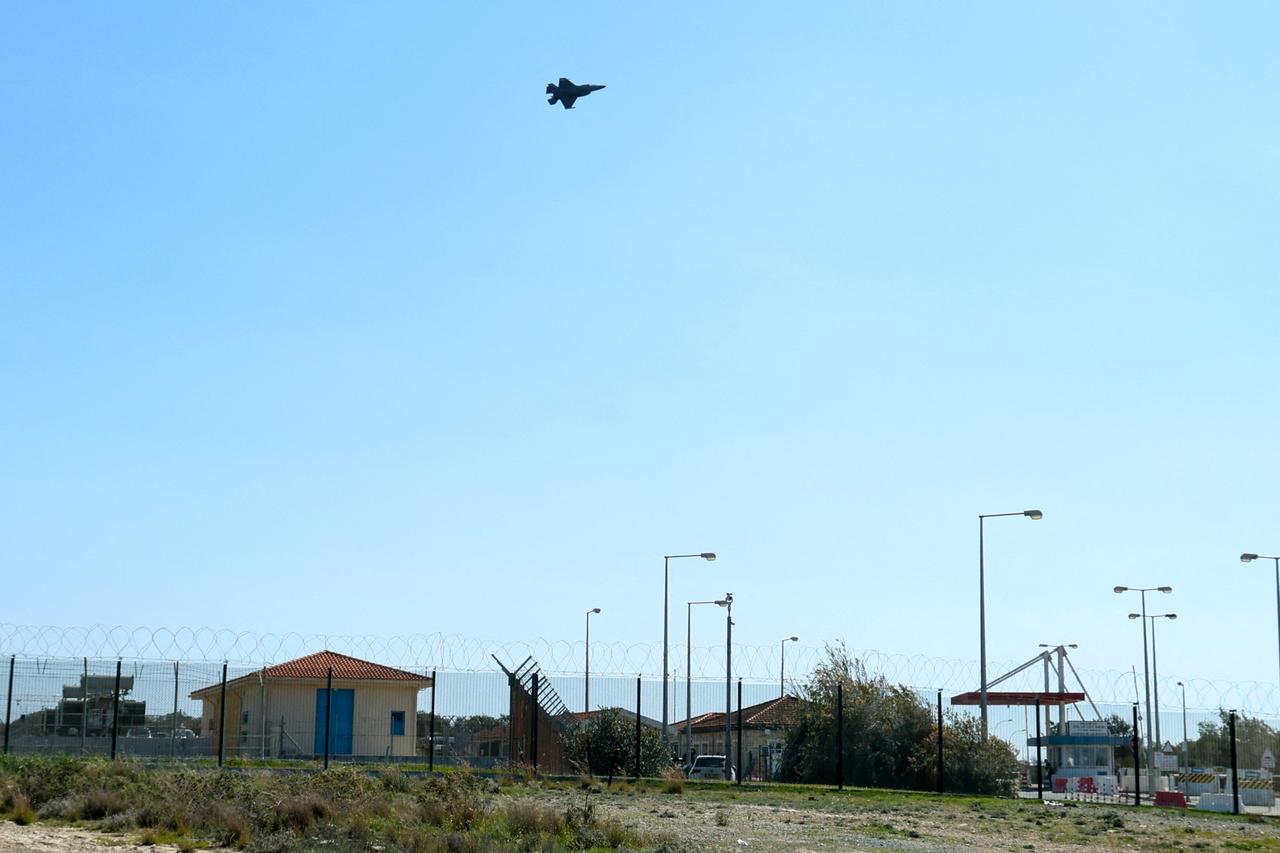
Simultaneously, modernized F-16 Viper (Block 70/72) fighter jets deployed from Crete to the Andreas Papandreou Air Base in Paphos have turned the island into a defense stronghold by carrying out coordinated missions with the Kimon frigate via a Link 16 data link.

The real diplomatic intent behind this military buildup is revealed in the statements by Greek Defence Minister Nikos Dendias who stated that the shipments to the island are not merely a precaution against Iran, but that the increase in Greek-Cypriot military presence has created “an opportune moment for the withdrawal of Turkish troops from the island.”
Clearly going beyond claims of defense, such rhetoric testifies to how a regional crisis is being used as a Trojan horse to change the current status quo in Cyprus to Türkiye’s disadvantage. Ankara has defined the situation as Greece's attempt to take advantage of the crisis to establish a permanent military fortification on the island, rejecting Dendias’s provocative language.
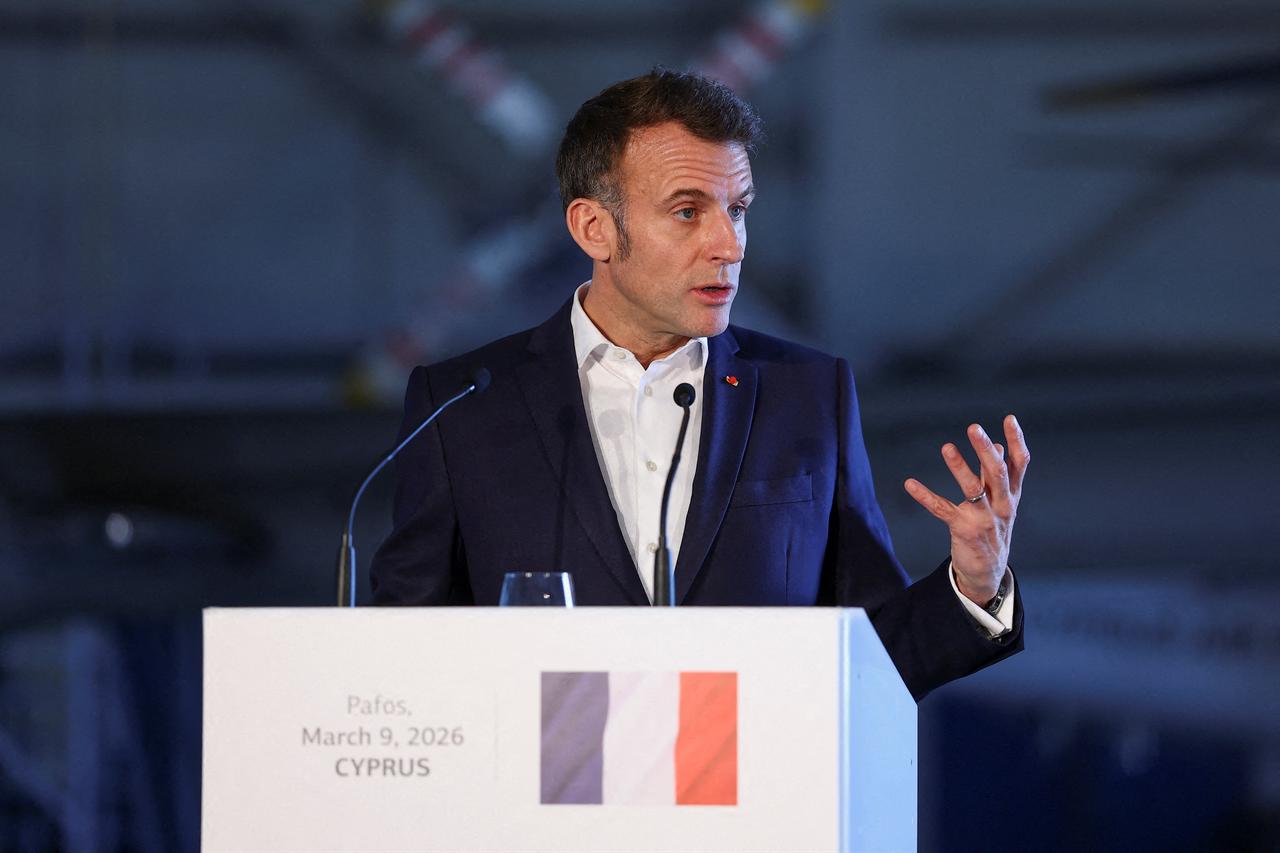
The strategy of transforming the GCASC EU membership into a “security umbrella” has resulted in a European coalition led by France descending upon the region. In line with French President Emmanuel Macron's doctrine that “an attack on Cyprus is an attack on Europe,” the nuclear aircraft carrier Charles de Gaulle and the air defense frigate FS Languedoc were deployed to the Eastern Mediterranean.
Italy dispatched its most advanced FREMM Bergamini-class frigate, Federico Martinengo, while Germany anchored the FGS Nordrhein-Westfalen frigate in Limassol harbor. The Netherlands joined this European umbrella with its air defense and command ship, Zr.Ms. Evertsen.
The most dangerous aspect of militarization, however, is the fortification of the Aegean islands, which clearly violates international law and treaties. Greece, claiming that Iranian missiles threaten Bulgarian and European airspace, has decided to deploy Patriot air defense batteries to the islands of Karpathos and Lemnos, which should remain demilitarized under the 1923 Treaty of Lausanne and the 1947 Treaty of Paris. The Turkish Ministry of Foreign Affairs has described these steps as “null and void,” and emphasized that they are the product of a revisionist mindset.
Athens's attempts to legitimize these unlawful steps with spurious justifications such as “air defense support for Bulgaria” are, in fact, part of an effort to establish a military encirclement line stretching from the Eastern Mediterranean to the Balkans.
The Greece–GCASC tandem is using the Iran crisis as a smokescreen to disrupt the military balance in the Eastern Mediterranean unilaterally. The sophisticated weapon systems amassed on Cyprus under the guise of “defense” and the fortification of islands with non-military status are deepening geopolitical competition rather than enhancing regional security, turning the Eastern Mediterranean into a crisis center with the highest risk of conflict between major powers. The opportunistic diplomacy pursued in this process is seriously eroding international law and regional peace efforts.
On the morning of March 9, Ankara delivered its firm response based on reciprocity to the uncontrolled military escalation in the Eastern Mediterranean and efforts to change the status quo, declaring to the world that it would remain at the center of the geopolitical equation in the region.
The deployment of six fully equipped F-16 fighter jets and advanced air defense systems (HİSAR series) to the Turkish Republic of Northern Cyprus (TRNC) by the Ministry of National Defence was not merely a technical transfer—it was a concrete and notable step taken against attempts to alter the island’s military balance unilaterally.
It is vital to note that Türkiye last carried out a similar-scale air force deployment in 1998, again in response to the Greek Cypriot side's efforts to militarize the region—at the time, in the context of the S-300 crisis.
Twenty-eight years later, Ankara's move, accompanied by the message “We have come for our brother,” sent a clear signal of who is in charge on the island via a coordinated diplomatic and military display of force.
Dendias's provocative remarks triggered a military imperative in Ankara's eyes. Yet, Türkiye’s move delivered the clearest possible response to efforts by Athens and Southern Cyprus to exploit the ongoing regional crisis. Türkiye unequivocally declared to the international community that it will not allow the delicate balance in the Eastern Mediterranean to be disrupted, exercising its authority under the 1960 Guarantee Agreements.
Turkish Defence Ministry sources and security experts emphasize that the primary aim of the deployment is not to enter into a conflict with Iran, but to guarantee the security of the Turkish Cypriot people and prevent Greece from manipulating the crisis to establish a permanent, unilateral military superiority on the island.
A close look at the deployment’s technical details reveals Ankara’s meticulous calibration of the deterrence factor and the symbolic meanings it carries. Five of the six F-16 fighter jets that landed at Ercan Airport loaded with ammunition on the morning of March 9 belong to the Balıkesir 191st Squadron, known for its “Cobra” emblem, which also participated in the 1974 Cyprus Peace Operation.
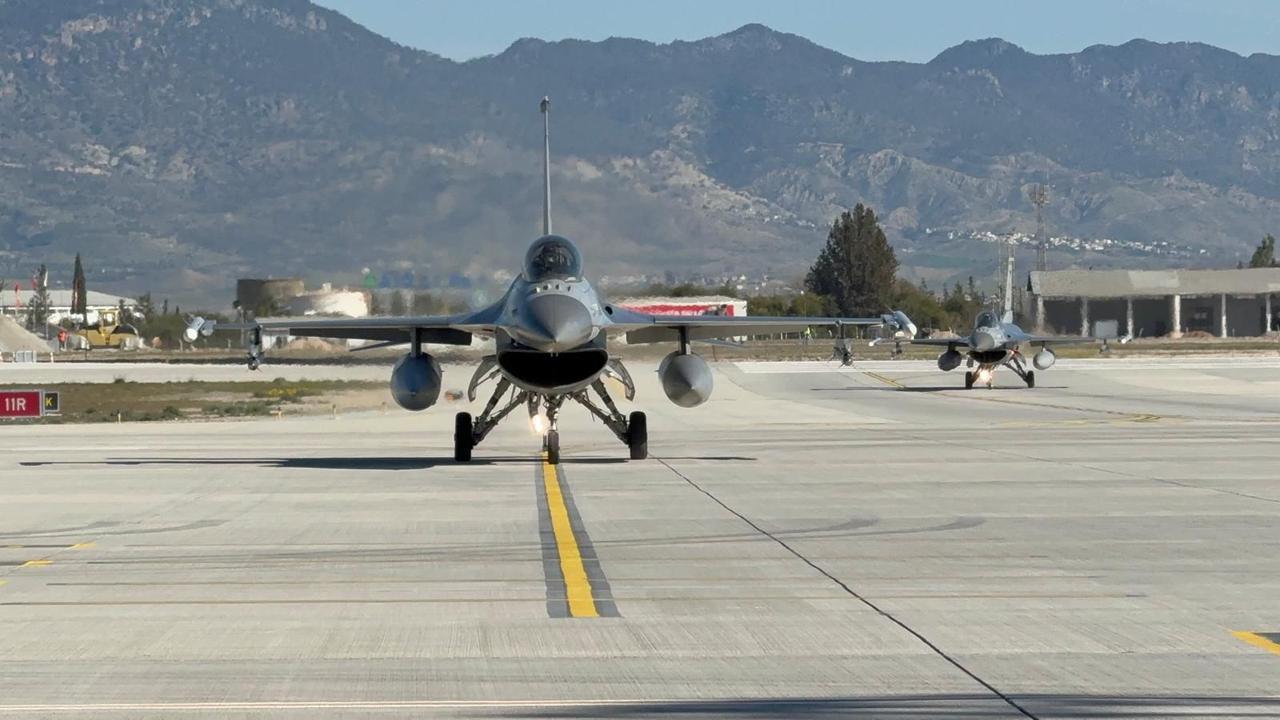
These Block 50 level aircraft are equipped with AGM-88 HARM missiles for SEAD (Suppression of Enemy Air Defenses) missions, carrying a clear technical message against the foreign air defense buildup in the region.
Alongside the aircraft, domestically produced HİSAR-A and HİSAR-O air defense systems, deployed at various points across Ercan Airport, have reinforced the north of the island against all kinds of asymmetric threats by creating a protective shield with a range of 15 to 40+ km.
Türkiye’s strategic move coincided with the visit of President Macron and Greek Prime Minister Kyriakos Mitsotakis to the Greek Cypriot side, emphasizing the “real power on the ground.”
Contrary to what some circles claim, Türkiye’s step was not aimed at opening a front with Iran, but at preventing Cyprus from being turned into a military encirclement zone that excludes Türkiye under the name of an “European Security Platform.”
The Turkish Foreign Ministry's statement that “Turkish Cypriots are capable of ensuring their own security and do not need anyone else” underpins this military presence.
Ultimately, the Eastern Mediterranean has become the most dangerous intersection point of security strategies and geopolitical competition among the major powers today.
The uncontrolled militarization and attempt to arm non-military status islands by Greece and GCASC under the guise of “defense” has entered a new phase with Türkiye’s landmark response based on the principle of reciprocity.
The shipment of F-16s and HİSARs—the first of its kind in 28 years—demonstrated that stability in the Eastern Mediterranean is only possible within a framework that respects Türkiye's guarantor rights and TRNC sovereignty.
Ankara has stated that, if necessary, it will take additional measures within the framework of phased planning. At the same time, with military determination, Türkiye recorded that it will not stand idly by in the face of any fait accompli in the region.


 Set as preferred source
 Set as preferred source


 1 min read
 1 min read