Newsletters


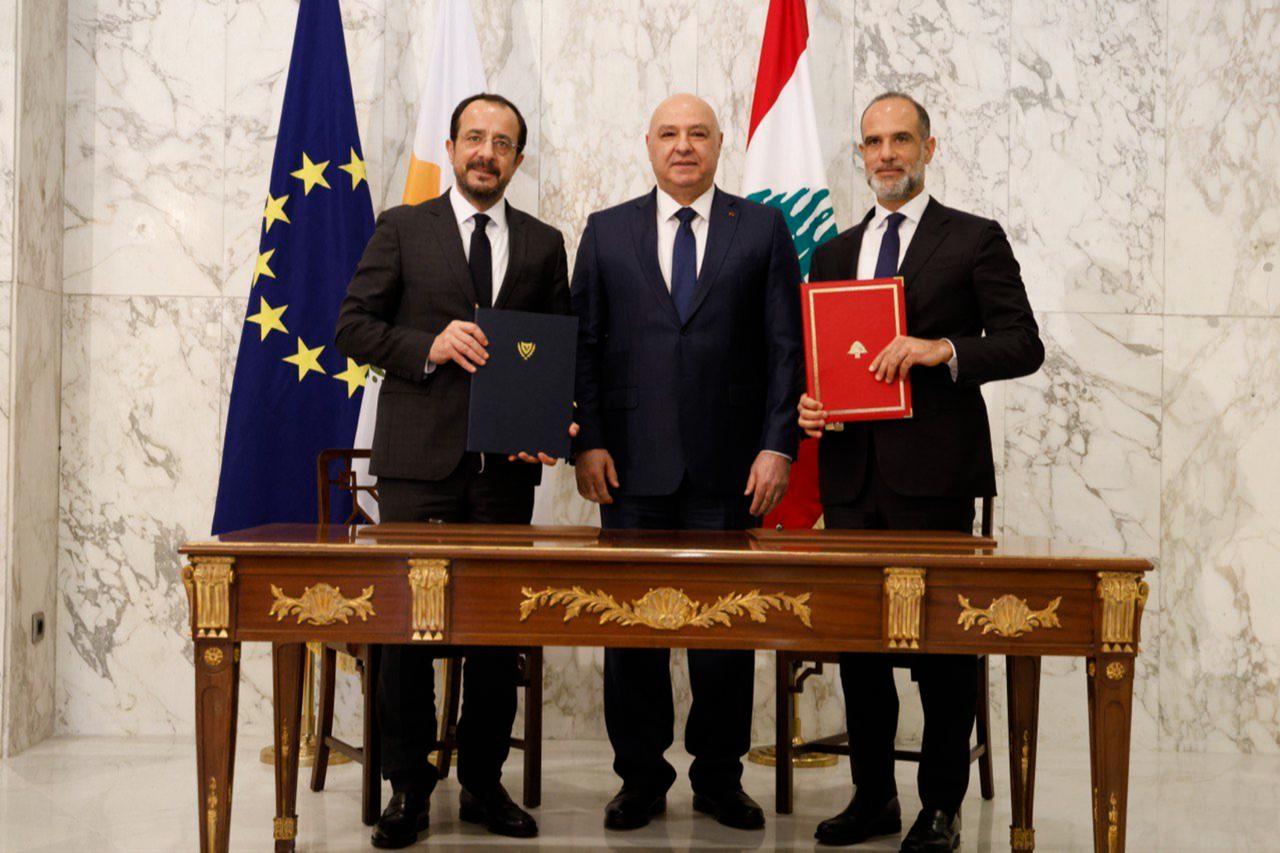
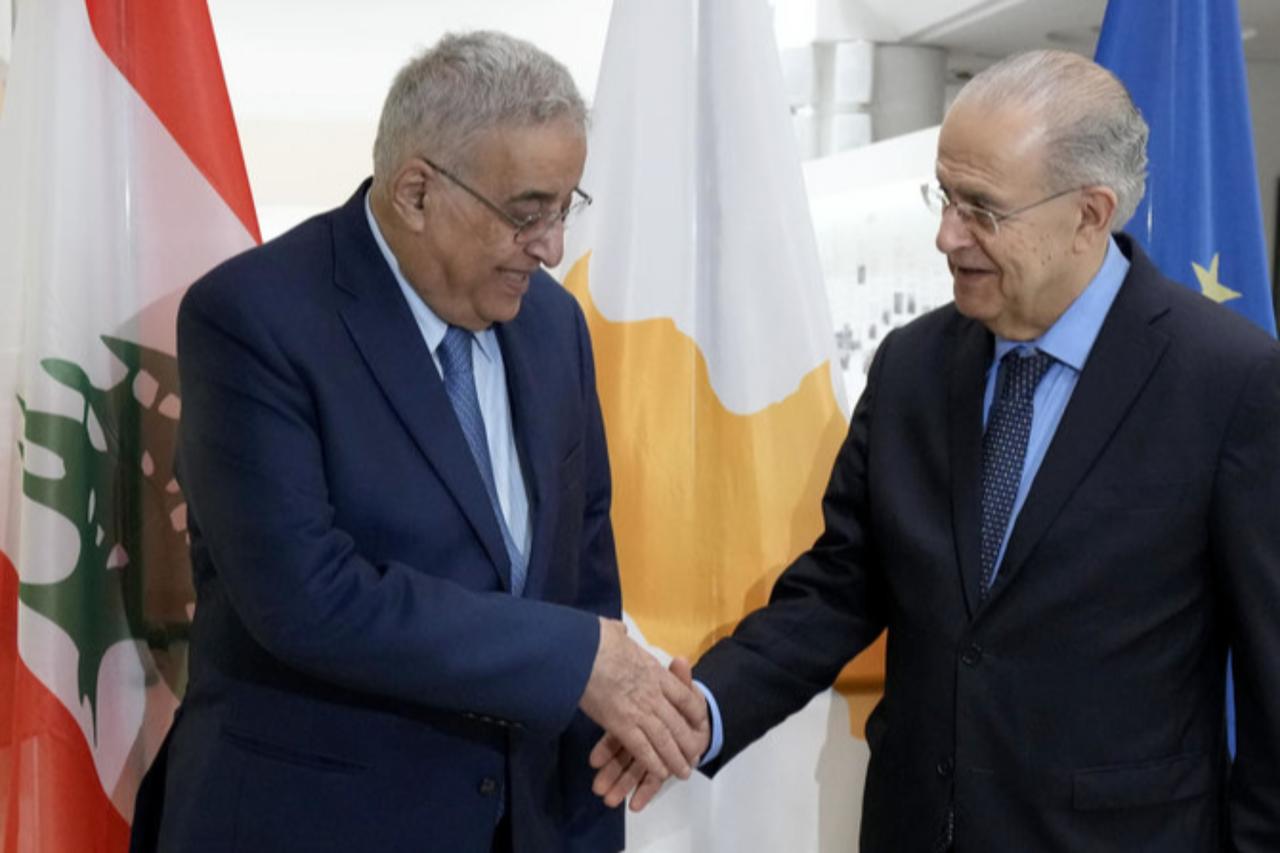
On Nov. 26, 2025, Lebanon and the Greek Cypriot Administration of Southern Cyprus signed a maritime boundary delimitation agreement, hailed by both governments as a historic milestone that could foster regional stability and facilitate hydrocarbon exploration. However, the ink was barely dry on the agreement before it faced internal criticism for not sufficiently safeguarding Lebanon’s interests.
Amid Lebanon's severe economic crisis, the agreement appears to be motivated more by political expediency than by solid legal or strategic considerations. This deal has sparked considerable controversy within Lebanon, focusing on two primary concerns: the substantial loss of sovereign maritime territory and a clear violation of constitutional procedures.
First, the signature process of the agreement was seen as a deliberate circumvention of Lebanon's democratic institutions, particularly the parliament. The Lebanese parliamentary committee on public works had advised against rushing the signing, informing the government of the situation. Saji’a Atiyya, the head of the parliamentary committee, a Christian representative from northern Lebanon, expressed surprise at the signing, emphasizing that the agreement should have been ratified by parliament.

This move has drawn unified opposition from a broad coalition of Lebanese political figures and legal experts who question the deal's legitimacy. At the heart of the dispute is Article 52 of the Lebanese Constitution, which explicitly requires parliamentary approval for international treaties and agreements. Members of parliament from diverse political blocs, such as Georges Okaiss of the “Lebanese Forces”, an anti-Hezbollah Christian party, and Ali Hassan Khalil of the Amal Movement, a Shiite party, have publicly denounced the process. They argue that by having the Minister of Public Works sign the deal, the government deliberately circumvented legislative oversight, undermining the fundamental principle of separation of powers.
Legal bodies like "Pioneers of Justice," based in Beirut, have strongly supported this sentiment, describing the signing as a "breach of ministerial duties." The group stressed that such sovereign treaties require parliamentary scrutiny to safeguard Lebanon's natural resources and prevent the executive from concluding major international pacts without accountability. The prevailing view among objectors is that the agreement remains legally ineffective and sets a dangerous precedent until it is properly debated and ratified by the Lebanese parliament.
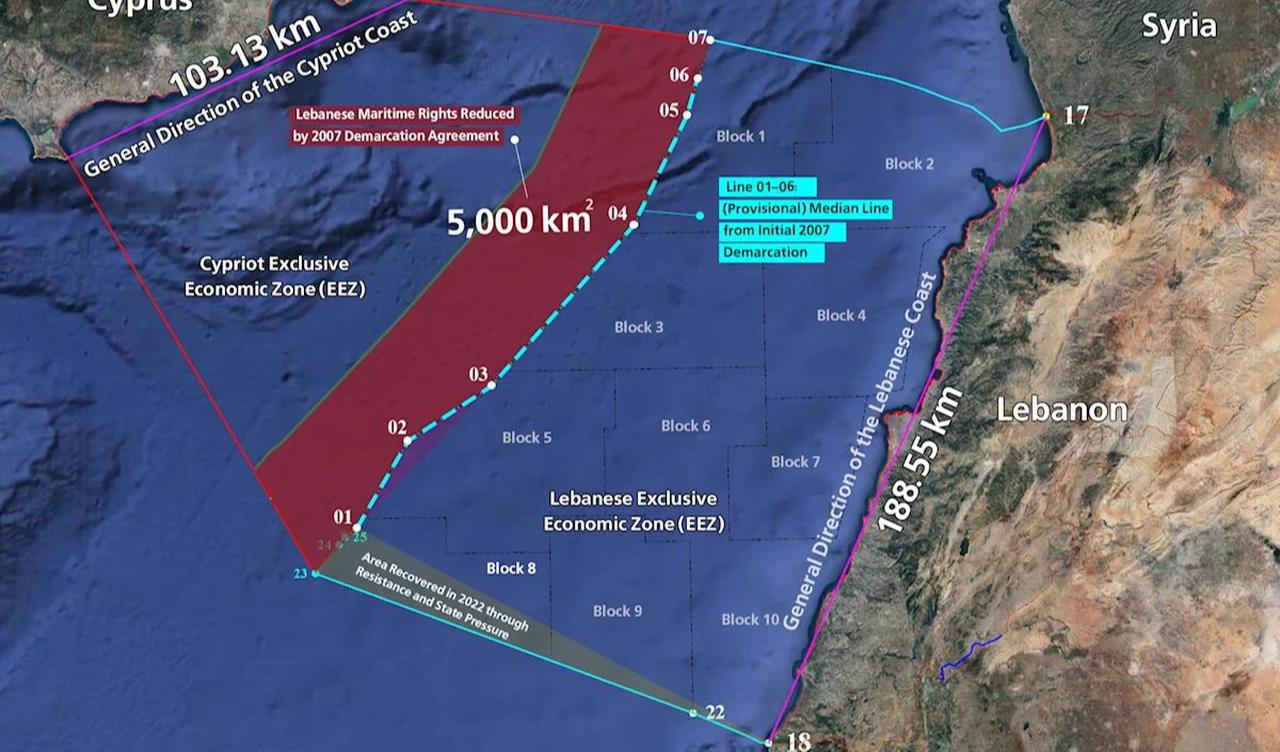
Second, and more alarmingly for many Lebanese, are the claims of significant territorial surrender. The agreement, which largely revives the flawed 2007 draft, has been criticized by leading experts for ceding a substantial portion of Lebanon's exclusive economic zone (EEZ).
Professor Issam Khalifa, one of Lebanon's most distinguished experts on the topic, calculated that the country lost approximately 2,640 square kilometers based on a 2014 study conducted for Lebanon's Foreign Ministry by Ambassador Saad Zakhia. However, Khalifa noted that subsequent studies suggest the losses could be far greater. Brig. Gen. Maher Ghaith, who headed the Lebanese Army's Hydrography Department in 2023, estimated that Lebanon forfeited up to 5,000 square kilometers, an area representing nearly half of the country's total land mass.
Paradoxically, the agreement with the Greek Cypriots stands in stark contrast to the delimitation Lebanon itself undertook in 2009 and deposited with the United Nations in 2010, which claimed a significantly larger maritime area. Khalifa further revealed that Lebanese officials ignored recently a critical advice from Rudiger Wolfrum, the former president of the International Tribunal for the Law of the Sea, who had urged caution and recommended engaging international experts before finalizing any agreement. These warnings went unheeded, resulting in what critics describe as a catastrophic giveaway of sovereign resources.
The agreement exemplifies the challenges the Greek Cypriot administration has posed since it undertook the first unilateral action of delimitation in 2003, 2007, and 2010, causing serious complications in this geopolitically critical region. Although the Greek side argues that it is a member of UNCLOS and has always adhered to it, International Law clearly states, a maritime boundary delimitation agreement between the two states should not violate the rights and interests of a third state. Clearly, all of the Greek Cypriot's unilateral measures violated this rule, resulting in overlapping zones with other countries.

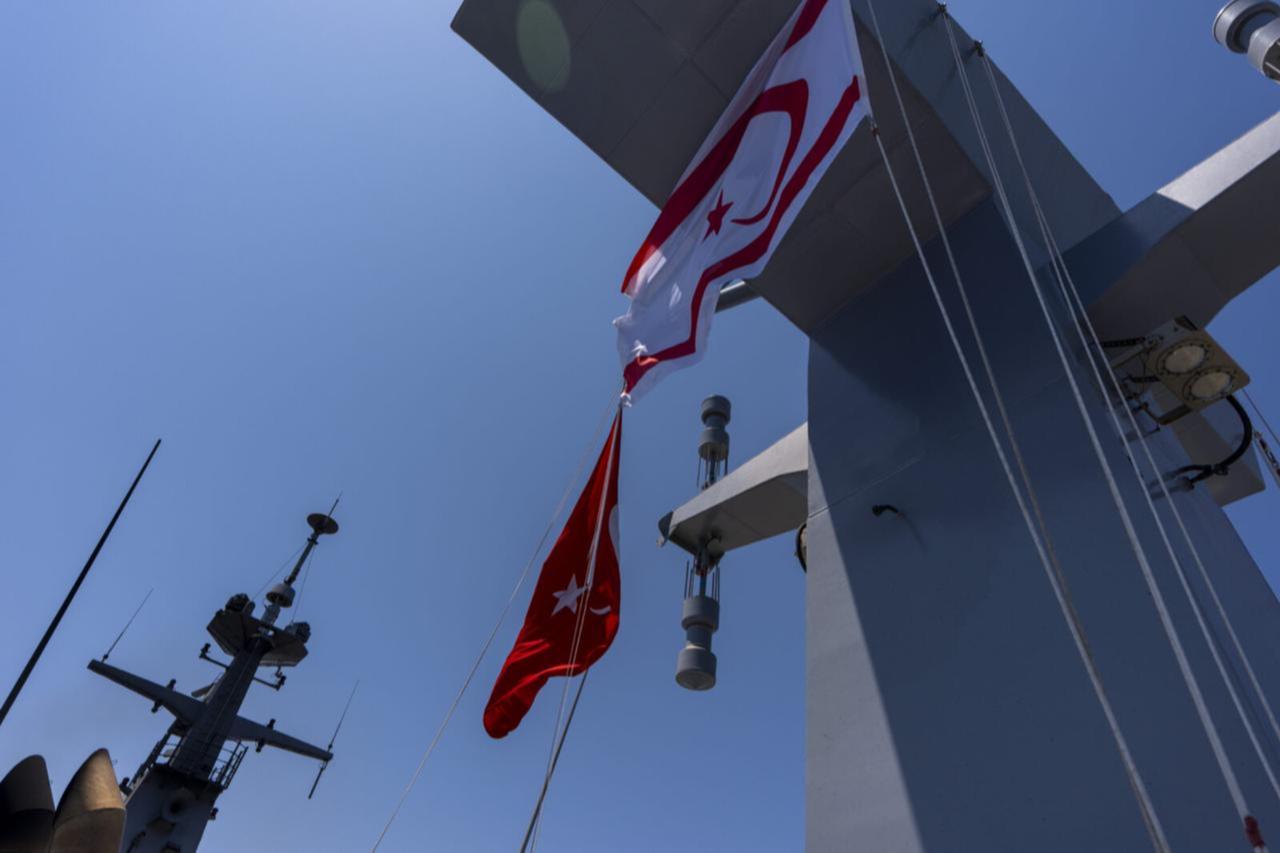
Moreover, the southern administration faces a significant internal contradiction. Ironically, while Greek Cypriots refuse unification plans for the island and reject the alternative of an independent state in the north, they position themselves as representatives of the whole island in delimitation negotiations with other countries. This stance undermines the rights of Turkish Cypriots, who are an equally regarded component of the Cypriots on the island. The Greek Cypriots seem to want to have it both ways.
In other words, these agreements deliberately draw baselines from the entire coastline of Cyprus island, effectively claiming the full maritime jurisdiction of the island for the exclusive benefit of the Greek Cypriot side. This is a direct violation of the rights of the Turkish Cypriots, who have an inherent and undeniable claim to a significant portion of these resources.
The Turkish Cypriots have repeatedly proposed the establishment of a joint committee for the equitable management and revenue-sharing of hydrocarbon resources, proposals that the Greek Cypriot side has consistently rejected. This rejection reveals a clear political objective, which is to leverage the island's potential energy wealth to solidify its political status and further isolate the Turkish Cypriots, rather than using it as an incentive for a comprehensive settlement. This complex situation could not have arisen without the unconditional EU support for the Greek Cypriots. In this context, the EU shares responsibility for the current regional mess in the Eastern Mediterranean.
While the current agreement does not directly harm Türkiye, it violates the rights of Turkish Cypriots, among other irregularities. Hence, it is only natural for Ankara to criticize such an agreement. Commenting on the issue, Turkish Foreign Ministry spokesperson Oncu Keceli stated, “Any agreement signed by Lebanon or other littoral states with the Greek Cypriot Administration closely concerns the equal rights and interests of Turkish Cypriots on the island.”
The delimitation agreement with Lebanon adds a new layer of complexity to regional dynamics and creates a new geopolitical problem, especially concerning Syria. This agreement preemptively fixes a crucial tripoint in the Mediterranean, disregarding Syria's overlapping claims and creating a significant future obstacle. While the agreement contains a clause for future adjustments to this tripoint following a Lebanese-Syrian accord, this assurance is weak.
It places the onus on Syria to negotiate from a disadvantaged position, where one of its key maritime coordinates has already been established without its consent. Given the new post-Assad leadership in Syria’s desire to reset relations with neighbors and avoid being drawn into Lebanon’s internal conflicts, this move by Greek Cypriot Administration and Lebanon is ill-timed and risks escalating tensions.
In its haste to secure a potential economic windfall, the Lebanese government has embraced a deal that is constitutionally dubious, territorially disadvantageous, and regionally inflammatory. This agreement does not represent a step toward regional stability; rather, it reinforces the unilateralism that has fueled tensions in the Eastern Mediterranean for years. It rewards Greek Cyprus' strategy of leveraging its EU membership to dispossess the Turkish Cypriots, deepening the region's geopolitical fault lines. For Lebanon, this deal is a strategic blunder, a shortsighted gamble that trades a faint hope of future prosperity for the certainty of immediate and ongoing conflict.


 Set as preferred source
 Set as preferred source


 1 min read
 1 min read