Newsletters


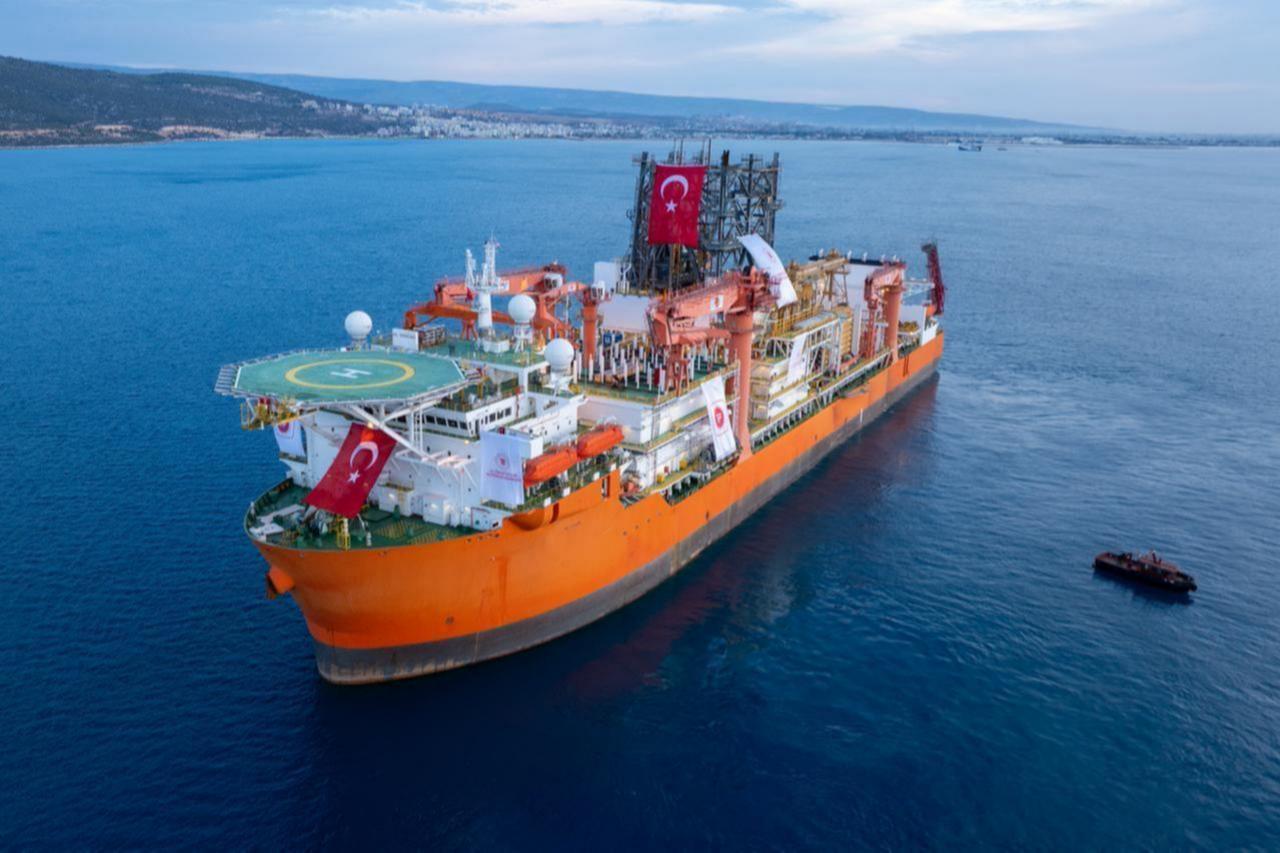


Türkiye’s Black Sea problem now begins before cargo reaches the water, because insurers and charterers price danger into a voyage before any disruption reaches the Bosphorus.
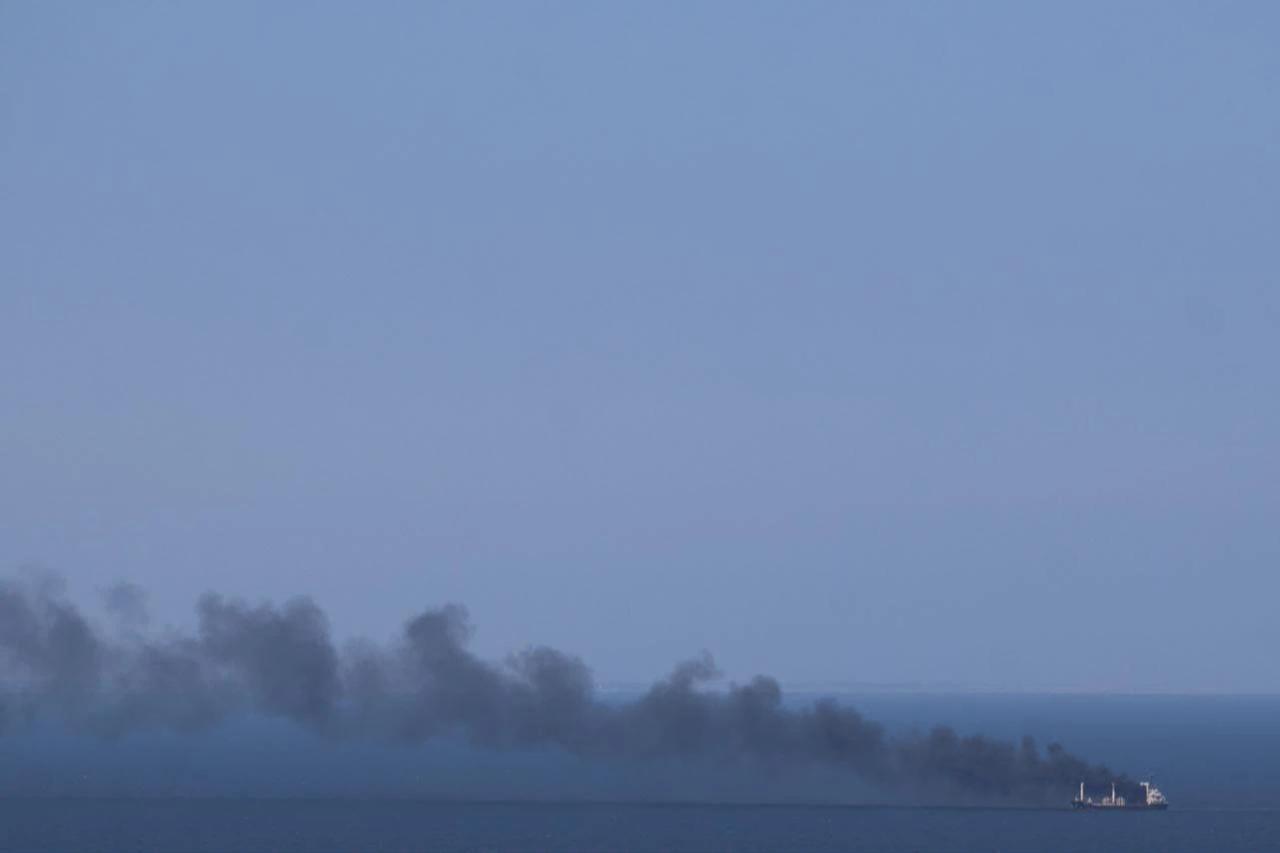
The incidents involving the Royad Mammadov near Romania and the Alfa Watan and Able near Bulgaria are important for Ankara because they sit close to the western routes that connect Ukrainian and Danube trade with the Turkish Straits.
Türkiye can be hurt even while the Black Sea remains open, because higher insurance and slower chartering reduce the value of a functioning route.
Türkiye’s exposure is concentrated in two places where Black Sea risk quickly becomes domestic cost: food processing and energy logistics. A disruption around Odesa can affect grain availability and milling margins. A disruption around Novorossiysk can complicate oil supply.
A rise in war-risk premiums can make the western coastal route more valuable while also increasing the burden on Turkish maritime authorities. Therefore, the economic question is less about a dramatic closure of the sea and more about a steady increase in the cost of using it.
Ukraine’s sea corridor has become too important to treat as a temporary workaround. Since September 2023, it has moved nearly 179 million tonnes of cargo, including 107 million tonnes of grain. That volume shows that the route has again become one of Ukraine’s main export outlets.
When the Odesa ports come under pressure, rail, road and Danube routes keep trade alive, although Ukrainian officials and market sources estimate that these alternatives can carry only about half of the Odesa cluster’s normal monthly capacity and add around $45 to $50 per tonne for producers.
For grain that traded in the low $200s per tonne during parts of the summer, that extra cost can absorb a large share of the producer’s margin before the shock reaches the final buyer.
Türkiye has a direct stake in this chain because its wheat, flour and pasta economy relies heavily on Black Sea supply. The United Nations Food and Agriculture Organization (FAO) forecasts Türkiye’s wheat import requirement at 7 million tonnes in 2026, with demand supported by milling and processing industries.
The United States Department of Agriculture (USDA) describes Türkiye as the world’s largest wheat flour exporter, supported by an inward processing regime that allows imported wheat to be processed and re-exported.
Turkish millers therefore watch Black Sea reliability as closely as price, because missed arrivals can weaken export margins in African and Middle Eastern markets.
London’s marine insurers widened the Black Sea high-risk zone in September after attacks on commercial shipping increased, while Turkish, Romanian, Bulgarian and Georgian territorial waters remained outside the listed area.
That exclusion makes the western coastal route toward the Turkish straits more valuable, since ships leaving Odesa or the Danube spend less time in the costlier risk area. It also raises Türkiye’s maritime importance, though only if incidents can be verified quickly enough to deal with damaged or distressed vessels before they reach Turkish lanes.
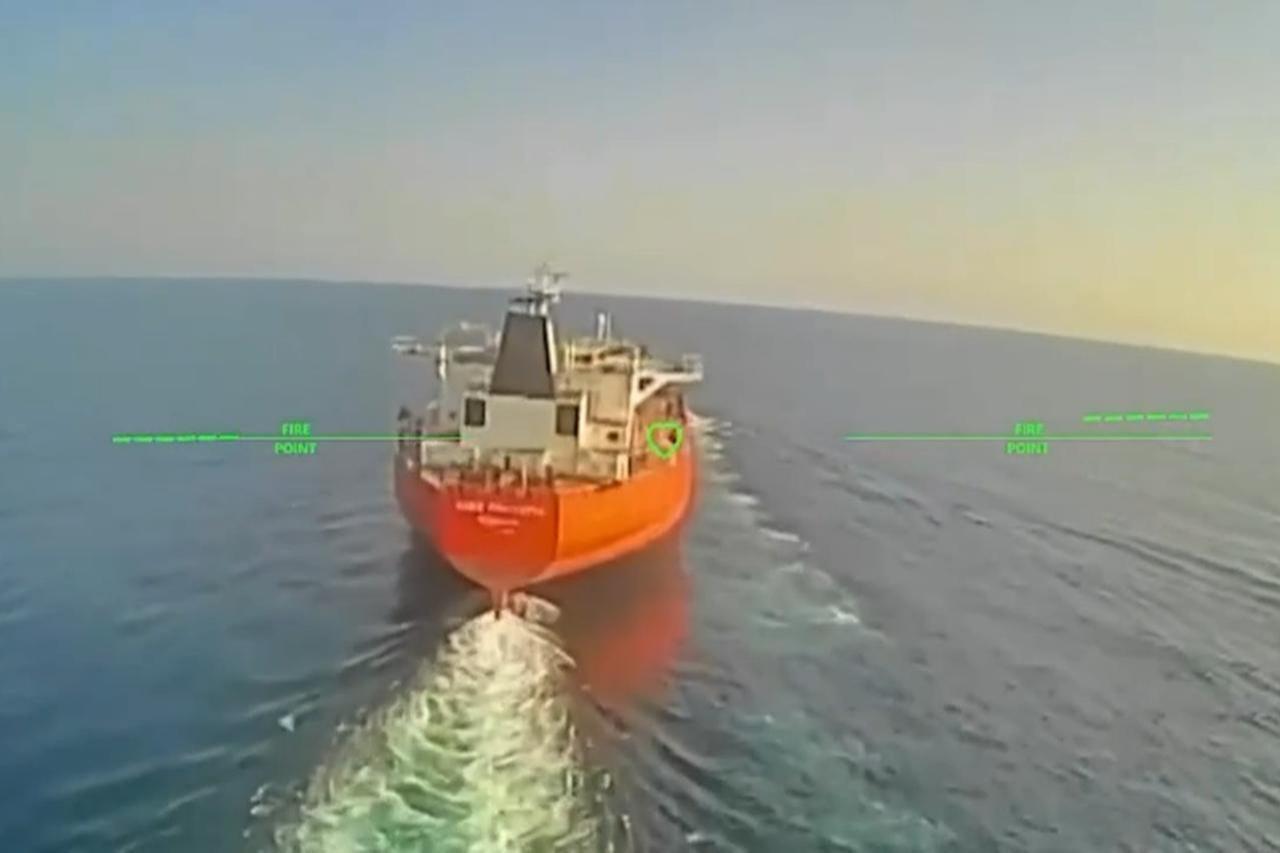

Energy gives Türkiye a more direct exposure to Black Sea insecurity because Novorossiysk links maritime risk to crude supply.
The Caspian Pipeline Consortium system carries Kazakh oil to the Black Sea through a marine terminal near Novorossiysk, so disruption around that coast can affect more than Russian cargo.
Türkiye also cannot treat disruption around Russian Black Sea ports as a marginal problem while Russia still supplies the largest monthly volume of its crude oil and petroleum product imports. In July 2026, Türkiye imported 1.66 million tonnes from Russia, well ahead of Iraq and Kazakhstan.
Natural gas gives Ankara a separate reason to keep the Black Sea predictable. BOTAS states that TurkStream has two lines with a total annual capacity of 31.5 billion cubic meters.
Türkiye’s Sakarya Gas Field has reached 9.5 million cubic metres of daily production, while Romania’s Neptun Deep project has advanced with the installation of its offshore production platform in the Black Sea.
As Turkish and Romanian offshore gas grows, offshore production security begins to matter as much as merchant shipping security.
 1 min read
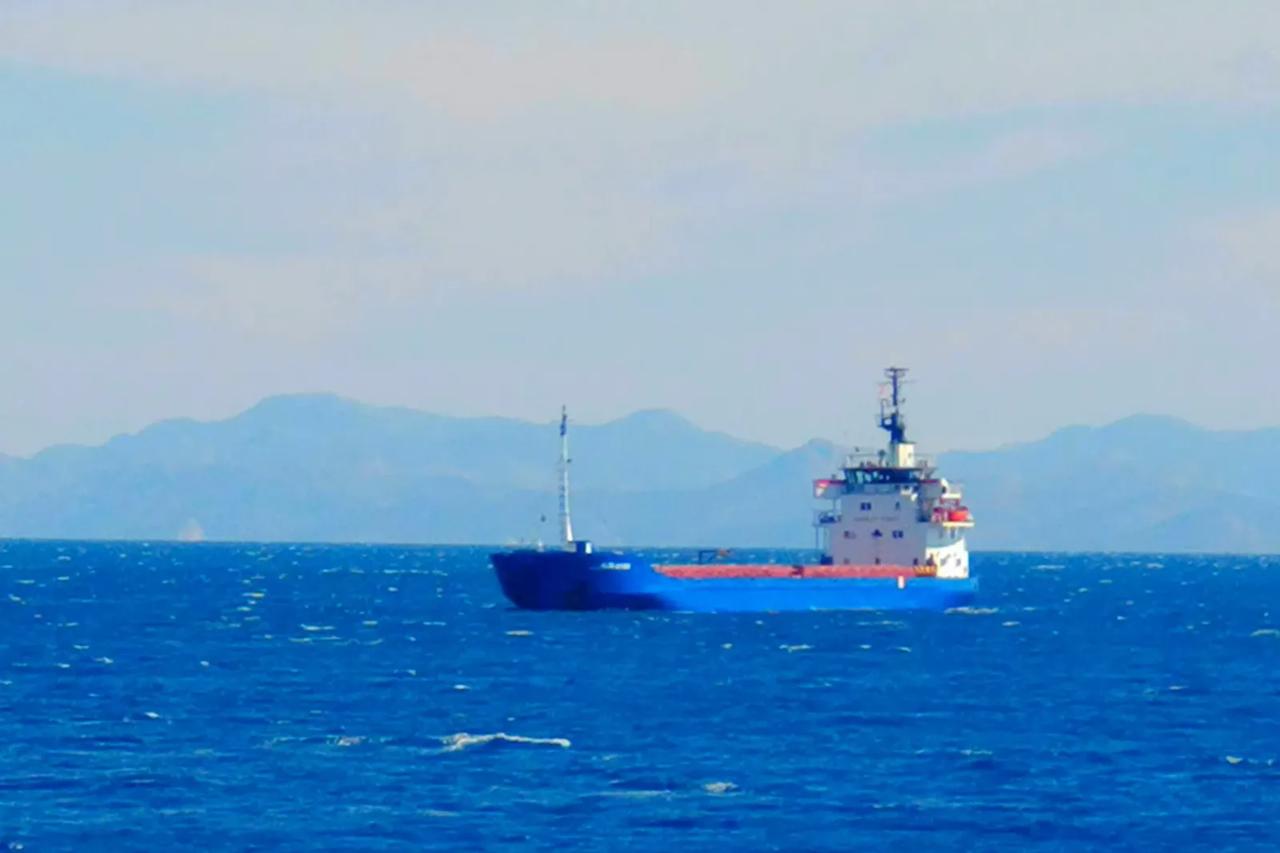
Türkiye cannot control the war-risk premium by itself, but it can reduce uncertainty around vessels, routes and rescue coordination.
Ankara’s advantage comes from reducing uncertainty around the parts of the system it can influence. In the first half of 2026, 40,218 vessels passed through the Istanbul and Çanakkale Straits.
That means more than 220 strait passages a day on average. Such volume gives Türkiye leverage only if shipping companies and coastal states trust Turkish coordination.
Türkiye needs verified public information on incidents involving Turkish-owned or Turkish-managed ships, updated risk guidance for vessels linked to Turkish companies and tighter coordination with Romania and Bulgaria.
The decision by Türkiye, Romania and Bulgaria to expand their Black Sea mine countermeasure task force to include critical infrastructure protection points in the right direction because trade routes and energy infrastructure are increasingly connected.
The Black Sea will probably keep trading under pressure. Türkiye’s aim should be to make that trade less erratic and less expensive where Turkish policy can still make a difference.
If Ankara keeps the western Black Sea route, the Turkish Straits and nearby energy infrastructure predictable, its role will grow without dramatic gestures. In a sea where uncertainty itself has become a surcharge, reliability is the most useful form of influence Türkiye can offer.


 Set as preferred source
 Set as preferred source


 1 min read