Newsletters


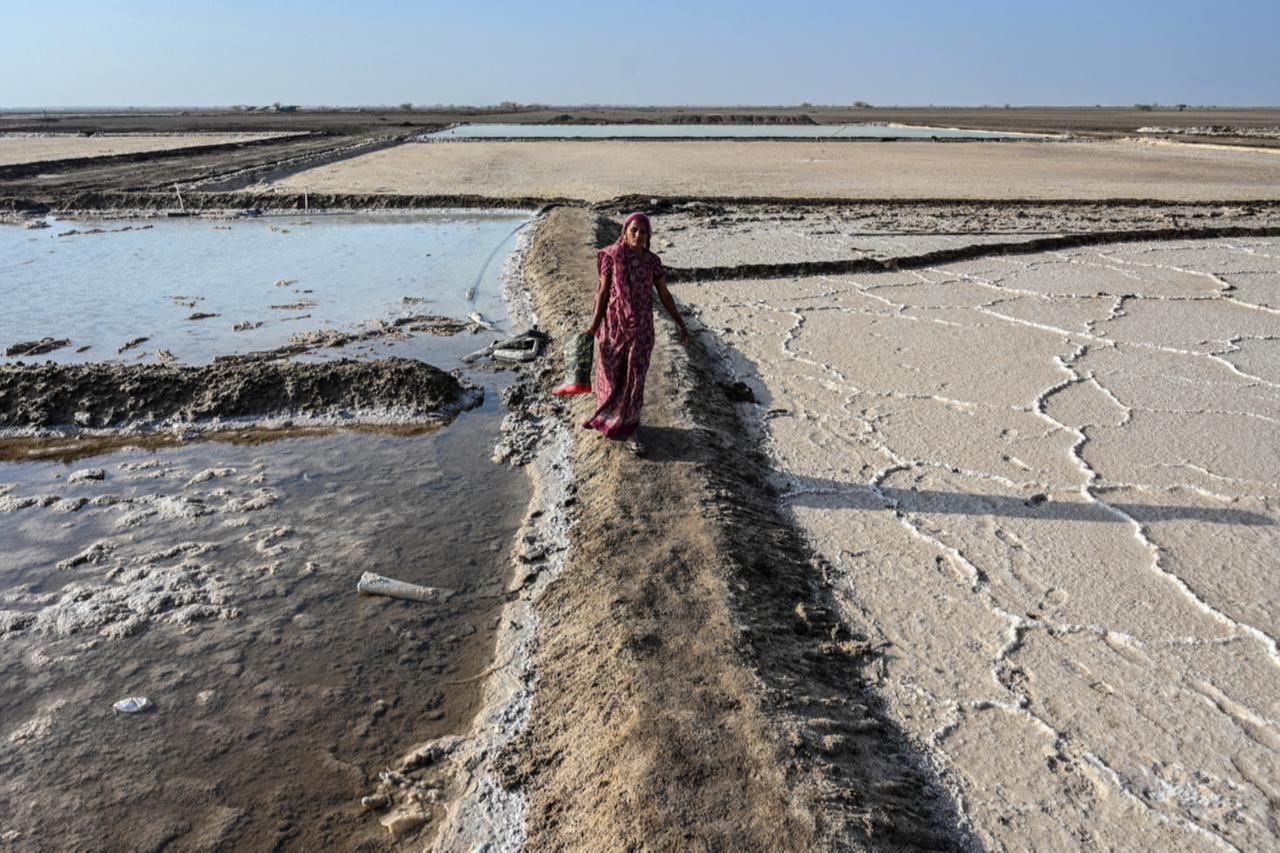


For more than six decades, the Indus Waters Treaty stood as one of the few durable institutional arrangements between India and Pakistan. Signed in 1960 after extensive World Bank mediation, the agreement survived wars, military crises, insurgencies, and prolonged diplomatic breakdowns between the two nuclear-armed rivals.
Its endurance rested on a simple strategic understanding: shared rivers cannot be governed through unilateral pressure without creating wider instability.
That understanding is now experiencing a growing strain.
India’s decision to place the treaty “in abeyance” following the April 2026 Pahalgam attack has transformed what might once have been treated as another bilateral dispute. It is now a major test case for how international law survives periods of severe regional crisis.
At issue is not only the future of the Indus Basin, but whether major states can selectively suspend institutional commitments while continuing to advocate a rules-based international order elsewhere.
The implications extend well beyond South Asia.
The Indus Waters Treaty was never intended to reflect political trust between India and Pakistan. It was designed precisely because such trust did not exist.
The agreement allocated the eastern rivers Ravi, Beas, and Sutlej to India while granting Pakistan primary rights over the western rivers Indus, Jhelum, and Chenab.
India retained limited rights to non-consumptive use and run-of-river hydropower generation on the western rivers, but the treaty imposed strict restrictions on storage and operational interference that could significantly affect downstream flows.
The logic was fundamentally geopolitical.
India occupied the upstream position, while Pakistan’s agricultural economy became heavily dependent on rivers originating across the border.
The treaty, therefore, acted not simply as a water-sharing arrangement but as a mechanism intended to restrain the political consequences of upstream geographic advantage.
For decades, it performed that role effectively.
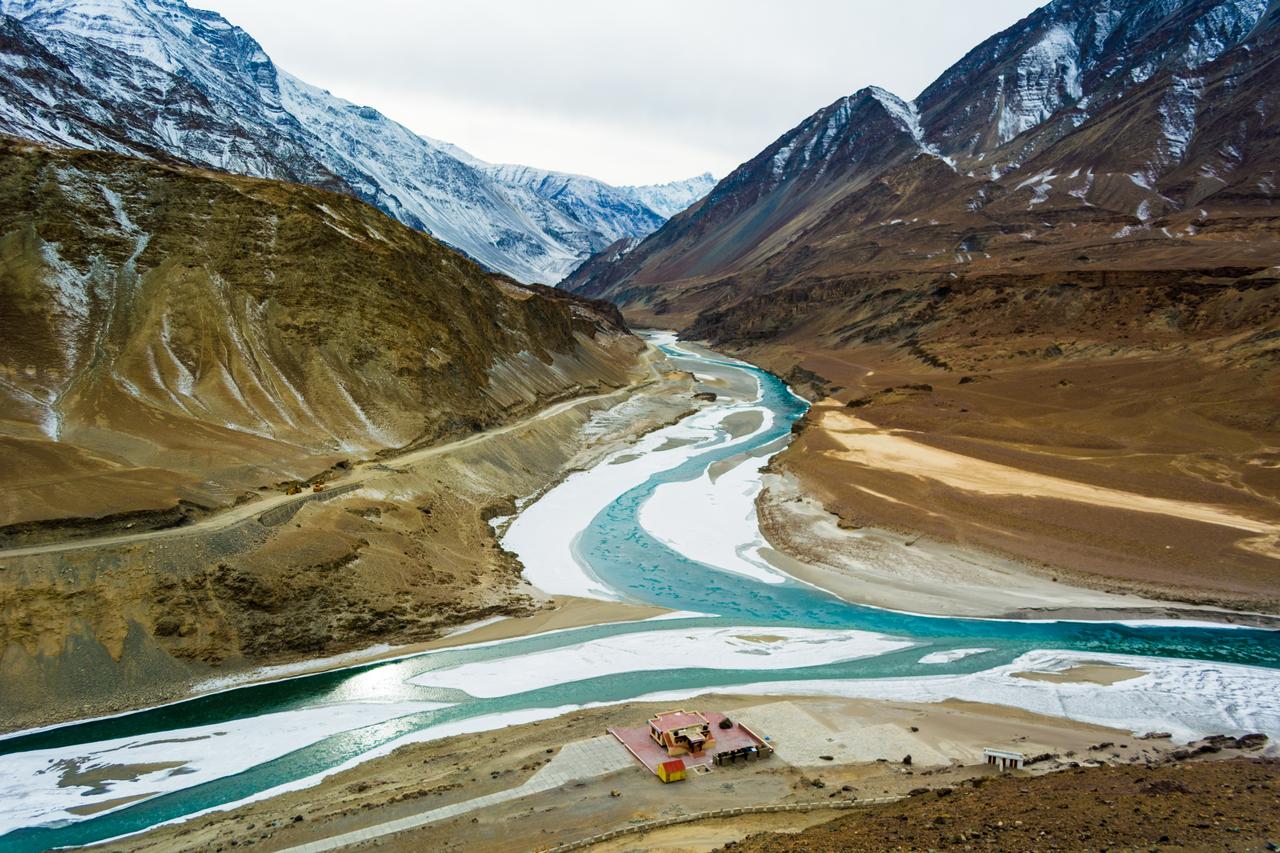

India’s post-Pahalgam decision to place the treaty in “abeyance” immediately raised questions because the agreement itself contains no provision permitting unilateral suspension.
Article XII requires mutual consent for modification or termination, while broader principles of international treaty law under the Vienna Convention similarly place strict limitations on unilateral withdrawal from binding agreements.
Pakistan responded by invoking the treaty’s dispute-resolution framework, leading to the Permanent Court of Arbitration’s supplemental award of May 15, 2026. India chose not to participate in the proceedings.
From New Delhi’s perspective, the treaty increasingly reflects hydrological, climatic, and strategic realities very different from those that existed in 1960.
Indian policymakers have argued for years that demographic growth, climate pressures, infrastructure needs, and persistent security tensions justify revisiting aspects of the agreement.
Those concerns are not entirely without merit. Few international agreements remain perfectly suited to changing geopolitical conditions after six decades.
But the broader issue is procedural rather than political. International agreements derive credibility from continuity during periods of tension, not merely during periods of stability. Once treaty obligations become conditionally binding based on political circumstances, the reliability of institutional governance itself begins to weaken.
That concern explains why the dispute is attracting growing international attention.
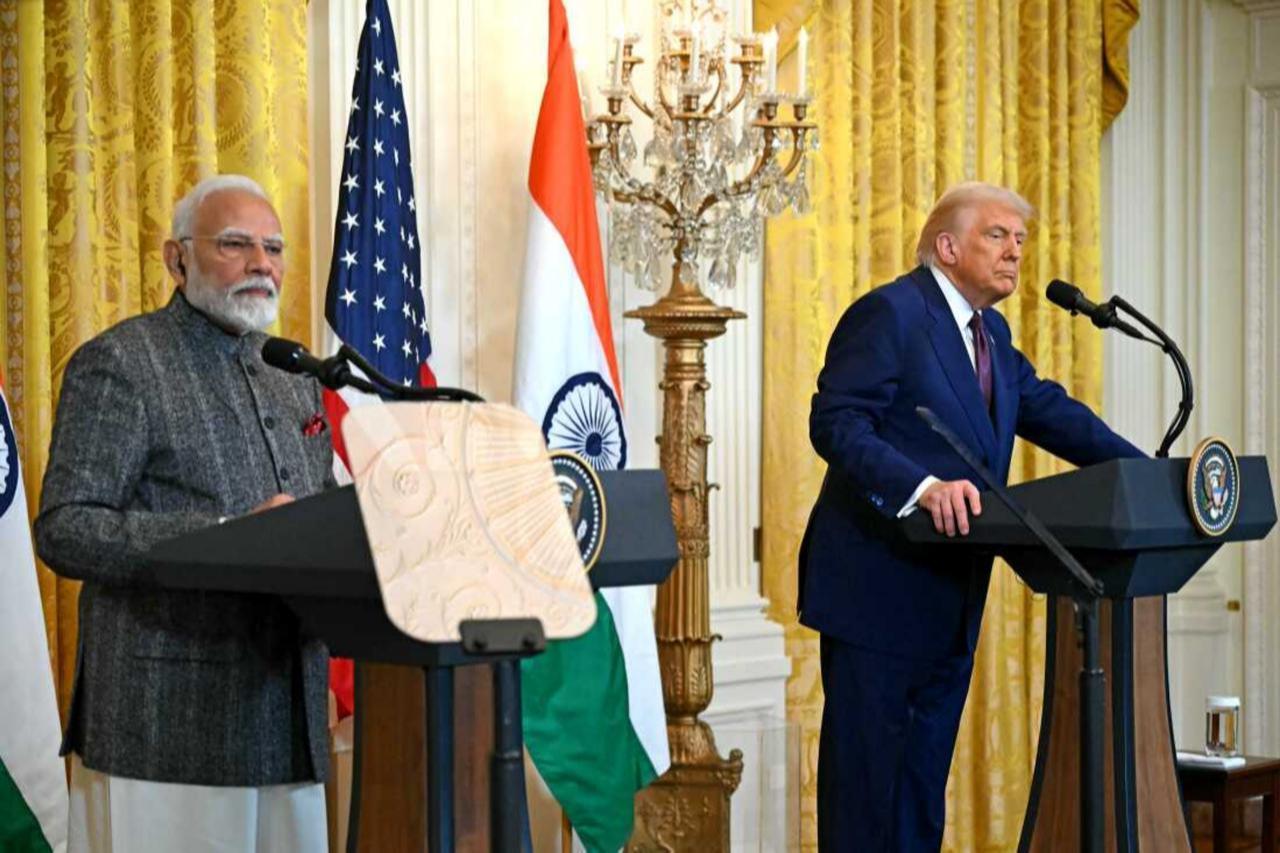
India today occupies an increasingly important role in Western strategic thinking. It is viewed as a major Indo-Pacific power, an economic counterweight to China, and an important participant in emerging regional security frameworks.
That larger role inevitably brings closer scrutiny of how India approaches international commitments in its own region.
The concern among many observers is not simply the legal dispute itself, but the precedent created by unilateral treaty “abeyance.” International jurisprudence has historically treated shared-resource agreements as obligations intended to survive political crises precisely because rivers, unlike diplomacy, cannot be paused.
The International Court of Justice’s ruling in the Gabčíkovo–Nagymaros case reinforced this broader principle by emphasizing continuity in shared-resource governance even amid serious disputes between states.
This does not imply that India lacks legitimate security concerns or sovereign interests. Every state reassesses strategic arrangements in response to changing conditions. The question, however, is whether those objectives are pursued through institutional mechanisms or outside them.
Major powers are ultimately judged not only by their capabilities, but by their willingness to operate within rules they expect others to follow.
The dispute is no longer confined to legal interpretation. It is increasingly about how infrastructure changes strategic leverage over time.
India has accelerated work on several projects across the western rivers, including Pakal Dul, Kiru, Kwar, and Ratle. Indian officials maintain that these projects remain within the treaty’s technical provisions governing run-of-river hydropower generation. Pakistan, however, argues that the cumulative operational effect matters as much as the legality of any single project.
The concern is not theoretical. During recent periods of heightened tension, Pakistani officials raised objections over irregular flow patterns and interruptions in hydrological data-sharing mechanisms that are normally intended to reduce uncertainty between the two countries.
Even temporary disruptions in timing can create downstream anxiety in an agricultural system heavily dependent on seasonal predictability.
That is what makes the infrastructure issue strategically significant. Modern hydrological coordination is no longer only about water volume. It is increasingly about timing, operational flexibility, and upstream influence over downstream stability.
The treaty was negotiated in a very different technological era. Today, coordinated dam networks and advanced operational systems can alter the strategic meaning of river management in ways the original agreement did not fully anticipate.
In transboundary river systems, uncertainty itself can become a source of geopolitical pressure.

The timing of the dispute is especially sensitive because South Asia is already entering a period of growing climate stress.
Pakistan’s agricultural economy depends heavily on predictable seasonal flows during key planting periods. Variations in discharge timing can disrupt irrigation cycles, increase groundwater dependence, and place additional pressure on food security. Glacier melt, shifting monsoon patterns, and population growth are already intensifying water insecurity across the region.
That reality makes institutional predictability more important than ever.
The Indus Waters Treaty mattered not only because it allocated rivers, but because it created procedures designed to reduce uncertainty during periods of political hostility. The weakening of those procedures, therefore, carries implications extending well beyond a single bilateral dispute.
India’s current posture also presents a longer-term strategic dilemma for New Delhi itself.
Although India occupies the upstream position relative to Pakistan, it is simultaneously a downstream state relative to China on major river systems originating in Tibet, including the Brahmaputra and Sutlej. Beijing’s expanding hydropower ambitions in the region have already generated concern within Indian strategic circles regarding future water security and upstream leverage.
This is why precedent matters in international water governance.
If unilateral reinterpretation or suspension of treaty obligations becomes normalized, the same logic could eventually be invoked elsewhere by larger upstream powers. International water agreements function partly because states expect continuity and reciprocity even amid geopolitical competition.
For India, weakening those norms in one context could complicate efforts to defend them in another.
 1 min read
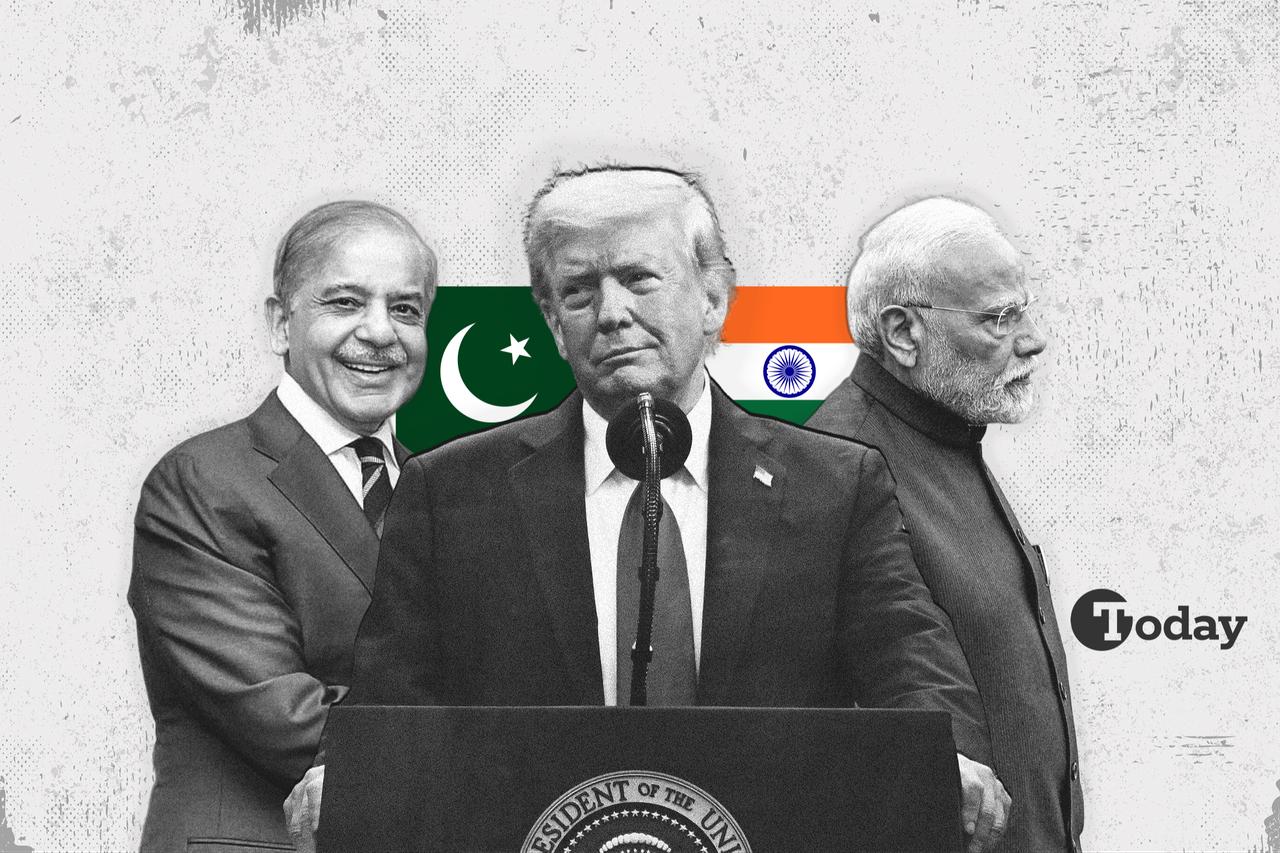
The implications of the current dispute extend beyond South Asia’s immediate politics.
More than 300 transboundary water agreements govern major river systems worldwide, including the Nile, Mekong, and Danube basins. These frameworks already face growing pressure from climate change, resource competition, demographic expansion, and geopolitical fragmentation.
For the United States and its allies, the larger concern should not be choosing sides between India and Pakistan but preserving the broader principle that major resource-sharing agreements remain governed by institutional process rather than unilateral political discretion.
That principle matters directly to the future of climate governance, regional stability, and the credibility of rules-based international systems in an increasingly contested geopolitical environment.
The Indus Waters Treaty long served as evidence that even deeply hostile rivals could maintain institutional cooperation over existential shared resources. Its gradual erosion risks sending the opposite message at precisely the moment global governance structures are already under mounting pressure.
Pakistan has pursued treaty mechanisms, arbitration, and international legal recourse. India has increasingly argued that the treaty no longer adequately reflects contemporary realities and has resisted external adjudication of the dispute.
Those competing approaches are now shaping wider international perceptions of institutional reliability and treaty continuity.
The greater danger is not sudden collapse, but gradual normalization—the steady weakening of institutional obligations through selective interpretation, reduced transparency, and procedural avoidance. International legal systems rarely fail dramatically. More often, they erode incrementally until agreements continue to exist formally while losing practical authority in reality.
That risk now confronts the Indus Basin.
And if treaty obligations governing shared rivers become conditional on political convenience, then international water governance will increasingly be shaped less by law than by geography, upstream leverage, and raw state power.


 Set as preferred source
 Set as preferred source



 1 min read