Newsletters


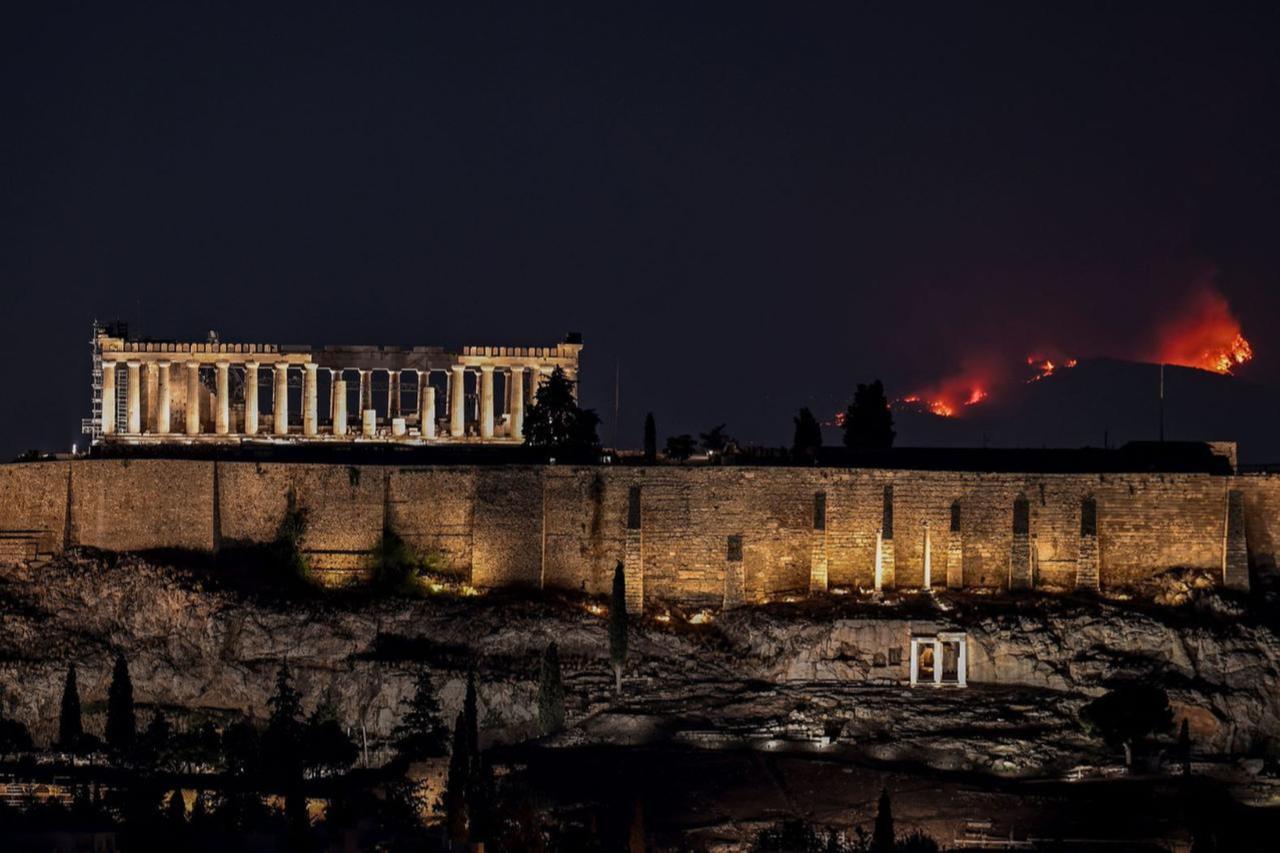


In the documentary “Sto Xiliosto,” which was broadcast on Greek television a few days ago, former European Commission president Jean-Claude Juncker recalled a conversation that took place behind closed doors over a decade ago.
According to Juncker, during one of the Eurogroup meetings, a female finance minister suggested that the Acropolis be sold to enable Greece to repay its debts.
Juncker, who served as Eurogroup president between 2005 and 2013, stated that he immediately brushed it off. However, he did not clarify whether the proposal was intended literally or figuratively.
Yet, upon closer examination, the issue raises far deeper questions that remain relevant to this day:
How does a country suffer an erosion of trust in the international community when it falls into the grip of an economic crisis?
What is the political and symbolic cost of this loss of trust?
And to what extent does the European Union’s approach to crisis management align with the principle of solidarity?
Juncker’s statement brings all these questions to the fore at once.
Greece’s admission in 2009 that it had underreported its budget deficit figures had consequences that went far beyond a mere technical correction.
Athens had initially reported the budget deficit as a percentage of gross domestic product (GDP) at around 6%; it later emerged that the actual figure was over 15%. This discrepancy could not be dismissed as a mere accounting error, as it pointed to a systematic cover-up.
Juncker emphasizes this point in particular: once Greece had admitted to misleading others, it was no longer regarded as a trustworthy partner, and, consequently, everyone felt free to say whatever they wished about Athens.
In international relations, trust is built on a foundation that is far more fragile than concrete agreements, yet just as decisive. The accuracy of the data provided by a state directly determines its weight at the negotiating table.
When Athens’ statistical manipulation came to light, the reputation of the entire Eurozone was shaken.
International credit rating agencies, led by Standard & Poor’s and Moody’s, have successively downgraded Greece’s rating, pushing the country into junk status—that is, to a level deemed unfit for investment.
This move effectively shut the door on Athens’ ability to borrow from the markets and created an atmosphere in European capitals where anxiety and anger were intertwined.
The Eurogroup meetings held within this atmosphere turned into a forum for pressure, recriminations and, at times, harsh rhetoric verging on humiliation.
The proposal to sell the Acropolis must be assessed within this context.
Regardless of the intentions behind it, this suggestion serves as a concrete illustration of how a state that has lost its credibility is driven into a position of vulnerability on the international stage.
The cost of losing credibility is political before it is economic; more importantly, it is symbolic.
The lesson to be drawn from this cannot be reduced to a simple piece of advice to “report the data accurately.”
The real message is this: once a state’s credibility within the international institutional order is shaken, the rhetorical constraints on that state are lifted.
Indeed, during the crisis, some German and Dutch politicians were able to publicly suggest that Greek islands should be handed over in lieu of debt.
The fact that these statements were not included on the official negotiating agenda was due to the individual resistance of figures such as Juncker; the system lacked its own checks and balances, and there was a structural weakness.
For the issue here is not limited to Greece’s budget deficit; it is the question of what kind of negotiation ethics prevail amongst equal partners during times of crisis.
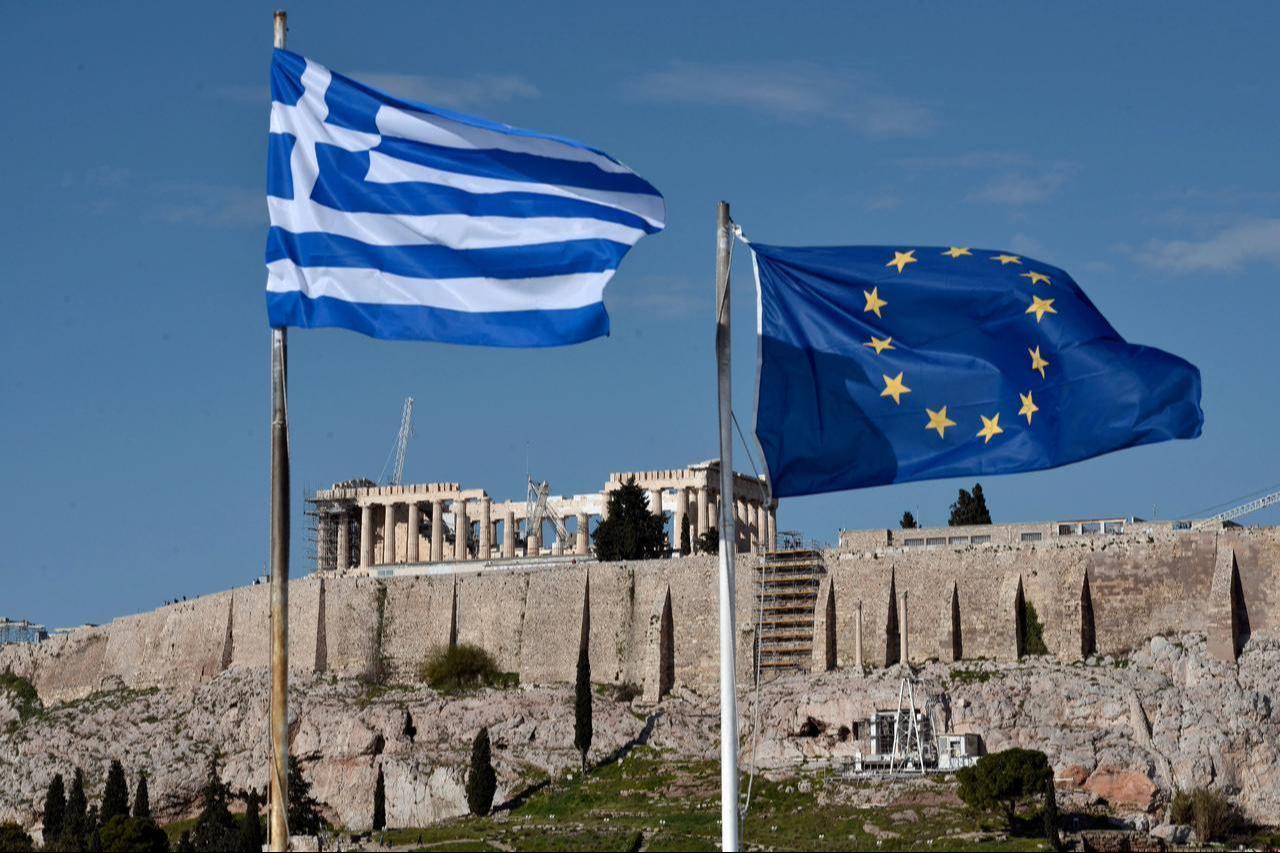

In May 2010, the EU and the IMF took action out of concern that Athens’ bankruptcy would trigger a domino effect of crises across the Eurozone.
Over the years, support totalling approximately €288 billion was channelled to Greece through three separate bailout packages. This was the largest international bailout operation in history.
However, this support came at a price tied to extremely harsh conditions: wage cuts, reductions in pension payments, cuts to public sector employment and extensive privatization programmes.
As austerity measures were implemented, the Greek economy contracted by 26% and the unemployment rate approached 28% in 2013.
Among young people, this rate exceeded 60%.
Hospitals were unable to source medicines, suicide rates rose, and the middle class evaporated within a decade.
When assessing this situation, one cannot help but ask: Who did the bailout package actually save?
Critical analyses reveal that the bulk of the funds transferred went to European financial institutions holding Greek bonds, primarily French and German banks.
Internal assessments published by the IMF in subsequent years also implicitly acknowledged this fact:
The Troika’s (the trio comprising the European Commission, the European Central Bank and the IMF) growth forecasts had not materialized, and the extent to which austerity policies would constrain the economy had not been factored in.
Viewed from this perspective, the reforms imposed by the Troika can be interpreted not as solidarity mechanisms but rather as structural adjustment programs designed to safeguard the interests of creditors.
The symbolic weight of the proposal to sell the Acropolis is precisely evident at this point.
The disposal of state property and public assets has become a covert yet tangible component of bailout packages.
As Greek airports, ports and public services were being privatized, the Acropolis proposal represented a metaphorical red line:
Could a nation’s most sacred cultural heritage be brought to the negotiating table?
Juncker’s immediate reaction prevented this line from being crossed; yet the very fact that such a proposal was even voiced demonstrates the direction in which the negotiations were heading.
When we place this issue within a broader perspective, a structural tension within the Eurozone comes to the surface.
The single currency significantly restricts member states’ sovereignty and their economic policy tools.
Exchange rate policy, the authority to print money independently, the ability to set interest rates freely—none of these were in Greece’s hands. Consequently, when the crisis erupted, Athens’ room for manoeuvre was extremely limited.
Stepping outside the framework set by the Troika appeared virtually impossible; the Tsipras government’s 2015 referendum move ultimately culminated in the acceptance of a new bailout package.
The Greek people’s “no” vote found virtually no echo at the negotiating table in Brussels. This was an indication that the tension between sovereignty and integration had not been resolved, but merely postponed.
Juncker’s revelations remain politically relevant today. The European Union’s approach to crisis management is still a matter of debate.
The Next Generation EU fund, launched during the COVID-19 pandemic, was presented as a consensus-based solidarity mechanism and signalled a more flexible approach towards Southern European countries.
However, it remains a matter of debate whether this policy shift points to a lasting change in mindsets or merely a temporary pragmatic adjustment.
It should not be forgotten that what made solidarity possible during the pandemic was the simultaneous and universal nature of the crisis. In other words, this time, even the strong economies were shaken simultaneously.
In the Greek crisis, however, the framework was different. The distinction between the “irresponsible borrower” on one side and the “disciplined creditor” on the other became the central axis shaping the EU’s internal discourse.
The vulnerabilities that came to light during the Greek crisis—lack of transparency, asymmetrical negotiating conditions, and the symbolic consequences of a loss of trust—remain a potential scenario that could unfold for any European member state.
Given Portugal’s periodic financial strains and France’s rising public deficits, it appears that under certain conditions, this is a possibility that could knock on the door of any member state.
In this context, the Acropolis anecdote recounted by Juncker serves as a reminder that, having overcome the humiliation of 15 years ago, Greece remains a small and weak state that can be left highly vulnerable within an international system dominated by integrated yet unequal power relations.
The suggestion that cultural heritage should be used as collateral for debt carries significance that goes beyond economic rationality.
The fact that such proposals are raised at the negotiating table stems from the political turmoil caused by the imbalance of power.
Juncker’s intervention defused this turmoil for the time being; however, it did not structurally transform this dynamic.
The EU still lacks a common fiscal policy and a genuinely effective, permanent crisis solidarity mechanism—a common deposit insurance scheme, which has been under discussion for a decade, only reached a political agreement in 2025.
So when the next crisis erupts, which proposals are voiced in the Eurogroup meeting rooms may once again be left to the conscience of someone like Juncker…


 Set as preferred source
 Set as preferred source


 4 min read