Newsletters


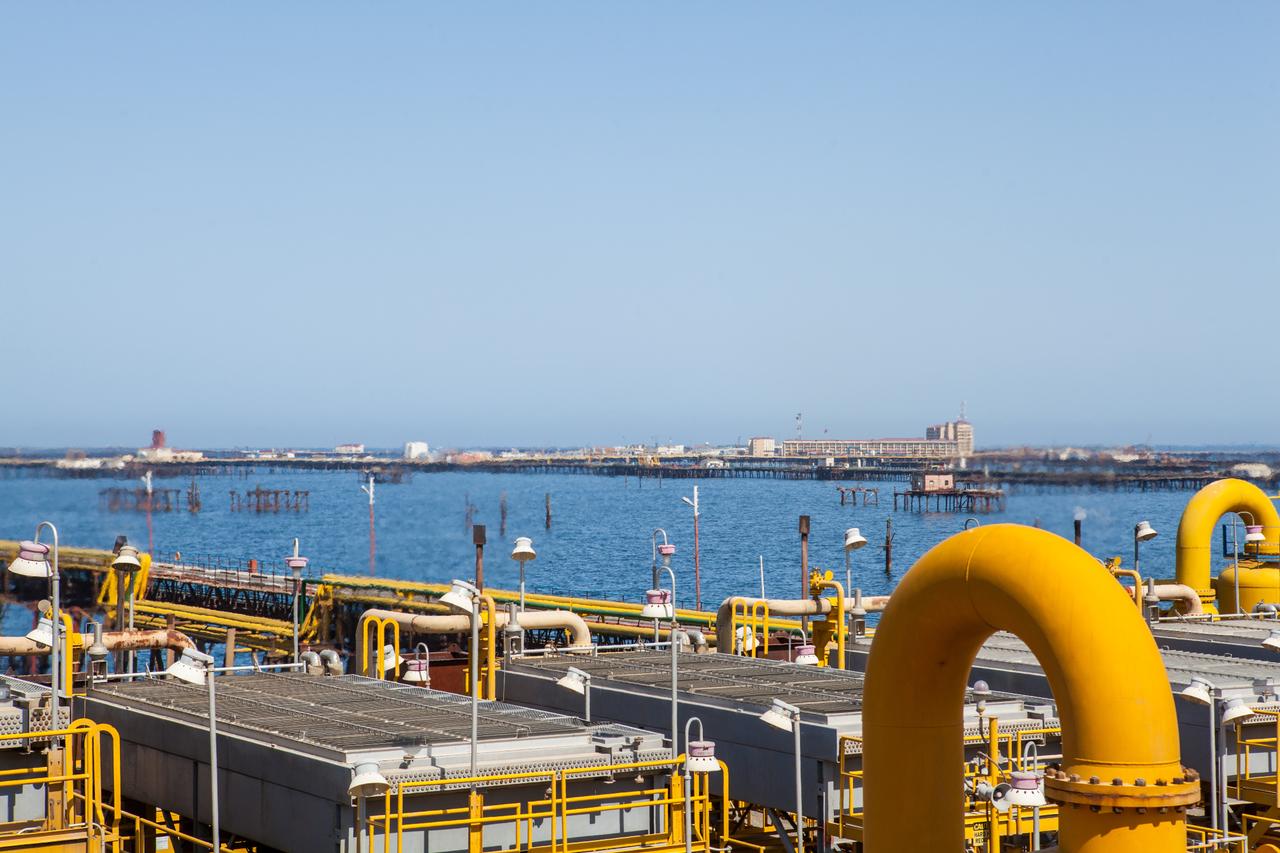


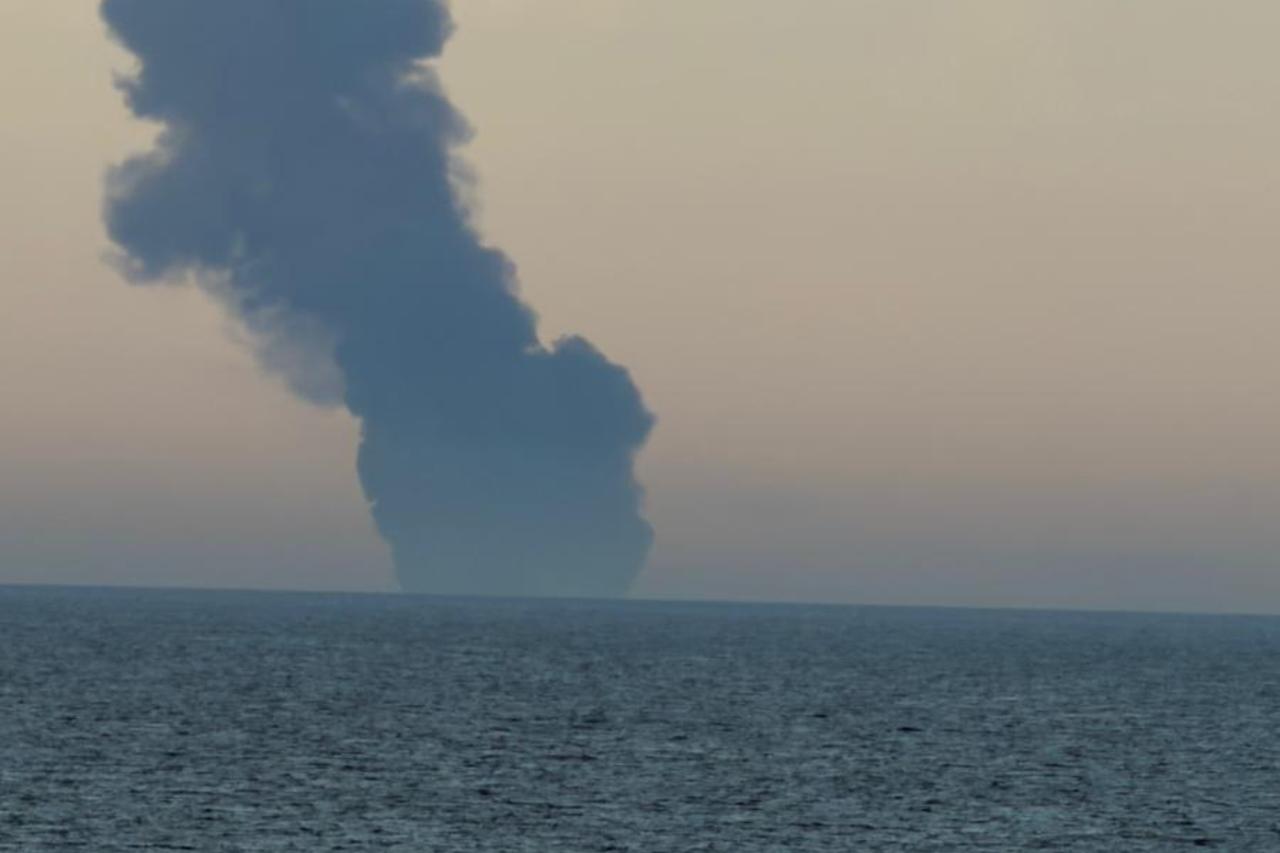
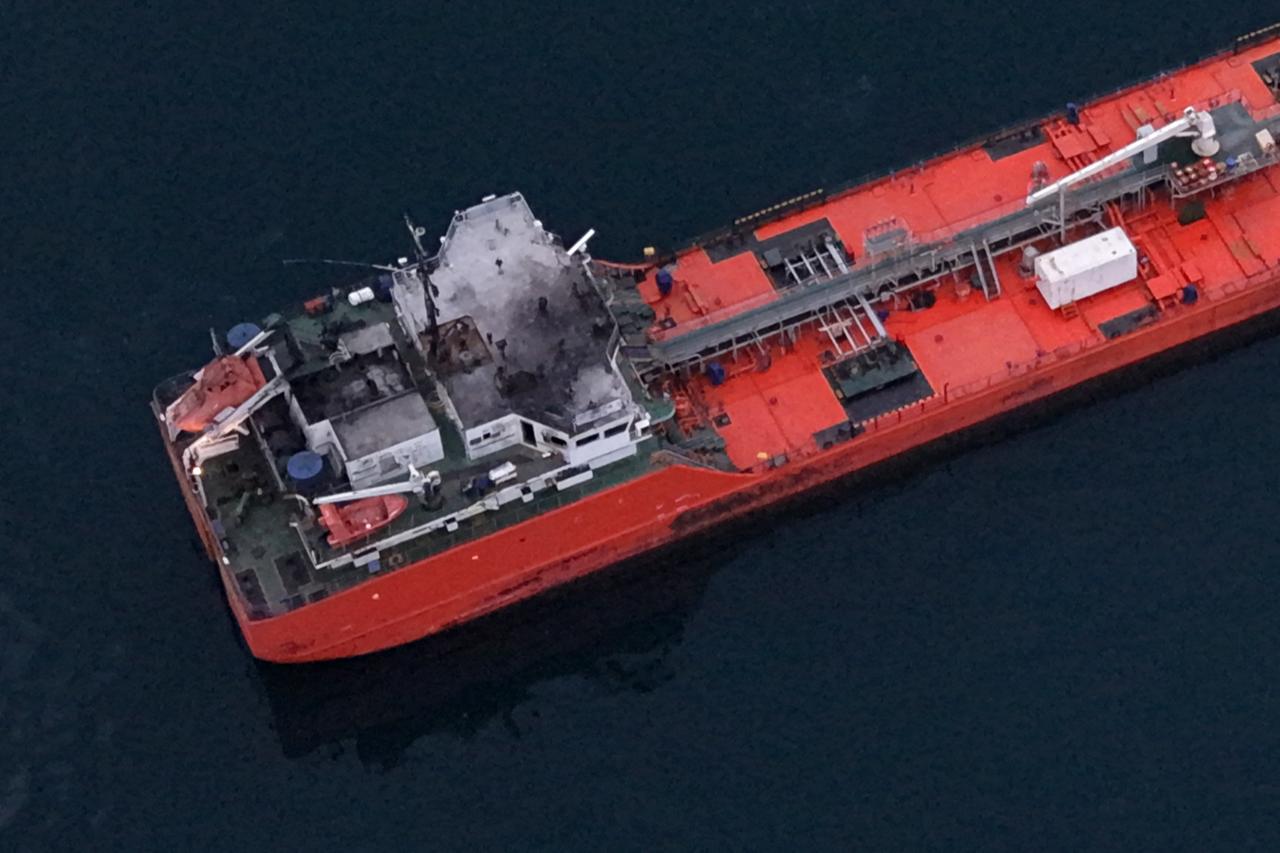
The attack carried out by Ukraine against the Caspian Pipeline Consortium (CPC) using unmanned aerial and naval vehicles has brought Kazakhstan's long-ignored energy vulnerability to the fore as an undeniable reality.
The targeting of this pipeline, which accounts for nearly 80% of the country's oil exports, goes far beyond a technical disruption, becoming a powerful geopolitical warning that shakes Kazakhstan's economic balance, foreign policy flexibility and regional positioning.
The temporary shutdown of the Novorossiysk terminal demonstrates that Astana's long-standing political rhetoric of “export diversification” has now become an unavoidable necessity. Moreover, this crisis heralds a completely new geopolitical phase for Central Asia. The attack has visibly shaken the region's energy architecture, embedded dependency relationships, power balances, and security calculations, extending far beyond a single pipeline.
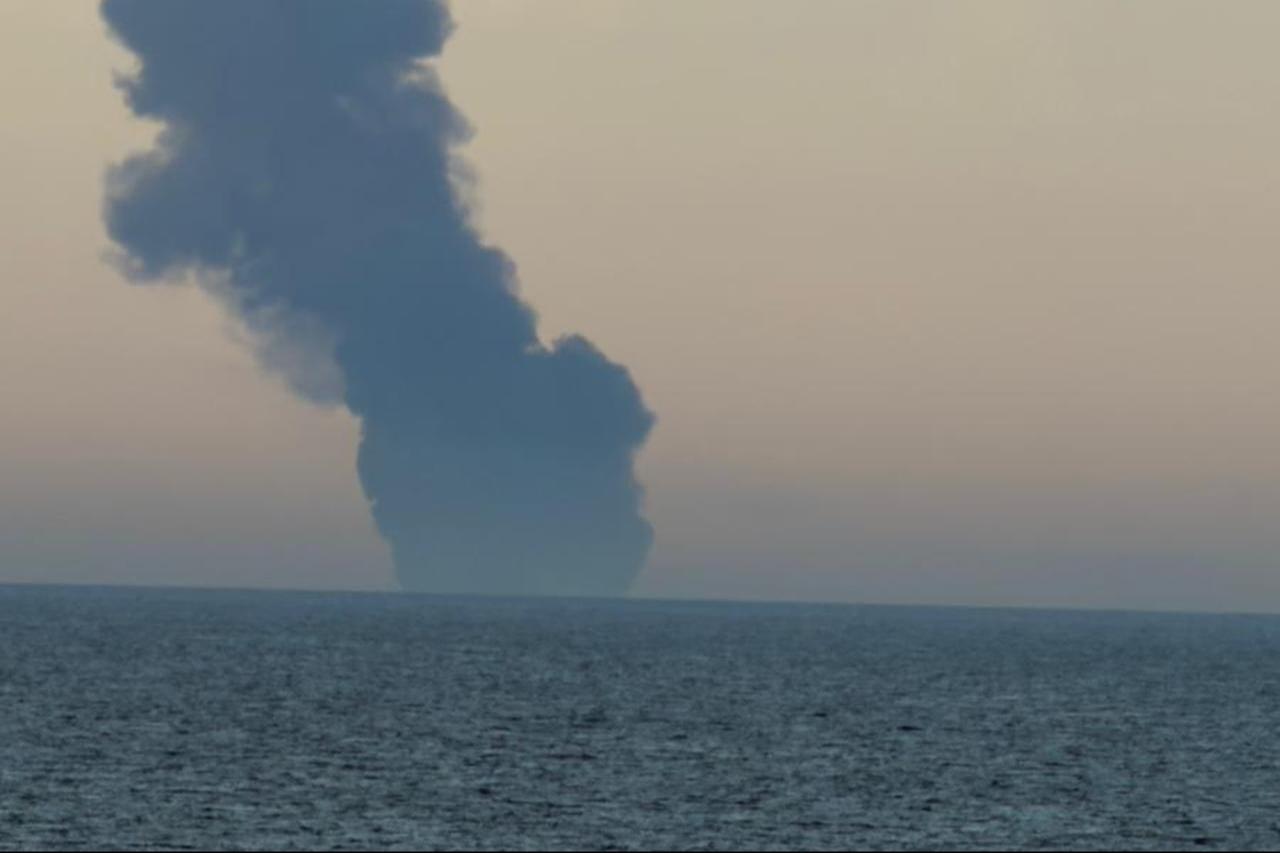

The nature of the attack clearly demonstrates that today's understanding of warfare has been reshaped through unmanned systems. Low-cost, high-precision and difficult-to-detect unmanned aerial vehicles (UAVs) and naval drones have become one of the central tools of international politics, beyond military operations.
Even the fact that the CPC is an entirely civilian and multinational project is not enough to keep Kazakhstan out of these new forms of warfare. The fact that even a country striving to meticulously preserve its neutrality can become an indirect target of such attacks is a striking indicator of how uncontrolled the use of force has become in the international order. Behind Astana's strong diplomatic response lie not only economic concerns but also a deeper systemic crisis, and anxiety about the gradual erosion of international norms.
The problem facing Kazakhstan goes beyond physical damage; it is the structural dependency that is repeatedly highlighted with every attack. For Astana, which exports most of its oil via a pipeline running through Russian territory, Transneft's regulatory control points to a weak spot, even in the absence of war.
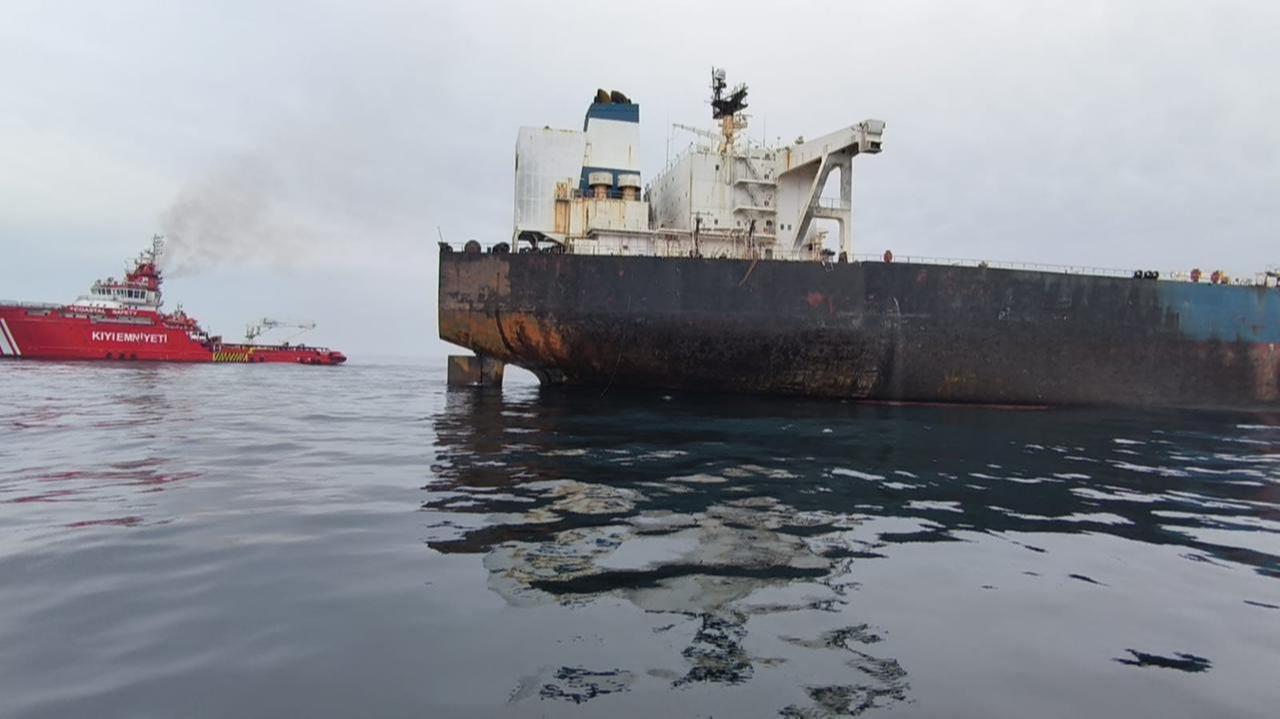
The complex shareholder structure formed by players such as Chevron, ExxonMobil, LUKOIL and KazMunayGaz has become the main factor placing CPC at the centre of a major power struggle, beyond being merely an economic project. Consequently, every escalation in the Ukraine theatre reverberates back to Kazakhstan as political and diplomatic pressure that goes beyond economic losses.
The lack of a strong alternative route in the short term further narrows Kazakhstan's room for manoeuvre. Although the Baku-Tbilisi-Ceyhan Pipeline (BTC) provides Kazakhstan with a certain degree of flexibility, its current capacity falls far short of meeting CPC's volume.
In such an environment, every disruption experienced by CPC creates a shock effect that goes beyond halting export flows, weakening the country's revenue structure, eroding international investment security, and undermining Kazakhstan's regional position.
Moreover, the timing of the attacks has made Kazakhstan's vulnerability even more apparent. It is now undeniably clear that regular attacks on Russian energy infrastructure have moved the CPC out of the “collateral damage risk” category and closer to the “strategic target” category. This situation indicates that Kazakhstan will have to reassess its geopolitical assumptions beyond its current energy architecture.
The disruptions experienced in the CPC clearly demonstrate that Kazakhstan has entered a period where technical solutions alone are no longer sufficient. The halt in oil flows has revealed that Astana's long-standing approach of “balance and diversity” rests on fragile ground due to excessive dependence on energy infrastructure.
For Kazakhstan today, the issue is much more than finding a new route: in an era where energy security has become synonymous with national security, diversification is now an imperative strategic direction.
In this context, the most realistic option in the Western corridor remains the Baku-Tbilisi-Ceyhan (BTC) Pipeline. However, the limited capacity of the BTC and the current flow regime's inability to fully absorb Kazakh oil indicate that this pipeline cannot fully replace the CPC in the short term.
Nevertheless, it is clear that Kazakhstan's western orientation, the renewed importance of the BTC, the strengthening of Caspian transit routes and the search for closer integration with the South Caucasus will accelerate in the coming period.
On the eastern front, China's demand for higher capacity from the Atasu-Alashankou line indicates that Beijing is closely monitoring Kazakhstan's fragility and prioritising the region in terms of energy supply security. However, given the current technical limitations, high costs, and the need for regional coordination, it is also clear that no route can replace the CPC in the short term.
The main impact of the CPC crisis is that it has created a regional shockwave extending beyond Kazakhstan. Azerbaijan has increased its importance as a natural transit hub, while China has begun to calculate its energy security risks more closely. Russia's characterisation of the attacks as “terrorism” shows that the issue has transcended its economic dimension and become a security-focused geopolitical debate.
The current situation serves as a strong warning for other energy exporters in Central Asia. Turkmenistan's hesitations regarding the Trans-Caspian pipeline, Uzbekistan's limited export capacity and dependence on Russia, and the fragile hydroelectric infrastructure of Tajikistan and Kyrgyzstan highlight the region's vulnerability.
Therefore, the CPC crisis is a structural rupture that reminds us of the unsustainability of Central Asia's energy architecture, which is dependent on external factors. The region's states need to redesign their energy infrastructure as the backbone of national security, beyond an economic factor. Otherwise, Central Asia risks becoming an even more passive vehicle for great power competition and regional tensions.


 Set as preferred source
 Set as preferred source


 1 min read
 1 min read