Newsletters


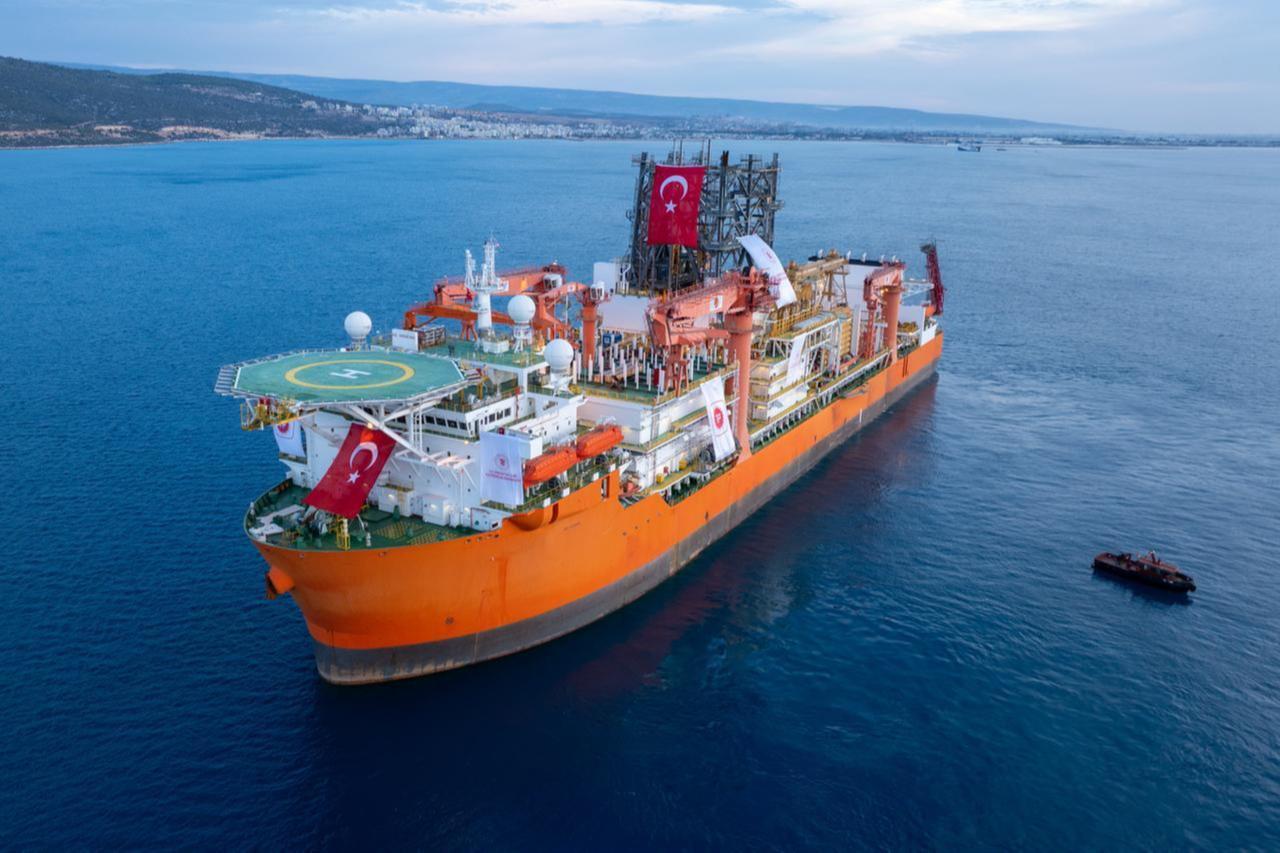


On Dec. 3, 2025, in Brussels, the transport ministers of Greece, Bulgaria and Romania signed a Memorandum of Understanding to establish the Black Sea-Aegean Sea Corridor Platform (BACP).
At first glance, with its focus on rail gauges and bridges, this looks like a standard European infrastructure project supported by TEN-T policies and CEF funding. However, looking past the technical details reveals a strategic shift that merits close scrutiny in Ankara.
This initiative reinforces the logic of a "Vertical Corridor," a north-south line designed to reduce Europe's dependence on traditional east-west transit routes. For Türkiye, this represents not necessarily a hostile encirclement but a strategic diversification to be managed. Geography remains a strong asset, but it is no longer an absolute monopoly.
The reasons behind this are pragmatic, not just political. The war in Ukraine has made the Black Sea a high-risk zone for shipping. High insurance premiums and mine threats have forced the EU to look for alternatives.
In this context, the BACP acts as a logistical bypass. By linking Greek ports like Alexandroupoli and Thessaloniki with the Danube River and the rail networks of Bulgaria and Romania, the EU and participating member states are creating a way to move liquified natural gas (LNG), refined products, and critical energy infrastructure equipment north without relying solely on maritime transit through the Straits.
This alignment is calculated. It effectively integrates the Aegean (entry point), the Balkans (transit), and the Danube (distribution) into a single platform. There is also a clear military dimension. Although this is officially a civilian transport project, the upgrades align closely with NATO’s "military mobility" priorities.
In a crisis, this gives the Alliance a way to move heavy equipment to its Eastern Flank by land. This capability creates an additional option alongside maritime routes that can be constrained by wartime risk, political discretion, and legal regimes, including the Montreux Convention.
While the BACP focuses on transport, it sits alongside a shifting energy map. Parallel to the train tracks, a "Vertical Gas Corridor" is emerging to facilitate northbound flows of non-Russian LNG via imports into Greece and onward interconnections toward Ukraine and Moldova.
Even though these are technically different projects, the logic is the same. They utilize northern Greece as a staging ground to pump resources north into Eastern Europe. For Türkiye, which has long been the indispensable energy and transit hub, these parallel lines mark a shift from having a monopoly to facing competition.
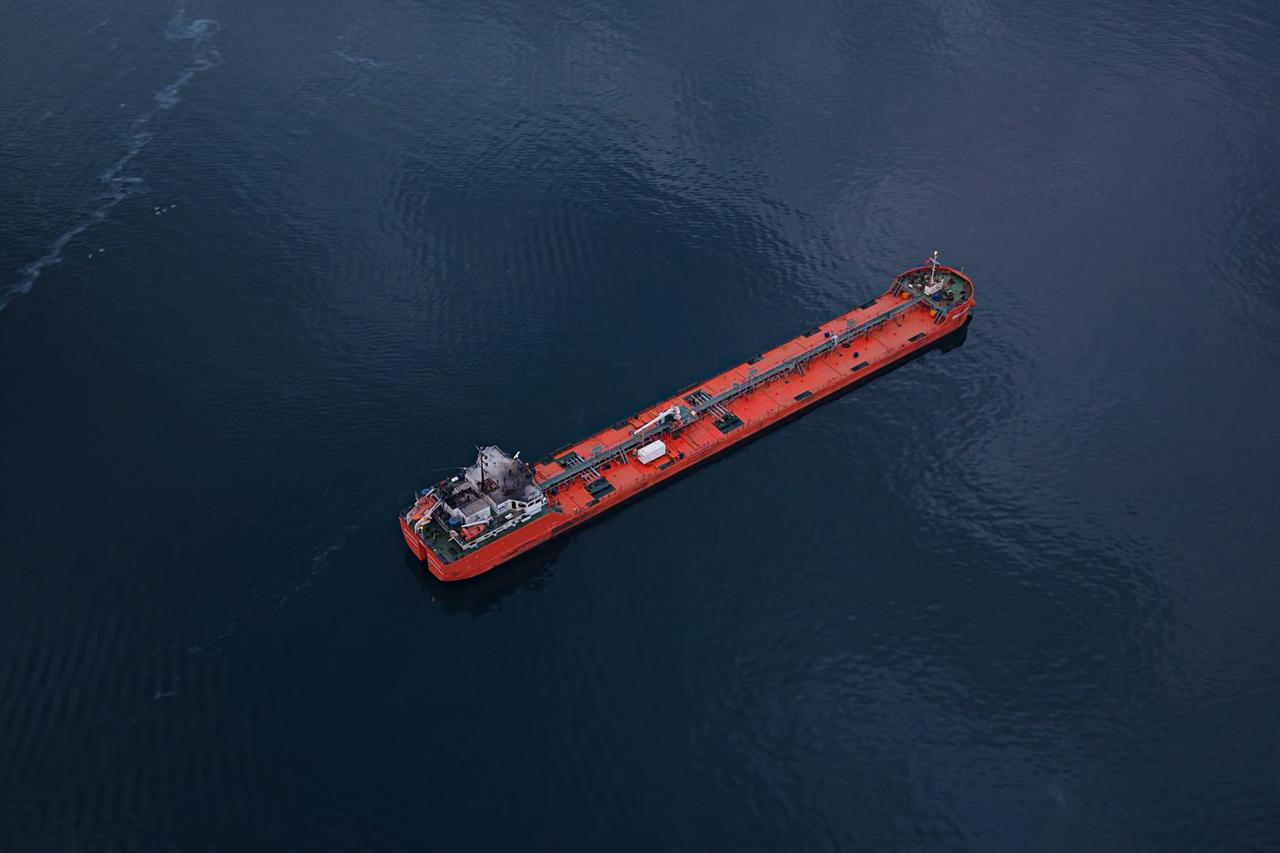

Does this push Türkiye to the sidelines? On the surface, it might seem so. But the operational reality of the Black Sea says otherwise. Europe can build a "Railway Bosphorus" to move cargo, but it cannot easily build a substitute for maritime security.
As recent analyses highlight, keeping the Black Sea secure is practically unfeasible without Türkiye. Reports indicate that Ankara provides approximately 67% of the maritime situational picture in the region. Furthermore, the "Mine Countermeasures Black Sea Task Group," initiated by Türkiye in cooperation with Romania and Bulgaria, remains one of the few working mechanisms that can actually secure the sea lanes for trade.
This creates a paradox. The EU is investing in land routes to avoid risks at sea, yet to keep the sea itself functional, it still relies heavily on Ankara’s navy and its strict implementation of the Montreux Convention.
Beyond security, political narratives must be weighed against physical realities. While Athens has gained political momentum in Washington and Brussels as a political connector, Türkiye remains the region’s undisputed physical heavyweight.
Data suggests that Greece’s effective vertical flow capacity is currently limited by grid bottlenecks and domestic demand. In contrast, Türkiye operates a massive regasification infrastructure with an aggregate potential approaching 60 bcm annually, offering a level of operational maneuverability unmatched in Southeast Europe.
This creates a fundamental distinction. Greece offers regulatory alignment and political symbolism, but Türkiye provides the scale necessary for genuine energy security. With the TANAP-TAP system delivering consistent Caspian volumes since 2018 and the steady ramp-up of the Sakarya field strengthening domestic balancing, Ankara is not just a transit route but a stabilizing authority for the entire region.
The EU’s goal of phasing out Russian fossil fuels poses a volume challenge that cannot be met solely by the limited throughput of the Vertical Corridor.
Europe’s long-term resilience depends on a dual architecture where Türkiye’s massive capacity complements new European routes. Overlooking this physical depth in favor of purely political bypasses risks limiting the effectiveness of Europe's own energy security strategy.
The BACP is a signal that the era of relying solely on static geopolitical advantages is evolving. Europe is actively building its way out of single-point dependencies.
Türkiye’s role is evolving. It is no longer just the gatekeeper of the Straits, a role that naturally invites others to find a way around it, but an essential security partner for the whole region.
The trains may run north-south and bypass Anatolia, but the security of the maritime flank still rests heavily on Ankara’s shoulders. Rather than resisting diversification, Ankara has an opening to reposition itself not as a rival to European corridors, but as their indispensable stabilizer. Recognizing this distinction is the first step in adapting to the region's new reality.


 Set as preferred source
 Set as preferred source



 7 min read