Newsletters


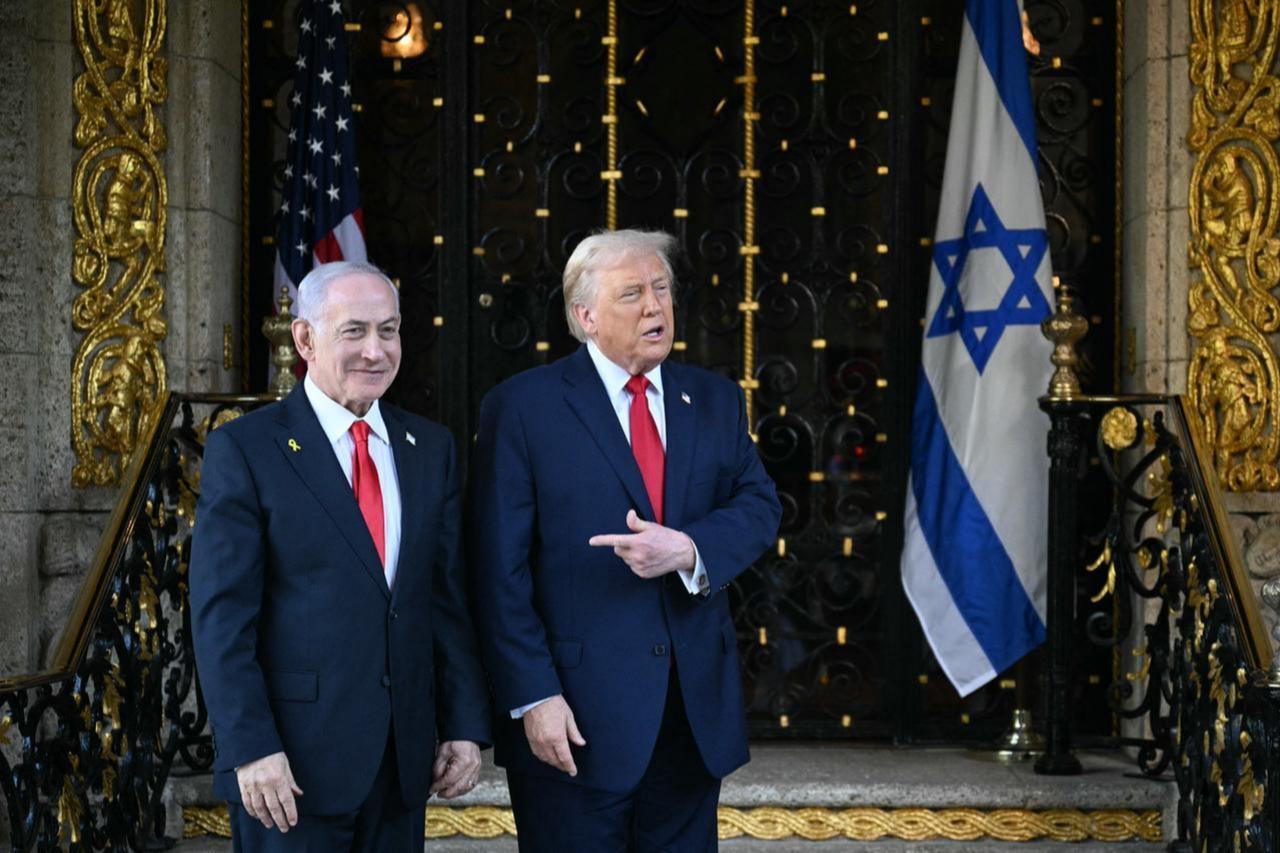


On Tuesday, Benjamin Netanyahu released a brief video from Tel Nof Air Base.
The message was clear: as Israel prepares for the Oct. 27 election, "our enemies will try to attack us." On the same evening, opposition leader Yair Lapid accused Netanyahu of "peddling fear."
The following morning, on FlyDubai flight FZ1073 from Dubai to Tel Aviv, one pilot reportedly stabbed the other in the cockpit. In Israeli politics, it would be hard to imagine more convenient timing.
Was it staged? Convenient is not the same as staged, and the answer is still unclear. Even U.S. President Donald Trump does not appear fully convinced by the story being told.
Nonetheless, Netanyahu and his team in Israel have seized an opportunity to shape a narrative, moving quickly to define not only what happened, but also how it will be told and carried to the ballot box.
So, what do we know?
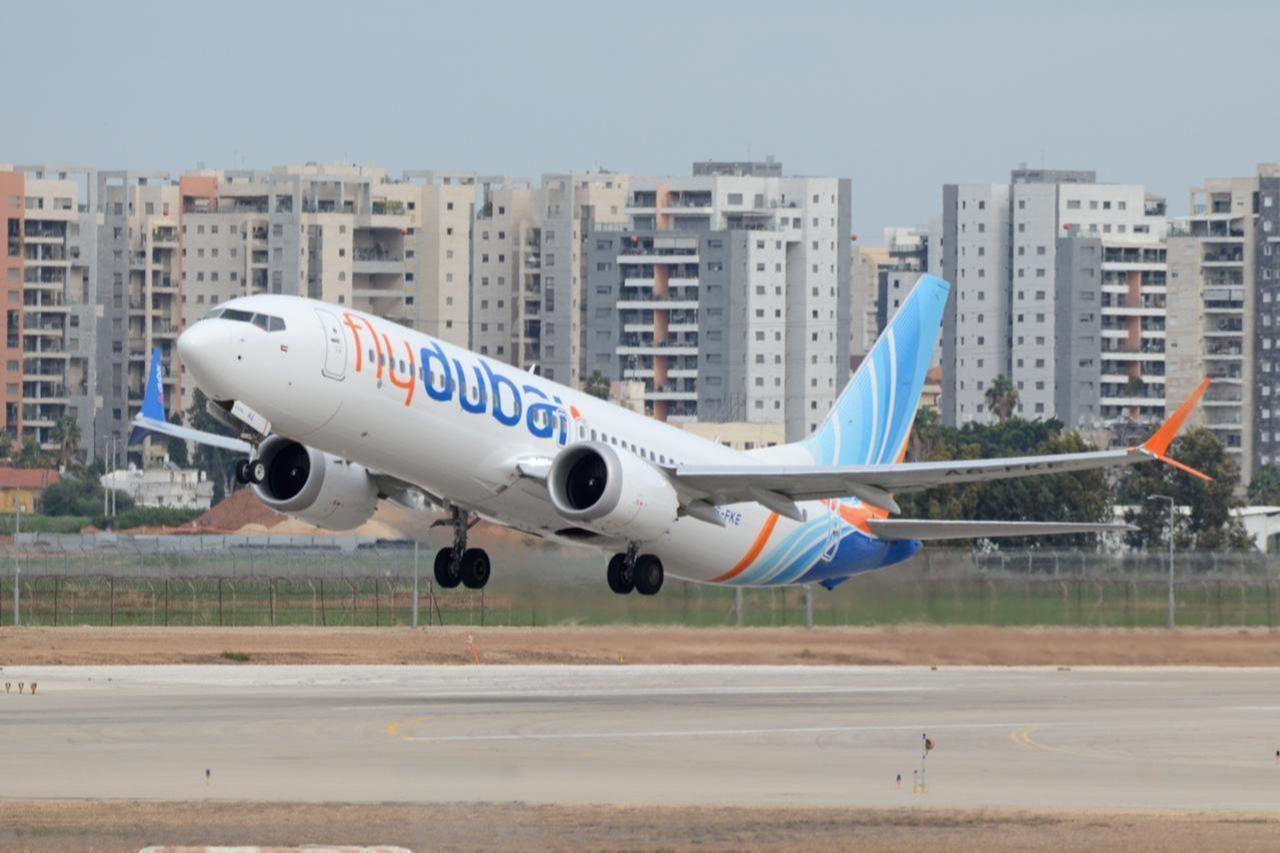
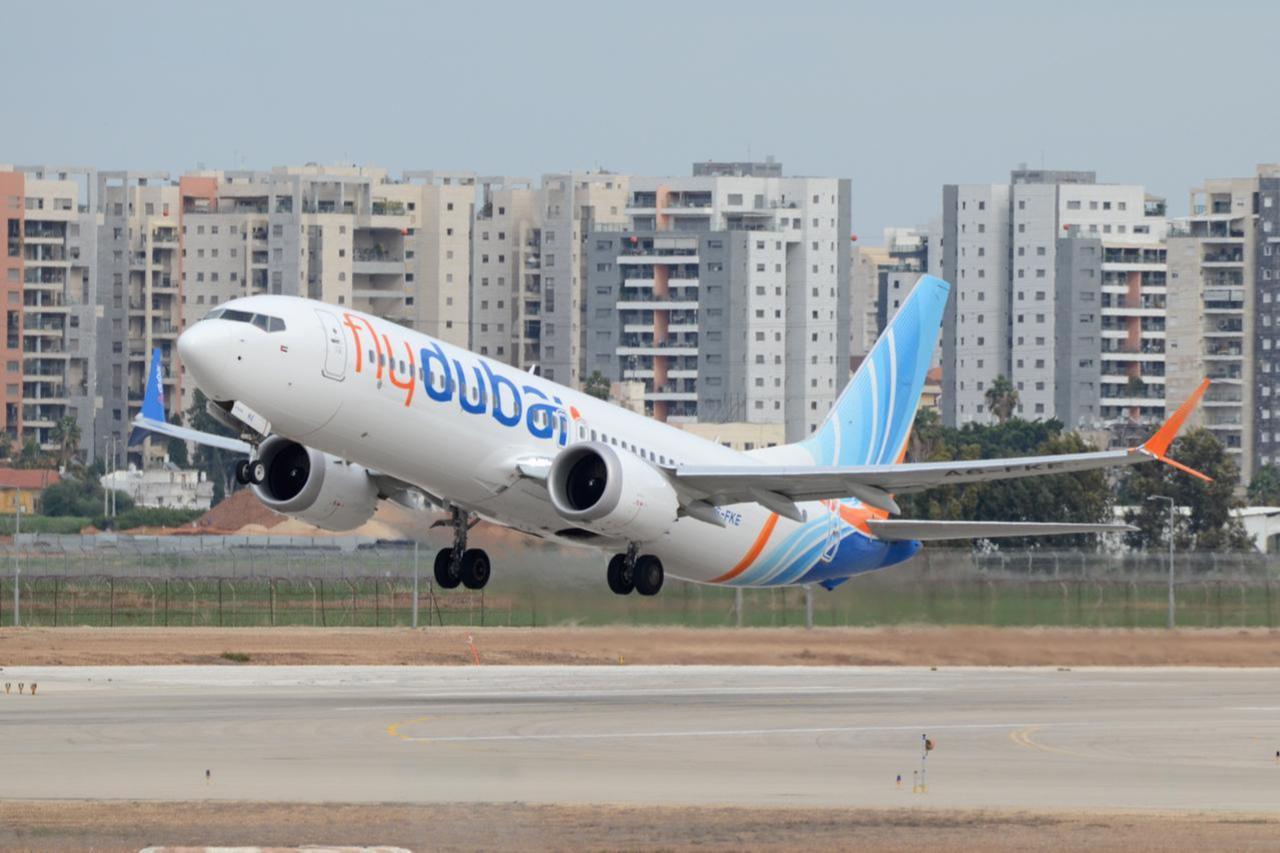
The Boeing 737 MAX 8 carried 174 passengers, including 27 children, the majority of whom were Israelis. According to flight-tracking data, the aircraft dropped more than 14,000 feet in less than 30 seconds, switched its transponder to code 7500 (the hijacking code), and prompted Israeli fighter jets to scramble.
The injured captain, Indian national Smit Machchhar, was able to open the cockpit door. Israeli passengers who entered the cockpit subdued the attacker, while another FlyDubai crew member sitting in an empty seat assisted in landing the aircraft in Tabuk, Saudi Arabia.
The Saudi Interior Ministry's initial investigation confirms the basic facts: the captain was attacked by the first officer, and both pilots were injured.
In other words, this is not a story about a fight; it was an actual attack. President Isaac Herzog announced that he would nominate the four Israelis who apprehended the attacker for civilian bravery awards. Indian Prime Minister Narendra Modi also praised the captain as a hero.
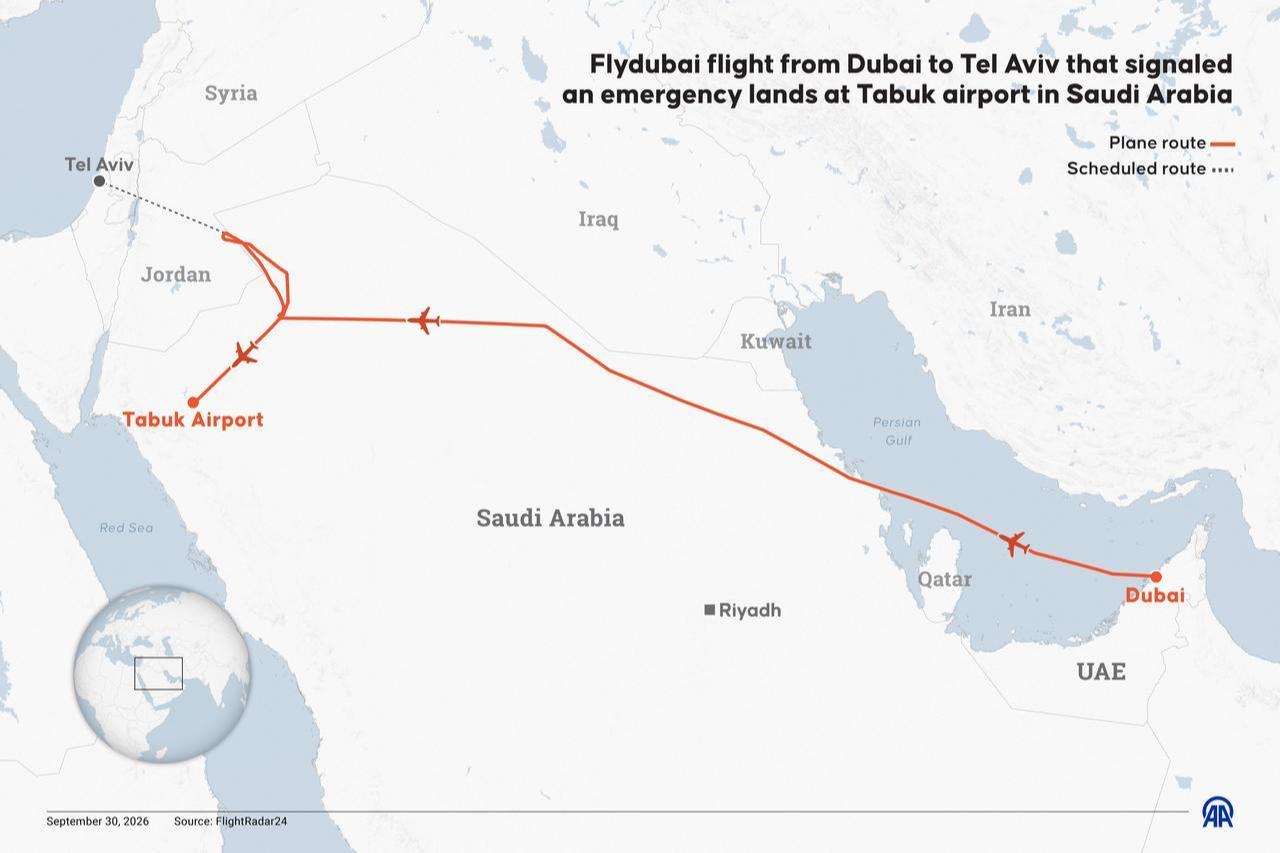

The debate then begins. FlyDubai initially stated that the emergency signal was caused by an altercation between the pilots. Israel's Prime Minister's Office also issued a brief statement claiming there was no evidence of a hijacking. However, both the story and the language abruptly changed.
In a video message, Netanyahu stated that the pilot "apparently attempted to crash the aircraft with everyone on board." The next day, he went a step further on American television, claiming that the attacker had been subjected to "Islamist radical brainwashing," was "clearly suicidal," and that the passengers had prevented "a catastrophe comparable to 9/11."
Danny Danon, Israel's ambassador to the United Nations, said there was "no doubt" it was a terrorist attack perpetrated by a radical individual. The incident, however, had not been linked to any state or organization. No group claimed responsibility. Meanwhile, several Israeli ministers referred to the incident as terrorism before official statements were issued.
A clear distinction is required here. There is no doubt that the attack occurred, and the aircraft narrowly escaped disaster. However, Israel's narrative continues to include claims that the attacker intended to crash the plane, was ideologically motivated, or acted on behalf of a larger network.
Israel is not conducting the investigation. The attacker was transferred from Saudi Arabia to the United Arab Emirates, and the UAE Attorney General's Office is leading the investigation, stating that it is determining "to what extent" the incident is related to terror.
The Saudi ministry's statement did not mention terrorism. FlyDubai urged everyone to avoid "premature speculation." Even Netanyahu has admitted that it is "too early to say" whether Iran was involved.
In short, if the question is whether events unfolded as Israel describes them, the honest answer is that the facts are mostly correct, but the interpretation requires more evidence.
That uncertainty does not leave a gap in the election campaign; rather, it creates an opportunity. For years, Netanyahu has campaigned on the same central message: Israel is surrounded by enemies, and only he can protect it.
The greatest wound to that argument was inflicted on Oct. 7, 2023, and it has been reopened repeatedly throughout the campaign. Former Shin Bet chief Ronen Bar has announced that he will sue the prime minister over allegations regarding pre-Oct. 7 warnings.
In recent days, claims have circulated that Egypt and the UAE warned Netanyahu about the attack. Polls indicate that Netanyahu may struggle to form a government following the election.
The FlyDubai incident has added a ready-made narrative to this landscape: "I warned you, and I was correct." A headline in The Times of Israel the day after the event summarized the situation succinctly: "the incident had become political fodder for the candidates."
However, the story has another side. The attacker was Omani, and despite Israel's ban on flight crews from countries with which it does not have diplomatic relations, he was sitting in the cockpit of a Tel Aviv flight. Netanyahu was forced to admit a "gap" in security procedures and advocated for increased scrutiny of pilots.
Aviation security experts have also begun to wonder how useful post-9/11 cockpit security systems are if the attacker is already inside the cockpit. That gives the opposition its own argument: if enemies are truly preparing attacks ahead of the election, why was such a clear vulnerability ignored?
The incident gives Netanyahu both a heroism narrative and a security failure dossier. Which one voters recall more vividly will be determined on election day.
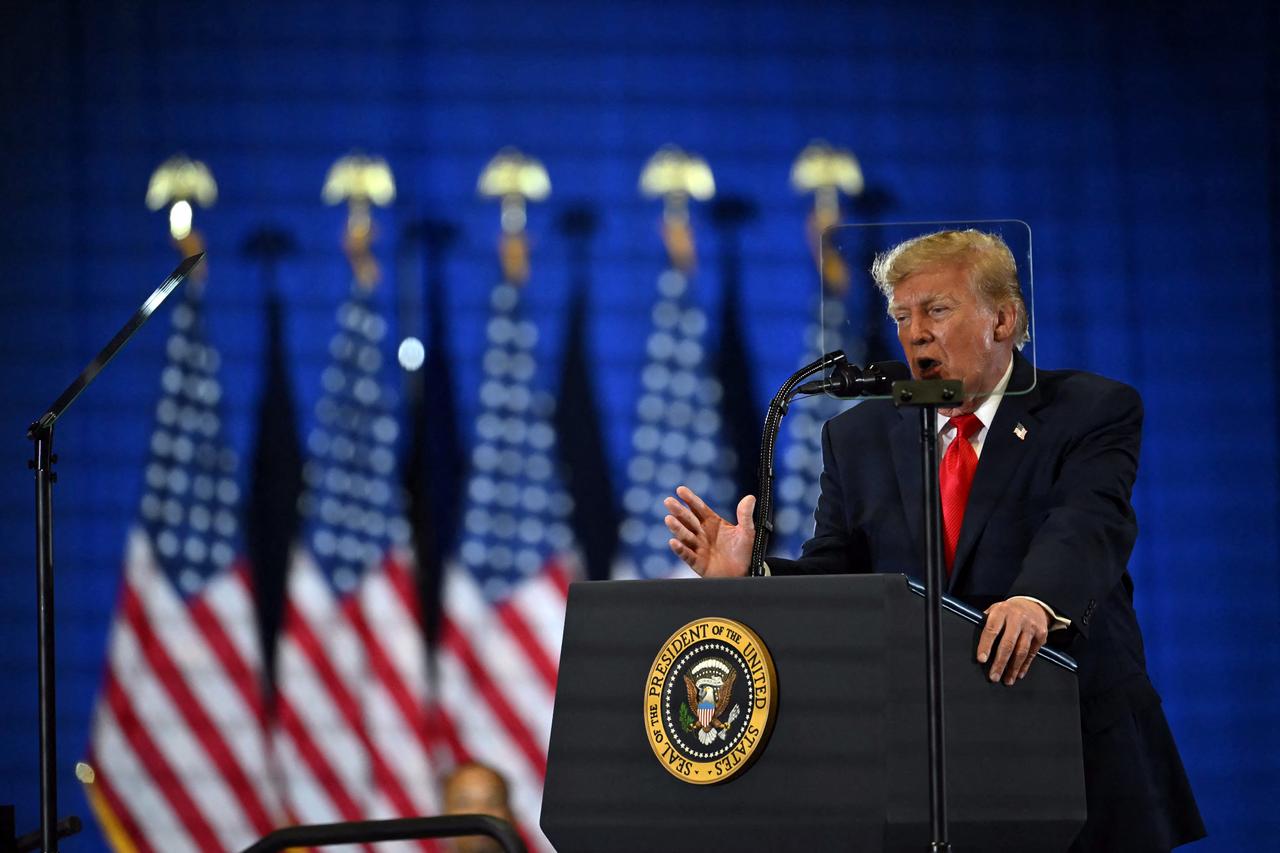
The most significant external variable in this equation is Donald Trump. On the evening of the incident, Trump claimed to have spoken with Netanyahu "at length" and described the first officer as "maybe a terrorist, maybe a lunatic."
While recounting Netanyahu's version of events, in which an Israeli plumber took control and helped save the aircraft, he added: "I don't know if it's true, but that's what I heard from Bibi."
A day later, the tone had hardened. When asked about a possible Iranian connection, Trump responded, "From what I hear, the answer is yes, but we're still working on it," and threatened to deliver a "very strong blow" against Iran if such a link was confirmed.
On the same day, it was announced that the United States had deployed approximately 9,000 troops to the region, along with a third aircraft carrier.
Trump's comments have had a multifaceted impact on the election. By raising the possibility of an Iranian connection before Israel did, and in more definitive terms, he demonstrated that Netanyahu had successfully sold his story in Washington.
At the same time, in an interview with Time magazine, Trump declined to explicitly endorse Netanyahu. When asked about rival candidate Gadi Eisenkot, he responded, "I haven't heard anything bad about him."
Trump's dismissal of claims that Netanyahu had been warned before Oct. 7 provided a useful defense for the prime minister. Trump is providing ammunition to Netanyahu's campaign, but he is not making an unconditional endorsement.
The rest of the region is viewing the incident from a different perspective. Iran's Fars News Agency claimed on the morning of the incident that Israel was planning a "false flag" operation against an aircraft or airport and published the claim alongside references to the FlyDubai flight.
There is no evidence to support this claim, which follows a familiar pattern of Iranian propaganda. However, Tehran's decision to attach the incident to a counternarrative before any investigation could begin demonstrates how easily the debate over an Iranian connection could turn into a justification for conflict.
While the UAE has assumed responsibility for the investigation, Netanyahu's secret visit to Abu Dhabi shortly before the election, as well as FlyDubai's suspension of flights to Israel, have raised concerns about how the incident may affect the most visible economic link established by the Abraham Accords.
Ultimately, FlyDubai FZ1073 could have been an attempted terrorist attack or the result of an individual's ideological or psychological breakdown. We do not know, and the Emirati investigation will reveal the answer. However, politics does not wait for the outcome.
For Netanyahu, the incident is being framed as proof of his warning from the day before. For the opposition, it demonstrates a security gap that the government failed to close. For Trump, it provides a new justification for increasing pressure on Tehran.
Three things deserve close attention in the coming days: what the UAE investigation reveals about the attacker's motivations and possible connections; whether Washington backs up its claims about Iran with evidence; and how polling data reacts to this security crisis.
The airplane landed safely in Tabuk. But Israel’s election has not yet begun its descent.


 Set as preferred source
 Set as preferred source


 2 min read
 1 min read