Newsletters




This article was originally written for Türkiye Today’s weekly economy newsletter, Turkish Economy in Brief, in its Nov. 16 issue. Please make sure you are subscribed to the newsletter by clicking here.
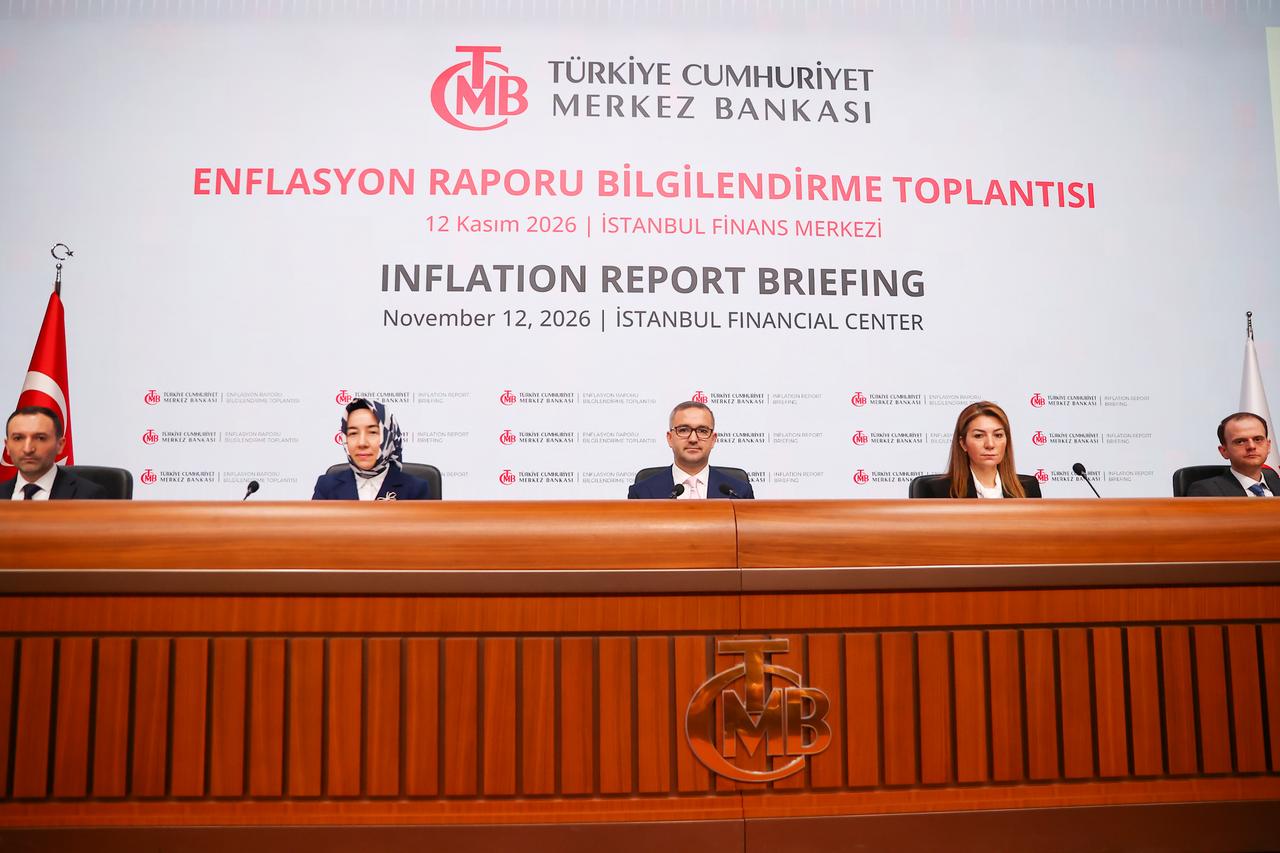
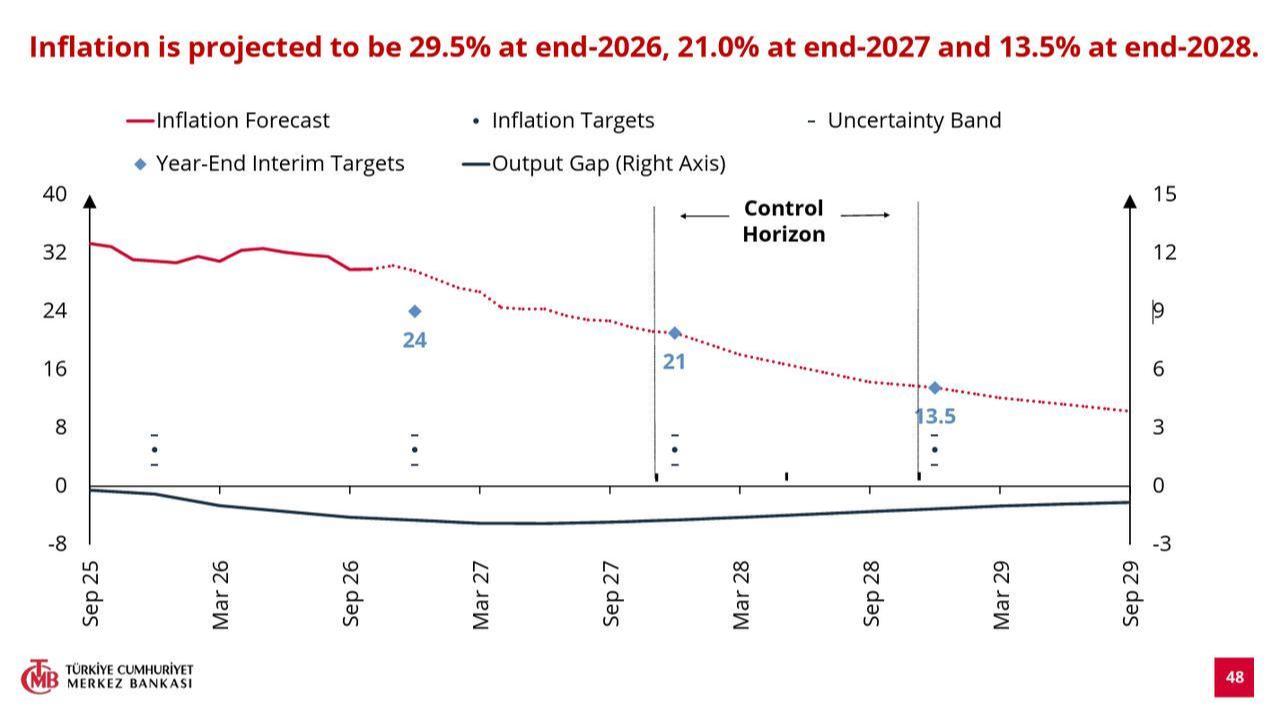
The Central Bank of the Republic of Türkiye (TCMB) released its final Inflation Report of the year last week, a closely watched event for Turkish markets. The bank raised its year-end inflation forecast for 2026 to 29.5% and set interim targets of 21% for 2027, 13.5% for 2028 and 9% for 2029. The revisions effectively push up the inflation targets for 2027 and subsequent years.
The updated projections offer two important signals about the economic outlook over the next three years. We will get to those shortly, but first, here are the main takeaways from the TCMB’s presentation of its fourth Inflation Report.
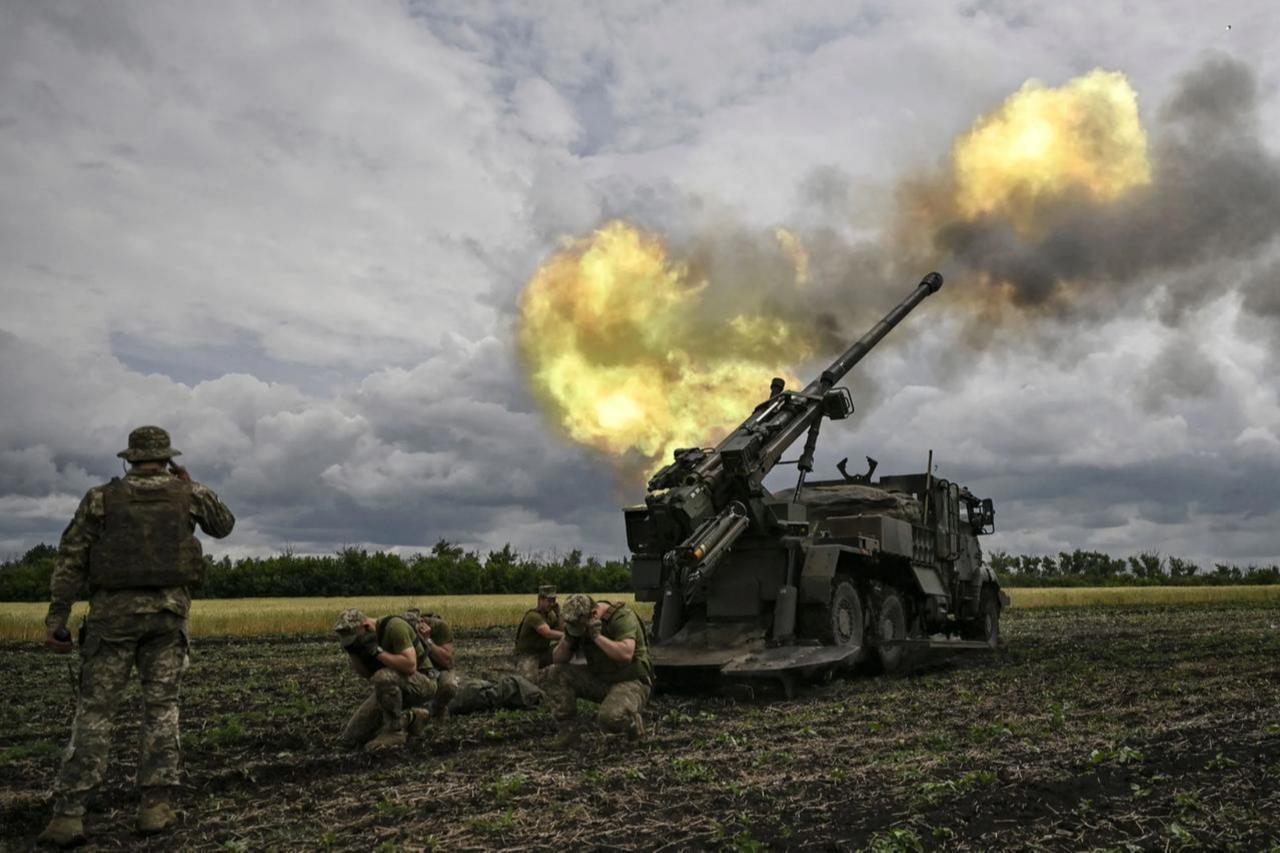
The biggest factor behind the upward revisions is the expectation that the economic fallout from the war will prove more prolonged than initially anticipated.
The outlook for a return to normal energy shipments through the Strait of Hormuz has deteriorated, adding to upward pressure on oil and natural gas prices. Disruptions to energy supplies, wider refinery margins, longer shipping routes and higher transportation and insurance costs have also driven up import prices.
The TCMB has also revised its food price assumptions upward, reflecting the knock-on effects of higher energy and transportation costs. Meanwhile, the prolonged conflict has limited the improvement in inflation expectations.

TCMB Governor Fatih Karahan said falling share prices could weigh on consumption through the wealth effect, potentially helping to bring inflation down. However, he noted that the impact of stock market losses on household spending has historically been more limited than that of other wealth channels.
That effect could become more pronounced this time around, given the expansion of the investor base in Türkiye's stock market in recent years. How much falling share prices ultimately affect consumption will depend on whether the downturn proves temporary or prolonged and how quickly markets recover.
Karahan also suggested that declining gold prices may have contributed to the recent cooling in demand, alongside the delayed effects of monetary policy, the war and developments in the investment fund market.
Karahan said demand for the Turkish lira remained resilient and confidence in the currency had strengthened despite the numerous shocks Türkiye had faced over the past three years.
He pointed to the growing share of lira-denominated deposits in the banking system as evidence of this trend, even as the central bank cut its policy rate and withholding tax rates increased.
According to Karahan, the shift toward the lira is not simply a matter of returns. Improving inflation dynamics and expectations, along with greater confidence in the central bank, have also played a role.
He said the TCMB had seen no signs of weakening lira demand despite developments over the past two months, adding that exchange rate volatility remained subdued.
Karahan also said the central bank saw no reason to change its current exchange rate policy but stood ready to use all available policy tools should dollarization pressures emerge.
According to figures shared by Karahan, the TCMB's gross reserves fell to $161 billion as of Nov. 6, down from $210 billion on Feb. 27, when the war began. That represents a $49 billion decline over the period.
Karahan said falling gold prices accounted for $28 billion of the decrease, meaning much of the decline reflected the loss in value of the central bank's gold holdings.
Meanwhile, net international reserves excluding swaps dropped by $50.4 billion over the same period to $28 billion.
The TCMB kept its medium-term inflation target unchanged at 5%. The first major takeaway from the report concerns the timeline for bringing inflation back into single digits.
The bank now sees single-digit inflation returning in 2029. That puts 2030 and beyond in focus as the period when inflation could fall to more manageable levels and move closer to the 5% target.
It is important to remember that a decline in inflation from 29.5% to 21%, then 13.5% and eventually 9%, does not mean prices will actually fall. It simply means they will continue to rise at a slower pace.
In other words, consumers will still face price increases, even if those increases become less steep. The revised trajectory suggests Türkiye's disinflation process will take longer than previously anticipated.
The second key takeaway concerns monetary policy. An inflation forecast of 21% for the end of 2027 suggests that tight monetary conditions will remain necessary for some time if the TCMB is to achieve price stability.
This outlook could also shape expectations for the pace of interest rate cuts and the pricing of financial assets.
Deutsche Bank and ING see the policy rate falling to around 30% by the end of 2027. Is Yatirim expects it to decline to 27% over the same period, while Seker Yatirim forecasts cumulative rate cuts of 700-1,000 basis points. Tacirler Yatirim, meanwhile, warns that rate cuts could be put on hold in the early months of 2027 because of minimum wage increases and other price adjustments.
The TCMB's policy rate currently stands at 36%, with markets expecting a 100-basis-point cut at the December meeting. If that forecast materializes, the rate could end 2026 at 35%.
With annual inflation currently hovering around 30%, the gap between the policy rate and CPI inflation stands at approximately 5-6 percentage points. Recent developments suggest the TCMB has sought to maintain this differential to help preserve the lira's strength.
Taking the latest developments and forecasts into account, market consensus points to a policy rate in the 25%-30% range by the end of 2027.


 Set as preferred source
 Set as preferred source


 7 min read