Newsletters




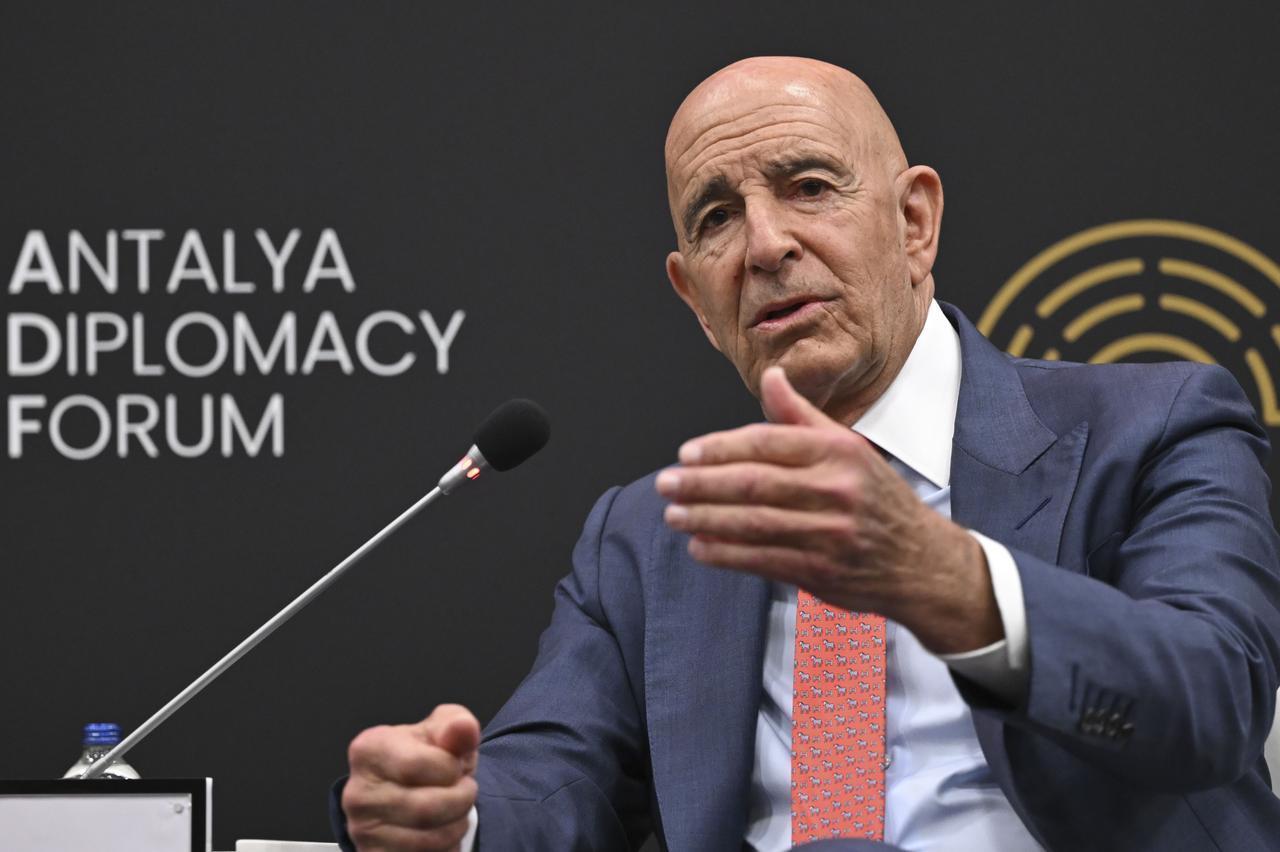
At the Antalya Diplomacy Forum, Ambassador Thomas Barrack’s take on a potential Israeli-Syrian deal highlighted a glaring geopolitical paradox.
Despite what he described as "zero retaliation" from Damascus, the Israeli side remains disinterested and aggressive. Barrack’s response was technically positive, but it was also a classic diplomatic non-answer—vague, uncertain, and open to interpretation.
That ambiguity was actually quite telling; it is a perfect reflection of exactly where we stand in the talks between Syria and Israel.
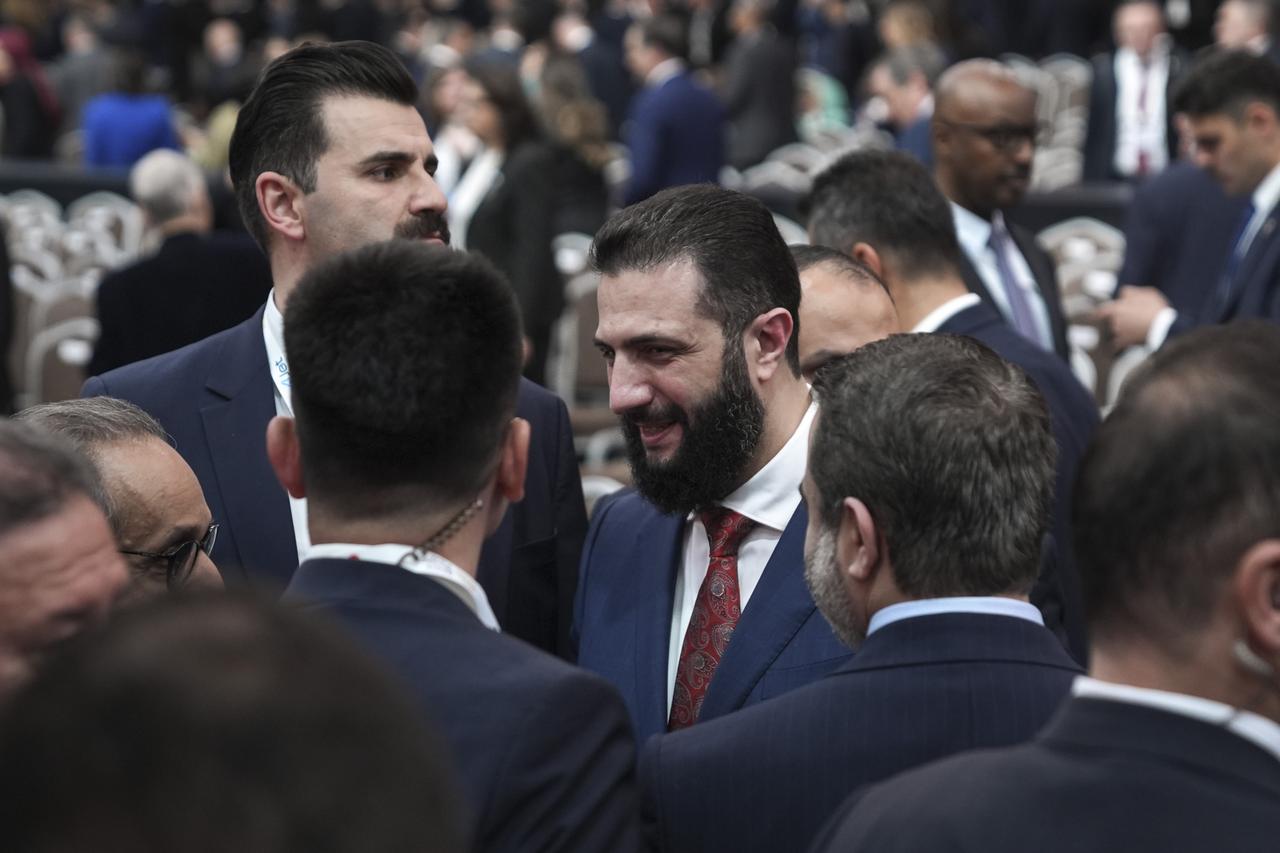
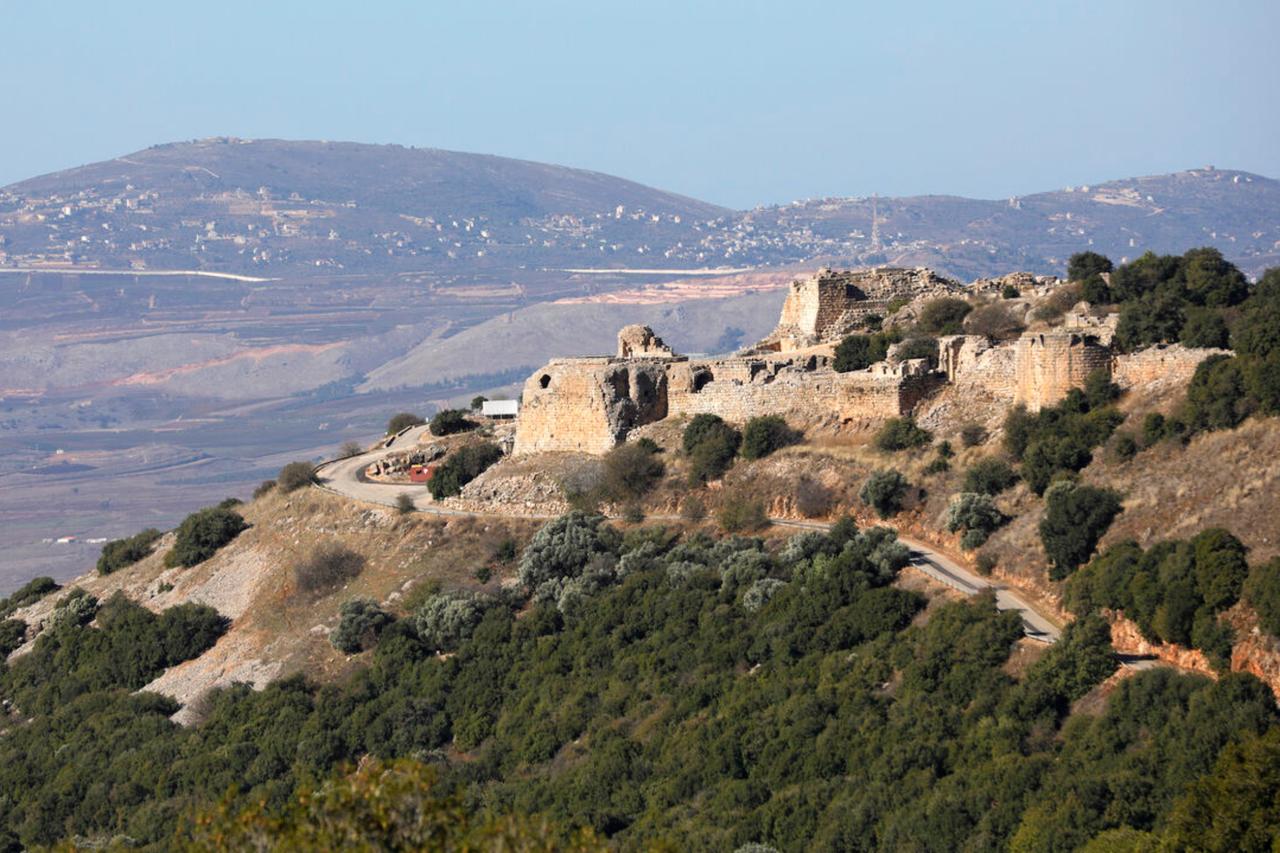
Following Barrack, Syrian President Ahmad al-Sharaa took the stage and hit the familiar expected notes. He re-emphasized that the Golan Heights cannot be legally annexed and remains Syrian land, belonging to its people. Yet, there was a pragmatic edge to his rhetoric.
Sharaa made sure to signal that while the Golan is sovereign territory, its occupation remains a live item on the negotiation agenda, provided a potential security mechanism is established first.
Damascus believes that bringing the status quo back to the 74 disengagement line or establishing a new status quo that foresees Israel's withdrawal from the recently occupied territories after Dec. 8 is the first step.
While the long-term future of the Golan Heights remains the core issue, Damascus appears to recognize that discussing comprehensive normalization is unrealistic as of now.

Interestingly, this phased approach is largely shared by Washington. However, it’s not at all clear if the Israeli government is on the same page.
It appears the Netanyahu administration is engaging in talks with Damascus primarily due to American pressure, while privately preferring no deal at all. In recent statements, Netanyahu has even signaled plans to extend the occupation around Mount Sheikh (Mount Hermon) rather than withdrawing to the Dec. 8 line.
This mentality was most visible during the last round of negotiations. While the public sees a "diplomatic process," the reality behind closed doors is far more frustrating. Contacts in Damascus suggest that the Syrian side actually expressed readiness to sign the US-brokered agreement text, only for Israel to back off from signing in a last-minute change of heart.
The failure of the talks and the non-answer by Barrack indicate that, actually, there is potential for a security mechanism deal, but that Israeli calculations aren’t clear yet. The Israeli government is still undecided which path to pursue with Damascus.
That decision may ultimately hinge on if and when the war with Iran concludes. If Israel is satisfied with the terms of an Iranian deal, we may see a shift in focus toward Syria; under the "Türkiye is Next" doctrine, Israel could pivot toward much more hostile actions against Damascus.
Conversely, if a deal with Iran proves fragile or unsatisfactory, Israel may have to close at least one chapter of regional hostilities. In that scenario, Syria becomes the most likely candidate for a de-escalation.


 Set as preferred source
 Set as preferred source


 2 min read
 1 min read