Newsletters


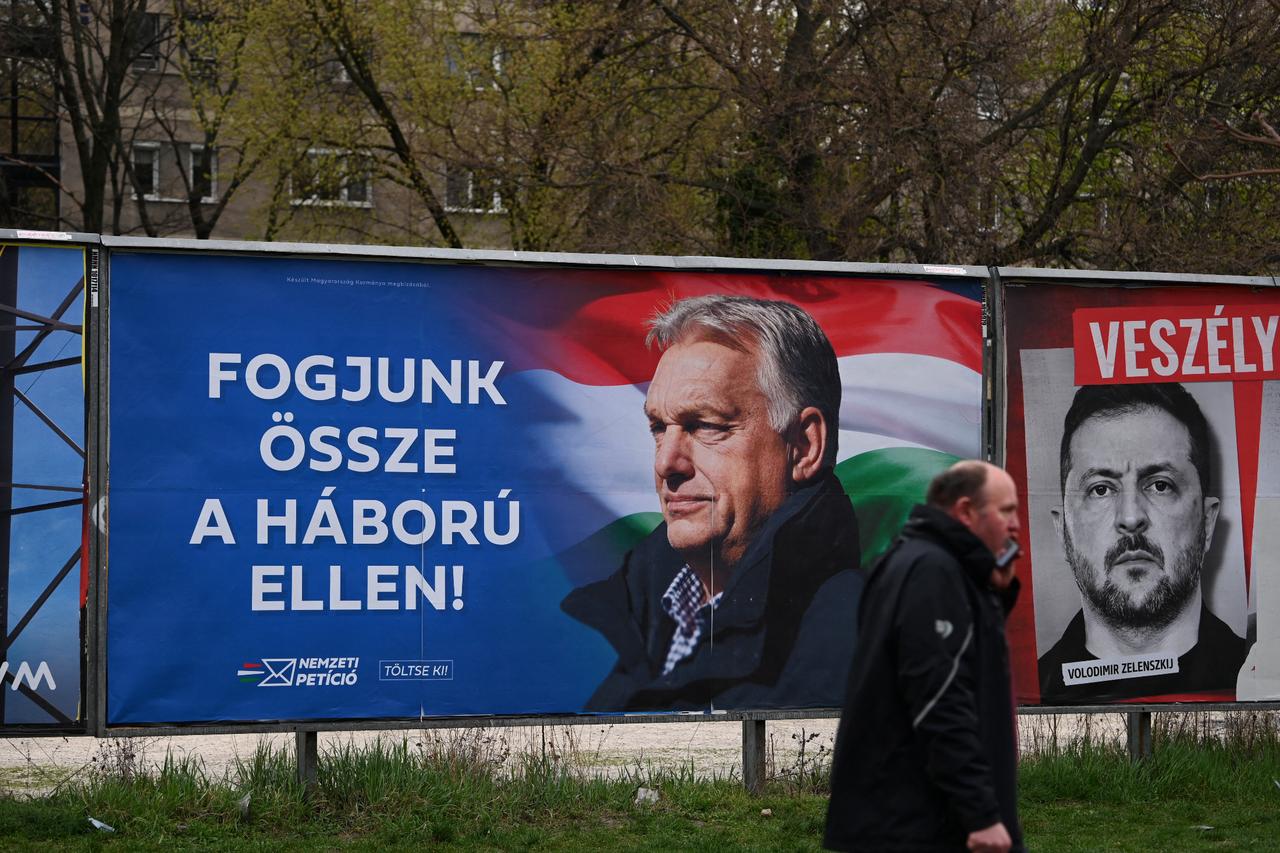


We are just days away from Hungary’s elections, a vote that could shape not only the country’s future but also the direction of Europe at a critical moment defined by overlapping crises.
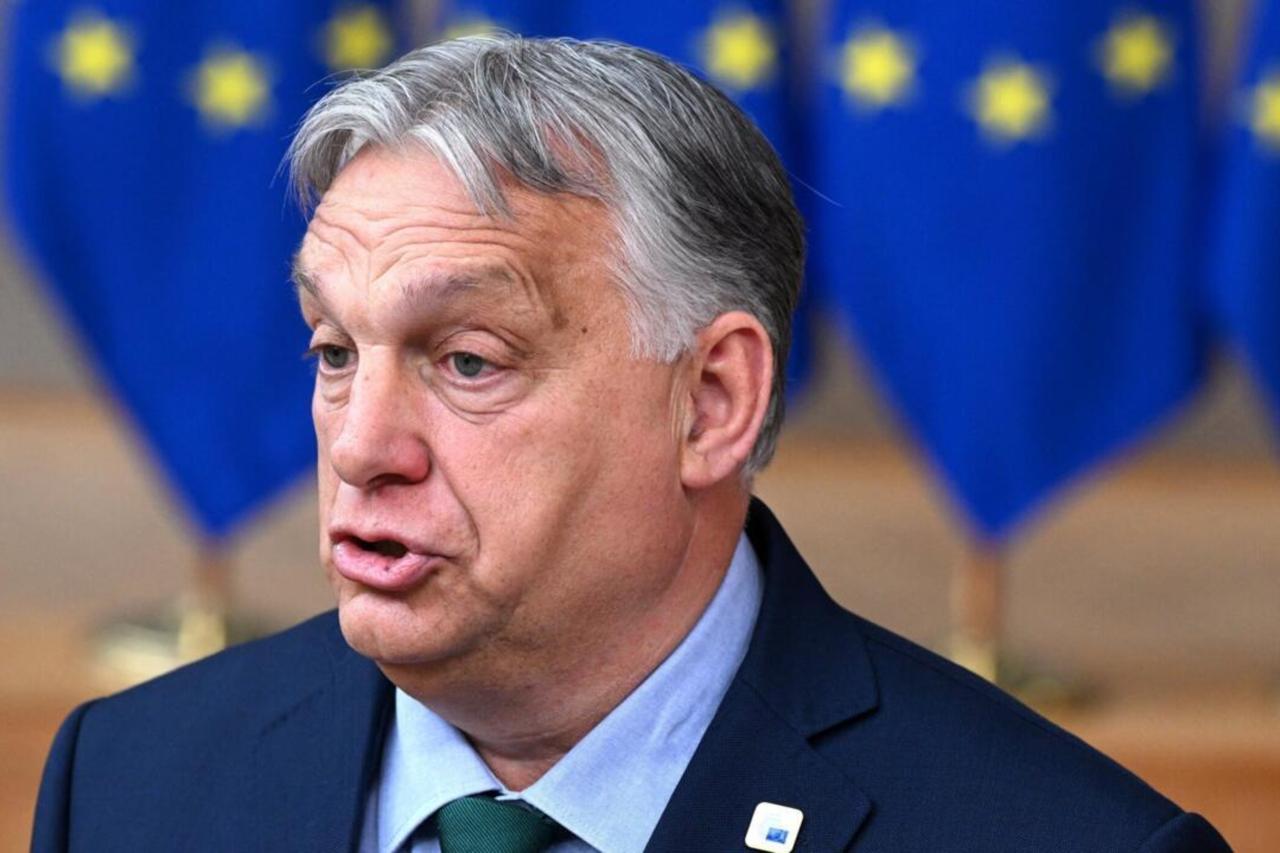
For years, Viktor Orban has built his political survival on defiance. He has challenged Brussels on almost everything, from the rule of law to Russia, steadily positioning himself as the European Union’s most consistent and outspoken critic.
Orban has opposed sanctions on Moscow, negotiated exemptions for Russian oil, and repeatedly called on Brussels to rethink its punitive approach.
At the same time, he has framed himself as a defender of Hungary’s identity, famously rejecting EU migration policies and warning against what he described as the "Islamization" of Europe during the refugee crisis.
Now, as global tensions rise following the latest war in the Middle East and the resulting volatility in energy markets, a recent development from Serbia may offer Orban exactly the narrative he needs.
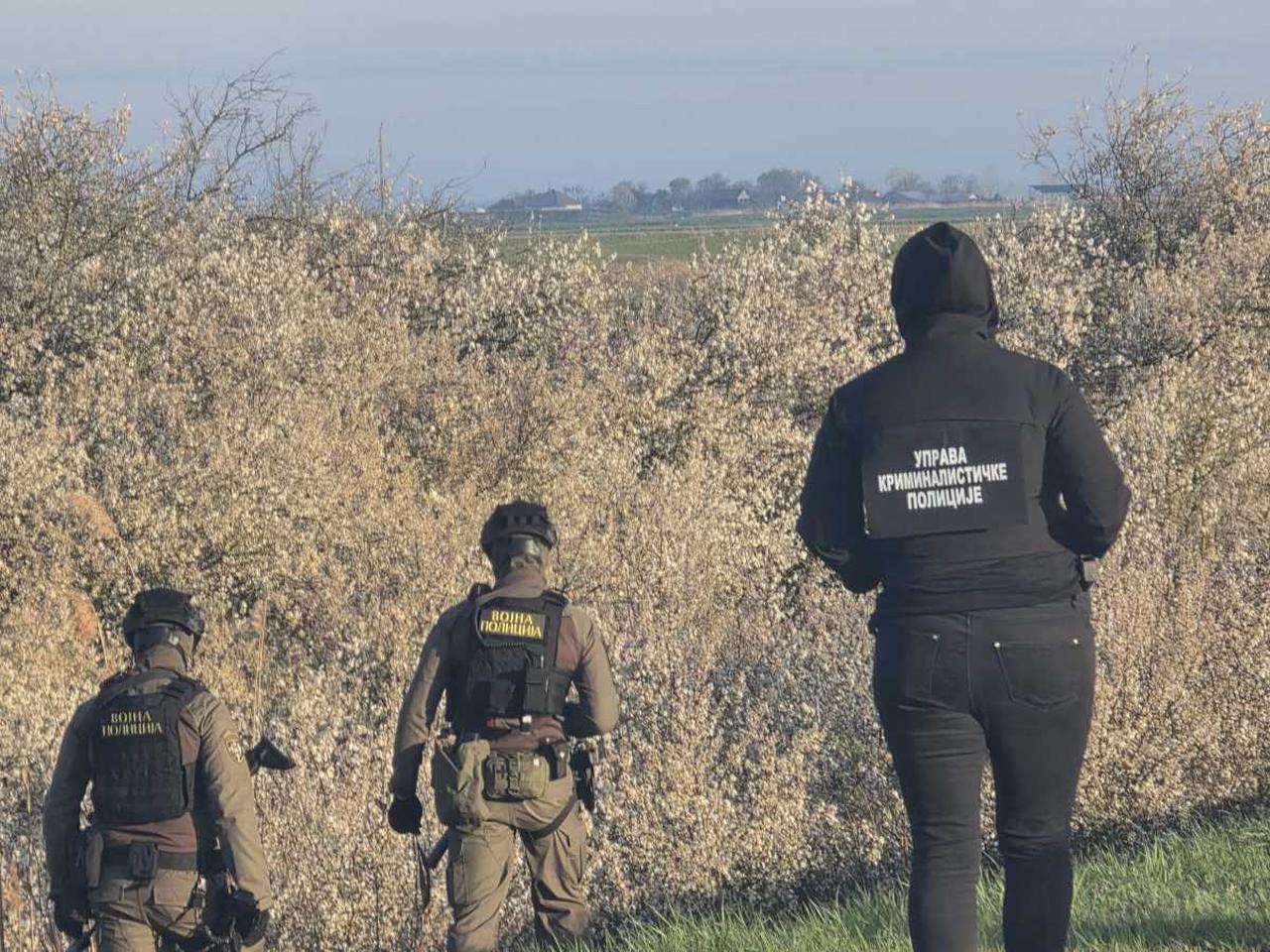
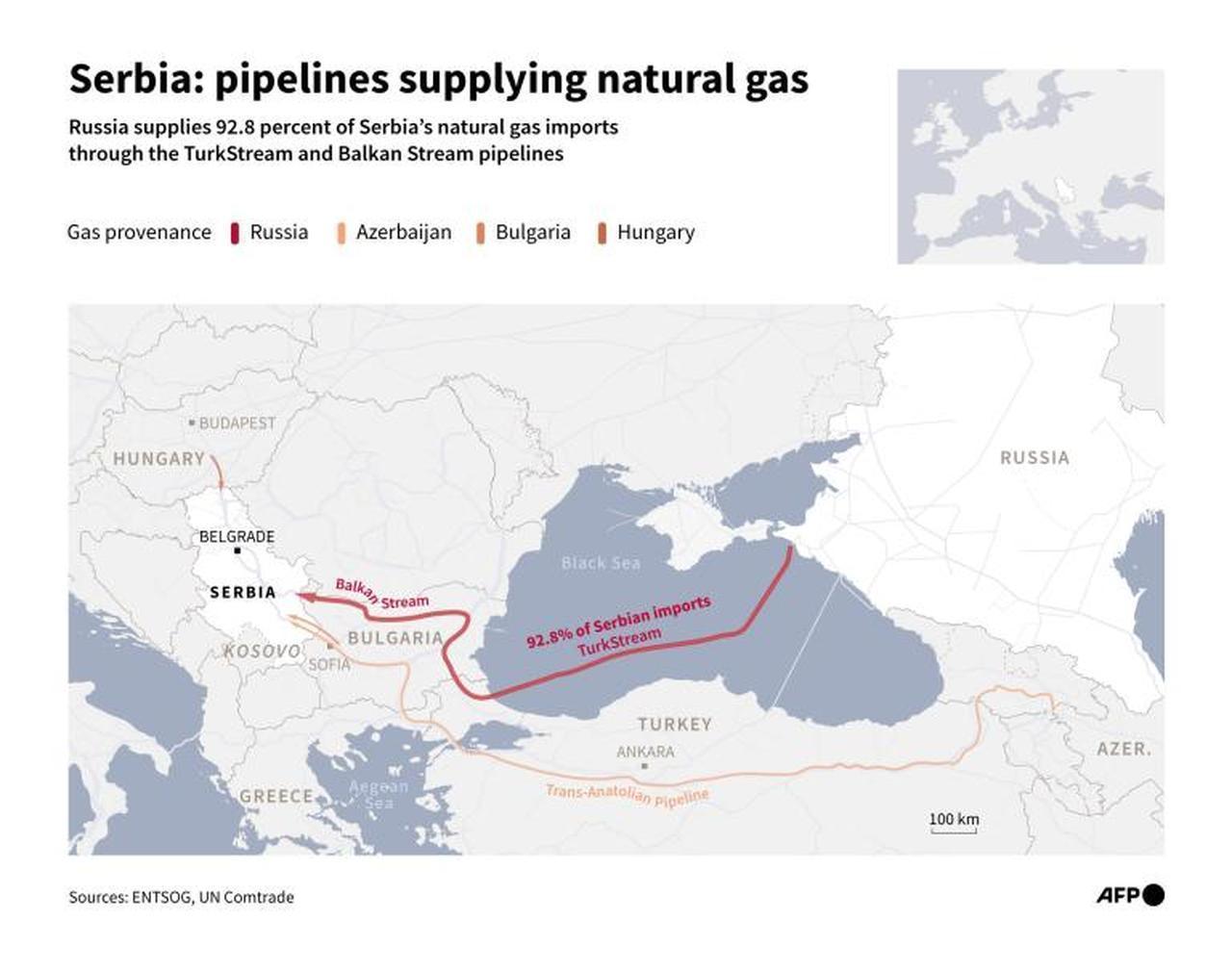
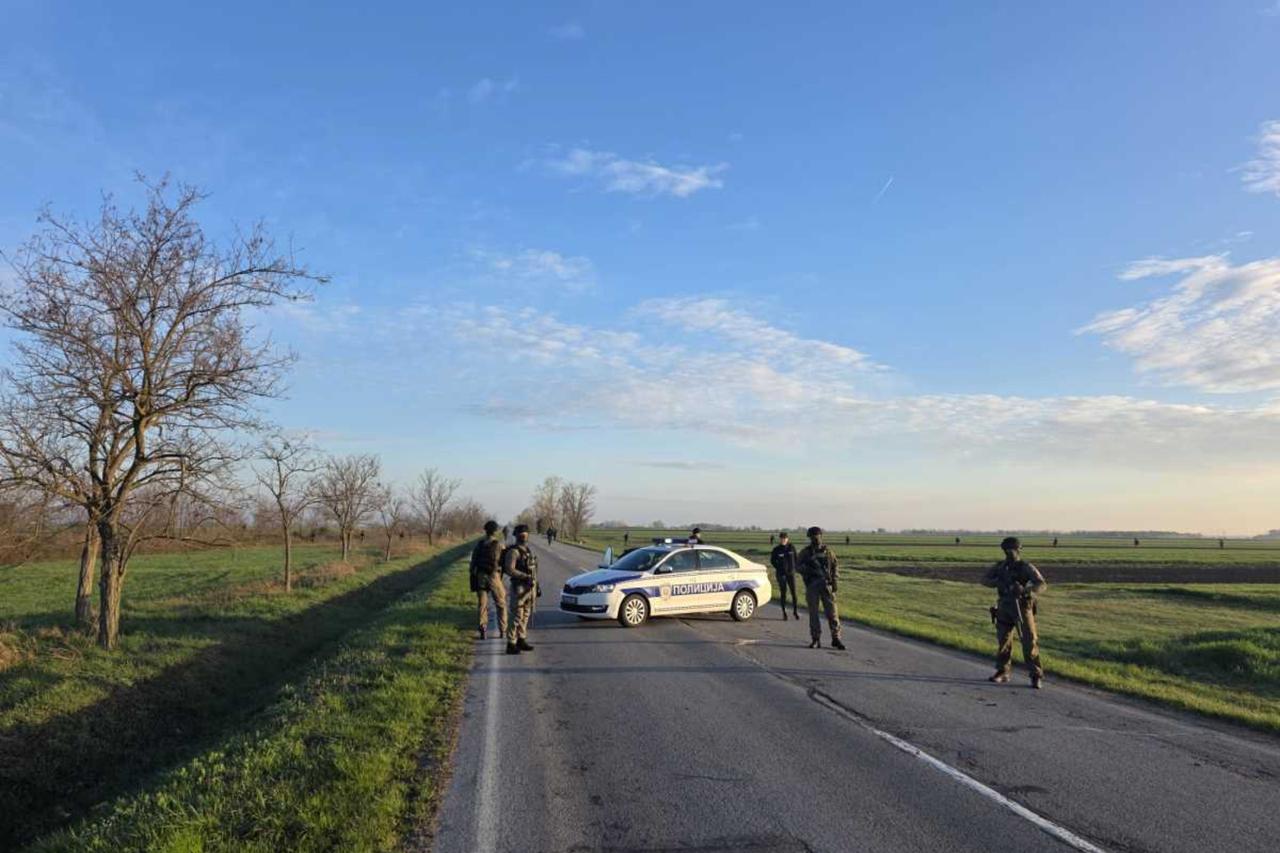
Over the weekend, President Aleksandar Vucic said Serbian authorities had discovered explosives near infrastructure linked to the TurkStream gas pipeline.
According to him, the devices were found close to sections of the network that supply Russian gas into Europe, including Hungary. The suggestion was immediate and powerful.
This was not just a local security concern. It was a potential threat to Europe’s already fragile energy lifelines.

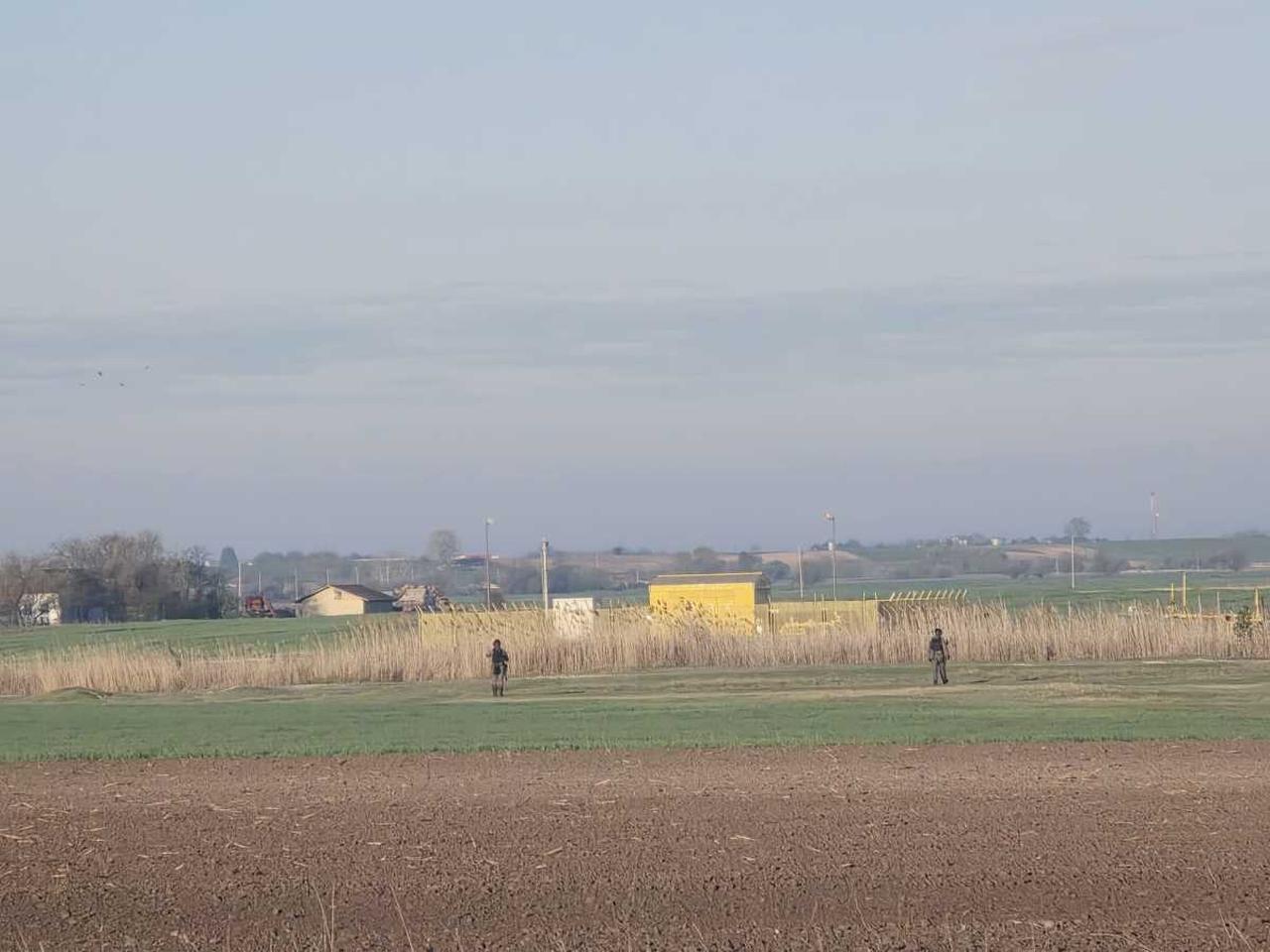
TurkStream has become one of the most critical arteries for Russian gas into Europe. The pipeline runs under the Black Sea to Turkiye and then into Southeast and Central Europe.
It has gained importance as other routes have been disrupted since the start of the war in Ukraine. For Hungary, it is essential.
This discovery has raised concerns about the vulnerability of energy infrastructure across the region.
At a time when supply chains are already strained, even the suggestion of sabotage can move markets and shape political narratives.
Orban has already laid the groundwork for how such incidents are interpreted. In the past, he has suggested that Ukraine could be behind attacks on pipelines linked to Russian energy. Ukraine has denied such accusations.
Meanwhile, in Budapest, the mood is tense. Hungarian media describe a deeply polarized society heading into a closely watched vote. Polls suggest that Orban and his Fidesz party remain competitive even after years in power.
His campaign has leaned heavily on stability, sovereignty and energy security. The opposition, a coalition of pro-European forces, is trying to shift the conversation.
They argue that Hungary’s closeness to Moscow has isolated the country within the EU and left it exposed to long-term risks. They are campaigning on restoring trust with Brussels, diversifying energy sources, and strengthening democratic institutions.
Investigative journalists in Hungary have already warned about the potential for security narratives to be amplified or instrumentalized ahead of elections.
Some have pointed to the possibility that even unverified threats can shape voter perceptions. While there is no confirmed evidence of a staged incident, the convergence of timing, messaging, and political need has raised questions.
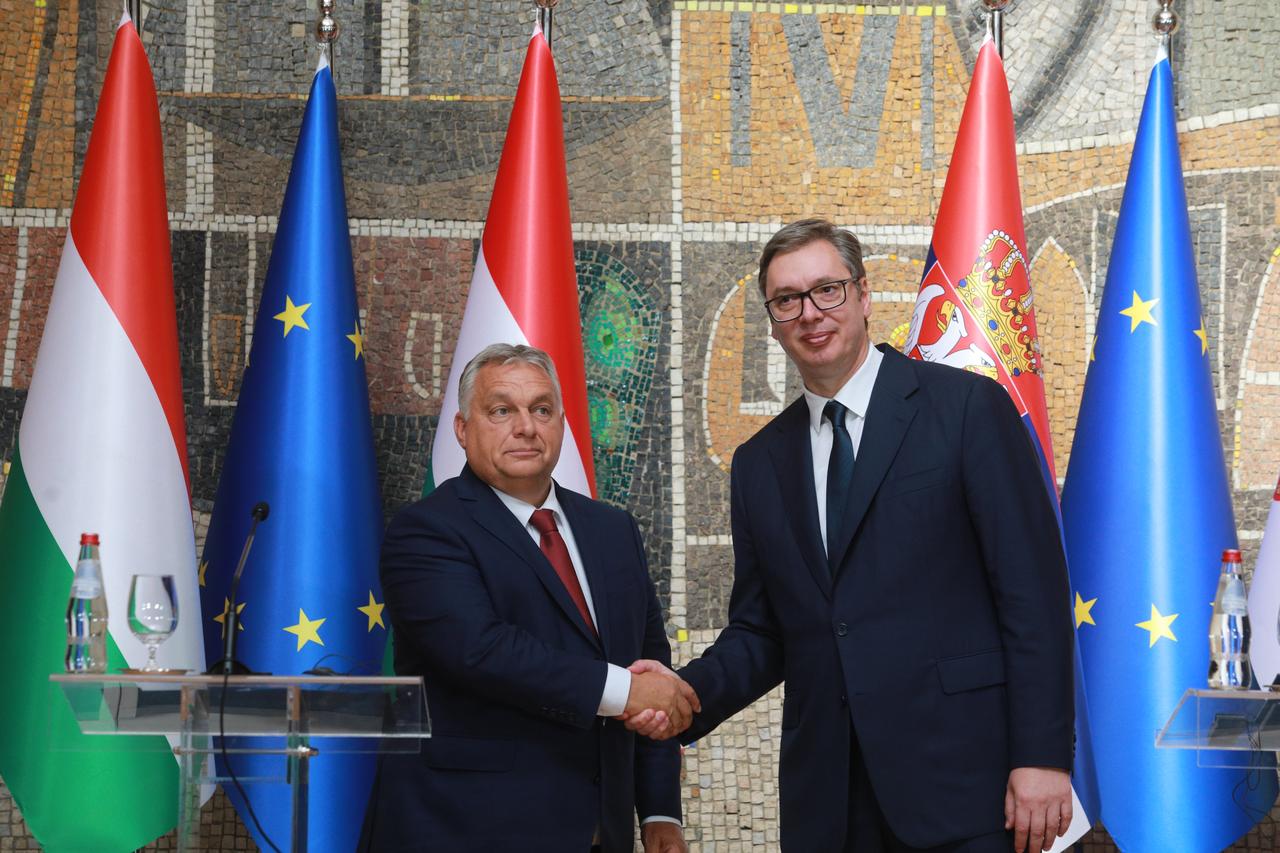
The fact that the information comes from Serbia adds another layer. Belgrade’s relationship with Brussels has had ups and downs, but Serbia remains an EU candidate country, balancing relations between Moscow and Brussels.
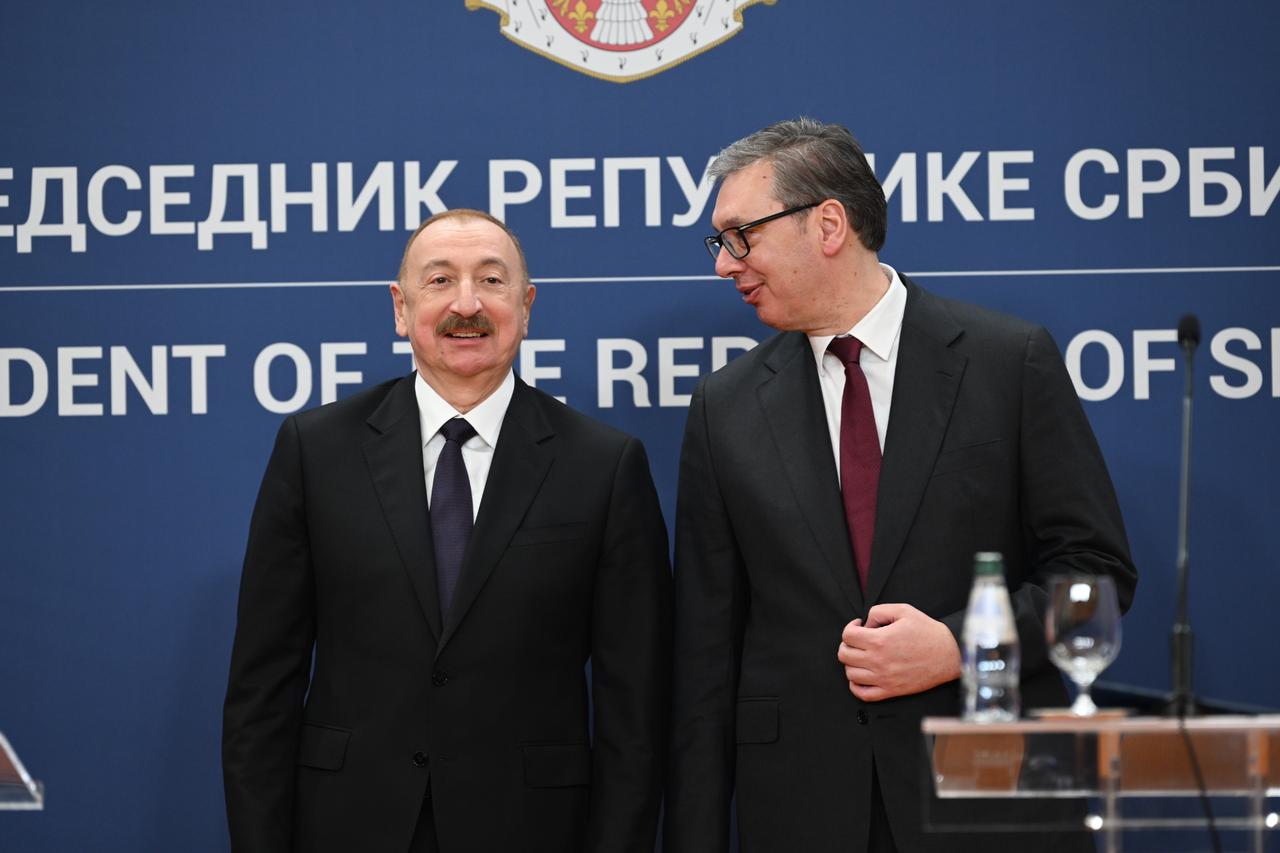
Aleksandar Vucic faces protests at home and criticism from the EU over democratic backsliding. His alignment with leaders like Orban on Russia has become increasingly visible.
Much of the EU’s political focus has shifted toward the United States and the uncertainties surrounding Donald Trump’s latest moves affecting the bloc’s economy.
In that space of distraction, pro-Russia-leaning governments within the EU may find more room to maneuver, reinforce their narratives, and consolidate power domestically.
This is not the first time Brussels has struggled to respond decisively in the region. The Banjska attack in northern Kosovo in 2023, where heavily armed Serb militants clashed with Kosovo police, exposed serious security concerns. Yet the EU response remained cautious, avoiding direct confrontation with Belgrade despite the gravity of the incident.
That pattern risks repeating itself.
If Orban secures another victory, the implications will extend far beyond Hungary.
His continued leadership would likely reinforce a bloc within Europe that questions sanctions, maintains ties with Moscow, and resists deeper integration. In a moment when unity is already fragile, that matters.
Following US and Israeli actions against Iran, global energy markets have reacted sharply.
Oil prices have climbed and gas markets have tightened, reviving fears of supply shortages and higher costs across Europe. For countries already under economic pressure, the appeal of stable and cheaper Russian energy becomes harder to dismiss.
In that environment, narratives about threats to pipelines like TurkStream do more than raise security concerns. They shape political choices.
Hungary’s election is therefore not just about one leader or one country. It is about how Europe navigates a convergence of crises.
It is about whether external shocks and carefully timed warnings can tilt domestic politics.
And it is about whether Brussels can respond with clarity, or whether it will once again find itself reacting too slowly to forces that are reshaping the union from within.


 Set as preferred source
 Set as preferred source


 1 min read
 1 min read