

 Newsletters


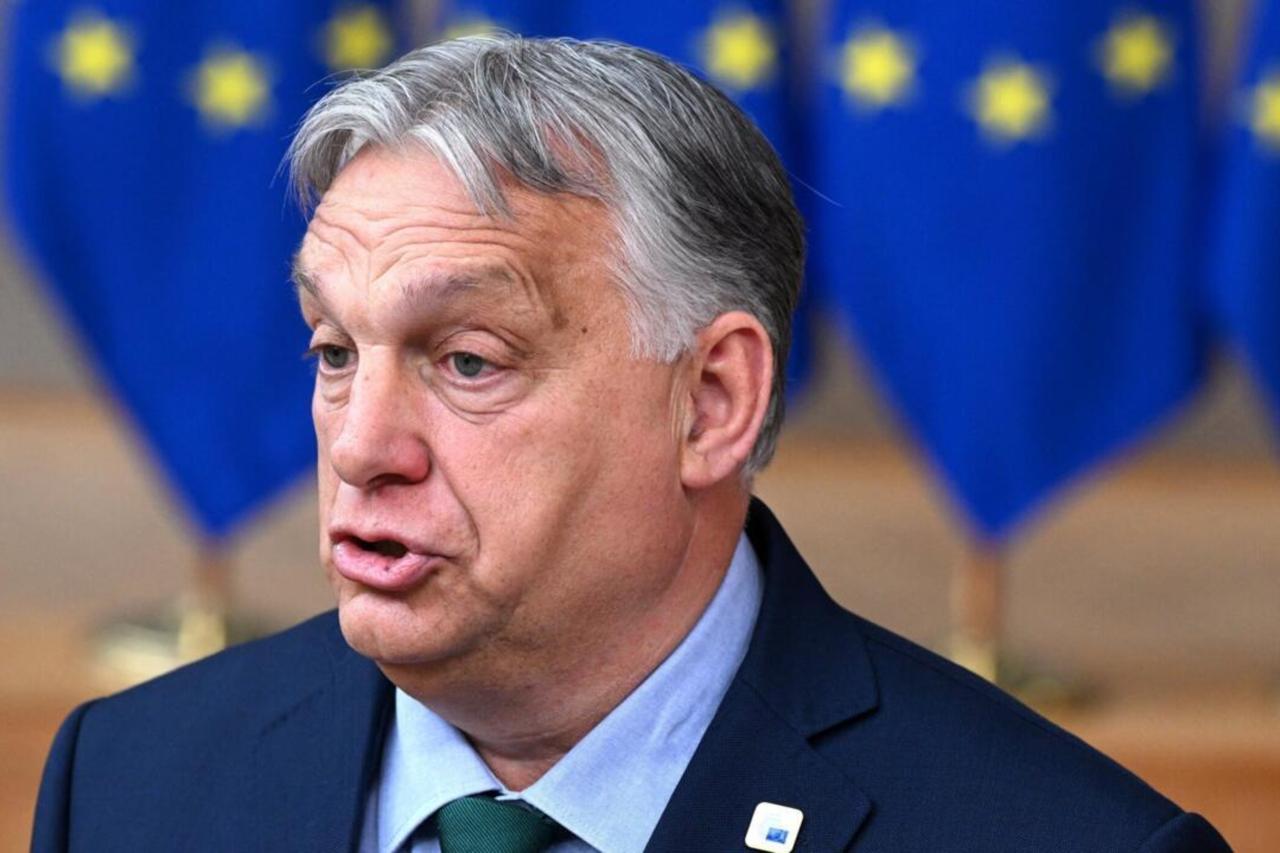


Hungary holds strategic importance not only as a regional actor within the European Union and NATO, but also as a long-standing partner of many Western countries.
However, against the backdrop of Russia’s war against Ukraine, the current Hungarian political leadership has moved significantly closer to Moscow—the principal geopolitical adversary of most European states and a direct enemy of Ukraine in the ongoing war.
Hungary is now approaching a decisive moment in its parliamentary race under conditions of unprecedented political tension. Amid declining approval ratings for the ruling Fidesz party and the rapid rise of the opposition Tisza movement led by Peter Magyar—currently polling 8%–12% ahead of the government—Moscow has reportedly launched a large-scale operation aimed at preserving Viktor Orban’s hold on power.
According to investigations by The Financial Times and sources from VSquare, the Kremlin has mobilized significant resources to manipulate public opinion in Hungary.
The operation is coordinated by high-ranking officials from the Russian Presidential Administration, spearheaded by Andrey Yarin, the head of the domestic policy directorate and the operation’s chief manager. Working closely with him is Vadim Titov, a trusted associate of Sergey Kiriyenko and head of a newly established department for strategic partnerships; Titov, who visited Budapest last week, is tasked with testing tools for direct foreign electoral interference for the first time.
The on-the-ground execution and analysis of Hungarian voter behavior are managed by Grigory Kazankov, president of the Russian Association of Political Consultants. Completing the leadership group is Firus Aliyev, an ideological supervisor affiliated with the Expert Institute for Social Research.
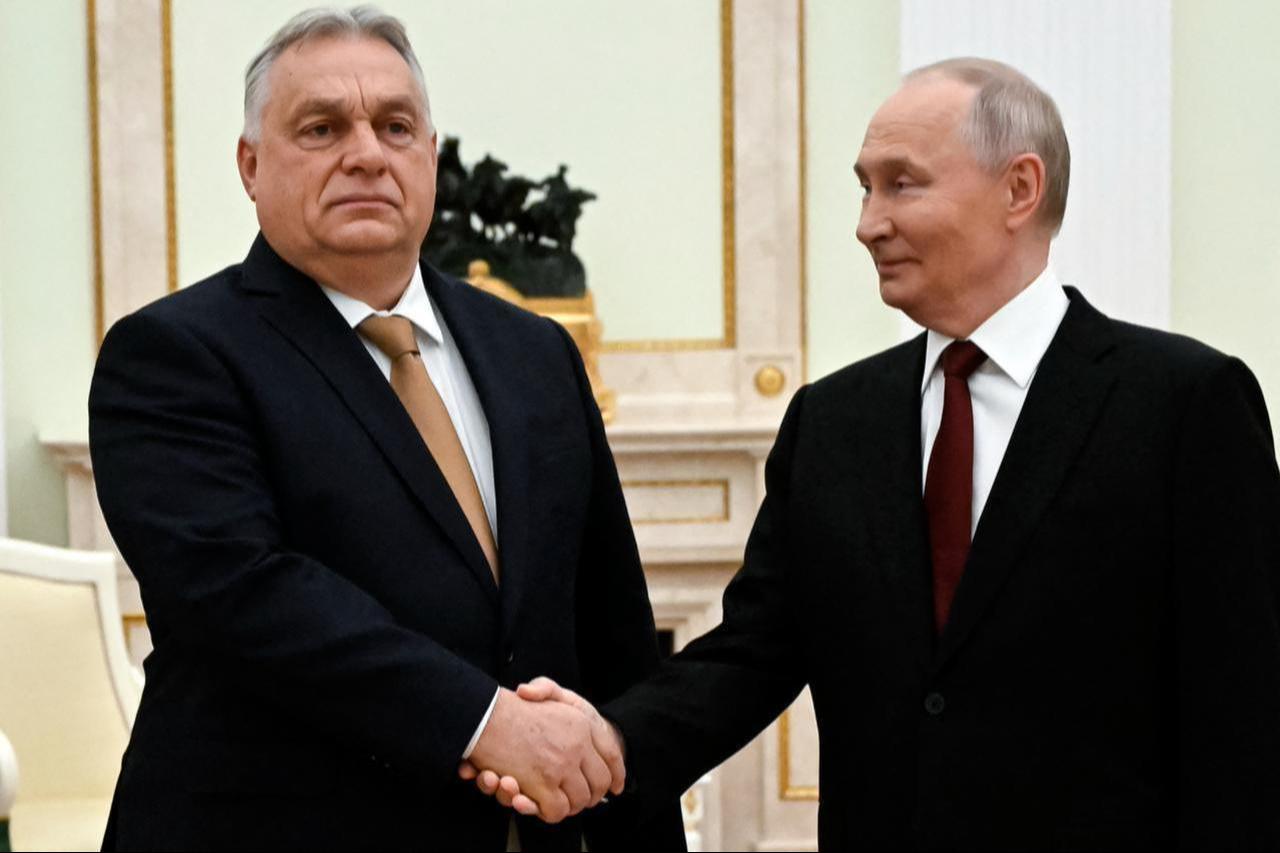

The information campaign is being conducted through a wide network of digital platforms and influence operations. At the center of the psychological operations hub is the Social Design Agency, linked to Ilya Gambashidze, which engineers the specific disinformation strategies aimed at discrediting Peter Magyar while promoting a positive image of Orban on social media.
The narrative is amplified by the “Pravda” network, associated with Yevgeny Shevchenko, which disseminates propaganda through hundreds of controlled websites. Inforos (Denis Tyurin) creates fake “independent” media outlets to promote pro-Russian narratives and EDNA, a firm led by Yulia Serebryanskaya, provides technical infrastructure for the mass distribution of manipulative and toxic content.
A separate and particularly concerning role in this campaign is played by Russian intelligence operatives working directly “on the ground” in Hungary: Oleg Smirnov, an intelligence officer coordinating communication between Moscow and local networks; Denis Davydov, officially a correspondent for VGTRK, but in reality an operative with multiple identities and documents, carefully concealing his digital footprint; Vadim Yurchenko, a major and deputy military attaché of the Russian Federation in Hungary, reportedly involved in shadow operations.
For Moscow, maintaining Viktor Orban in power is not merely a political preference—it is a strategic objective.
Russian intelligence services and political technologists have effectively constructed a closed ecosystem of influence within Hungary, supplying narratives aligned with Kremlin interests, particularly those emphasizing external threats and geopolitical confrontation.
This interference represents a direct attempt to artificially shape the democratic will of the Hungarian people and to keep Budapest firmly within Russia’s sphere of influence at a time when European unity remains critical.
DISCLAIMER: The views and opinions expressed in this article are those of the author and may not necessarily reflect the editorial policy of Türkiye Today.


 Set as preferred source
 Set as preferred source


 1 min read
 1 min read



