Newsletters


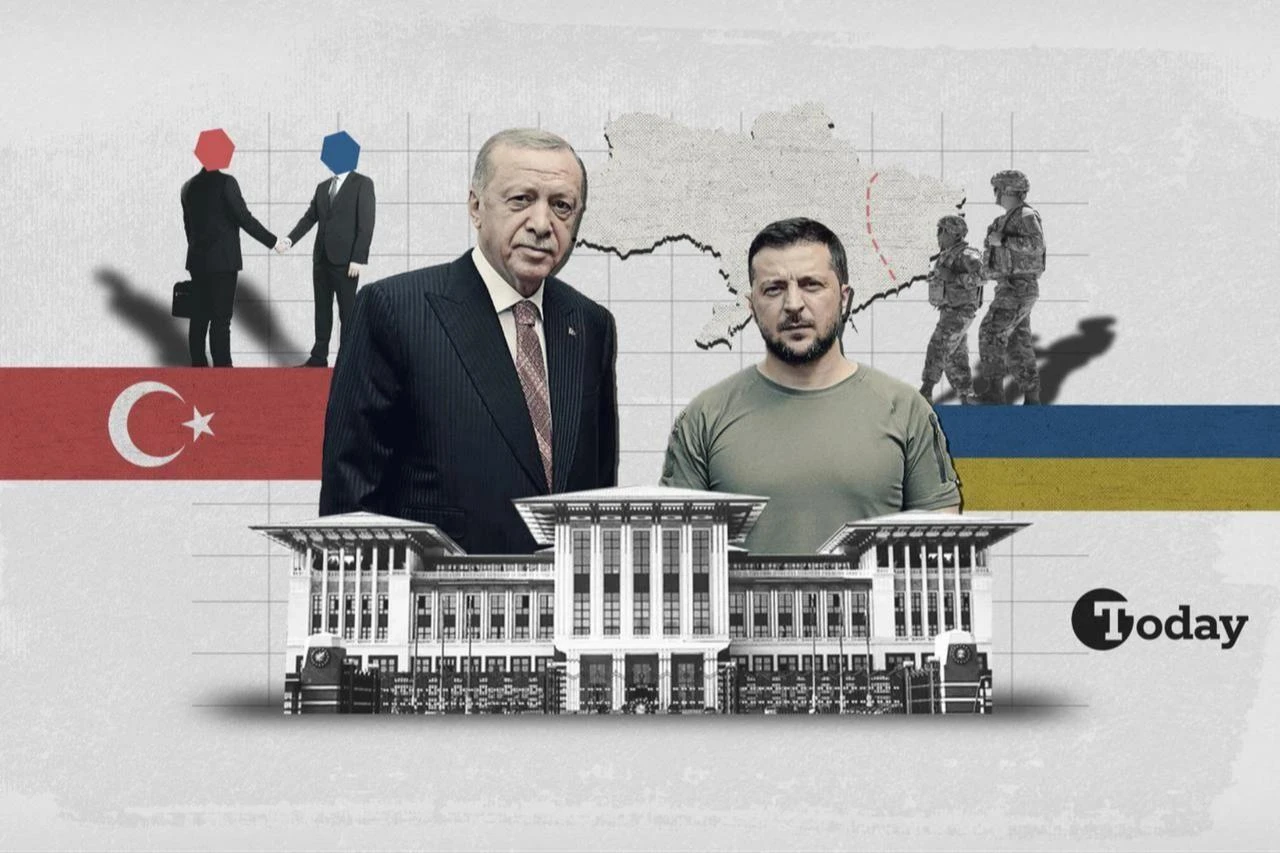


Ukraine's Parliament, Verkhovna Rada, has ratified the free trade agreement (FTA) with Türkiye, with 236 voting in favor, exceeding the required threshold of 226 votes.
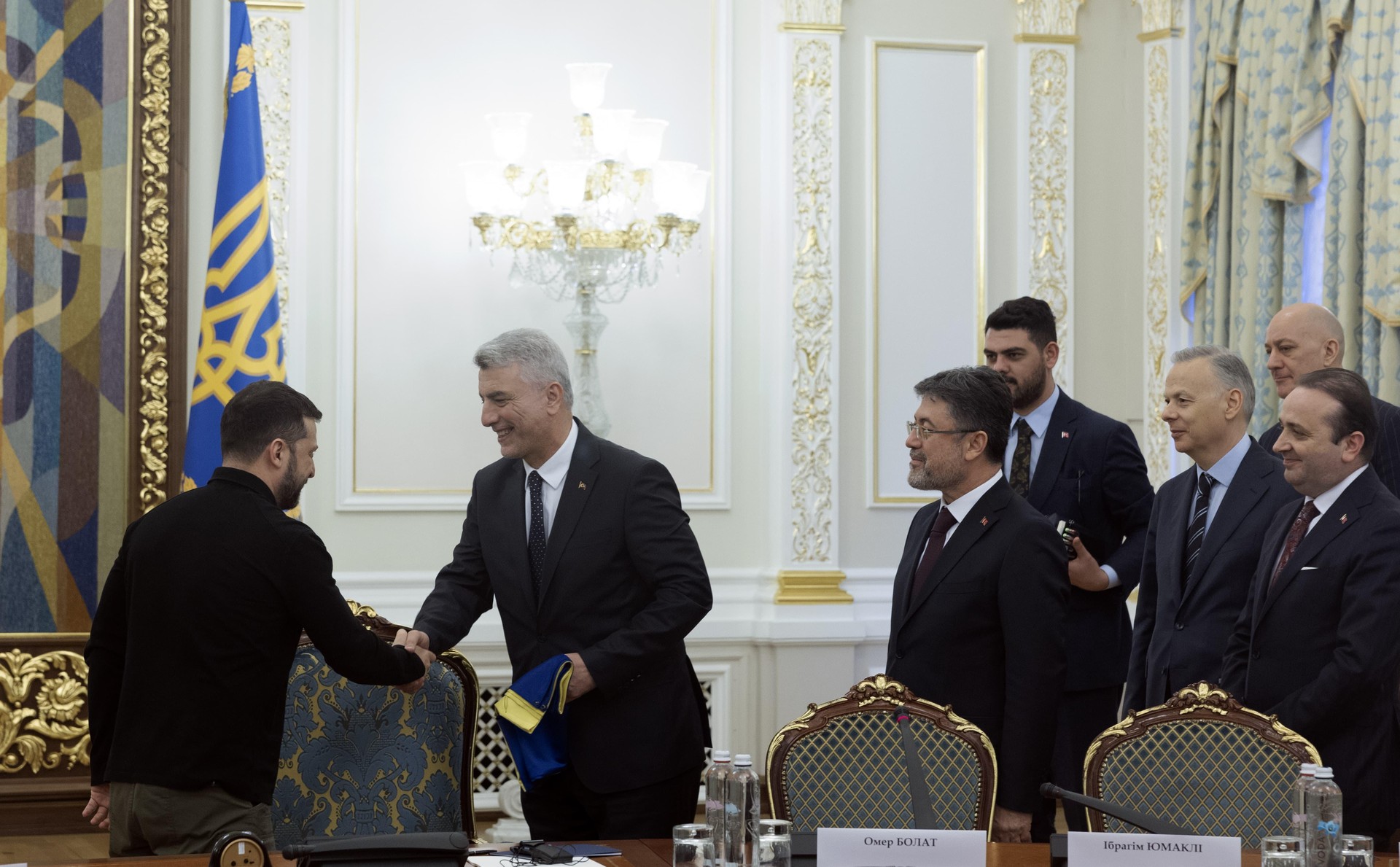
The ratification comes more than four years after the agreement was signed in Kyiv in February 2022 and coincides with preparations for the visit of Turkish Foreign Minister Hakan Fidan to Ukraine.
Türkiye completed its own ratification process earlier, in August 2024. The agreement will formally enter into force once both governments exchange the official instruments of ratification.
For both countries, the FTA establishes a new framework for bilateral trade through the gradual elimination of import tariffs. Türkiye will immediately remove duties on 93.4% of Ukrainian industrial products and 7.6% of agricultural goods.
Following transitional periods ranging from three to seven years, tariff liberalization will expand to an additional 1.5% of industrial products and 28.5% of agricultural exports.
Ukraine, in turn, will eliminate tariffs immediately on 56% of Turkish industrial goods and 11.5% of agricultural products, while over the next two to 10 years it will phase out duties on a further 43.2% of industrial goods and 53.7% of agricultural products.
Overall, the agreement provides for full tariff liberalization covering 84% of Ukrainian product categories, while preferential tariff quotas will apply to an additional 6% of goods.


Recent trade figures demonstrate the growing importance of economic ties between Ukraine and Türkiye. In 2025, bilateral trade reached US$7.9 billion, while Ukrainian exports to Türkiye increased by 23%, totaling US$2.7 billion.
As a result, Türkiye became the second-largest importer of Ukrainian goods, underscoring its strategic role as one of Ukraine's leading trading partners.
The agreement is expected to have its greatest impact on agricultural trade, particularly in grain and food processing. At present, approximately 77% of Ukraine's exports to Türkiye consist of unprocessed grain and sunflower oil, commodities that have traditionally been imported by Turkish companies for domestic processing.
The new FTA fundamentally changes this model by eliminating tariff barriers for higher value-added products, including processed food, animal feed concentrates, and products derived from the deep processing of grain and oilseed crops.
This creates new opportunities for Ukrainian producers to export finished products directly to the Turkish market rather than supplying raw materials alone.
The removal of customs duties also creates strong incentives for Turkish and Ukrainian investors to establish agricultural processing facilities inside Ukraine. An equally important advantage is the agreement's alignment with the modernized Pan-Euro-Mediterranean (PEM) Convention on Rules of Origin.
This framework will allow Ukrainian manufacturers to incorporate Turkish raw materials and industrial components into their production processes while preserving preferential origin status, enabling duty-free exports of finished products to the European Union.
In practical terms, the agreement is expected to encourage the creation of joint Ukrainian–Turkish ventures in the agri-food sector. Such partnerships could combine Turkish technologies, investment, and industrial inputs with Ukraine's agricultural resources to manufacture higher value-added products for export to EU markets, strengthening regional supply chains and enhancing the competitiveness of both economies.
Beyond its immediate economic effects, the FTA creates a long-term strategic framework for deepening economic integration between Ukraine and Türkiye.
For Ukrainian businesses, the agreement provides valuable time to establish a strong presence in the Turkish market, develop reliable logistics networks, and build lasting commercial partnerships well before Ukraine's prospective accession to the European Union.
Ukrainian officials have therefore described the agreement not merely as a trade arrangement but as a practical milestone that strengthens the strategic partnership between the two countries.
The agreement is also expected to transform the structure of Ukraine's exports. Over the coming years, the share of raw grain and unprocessed oilseeds is likely to decline as exports shift toward higher value-added products, including flour, compound animal feed, packaged sunflower oil, processed food products, and other agri-food commodities.
The elimination of tariffs significantly improves the competitiveness of these products in the Turkish market and encourages Ukrainian producers to move further up the value chain.
For Turkish investors, the FTA creates incentives to relocate part of their agricultural processing capacity to Ukraine. Establishing grain and oilseed processing facilities closer to the source of raw materials would reduce transportation costs, strengthen supply chain resilience, and enable Turkish companies to export finished products more efficiently to domestic consumers as well as to markets across the Middle East.
The agreement also contributes to Türkiye's long-term food and industrial resource security by ensuring more predictable access to Ukrainian grain, oilseeds, and metallurgical raw materials. This stable supply base supports Türkiye's strategy of maintaining its leading position in the processing and re-export of value-added agricultural products—including flour and pasta—to markets in the Middle East, North Africa, and Asia.
At the same time, the gradual elimination of Ukrainian import tariffs will improve market access for Turkish exporters. Turkish manufacturers are expected to strengthen their positions in Ukraine across a broad range of sectors, including industrial machinery, automotive components, construction materials, household chemicals, textiles, and consumer goods, benefiting from enhanced price competitiveness under the preferential trade regime.
From a broader geopolitical perspective, the agreement establishes a free trade area linking the two largest economies of the Black Sea region. This provides Turkish companies with significant long-term advantages over competitors from other regional markets while reinforcing Türkiye's position as one of Ukraine's principal strategic and economic partners.
Ultimately, the ratification of the FTA represents more than the liberalization of bilateral trade. It marks the transition from a conventional trading relationship to a deeper economic partnership built on predictable market access, investment cooperation, integrated production chains, and long-term regional stability.
If effectively implemented, the agreement has the potential to increase bilateral trade well beyond the current level of US$7.9 billion, while strengthening the economic resilience and strategic interdependence of both countries.


 Set as preferred source
 Set as preferred source


 1 min read
 1 min read