Newsletters


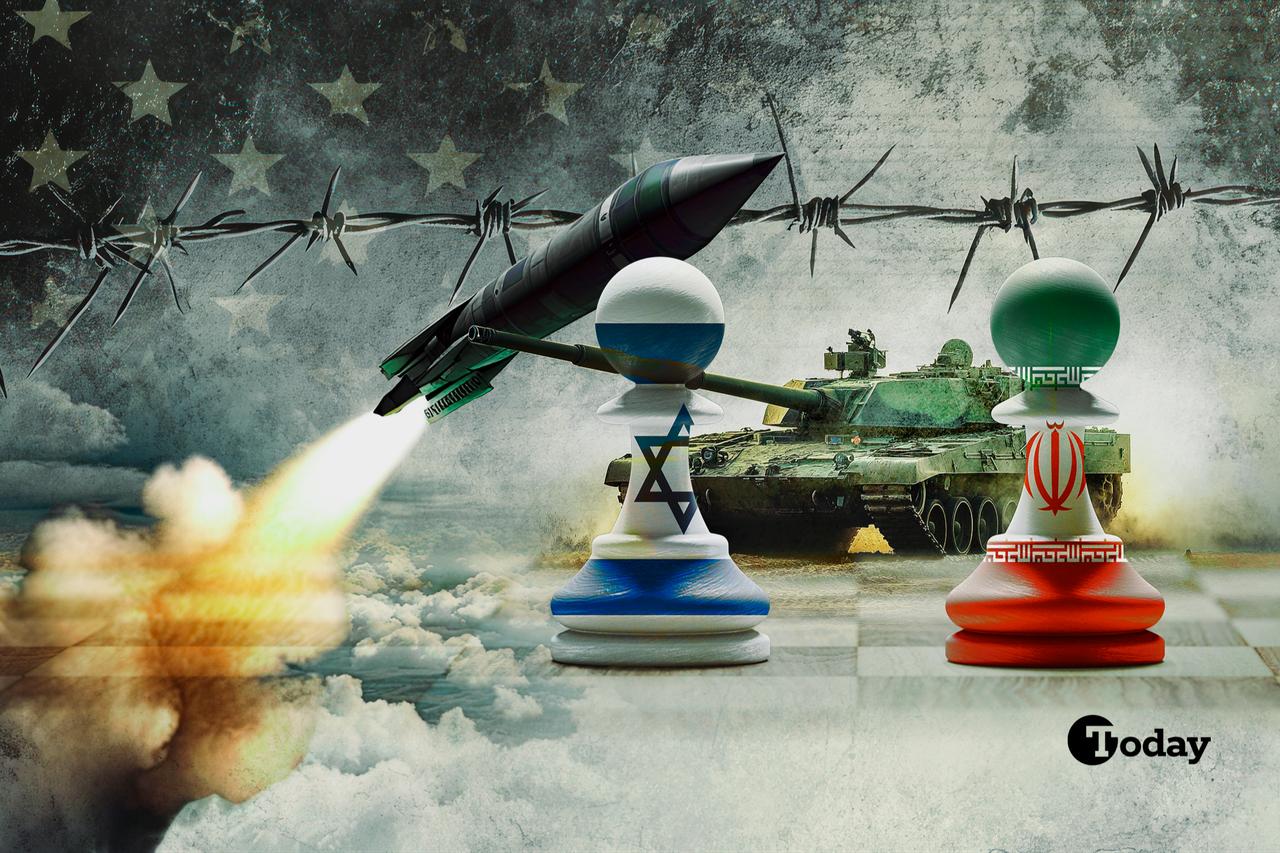


As of the first week of February, the Iran–United States–Israel standoff sits at a perilous inflection point, straddling the thin line between diplomatic engagement and renewed military confrontation.
What began in June 2025 with Israel's multi-domain kinetic and non-kinetic (electronic and cyber) attack on Iran and Iran's large-scale ballistic missile and drone attack on Israel has, over the ensuing months, evolved into a broader U.S.–Iran confrontation shaped by nuclear diplomacy, military posturing, and regional geopolitical calculations.
The tension reached a new level when the U.S. military announced on Feb. 3rd that a U.S. Navy F-35C fighter jet had shot down an Iranian Shahed 139 surveillance drone in the Arabian Sea. The Iranian drone was "aggressively approaching" the USS Abraham Lincoln aircraft carrier, according to the statement.
The approach of the USS Abraham Lincon carrier strike group to the region in late January triggered speculations that a U.S. attack on Iran was imminent.
Around the same time of the shootdown incident in the Gulf, controversy and uncertainties around the planned U.S.-Iran negotiations in Istanbul on Feb. 6 have intensified.
Iran reportedly insists that the meeting with the United States be shifted from Türkiye to Oman and be limited strictly to bilateral nuclear talks. The demand to change the format and scope of the negotiations coincided with U.S. President Donald Trump's statement that with the U.S. carrier strike group in the region, "bad things would probably happen if a deal could not be reached".
The 12-day war in June 2025 represented a clear turning point, yet it fell short of delivering a decisive or outcome-determining resolution. Neither war nor peace has solidified; instead, the Middle East finds itself in a tense, high-stakes standoff with unpredictable trajectories. Yet, the question remains: Will there be a second round? This answer to this question depends on a number of sub-questions.
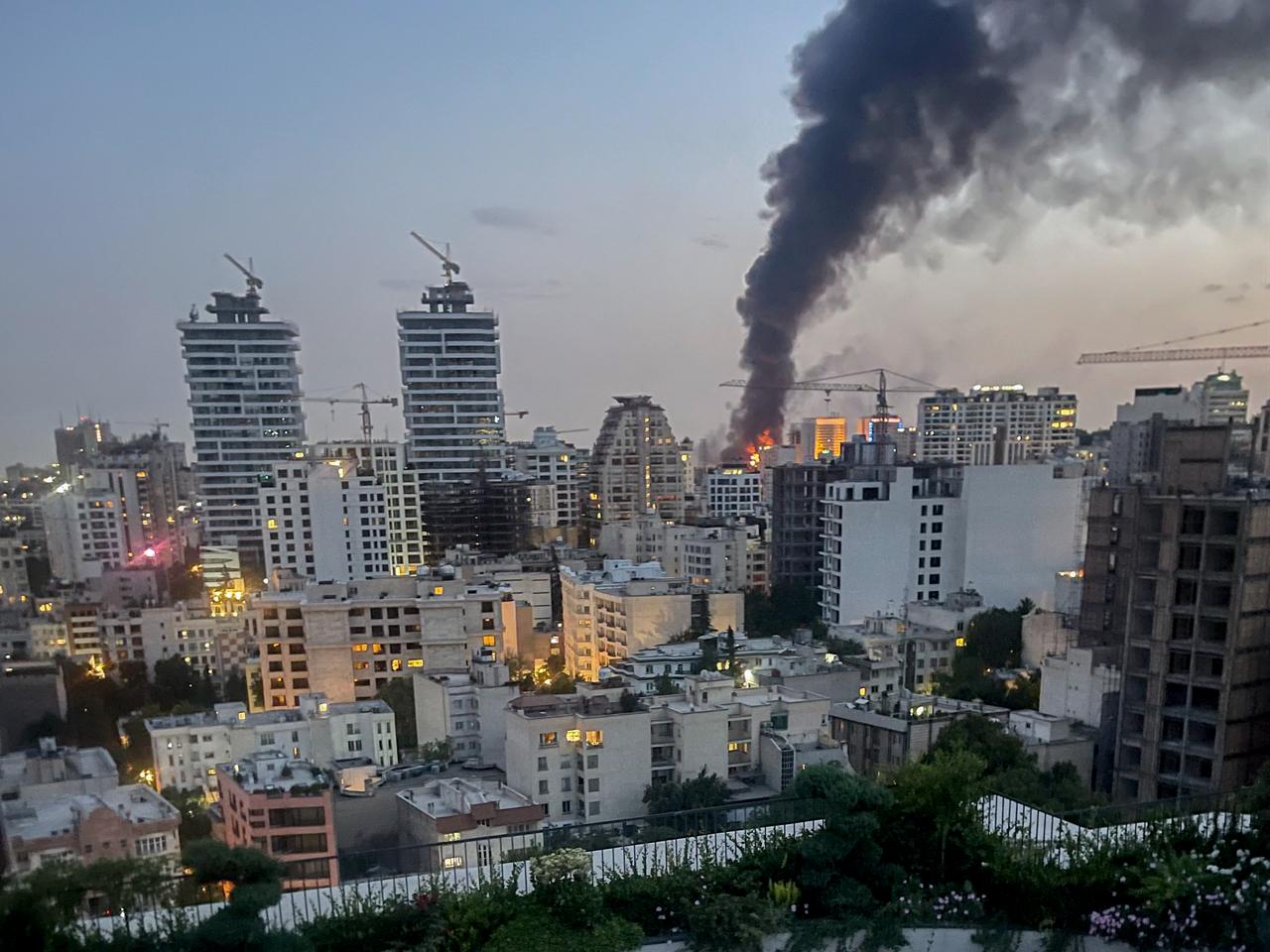

Israel’s actions and official rhetoric since June 2025 increasingly point toward a maximalist strategic ambition, extending beyond deterrence restoration to the collapse, or at least decisive weakening, of the Iranian regime’s strategic foundations.
In this context, the destruction of Iran’s nuclear program and long-range missile capability appears less as an end in itself than as an intermediate objective toward a broader goal: stripping Tehran of its capacity to project power and threaten Israel at the strategic level. That said, the outright elimination of Iran’s nuclear programme remains arguably unattainable without direct and sustained U.S. military participation, both operationally and politically.
Over recent months, Israel has also demonstrated a clear intent to control the escalation ladder, ensuring that any future confrontation remains sharply asymmetric in its favour, short in duration, intense in execution, and dominated by technological superiority.
The integrated use of kinetic strikes alongside cyber and electronic warfare signals that deep, cross-domain penetration of Iranian systems is no longer treated as exceptional, but as routine operational practice. This model, however, rests on a critical enabling condition: continued U.S. military support, particularly in air and missile defense, strategic logistics, and sustainment.
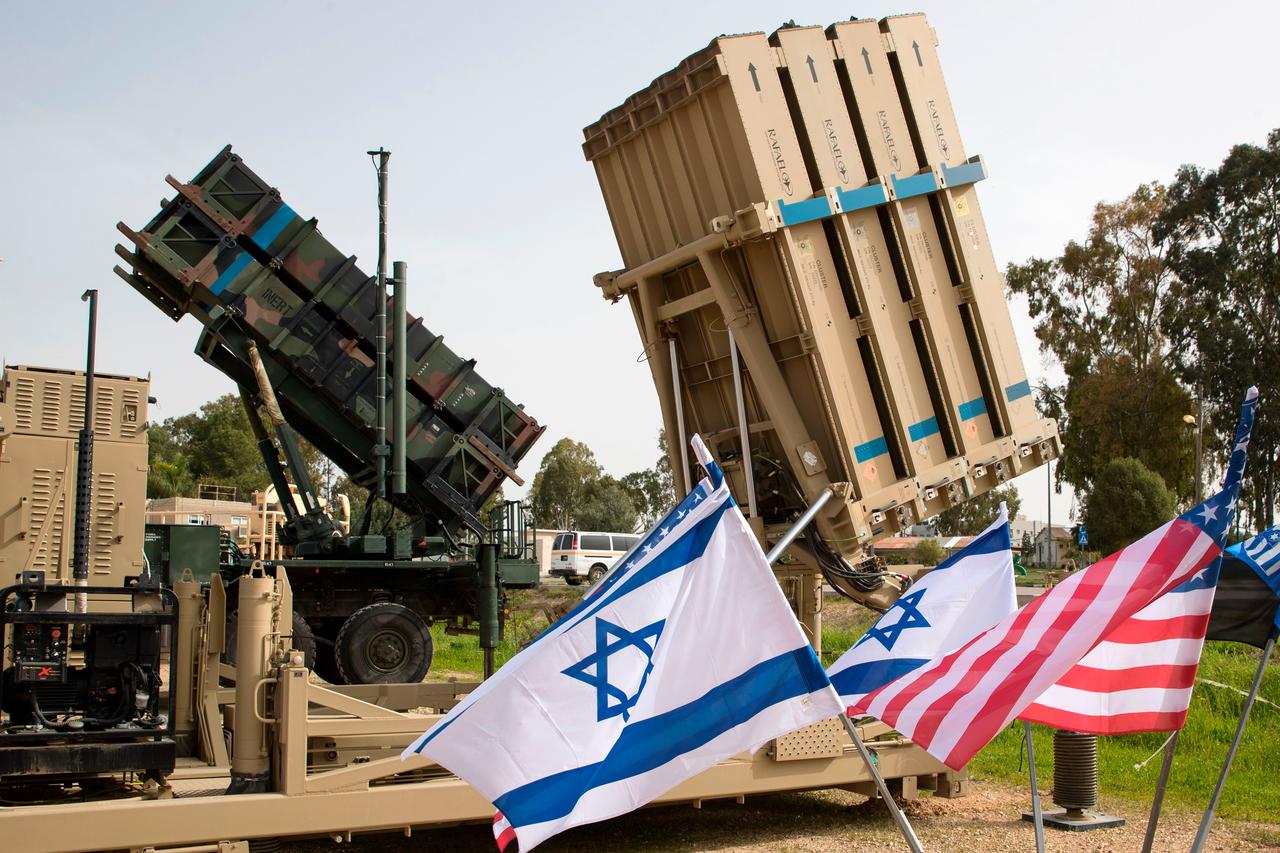
Open-source reporting indicates that during the June 2025 conflict, Iran fired close to 600 ballistic missiles toward Israel. Roughly half of these were engaged by Israeli and U.S. air and missile defense assets operating in and around Israel, with more than 270 intercepts recorded. Approximately 50 missiles, nearly 10 per cent of the total, impacted Israeli territory, causing significant physical and economic damage.
Crucially, the bulk of successful interceptions were conducted not by Israeli systems alone, but by U.S. assets, notably land-based THAAD batteries and SM-3 interceptors launched from U.S. Navy destroyers. Open reporting suggests that over 150 THAAD interceptors and around 80 SM-3 missiles were expended during the conflict.
The scale of this effort rapidly depleted available stocks: more than a quarter of the U.S. THAAD inventory was consumed, prompting Washington to award Lockheed Martin a contract to raise annual THAAD production from 96 to 400 missiles over the next seven years.
Taken together, these figures underscore a stark reality. In any renewed, high-intensity confrontation with Iran, Israel’s ability to defend itself against large-scale missile attacks is structurally dependent on the U.S. air and missile defense umbrella.
This dependence is not a marginal or temporary condition; it is a decisive factor shaping both Israel’s strategic freedom of action and the sustainability of its preferred escalation model.
Israel’s ability to sustain high-intensity, prolonged operations is structurally dependent on the United States, particularly in the domains of precision-guided munitions, interceptor missiles, large-calibre air-delivered ordnance, and aviation fuel. While Israel maintains a sophisticated domestic defense industry and limited wartime stockpiles, these are calibrated for short, sharp campaigns, not extended multi-theater conflict.
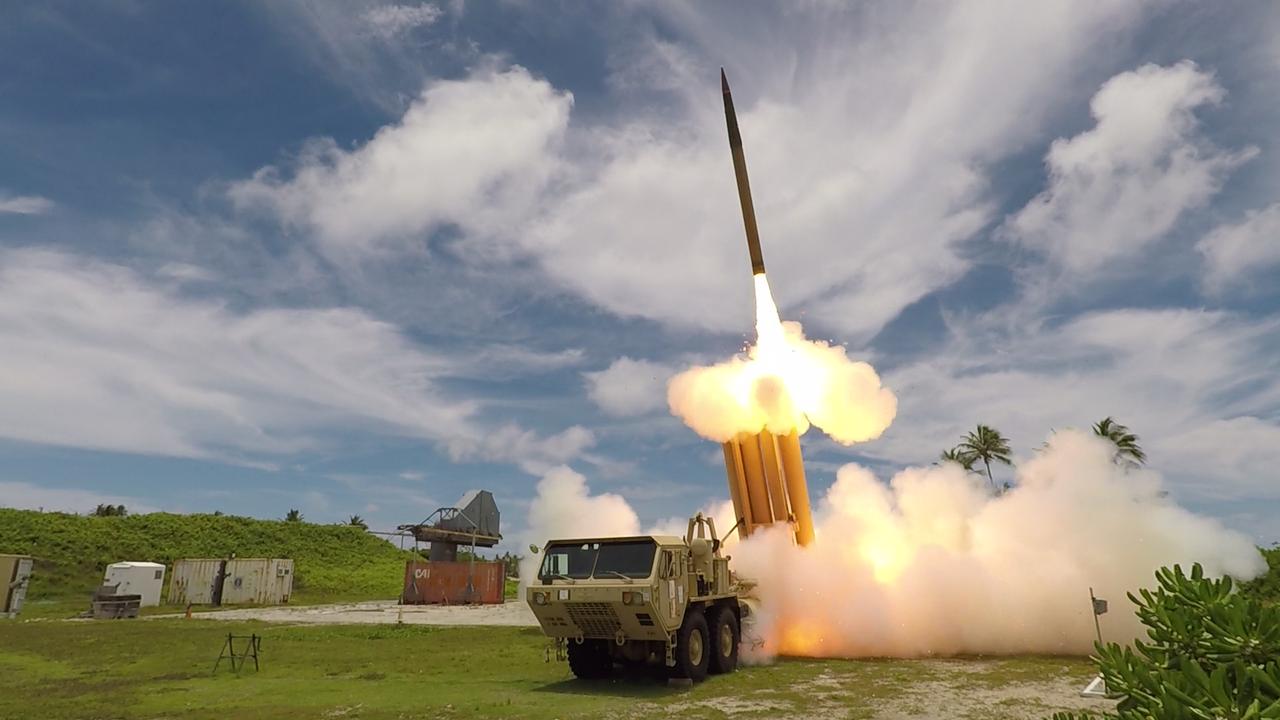
In practice, Israel relies on the United States for rapid replenishment of JDAM kits, Small Diameter Bombs, bunker-busting munitions, air-to-air missiles, and missile-defense interceptors (Arrow, David’s Sling, Iron Dome components), many of which are either U.S.-manufactured or U.S.-licensed and draw directly from American production lines and pre-positioned War Reserve Stocks.
The same dependency applies to jet fuel (JP-8/JP-5) in surge scenarios, where sustained sortie rates would quickly exceed Israel’s indigenous refining, storage, and transport capacity without U.S. logistical backstopping.
This dependence does imply Israeli military weakness; but it also reflects a deliberate strategic model in which Israel maximises operational agility and technological edge, while accepting that strategic depth and endurance are underwritten by U.S. industrial scale and global logistics.
Consequently, any future high-intensity confrontation with Iran would make U.S. political consent and logistical continuity not merely supportive, but decisive for Israel’s ability to fight beyond the opening phase.
Taken together, the evidence suggests that the likelihood of a second round between Iran and Israel is less a function of Israeli or Iranian intent than of American choice and alignment. Israel has demonstrated both the will and the capability to strike Iran directly and repeatedly, and it appears prepared, conceptually and operationally, for further escalation.
Iran, for its part, has shown that it can absorb limited blows and retaliate at scale, but also that it remains cautious about crossing thresholds that would trigger full U.S. military intervention.
The unresolved variable is the United States: not whether Washington prefers de-escalation, it clearly does. But whether it is willing to underwrite, materially and politically, the kind of sustained confrontation that Israel’s strategic objectives would ultimately require.
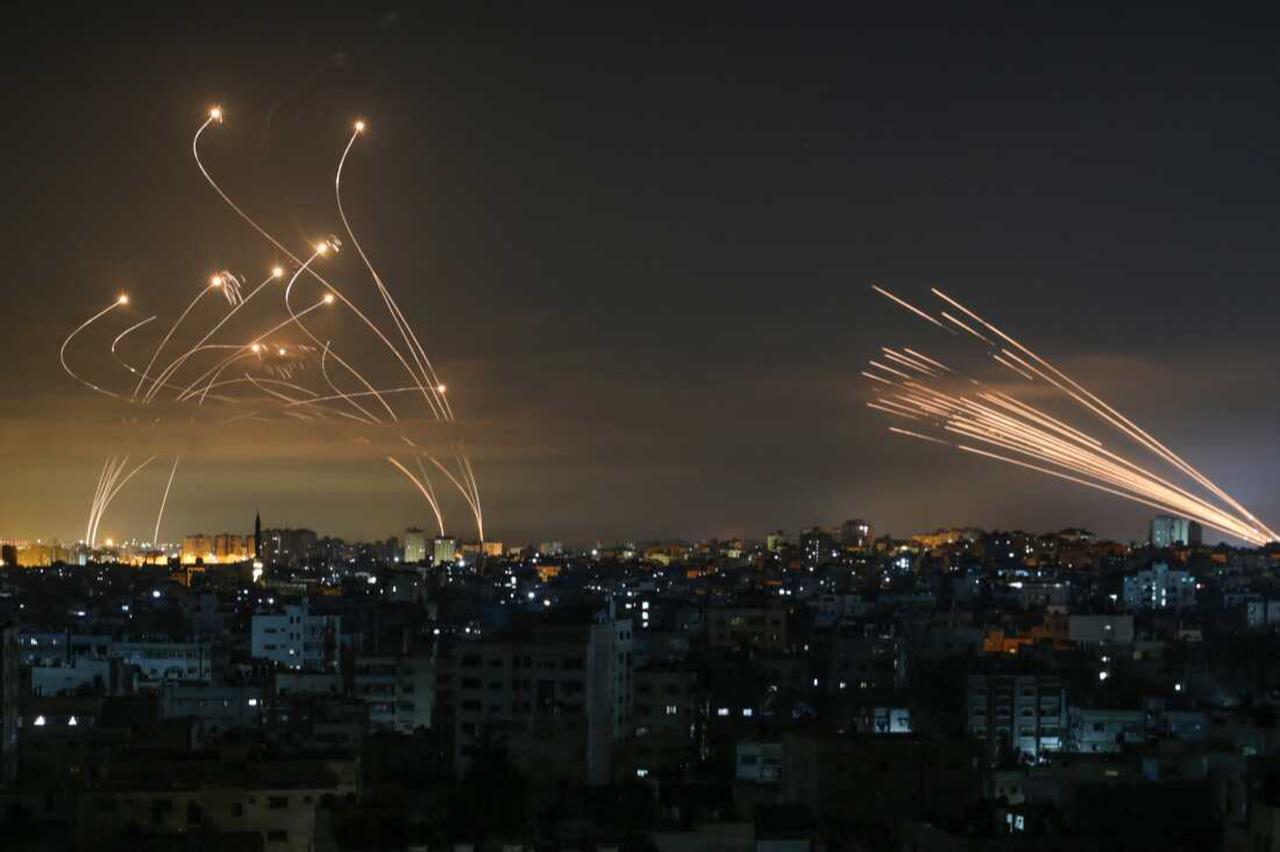
The June 2025 war revealed a structural asymmetry that now shapes the entire standoff. Israel can initiate and dominate the opening phase of conflict, but it cannot independently sustain a prolonged, high-intensity exchange against Iran’s missile arsenal. Conversely, Iran can impose real costs through massed missile fire, but it lacks the means to decisively shift the balance without triggering escalation it may not be able to control. This mutual constraint has produced a volatile equilibrium: one in which military action remains thinkable, even rehearsed, but escalation beyond a certain point is deferred upward to Washington.
In this sense, a second round is not inevitable, but neither is it unlikely. It will depend on whether diplomacy merely postpones confrontation or meaningfully reshapes incentives; whether Israel concludes that time is working against its security objectives; and whether the United States judges that continued restraint carries greater strategic risk than controlled escalation.
Until these questions are resolved, the Middle East will remain suspended between deterrence and war, not because the actors lack clarity, but because their strategic dependencies are now too deeply intertwined to allow unilateral decisions without systemic consequences.
A very crucial caveat, though: All the above analysis is based on the -very fragile- assumption that the U.S. president is a rational actor.


 Set as preferred source
 Set as preferred source


 1 min read
 1 min read