Newsletters


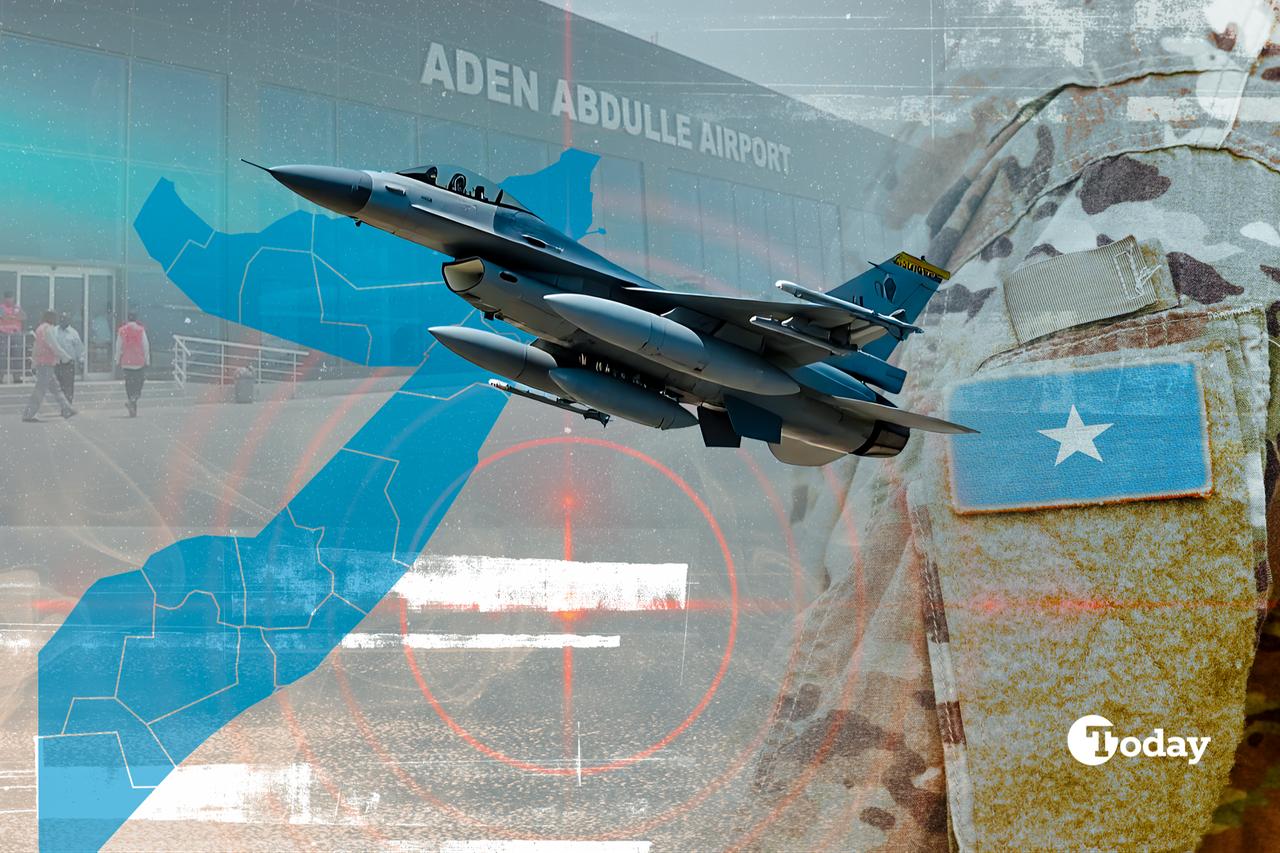


When read from bottom to top, recent reporting on Somalia points to a clear conclusion: the country is no longer shaped solely by its internal dynamics. Somalia has increasingly become a focal point of regional security concerns and geopolitical competition.
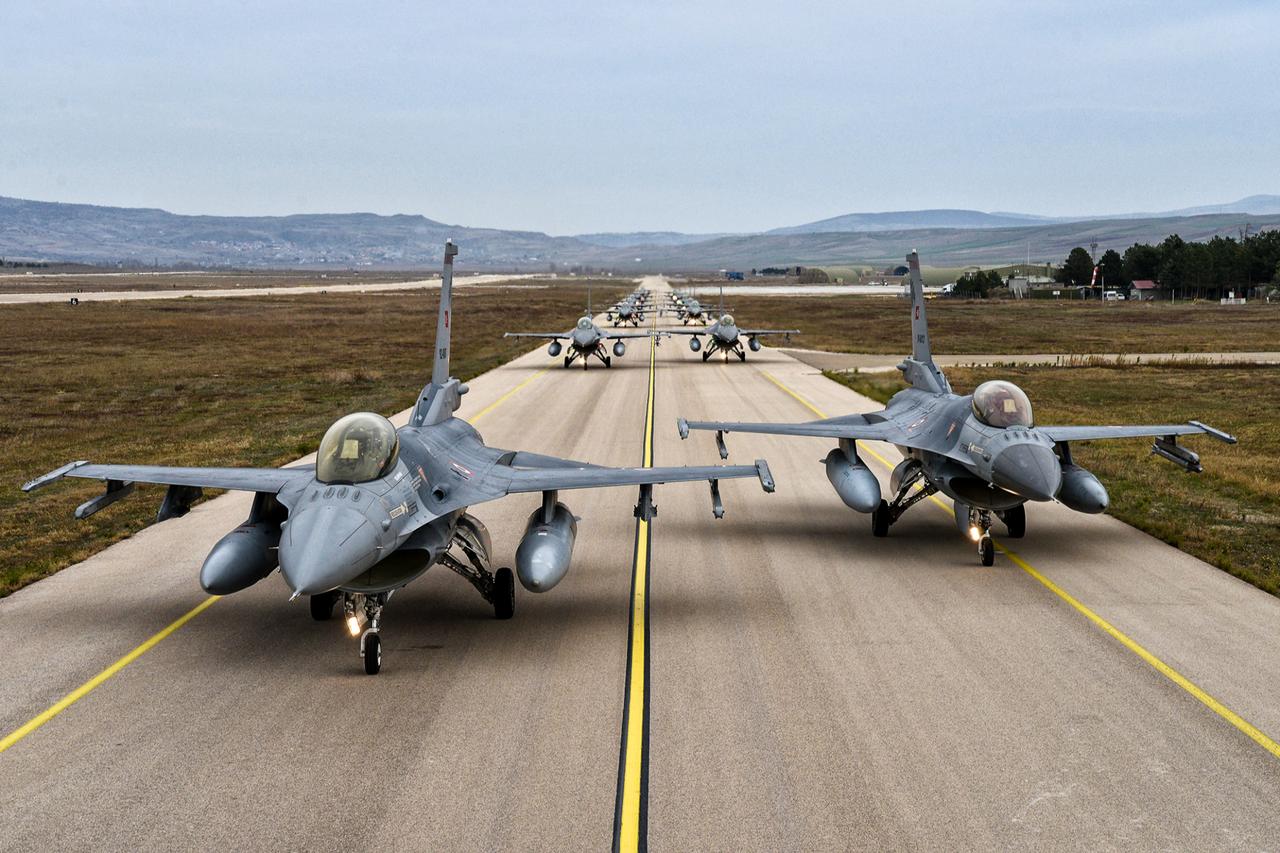
Türkiye's deployment of three F-16 fighter jets to Mogadishu, along with the construction of dedicated hangars at the international airport, reflects this shift.
The move is widely interpreted as part of Ankara’s effort to safeguard planned offshore energy exploration and strategic infrastructure linked to its maritime and space-related initiatives in Somali waters.
While this step carries military significance, viewing it exclusively through that lens would provide an incomplete picture.
Somali media claimed that Defense Minister Ahmed Fiqi confirmed that Turkish F-16 fighter jets in the country were being operated by the Somali National Army.
Time will tell. Many unverified claims are also circulating. One of these is that the US has completely delegated its security operations in Somalia to Türkiye. However, these are not yet significant indicators.
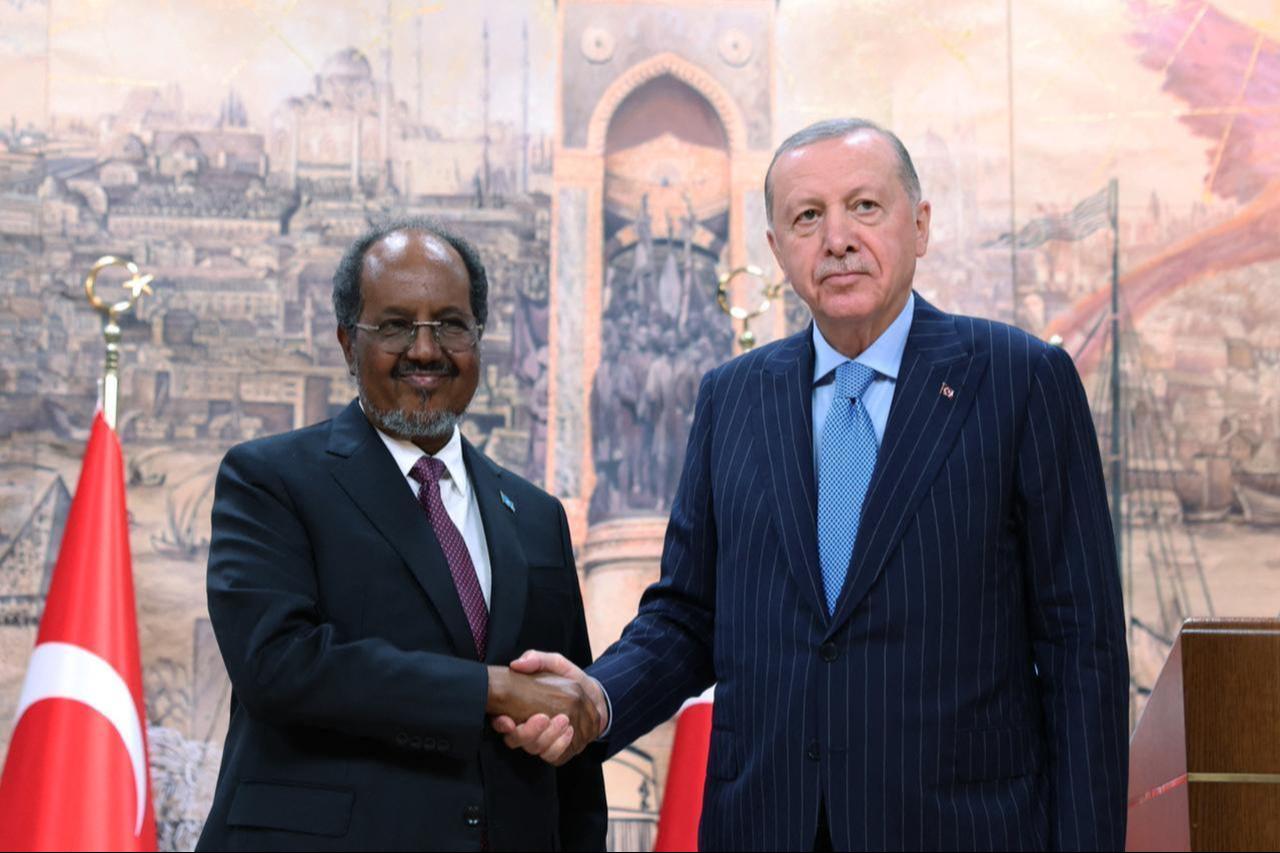

Whatever the claims, Somalia today is not merely a fragile state facing armed groups. It is also a space where regional security balances are being reassessed.
This assessment aligns with recent briefings by General Dagvin Anderson of U.S. Africa Command, who has emphasized that Africa, particularly the Sahel and the Somalia corridor, has become a major center of global terrorist activity.
In his analysis, Daesh and al-Shabaab elements in Somalia have developed capabilities that extend beyond localized insurgency, contributing to broader international security risks. This, he argues, explains the United States’ shift toward a more force-intensive counterterrorism posture.
There is substantial merit to this diagnosis. Armed groups have expanded their operational reach, state authority has weakened in several areas, and the risk of externally oriented attacks has increased.
At the same time, experience on the ground suggests that sustained security outcomes are unlikely to be achieved through military pressure alone. It is at this point that Türkiye’s approach in Somalia begins to diverge from more conventional models.
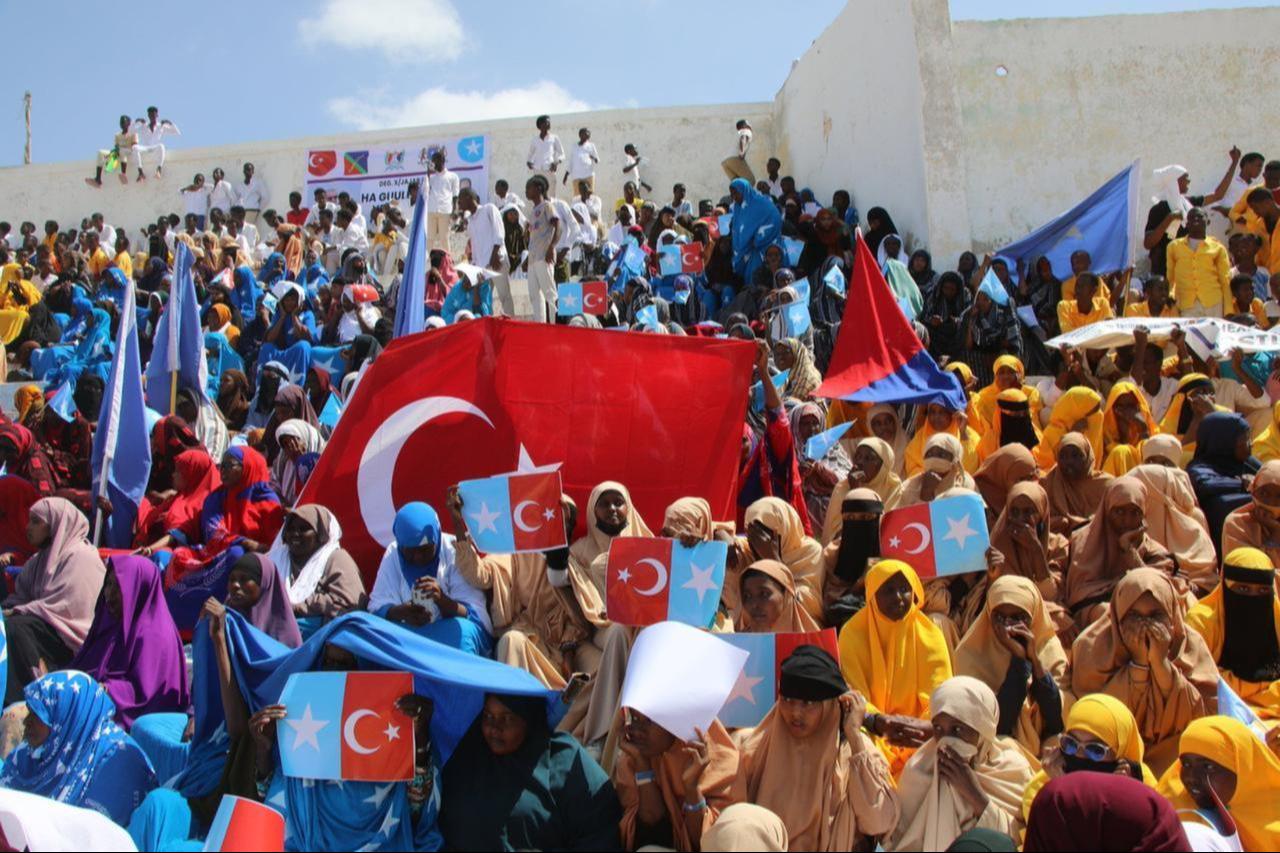
Ankara has generally framed Somalia not as a distant conflict zone but as a state requiring long-term institutional recovery. What began as a humanitarian engagement during the 2011 famine evolved into a broader partnership focused on governance support and security cooperation.
Today, Türkiye’s footprint in Mogadishu includes diplomatic representation, management of port and airport facilities, military training programs, healthcare services, and infrastructure development.
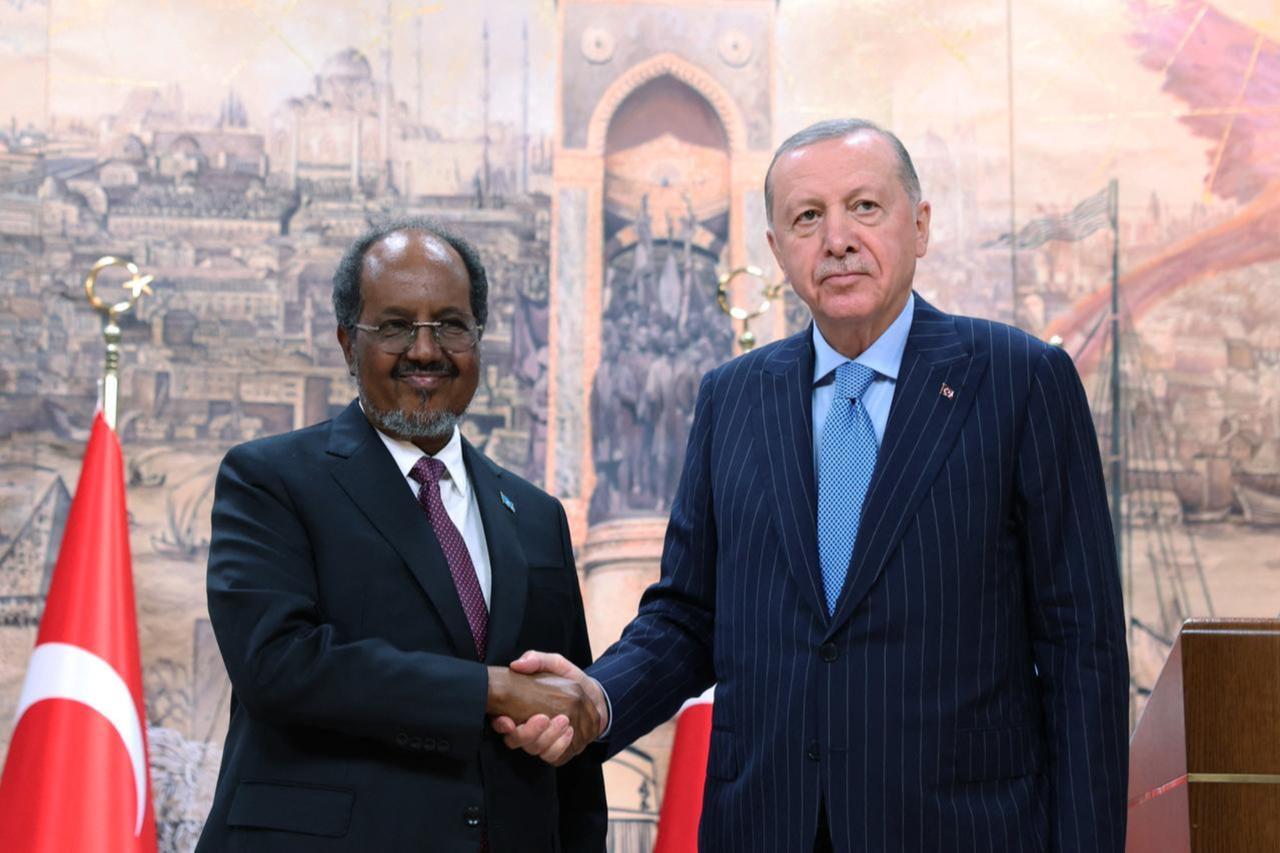
Within this framework, Türkiye’s military involvement functions as a bilateral cooperation effort rather than a unilateral intervention. Somali forces trained at the TURKSOM facility constitute a significant component of the national army and operate under Somali command structures.
The stated objective has been to strengthen local capacity rather than create reliance. In practice, this has positioned Türkiye as a supporting actor in stabilization efforts rather than as a direct security enforcer.
Recent political developments have further highlighted this role. Israel’s decision to recognize Somaliland was widely interpreted as challenging Somalia’s territorial integrity, raising concerns about potential regional destabilization.
The decision generated unease not only in Mogadishu but also among African Union members and neighboring states, many of whom view it as a precedent that could reopen broader debates over borders on the continent.
In this context, Türkiye reaffirmed its support for Somalia’s sovereignty and territorial unity, a position consistent with long-standing African Union principles.
This stance distinguished Ankara from initiatives perceived as contributing to fragmentation and reinforced its alignment with the internationally recognized federal government.
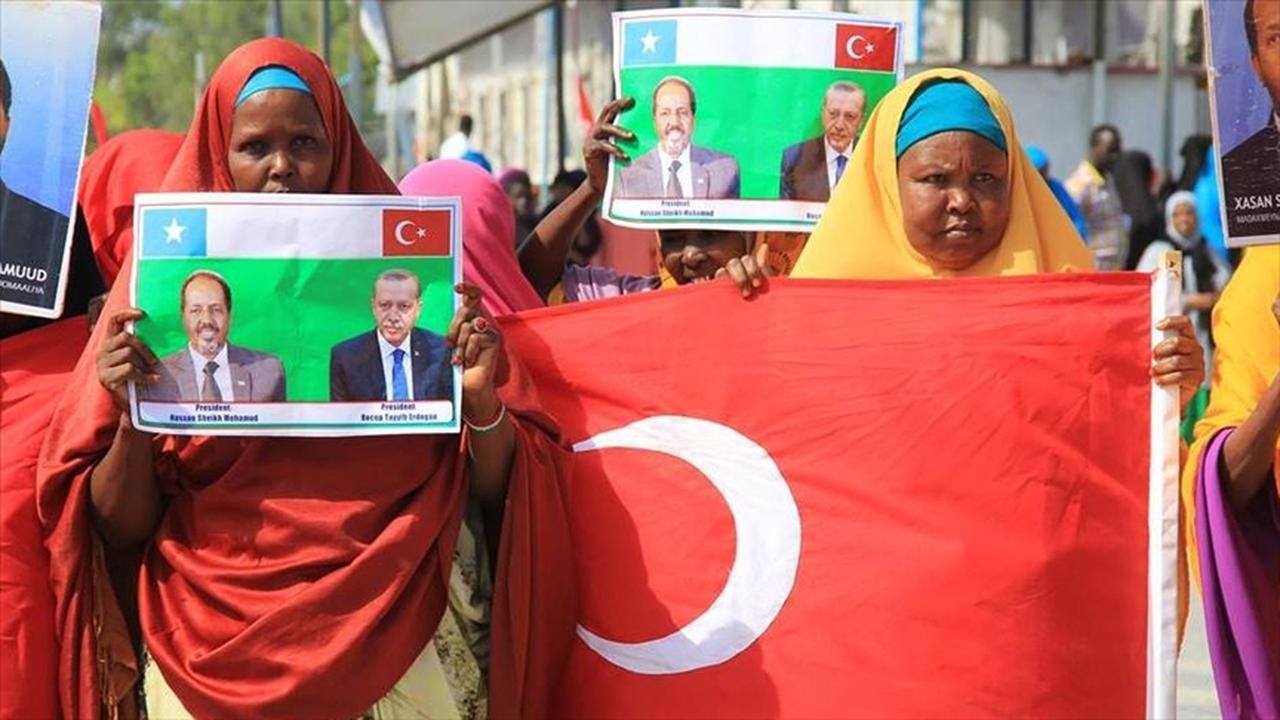
This approach helps explain Türkiye’s relatively broad political and societal acceptance in Somalia.
Ankara has largely avoided engaging through separatist structures or bypassing central institutions, instead working directly with the government of Mogadishu. As a result, Türkiye has come to function as a counterbalance to external dynamics that risk reinforcing political division.
The deployment of F-16 aircraft should therefore be understood within this broader strategic context. Rather than signaling power projection, it reflects an emphasis on deterrence and protection of existing commitments. The message extends beyond armed groups to include external actors that may view Somalia’s vulnerabilities as an opportunity for leverage.
Regional responses reinforce this interpretation. The African Union’s continued emphasis on territorial integrity, the cautious posture of neighboring states regarding Somaliland, and diplomatic support for Mogadishu have collectively strengthened Türkiye’s position.
Ankara’s influence in Somalia appears to derive less from coercive capacity than from its perceived contribution to stability.
General Anderson’s framework remains difficult to dismiss. The spread of militant networks and erosion of state authority across parts of Africa are well-documented challenges.
His call for a more forceful response reflects dissatisfaction with earlier, limited engagement strategies. Still, a central question persists: whether kinetic escalation alone can produce durable security in a context such as Somalia.
Identifying threats is a necessary step, but addressing them requires restoring legitimate governance, maintaining territorial cohesion, and embedding security within everyday institutional life.
In Somalia, few external actors are pursuing this combination of objectives in a sustained manner.
Ultimately, Türkiye’s presence in Somalia cannot be reduced to a narrow military deployment. It represents a stabilization-oriented engagement that seeks to support state capacity, limit fragmentation, and preserve the possibility of longer-term peace.
While U.S. security assessments often prioritize counterterrorism metrics, Türkiye’s approach has emphasized the interaction between political unity, security provision, and development.
Regional reactions following Israel’s Somaliland decision have further underscored this distinction. In this sense, Türkiye has come to be viewed not only as a partner of Somalia but also as a significant contributor to its broader stability framework.


 Set as preferred source
 Set as preferred source


 1 min read
 1 min read