Newsletters


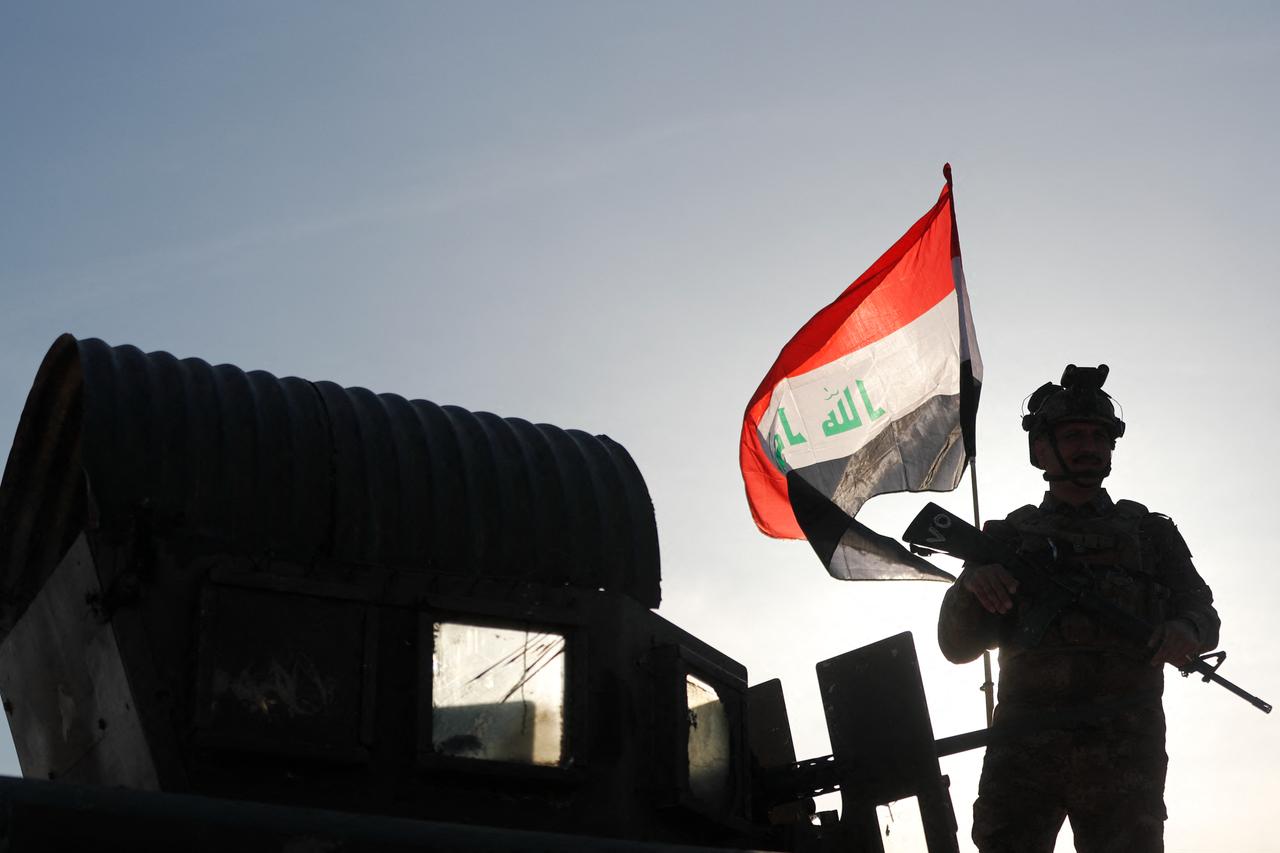


At a time when geopolitical fault lines across the Middle East are once again shifting, Iraq finds itself once more at the center of the tension between internal political struggle and the search for stability.
The sixth parliamentary elections of the post-2003 political order, established after the U.S.-led invasion that toppled Saddam Hussein’s regime, were held on Nov. 11, 2025. Regardless of the conduct of the electoral process or the outcomes it produced, the mere fact that the elections were held according to a regular timetable constitutes, in and of itself, a significant development for Iraq.
The Nov. 11 elections demonstrated that Iraq is not entirely trapped in a paralyzed political cycle and that society still seeks to remain engaged in the political process. Yet sectarian and identity-based politics, deep-rooted structural problems, and regional competition continue to make it difficult to translate this momentum into sustained normalization.
While the democratic process may appear to have become “routine” on paper, conditions on the ground remain fragile and contested. The central question for the period ahead is therefore whether Iraqi political actors and external powers will be able, this time, to correctly interpret the societal message and pursue an approach that preserves balance and reduces tensions. When it comes to Iraq, however, offering a definitive answer to this question at this stage remains difficult.
Following the elections, the government formation process in Iraq has proceeded along both constitutional timelines and entrenched political conventions. Although no explicit constitutional provision mandates such an arrangement, a power-sharing practice has emerged since 2003 whereby the presidency is allocated to the Kurds, the speakership of parliament to Sunni Arabs, and the premiership to Shiite Arabs.
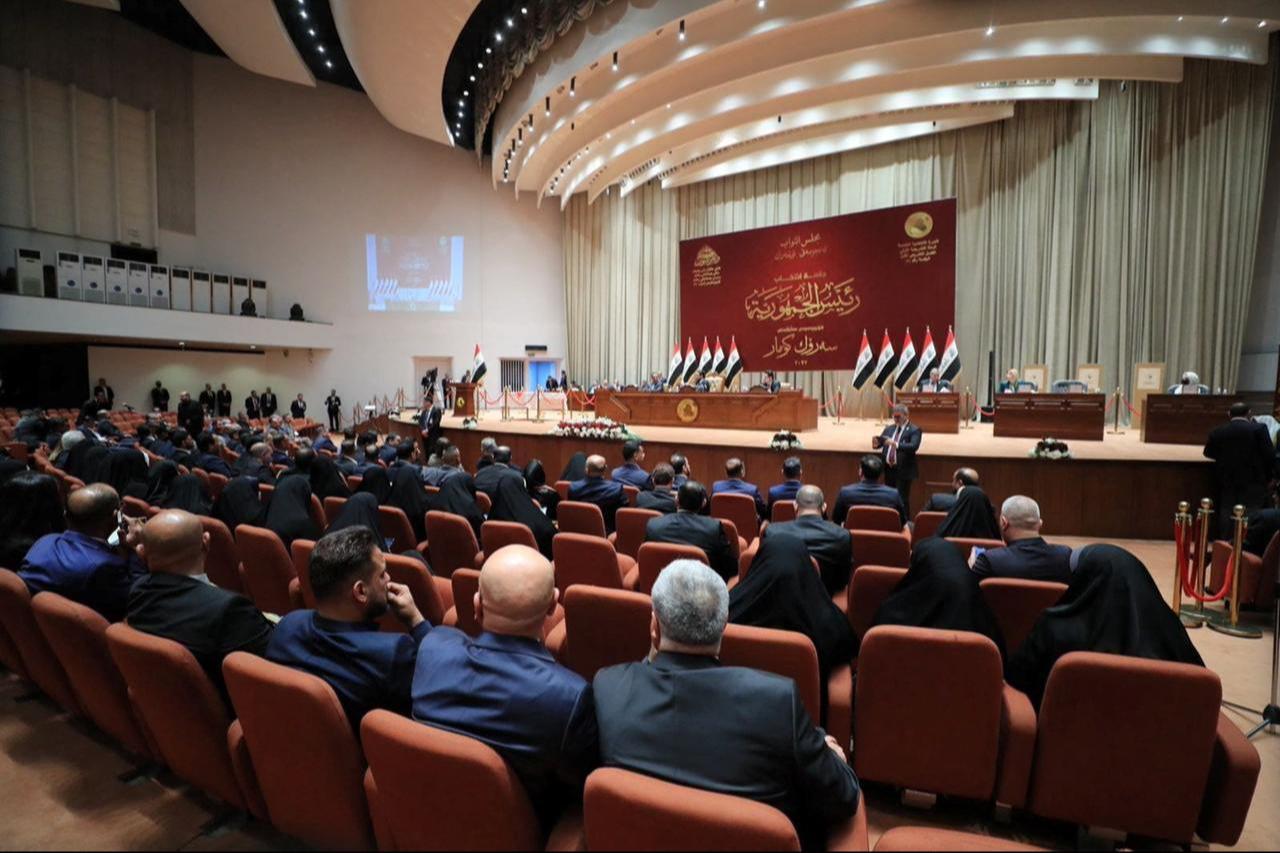

After the Nov. 11 elections, the process was once again set in motion in accordance with this convention. After the Federal Supreme Court ratified the election results, parliament elected its speaker within the required 15-day period, a process that was completed on 30 December. The next step is the election of the president by a two-thirds parliamentary majority. Once elected, the president will task the prime ministerial candidate designated by the largest parliamentary bloc with forming the government.
Iraq’s political experience, however, suggests that this timetable has rarely functioned as intended in practice. To date, the period required to form a government following elections has never fallen below 200 days. As such, while the time elapsed thus far may be considered “normal,” both the presidential and prime ministerial tracks face serious political challenges. At the core of these difficulties lies not only the constitutional timeframe itself, but also the "muhasasa" system that underpins Iraqi politics.
Ministerial portfolios and senior state positions are distributed not merely according to parliamentary seat counts, but also along ethnic, sectarian and political lines. This transforms the government formation process from a technical exercise into a complex, multi-layered bargaining arena.
The picture that emerged following the 2025 elections indicates that Iraq’s already complex balance of power has become even more intricate. The Construction and Development Coalition, led by incumbent Prime Minister Mohammed Shia al-Sudani, emerged as the leading force with 46 seats.
Although Sudani signaled his willingness to seek a second term immediately after the elections, he neither secured the number of seats required to form a government on his own nor obtained clear and unequivocal backing from within the Shiite Coordination Framework that had enabled the formation of the previous government.
Indeed, the fact that nine to ten different names are being discussed within the Coordination Framework as potential prime ministerial candidates underscores the continued fragmentation of Shiite politics.
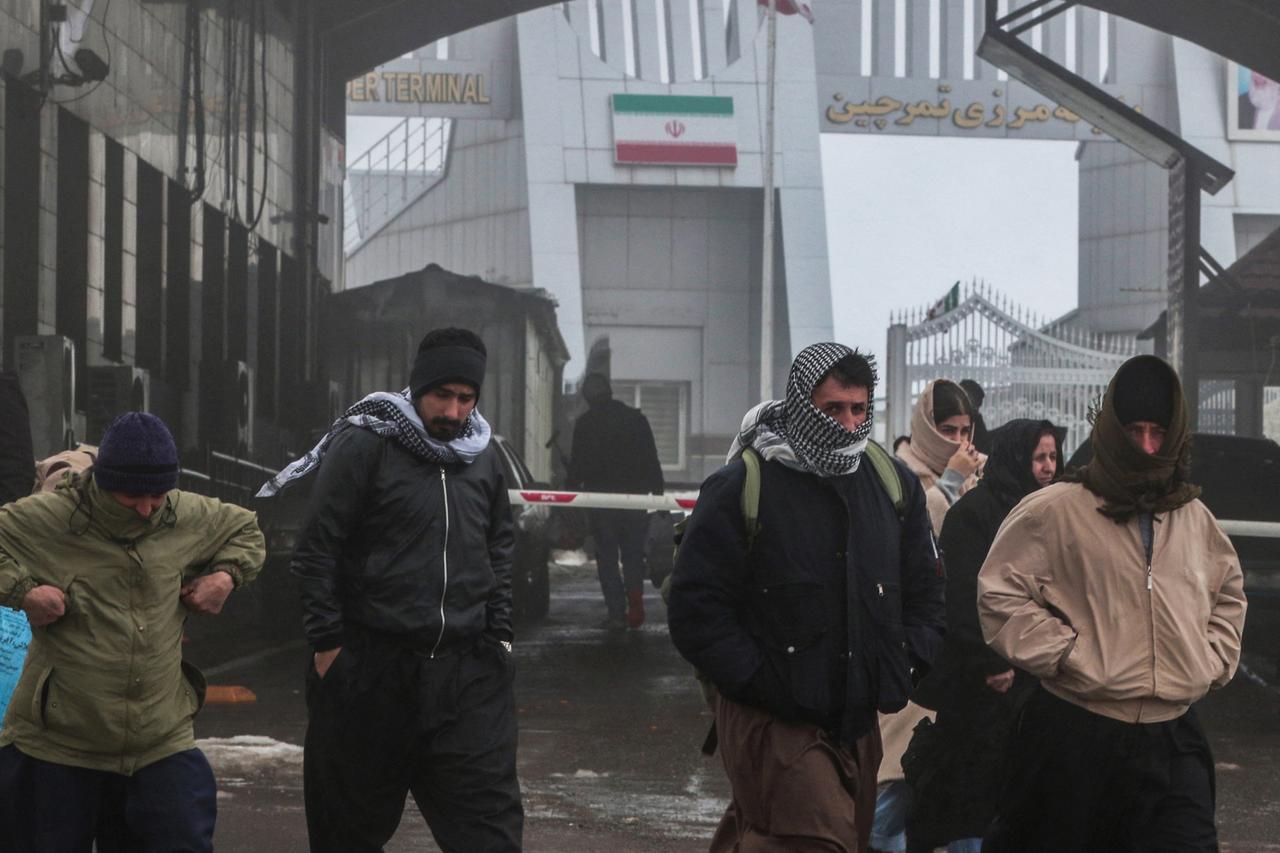
One of the factors further complicating Iraq’s political equation has been the deepening fragmentation within Kurdish politics and its direct impact on the presidential election process. The rivalry between the Kurdistan Democratic Party (KDP) and the Patriotic Union of Kurdistan (PUK) during the election of parliamentary deputy speakers had already provided early warning signs that the process would be contentious. A similar pattern has now emerged ahead of the presidential vote. As in the aftermath of the 2021 elections, the KDP and the PUK once again failed to agree on a joint candidate, opting instead to field their own nominees.
This divergence has gone beyond mere political competition and has evolved into a factor that directly obstructs the constitutional process. Under the Iraqi Constitution, electing the president requires a two-thirds majority in parliament. Given that Kurdish political actors occupy a pivotal position in delivering this threshold, the lack of consensus between the KDP and the PUK has become particularly consequential.
Despite a formal decision to convene a parliamentary session for the presidential election, the required quorum could not be secured due to inter-party disagreements, and parliament was effectively unable to convene. This development indicates not merely a delay, but the emergence of a structural deadlock.
The stalemate in the presidential election has, in turn, triggered a chain reaction that blocks the entire government formation process. In Iraq’s constitutional framework, the president must first be elected in order to designate the prime ministerial candidate nominated by the largest parliamentary bloc. Put differently, as long as the president cannot be elected, the prime minister cannot be appointed either.
The inability of the KDP and the PUK to reach a compromise has therefore ceased to be an internal Kurdish issue alone and has become one of the principal drivers of the executive crisis in Baghdad. The absence of agreement among Kurdish political actors over the presidency now constitutes one of the most critical bottlenecks in Iraq’s government formation process. Unless this impasse is overcome, neither the selection of a prime minister nor the formation of a new government appears feasible.
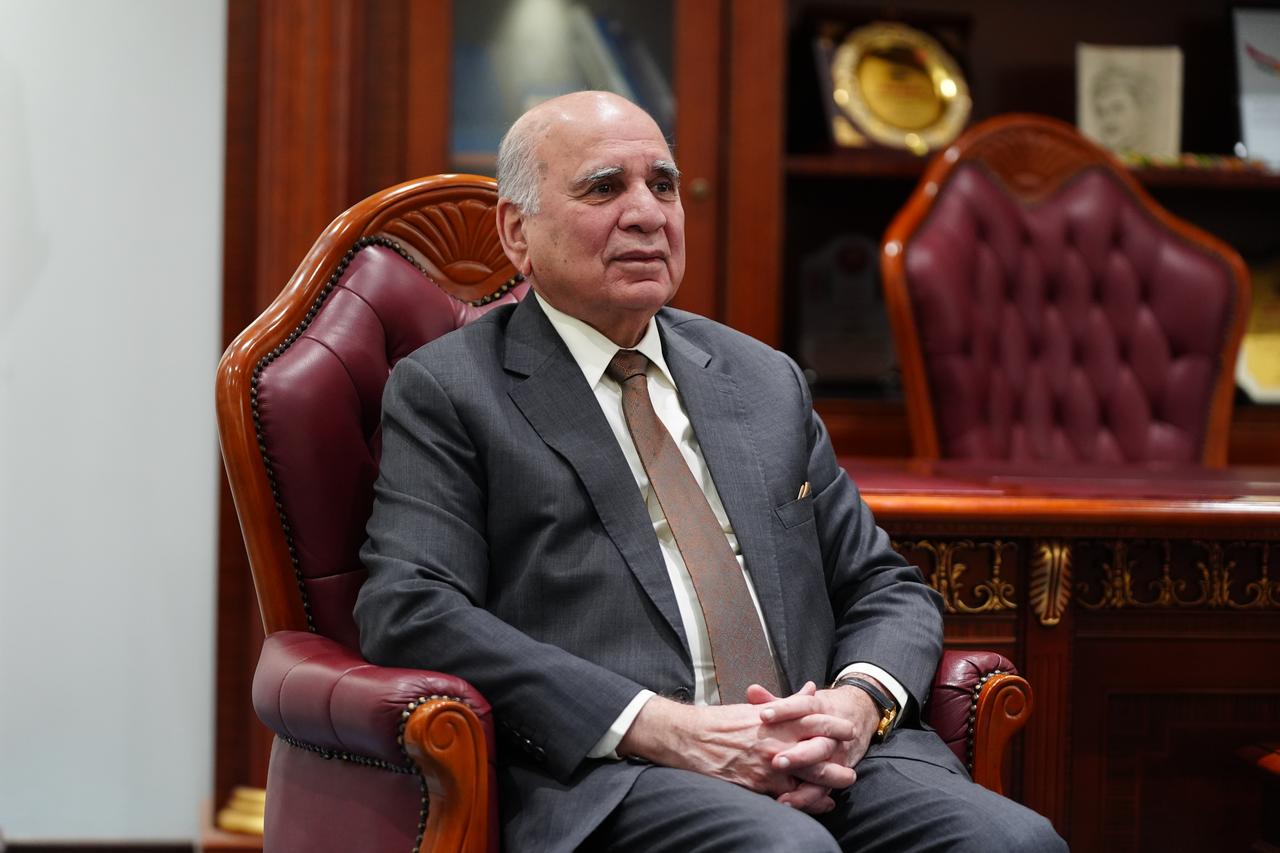
The Shiite Coordination Framework, much like in the aftermath of the 2021 elections, continues to assert its claim as the largest bloc in parliament. Yet this cohesion rests less on a shared strategic vision than on a balance born of necessity. Following Sudani’s decision to withdraw his candidacy in favor of Nouri al-Maliki, the path was cleared for Maliki—who is seeking a third term as prime minister—to re-enter the race.
The Coordination Framework subsequently designated Maliki as its “majority candidate.” While Maliki’s nomination has once again brought political divisions to the surface, the Coordination Framework has continued to stand behind him despite reservations expressed by some Shiite factions.
Nevertheless, the deep and predominantly negative historical memory associated with Maliki’s two previous terms in office continues to fuel widespread unease, regardless of his more conciliatory rhetoric today. Sectarian conflict, the rise of al-Qaeda and ISIS, the empowerment of non-state armed actors, pervasive corruption, and the concentration of control over security institutions have collectively embedded the Maliki era in Iraq’s collective memory as a profoundly traumatic period.
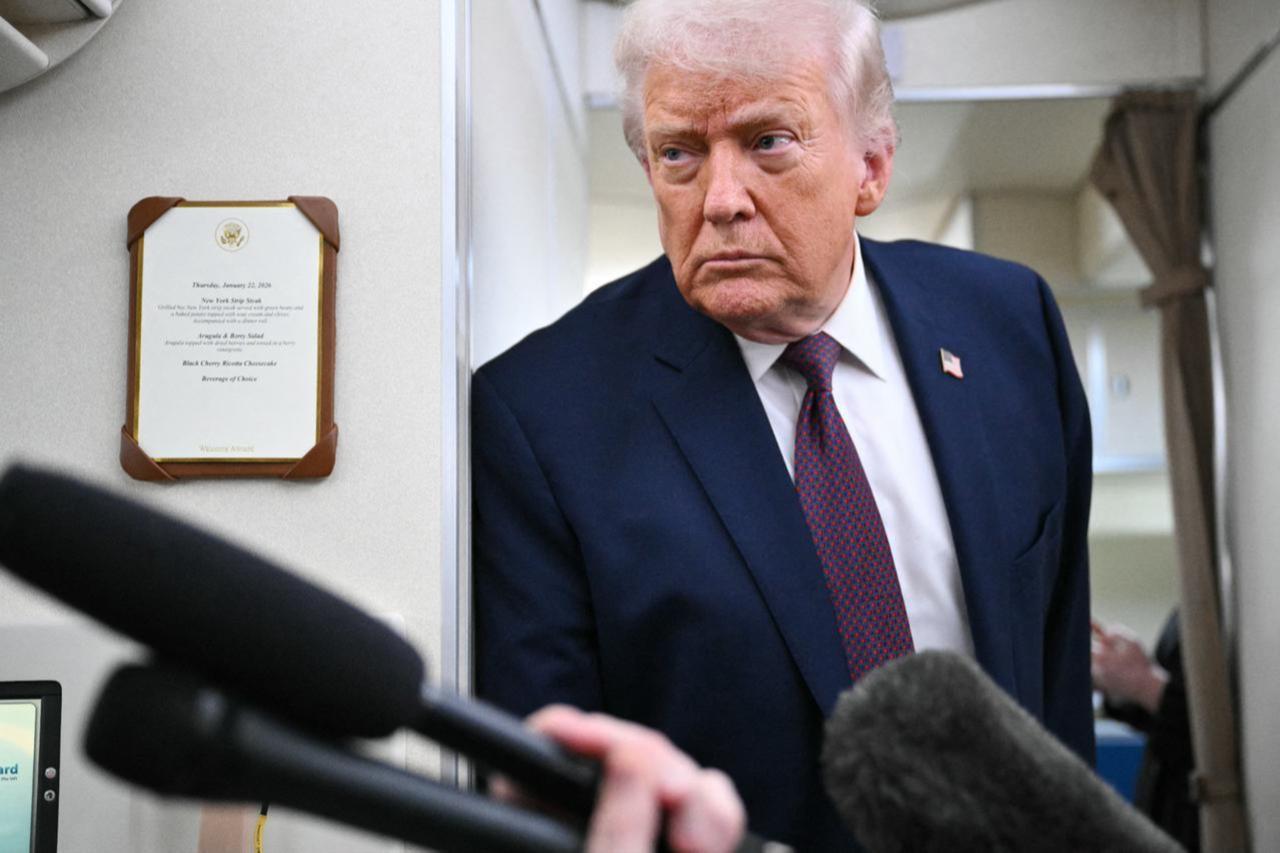
This historical legacy does not only explain the cautious—if not skeptical—attitudes toward Maliki within Iraq’s domestic political arena; it also remains a key reference point shaping the positions of external actors. U.S. President Donald Trump’s blunt and unequivocal statements against Maliki reflect more than a personal political reaction; they signal Washington’s broader strategic assessment of Iraq. In Trump’s rhetoric, the Maliki period is repeatedly associated with “chaos,” “poverty,” and “failure,” framing his potential return as a renewed risk of instability for Iraq.
At the heart of this opposition, however, lies not so much Maliki’s personal political record as the geopolitical orientation he is seen to embody. From the U.S. perspective, Maliki has come to symbolize a period in which Iranian influence became institutionalized in Iraq and state institutions grew increasingly intertwined with Tehran-aligned militia structures.
In particular, the foreign policy trajectory pursued by Maliki after the U.S. military withdrawal from Iraq in 2011 reinforced perceptions in Washington that Iraq had undergone a strategic realignment. As such, Maliki’s return to the premiership would not merely represent a change of leadership in Baghdad but rather signal Iraq’s deeper reintegration into Iran’s sphere of influence.
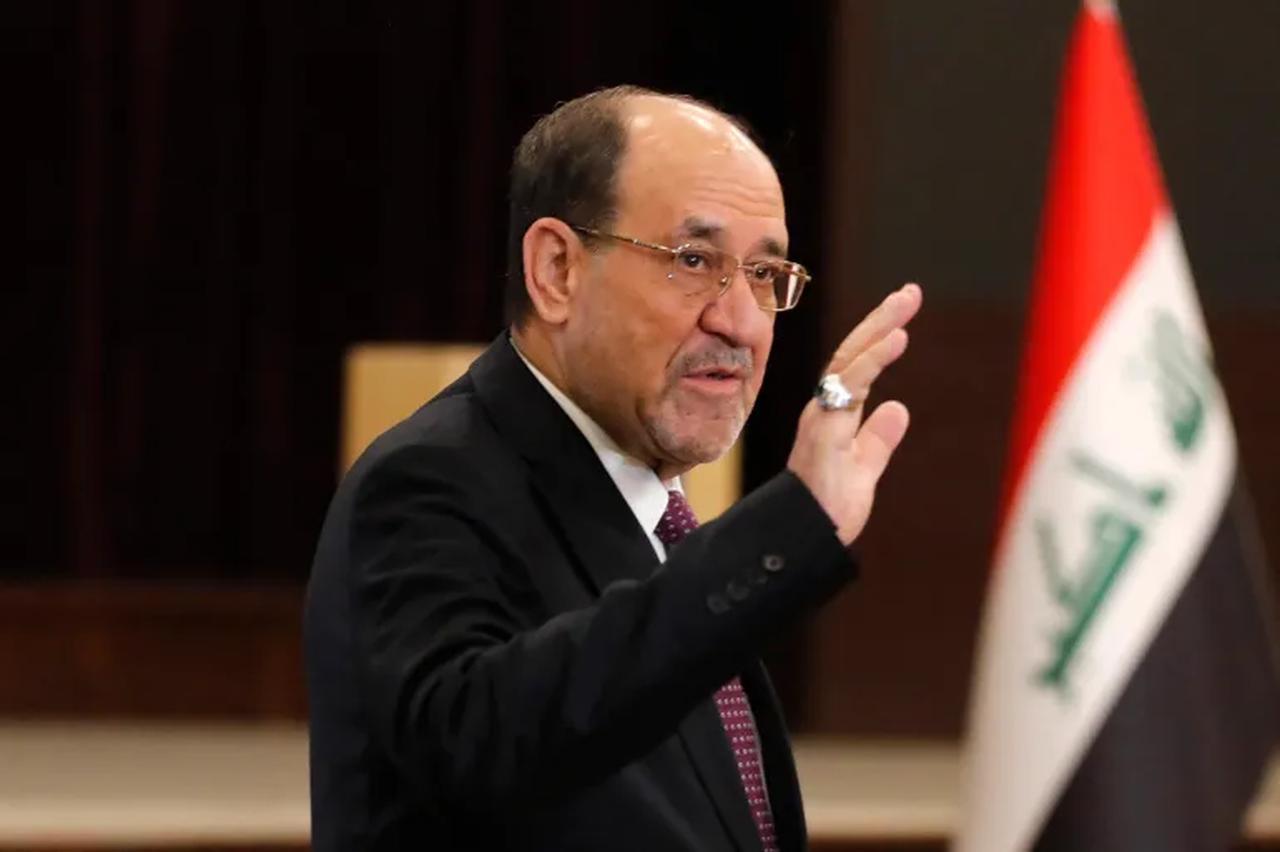
This sensitivity is now being interpreted in a far more acute context. At a time when Iran’s regional capacity has been significantly constrained—by its confrontations with Israel, the weakening of Hezbollah, uncertainty in the Syrian theater, and mounting domestic economic and political pressures—Washington is unwilling to accept a scenario in which Iraq once again functions as Tehran’s source of “strategic depth” or a critical “breathing space.”
From this vantage point, the relative stability achieved under Sudani, Iraq’s renewed engagement with the Arab world, its improving relations with Gulf states, and the establishment of a more balanced framework of cooperation with Türkiye are all viewed as tangible gains in limiting Iranian influence.
For this reason, Trump’s anti-Maliki rhetoric should be understood not merely as a reckoning with the past, but as a forward-looking warning. From Washington’s perspective, the core issue is not who becomes prime minister in Iraq, but rather which geopolitical axis Baghdad ultimately aligns itself with.
Maliki’s potential return to power is widely viewed as a development that could jeopardize the limited yet functional balancing policy the United States has sought to construct in Iraq in recent years. In this context, Trump’s sharp intervention should be read less as an attempt to directly shape Iraq’s internal politics than as a clear reminder of Washington’s red lines.
From Türkiye’s vantage point, the government formation process in Iraq is primarily assessed through the lenses of security, energy, and relations between Baghdad and Erbil. For Ankara, the issue is not about backing a particular faction within Iraqi politics, but about engaging with an Iraqi political configuration that it can work with on the ground and with which it can build institutionalized relations.
Core priorities—including the “terror-free Türkiye” process, border security, energy cooperation, the status of Kirkuk, and the position of the Turkmen community—remain central to Türkiye’s approach. Within this framework, Türkiye continues to uphold Iraq’s territorial integrity and political unity as a fundamental principle, while seeking to maintain direct relations with both Baghdad and Erbil. Overall, Ankara is focused on cultivating sustainable relations with Iraq. Rather than making an explicit political choice, Türkiye is likely to preserve its relations at least at their current level while exploring opportunities to advance them further.
In sum, the picture that has emerged in Iraq following the Nov. 11 elections indicates that the tension between the search for stability and entrenched political habits has yet to be resolved. By once again elevating Maliki as a prime ministerial contender, the Shiite Coordination Framework has revived a political legacy that previously imposed high costs on Iraq. This choice has deepened intra-Shiite divisions, while the absence of a clear consensus around Maliki has further complicated the government formation process.
From the U.S. perspective, the prospect of Maliki’s return is interpreted through the lens of a renewed risk that Iraq could drift back toward the Iranian axis, prompting a hardening of Washington’s stance. For Iran, by contrast, Maliki is viewed as an actor who could be readily leveraged in times of crisis to reinforce Tehran’s influence in Iraq. Türkiye, meanwhile, continues to seek a stable and predictable Iraq with which it can engage through security cooperation, energy partnerships, and balanced relations between Baghdad and Erbil, rather than positioning itself as a partisan actor.
At this juncture, the central challenge facing Iraq lies in whether it can generate a new equilibrium between internal political dynamics and the expectations of external actors. Yet Iraq appears increasingly trapped in a political impasse. Following the postponement of the parliamentary session scheduled for Feb. 1 to elect the president, reports suggest that some political groups have begun collecting signatures to petition the Federal Supreme Court on the grounds of constitutional violations stemming from the failure to elect a president, while also exploring the possibility of returning to early elections. For an Iraq that has experienced a relative recovery in recent years, this trajectory risks marking the onset of yet another period of political turmoil.


 Set as preferred source
 Set as preferred source


 2 min read
 1 min read