Newsletters


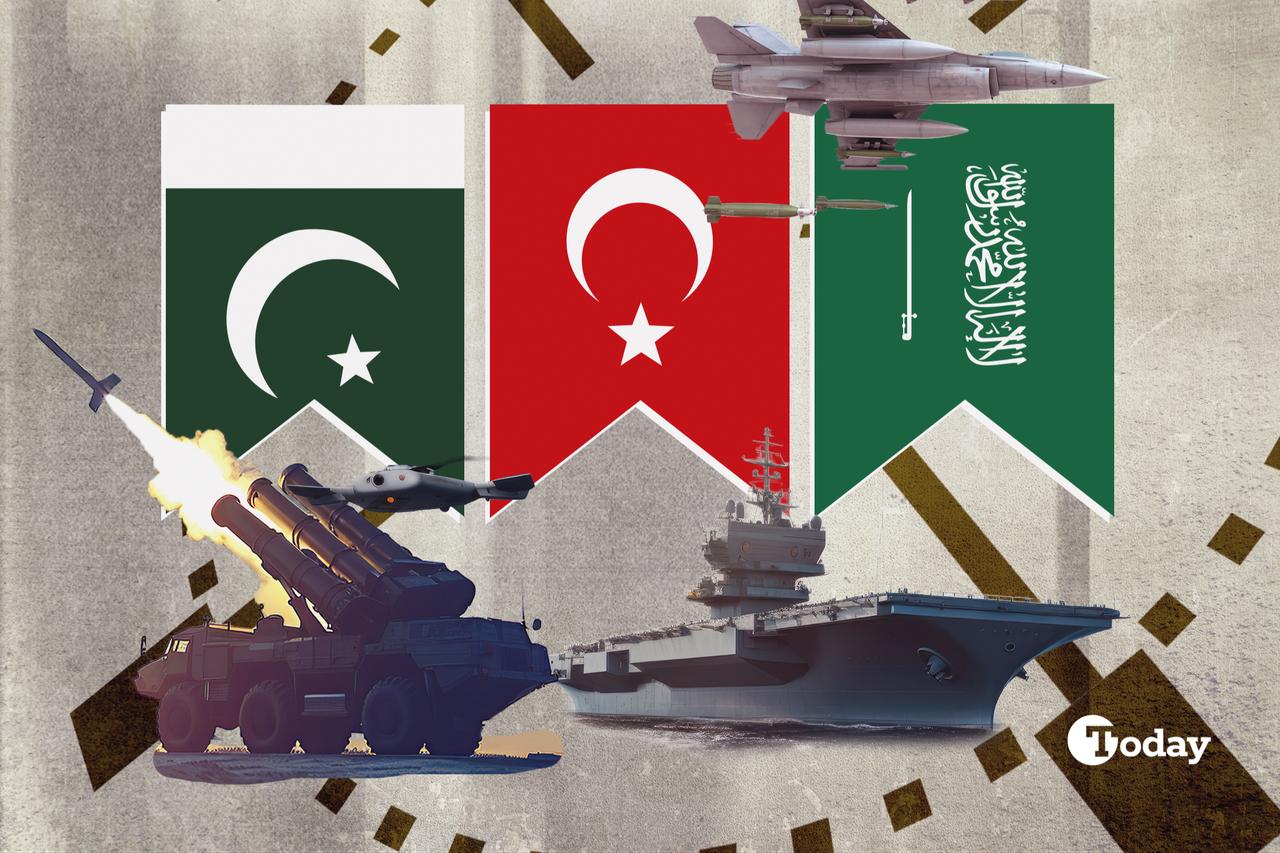


Ankara is seeking to join the strategic mutual defense agreement between Pakistan and Saudi Arabia, as per a recent Bloomberg report. If this transpires, it could virtually reshape regional security dynamics in the Middle East.
Although there are no official details yet, Islamabad would see Ankara’s participation as complementary, given the latter’s long-standing security ties with Pakistan.
According to the report, Ankara’s strategic interests increasingly align with Riyadh and Islamabad, where South Asia, the Middle East and parts of Africa are concerned.
Citing analysts, the Bloomberg report highlighted that all three countries complemented each other: the kingdom with financial resources, Pakistan with nuclear capability and Türkiye with a developed defense industry.
On a larger level, the three countries share long-standing defense ties with the West and concerns about regional instability, whether in the Middle East, South Asia or the Red Sea. Pakistan and Türkiye already have deep defense ties, ranging from naval projects and drones to joint military exercises and officer training.
Though Saudi Arabia has relied on Pakistani military support for decades, it increasingly sees Türkiye as a capable, defense-industrial partner.
Meanwhile, Islamabad has partnerships with China, Türkiye and other Gulf states, but these lack mutual defense clauses like in the Strategic Mutual Defense Agreement (SMDA).
But it remains unclear whether Ankara would become part of the SMDA itself or whether a new, broader alliance is about to be created, allowing more countries to join.

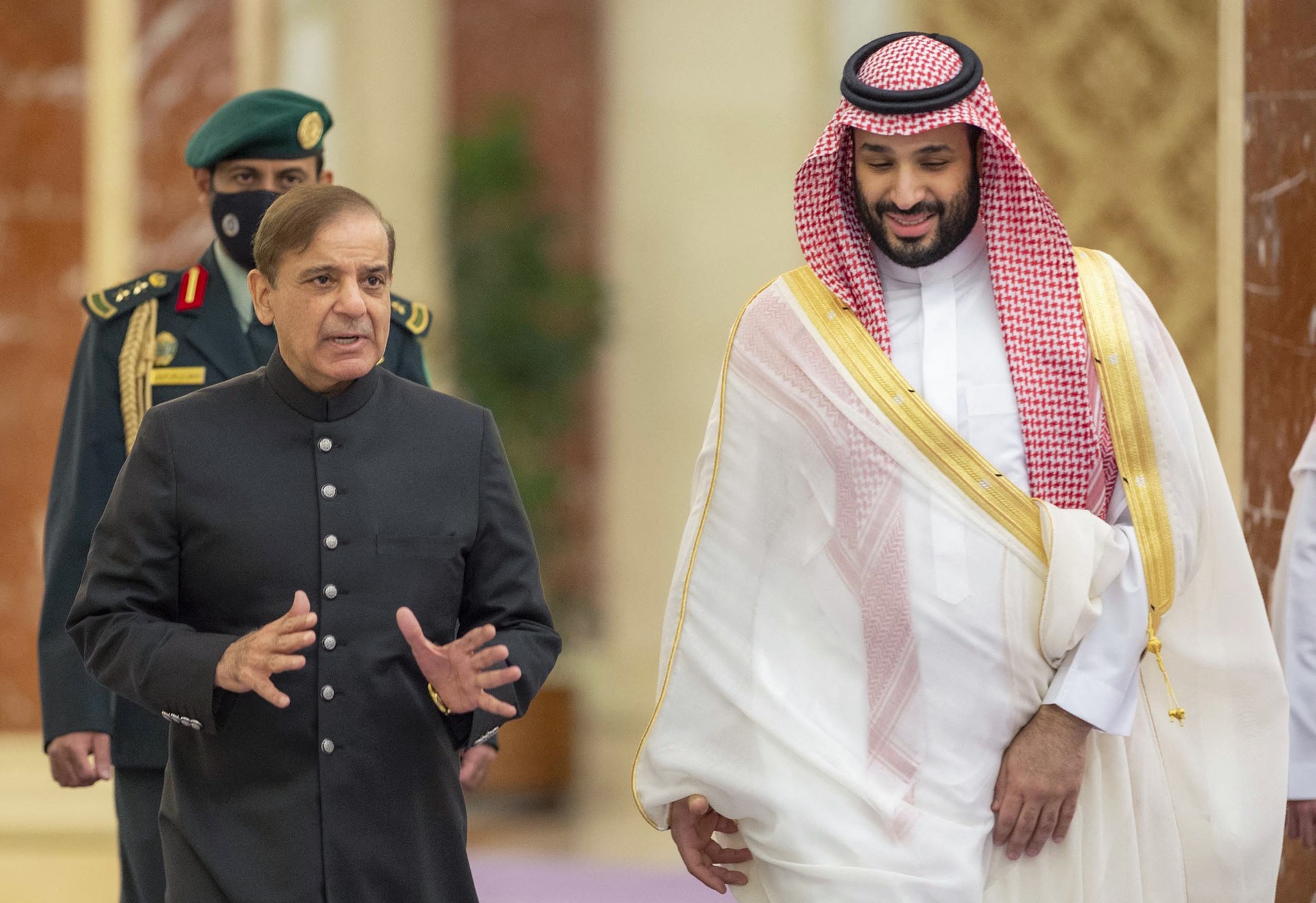
On Sept. 17, 2025, Islamabad and Riyadh elevated their long-standing military ties with SMDA, including a commitment reminiscent of the North Atlantic Treaty Organization (NATO)’s Article 5, with both sides pledging that “any aggression against either country shall be considered an aggression against both,” as per the Pak-Saudi joint statement.
NATO is a 32-member alliance (Türkiye is a member) with an integrated command structure and formal nuclear-sharing arrangements, including U.S. weapons stationed in Europe, while the SMDA is shielded by ambiguity.
But the SMDA was casually dubbed a ‘mini-NATO,’ as Pakistan’s Deputy Prime Minister and Foreign Minister Ishaq Dar had signaled from the beginning that the pact was expandable.
Dar had said that some nations had shown interest in forging strategic defense partnerships with Pakistan, following the agreement with Saudi Arabia, but a “formal process” would be followed, which may take several months to finalize.
At that time, Pakistan’s Defense Minister Khawaja Asif had also said that the SMDA framework ensured “collective security,” and the entry of any other nation was not being ruled out. In fact, the expansion could even take the form of separate, customized strategic defense partnerships.
Riyadh and Islamabad have always had a special close defense equation, hailing back to the days when Pakistan started its secret nuclear program in the early 70s and the Kingdom had provided financial support.
More like a formalization of historic and strategic ties that already existed, the closeness of Pak-Saudi defense ties, in the form of the SMDA, was probably only partially made public now, as the security situation in the Middle East has become much more intense.
As Pakistan is a nuclear state, a lot of debate followed in the media over whether the SMDA provided Riyadh with a ‘nuclear umbrella’ or not. Especially after Pakistan’s Defence Minister Khawaja Asif hinted that any capability would be made available, he then subsequently backtracked, saying that atomic weapons are “not on the radar.”
Most likely, this was strategic signaling to leave the perception of a high-level guarantee without crossing nuclear proliferation red lines. Also, there are no explicit obligations for automatic military intervention in the event of a conflict, like in NATO Article 5; instead, the SMDA stresses a mutual consideration of aggression without any binding commitments.
But again, the SMDA remains short on detail. In practice, both sides have been deepening operational collaboration and interoperability, regularly consulting on regional security.
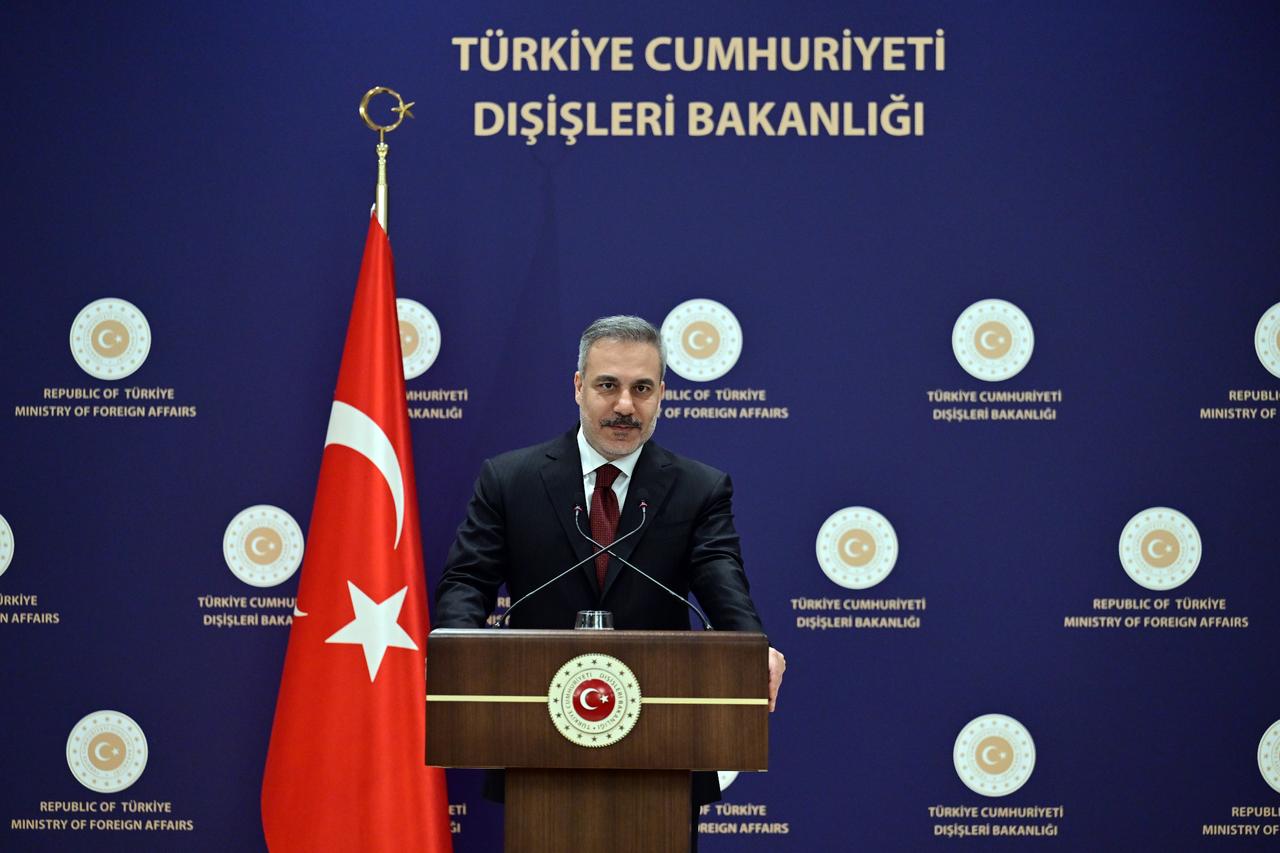
Foreign Minister Hakan Fidan told Reuters that talks have been held on a possible defense pact with Pakistan and Saudi Arabia, but no agreement has been signed as yet. He added that there was a need for broader regional cooperation and trust, and regional issues would “be sure of each other.”
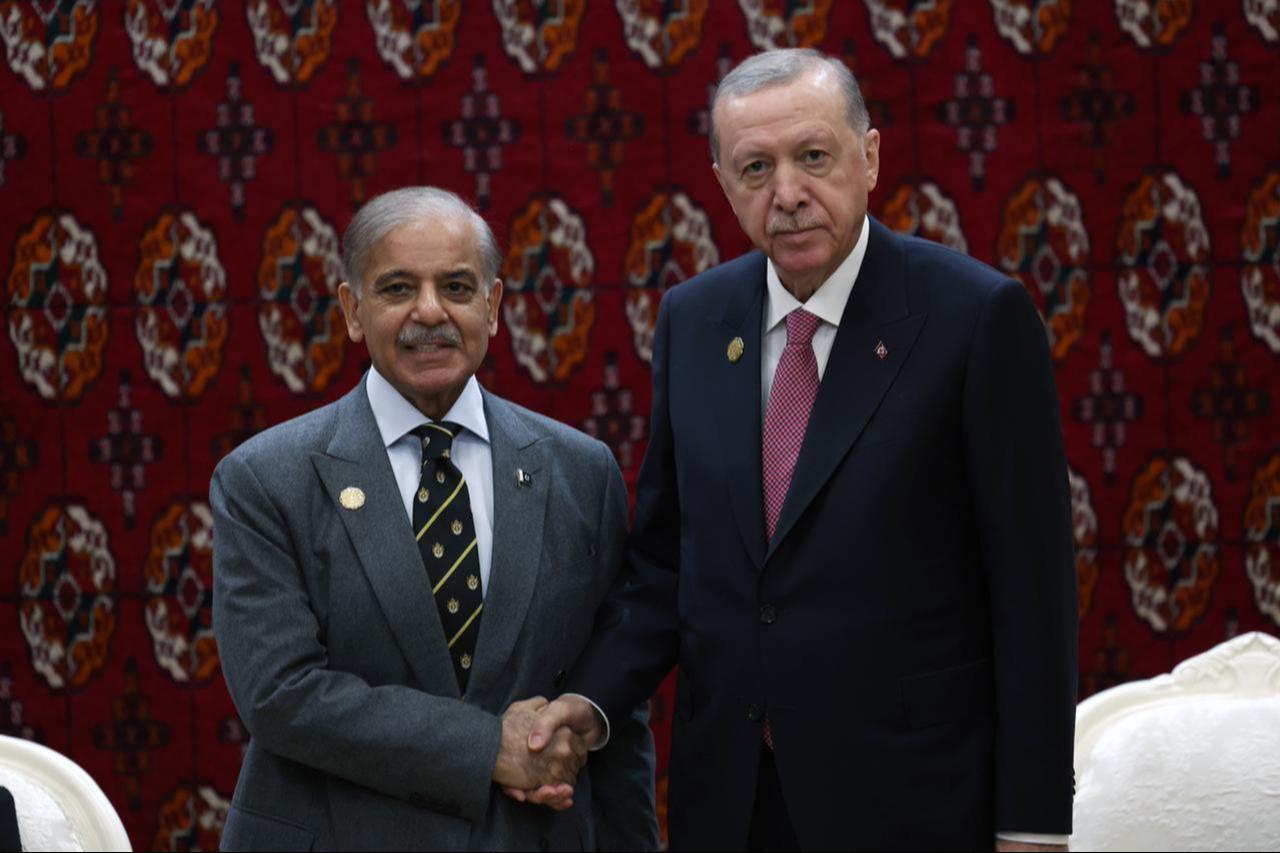
Like Riyadh, Ankara is moving closer to Islamabad, and the Pak-Turk equation is based on deep defense links and high-tech industry cooperation. According to the 2023 Stockholm International Peace Research Institute (SIPRI) report, Türkiye is Pakistan’s second-largest arms supplier of its total imports.
From Milgem-series warships to aircraft modernization and drone acquisitions and manufacturing, the bilateral military collaboration is outstanding.
In December, a high-level Turkish delegation was in Islamabad, showing strong interest in joint ventures, technical transfer and the establishment of manufacturing facilities in Pakistan.
In Pakistan, the Bloomberg report was greeted with a wave of optimism, and many see the prospect of Türkiye joining Pakistan and Saudi Arabia in a defense arrangement as a potential boost to Islamabad’s security profile and diplomatic standing.
Describing the prospect of a defense alliance between Saudi Arabia, Pakistan and Türkiye as a “strategic leap,” an op-ed in the Pakistani newspaper Daily Times says that the emerging Saudi-Pakistan-Türkiye security configuration is both a “continuation and a transformation” of a long journey.
Regarding the inclusion of Türkiye, it says that “Türkiye’s reported interest in this arrangement adds another dimension. Ankara brings to the table its defense industry, regional footprint, and NATO-hardened armed forces.”
Faisal Ranjha, a Pakistani commentator, tweeted on X that "Pakistan, Saudi Arabia and Türkiye are discussing a NATO-kind of defense pact; other countries can join at a later stage as well. Powerful countries making powerful alliances in an emerging New World Order.”
Meanwhile, former Prime Minister of Qatar Sheikh Hamad bin Jassim bin Jaber Al Thani has called for the formation of a strategic defense alliance bringing together Egypt, Saudi Arabia, Türkiye and Pakistan, describing it as an “urgent need” in light of the regional situation.
In a post on X, he said that the joint strategic defense agreement between Saudi Arabia and Pakistan, which Türkiye may later join, represents “an important step to preserve the region and strengthen its stability, including its Arab and Muslim components.


 Set as preferred source
 Set as preferred source


 1 min read
 1 min read