Newsletters


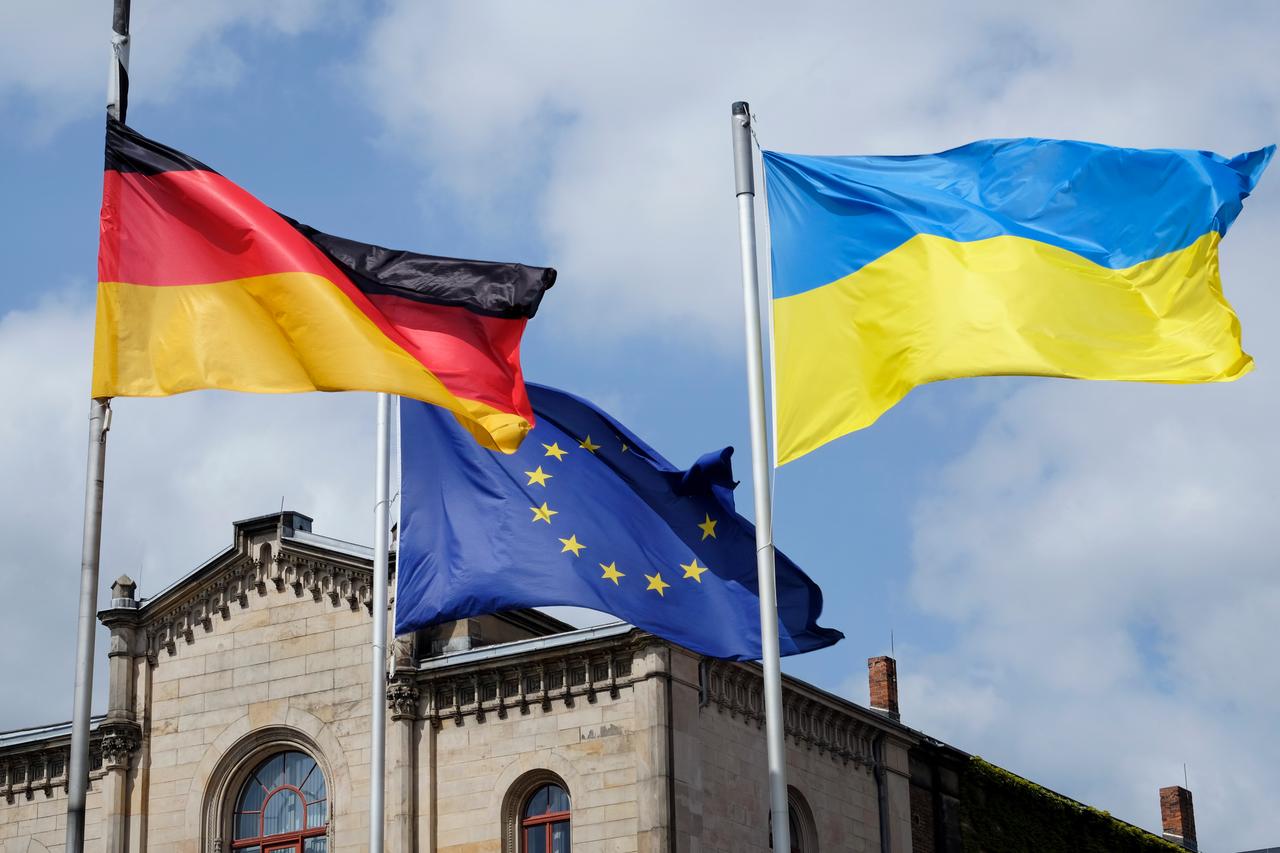


The war in Ukraine has reshaped many international dynamics. One of its most significant consequences has been the destabilization of a major alliance once regarded as a model to emulate: the European project.
Contrary to expectations, the moment of war—and the Russian threat that followed—did not produce greater unity and cohesion. On the contrary, it has generated an unprecedented level of mistrust among partners.
This mistrust is evident not only across the Atlantic. Sharp divergences have emerged between Americans and Europeans over fundamental issues such as NATO’s relevance and whether Russia should be treated as an adversary or a potential partner. It is also visible within Europe itself.
The war exposed the fragility of the very pact on which the European Union is built.
It revealed a bloc that cannot be fully relied upon—a club still far from constituting a genuine political and strategic union.
As the conflict intensified, each European state began to define the threat according to its own priorities and anxieties. Some saw no alternative but to maintain channels of cooperation with Russia.
Others viewed the war in Ukraine as their own battle, one that must be fought decisively. Some placed their hopes in a collective European security project, while others concluded that relying on NATO or on a still-distant European defense framework is a strategic mistake.
For them, the priority is national self-reliance and defense autonomy, rather than dependence on support that may not arrive in time.
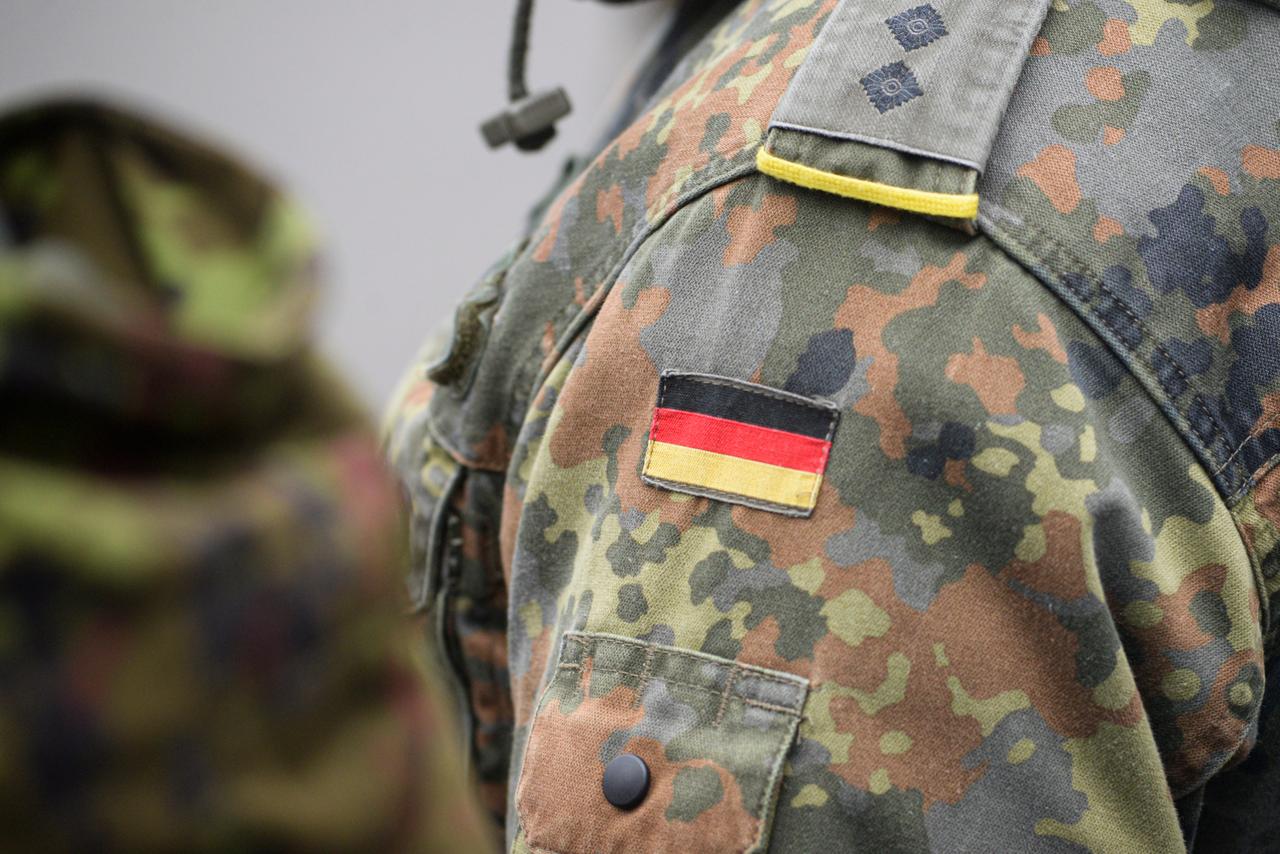

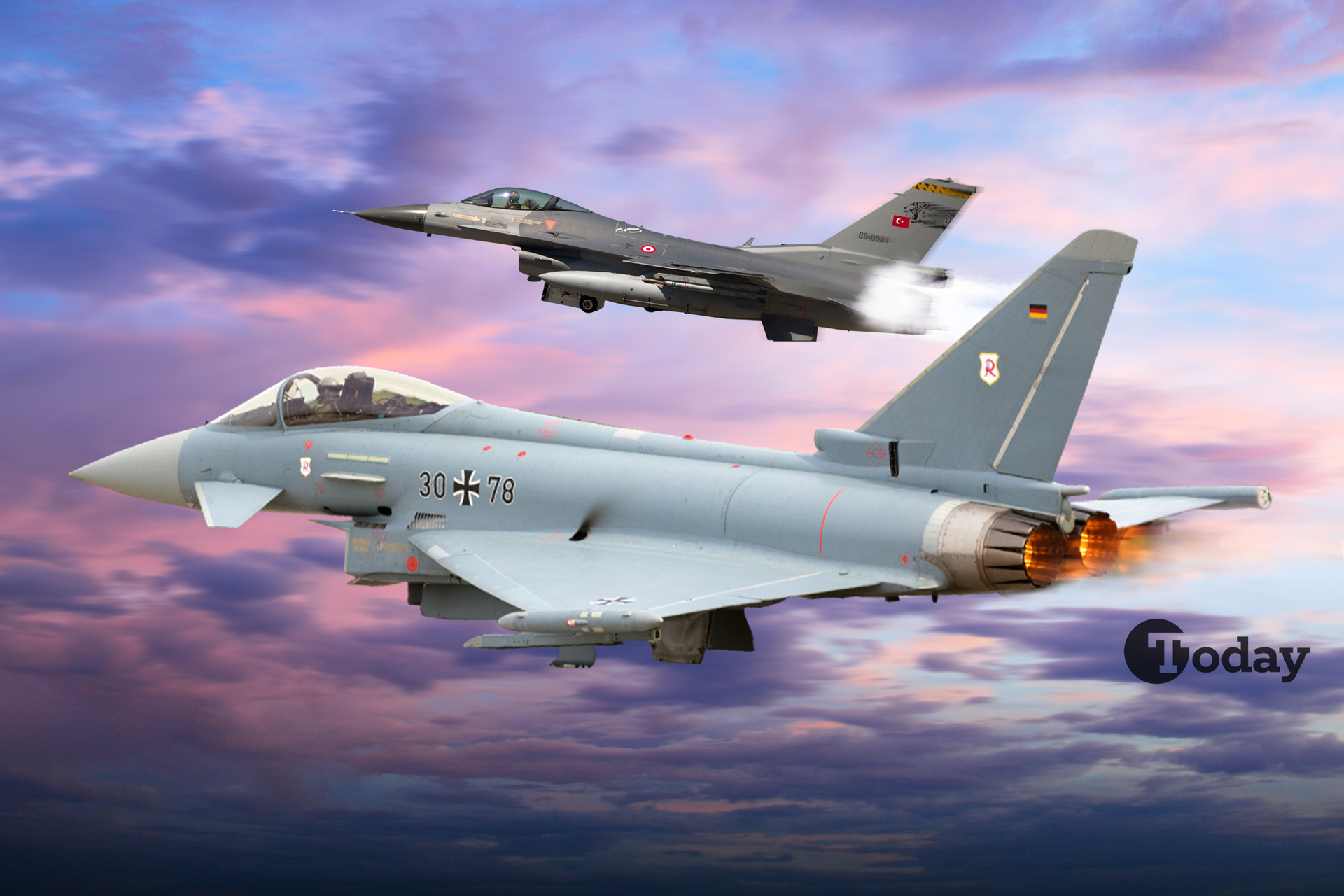
Amid these transformations, Germany has re-emerged as a rising military power. This development has unsettled its neighbors. Historically, Berlin has demonstrated an exceptional ability to rapidly build formidable military capabilities—capabilities that have repeatedly constituted the primary threat to other European states.
Numerous documentaries, political programs, and articles across Europe warning of a “German resurgence” all point to one conclusion: decades of rhetoric about brotherhood, along with countless cultural, political, and economic initiatives designed to bridge divisions between European nations, may have fallen short of their ultimate goal.
It is becoming increasingly clear that the current state of peace and cooperation in Europe is the exception rather than the rule in a continent whose history has been defined largely by war.
Strategic thinkers recall that one of the main causes of World War I was the effort to prevent Germany from becoming a dominant military power with a competing naval force.
That war ended only after Germany was disarmed under the Treaty of Versailles. The objective after World War II was even more explicit: to contain Germany permanently and prevent it from ever posing a threat again.
Today, European states find themselves in a difficult position. On the one hand, they cannot prevent Germany from rearming and expanding its defense budget in response to the Russian threat.
On the other hand, there is a growing fear that this surge in military spending could revive the “old giant”—along with historical ambitions of dominance. The memory remains vivid of how Germany rebuilt its military after World War I and, within a short period, annexed Austria, Czechoslovakia, and Poland.
Europe, which has long accepted Germany as an economic powerhouse, may find it far more difficult to accept it as a decisive military power.
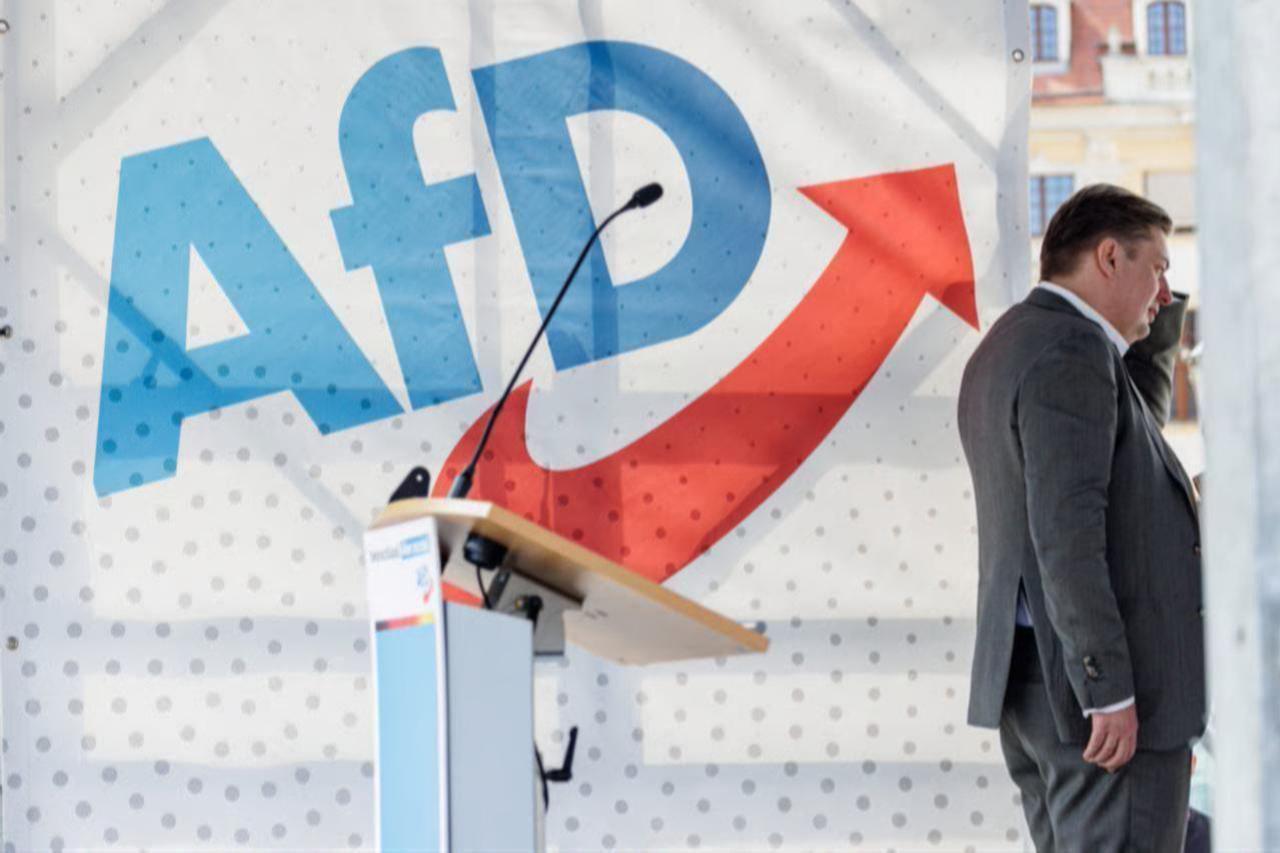
For now, the situation does not appear alarming. But a crucial question looms: What if the far right comes to power? The rise of the Alternative for Germany (AfD) has been notable enough that its accession to government can no longer be dismissed.
This is a nationalist party rooted in a narrative of a “great Germany” humiliated by its enemies—partitioned, occupied, and constrained militarily.
Public discussions of the AfD often focus on its hostility toward foreigners and its anti-immigrant stance, particularly toward Arabs and Muslims, whom it views as culturally incompatible. Yet what truly concerns European observers is something deeper.
An AfD-led government could mean increased militarization, greater reliance on coercive power, and even territorial claims based on historical narratives.
A strong Germany has always been a source of European unease. It is worth recalling that European leaders—including Margaret Thatcher—once opposed even the reunification of Germany. The prospect becomes far more complex if such a country is governed by a nationalist, right-wing leadership.
A powerful, nationalist Germany could potentially withdraw from major alliances such as NATO and the European Union, hollowing out these institutions and possibly leading to their unraveling.
Such fragmentation would undoubtedly benefit a watchful Russia. It would also serve China, a strategic competitor, and even the United States, whose current leadership may not be serious about dismantling NATO but could nonetheless benefit from a weaker Europe.
What ultimately matters are two key observations. First, historical consciousness remains deeply embedded in European policymaking.
The “German question” is a prime example—one that decades of peace have not fully resolved.
Second, the term “the West” has become increasingly hollow.
It no longer signifies a coherent bloc with shared strategic visions, whether on security, economics, or even pressing global issues such as the war in Ukraine or conflicts in the Middle East. Increasingly, it is little more than a geographical label.


 Set as preferred source
 Set as preferred source


 1 min read

 1 min read