Newsletters


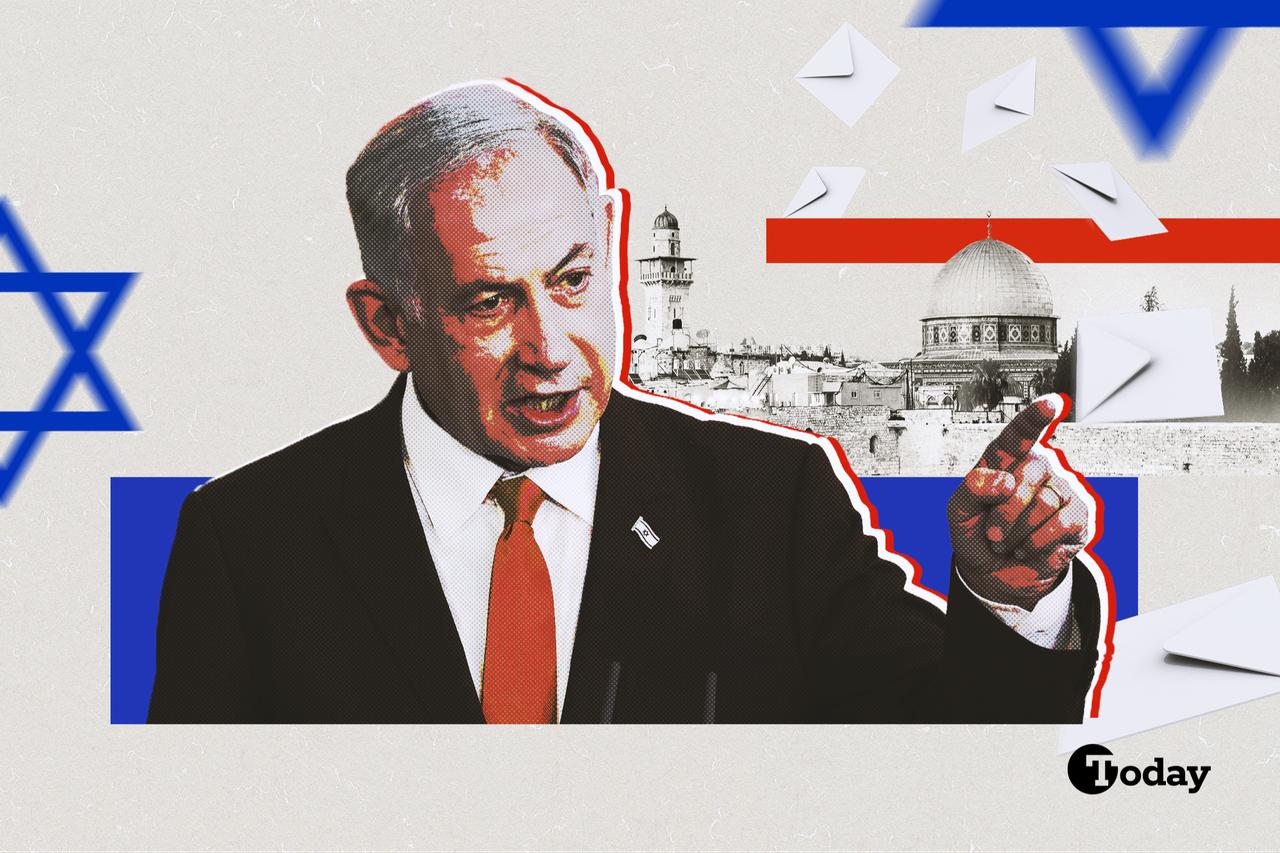


As elections approach in Israel, Türkiye Today spoke with Yaacov Falkov, a lecturer at Tel Aviv University and former senior strategic analyst in the Israeli Prime Minister’s Office. The discussion explored the current government's prospects for staying in power and the potential evolution of Israel’s regional strategies.
Central to the conversation was the future of Türkiye–Israel relations within a landscape defined by both shifting dynamics and political continuity.
Do you see Benjamin Netanyahu as more likely to remain in power, or do you think Israeli voters are finally reaching a tipping point for change?
Falkov: Currently, Israeli society is deeply divided over the question of Netanyahu’s personal responsibility for Oct. 7 and his continued stay in power. Therefore, it is extremely difficult to predict the outcome of the forthcoming elections. That said, it should be noted that even within the right-wing political camp, an increasing number of people are becoming disappointed with Netanyahu’s unwillingness to acknowledge responsibility for his own and his government’s serious mistakes.
Therefore, I cannot rule out the possibility that some of them will vote for centrist parties or for the right-wing Yisrael Beiteinu, which will almost certainly be willing to join a coalition with centrist parties.
What do you consider to be the primary motivation behind Israeli voting behavior: security concerns, the need for political stability, or expectations of regional normalization?
Falkov: I think that the security concerns will still play the central role. But the other two motivations (political and regional stability) are also very important. Most likely, the Likud’s rivals from the center and center-to-right segments of the political spectrum will try to convince their potential voters that they will achieve the first goal without neglecting the other two.
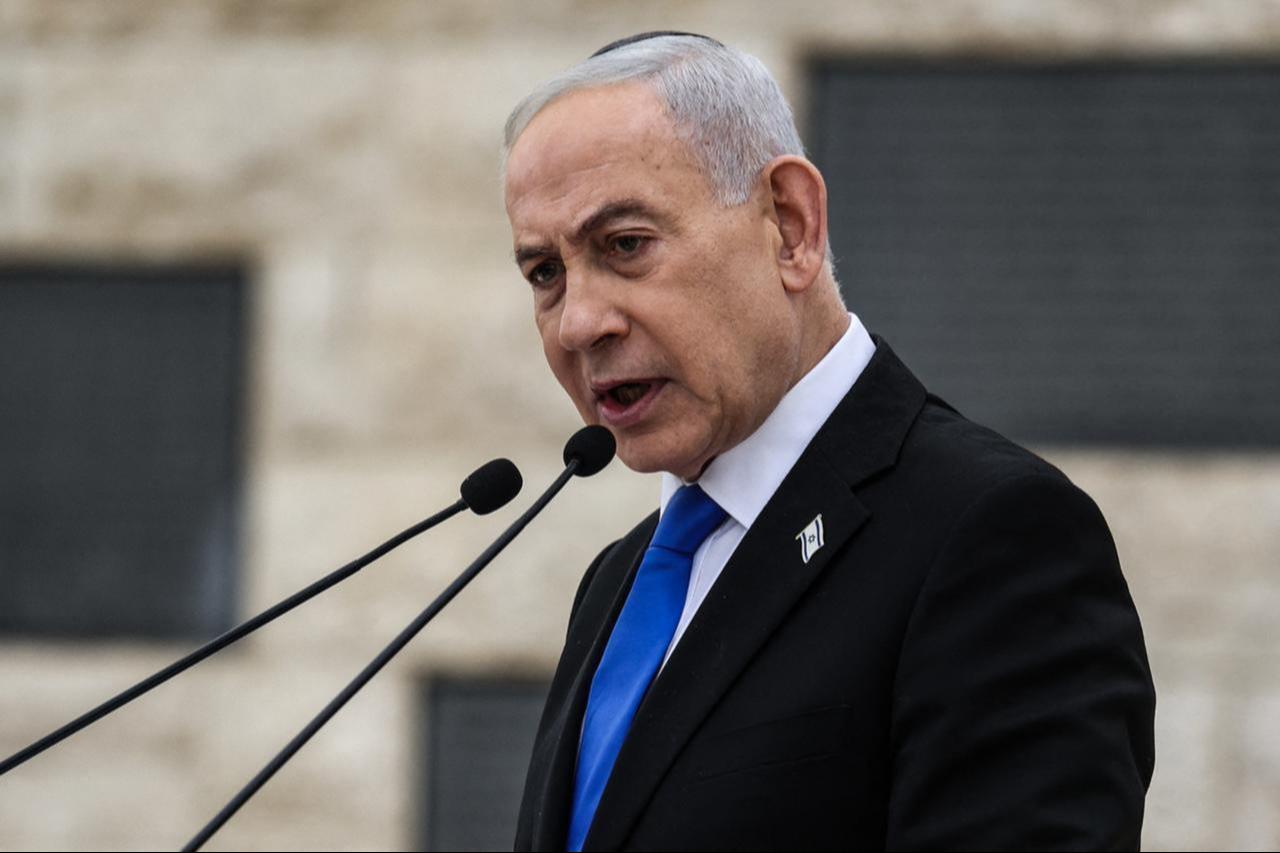

If Netanyahu were to lose the elections, should we expect a genuine strategic shift in Israel’s Middle East policy, or merely a rhetorical softening?
Falkov: Netanyahu’s rivals recognize that key pillars of his security and foreign policy require a serious revision. Most likely, an effort will be made to repair ties with the European Union while leveraging existing relationships across the Muslim world—including the UAE, Morocco, Azerbaijan, Kazakhstan, Albania, parts of Saudi, Egyptian, Jordanian, Lebanese, Yemeni elites and even Indonesia. The aim will be to forge a new framework for Israel’s relations with the Middle East, the Palestinian territories, and the broader Islamic world.
Yet, the fate of this shift is expected to be very much dependent on the behavior of the major regional players—Iran (and its proxies), Türkiye, Syria, Egypt and Saudi Arabia.
If the regional Shiite camp were to abandon its current anti-Israeli policy—characterized by destabilizing Israel’s borders, promoting attacks against Israeli and Jewish targets, launching rockets, and amassing Radwan troops along the northern border; if the Turkish leadership adopted, even silently, a line of positive, non-violent de-escalation; and if the Saudis and Egyptians openly provided their blessing and Saudi funding for a gradual Israeli-Arab rapprochement, I believe the champions of change within Israel could slowly shift the current suspicion held by much of Israeli society. This would steer the country and the entire region toward a more peaceful and prosperous future.
Otherwise, the hawks, even after losing the election, would be able to quickly regain social support and political positions.
If Netanyahu remains in office, would Israel’s military and intelligence strategies toward Iran evolve into a more aggressive and risk-taking phase, or is this trajectory already the result of institutional continuity?
Falkov: For many years, this trajectory was shaped mainly by the growing hostility of the Iranian leadership toward Israel, including Tehran’s openly proclaimed policy to destroy the Jewish state, its numerous attempts to promote terrorist attacks against Israeli and Jewish targets (including on Turkish soil), as well as its attempts to silently advance the Iranian military nuclear program.
It is this powerful factor that created the "institutional continuity" you mentioned—much like how the relentless threat of Kurdish militants to Türkiye’s security, sovereignty, and regional interests turned Ankara’s anti-PKK operations into its own form of "institutional continuity." Certainly, Netanyahu’s personal style of handling the Iranian threat has influenced the country’s behavior; therefore, some of these patterns may be altered or abandoned should the Likud party lose the forthcoming elections.
But, in general, if the Iranian threat persists in its current form, or even “goes nuclear," I see no possibility of a real shift in Israel’s military and intelligence strategies.
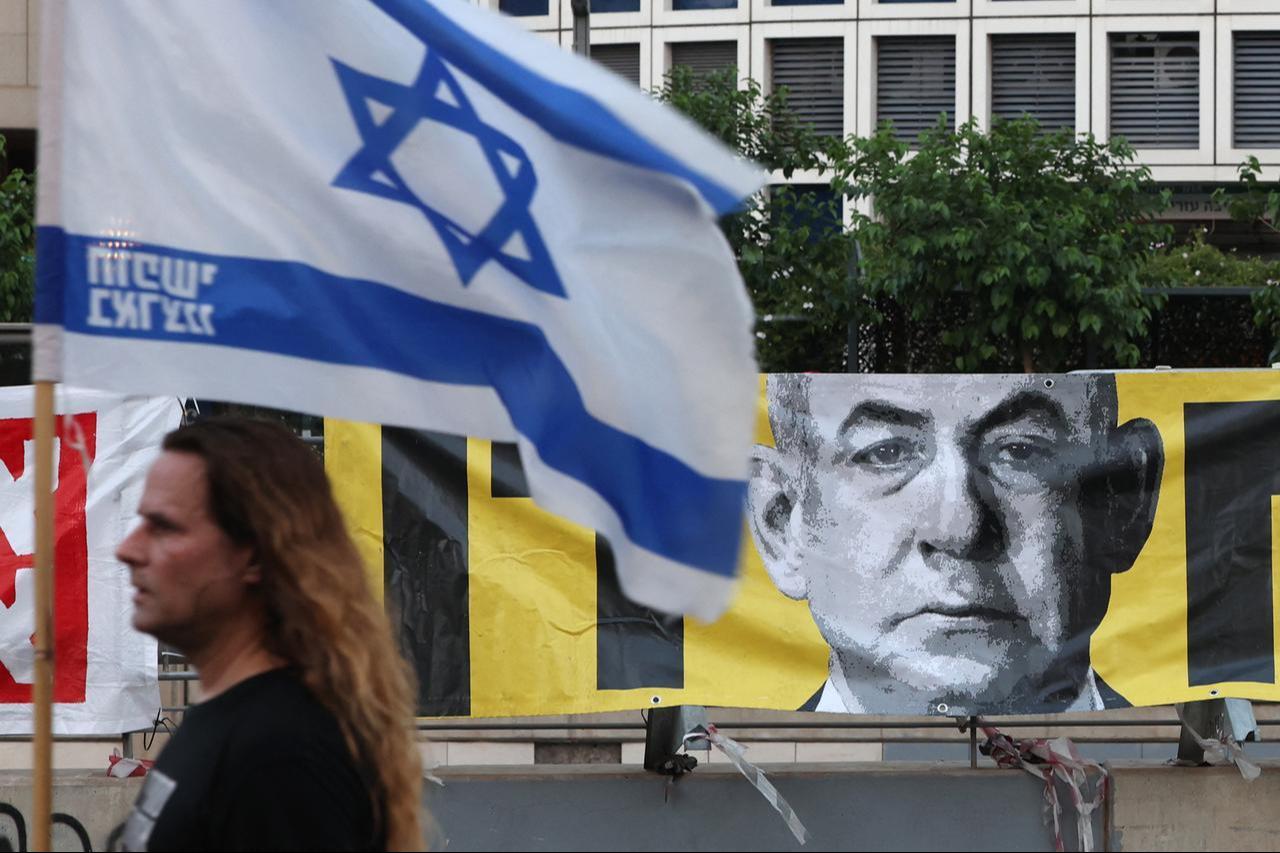
More generally, in Israeli foreign and security policy, what do you consider to be the decisive factor: political leadership, or the strong security bureaucracy and institutional state logic?
Falkov: Following the logic of my previous answer, in my view, one cannot really understand the relationship between Israeli political leadership and security bureaucracy, allegedly preserving the “institutional state logic” without taking into consideration both parties’ reaction to the “elephant in the room”—the behavior of the Iranian regime and its militant proxies over the last three decades.
In the 1990s, both the then left-wing Israeli leadership and the very much left-oriented security bureaucracy wanted a settlement with the Palestinians, made multiple concessions to the Palestinian side, and expressed principal readiness to come to terms with the Syrians over the Golan Heights’ issue.
Yet, the would-be partners were not suited to the role history had assigned them. In 1998, as a journalist, I personally met with local Hamas youth leaders in Gaza City who spoke openly about their desire to destroy Israel and expel its entire Jewish population. Later, in 1999 at the White House, I witnessed Syrian Foreign Minister Farouq al-Sharaa collapse during a joint press conference with President Clinton and Israeli Prime Minister Ehud Barak—clearly overstressed by being sent to "negotiate" with the Israelis without the authority to actually discuss a single thing.
And then came a terrible wave of relentless and bloody terrorist attacks by Hamas, Palestinian Islamic Jihad and the Fatah-affiliated Tanzim in the Israeli cities, followed by the Israeli unilateral withdrawal from the Gaza Strip and even more Hamas attacks and rocketing of the Israeli territories, including the cities in which my family lives.
Similarly, the Israeli withdrawal from Southern Lebanon had only encouraged Hezbollah to promote its build-up and deadly attacks on our northern border. It was in this ever-deteriorating security situation that the Israeli security bureaucracy changed its DNA, becoming more focused on crushing the enemy than promoting a utopian “peace,” and Netanyahu returned to the Prime Minister’s office.
The slow radicalization of the Iranian regime after the 2009 protests only accelerated this process in Israel. Therefore, as I already stressed above, Netanyahu’s personal style of handling the Iranian and other threats has influenced the country’s strategic behavior, but his possible disappearance from the political and historical scenes cannot be the decisive factor that will change everything.
Very much depends on the behavior of the regional powers. First of all, Iran, but also Türkiye, which could signal, even silently, its willingness to deescalate and convince the Hamas leadership to do the same.
 2 min read
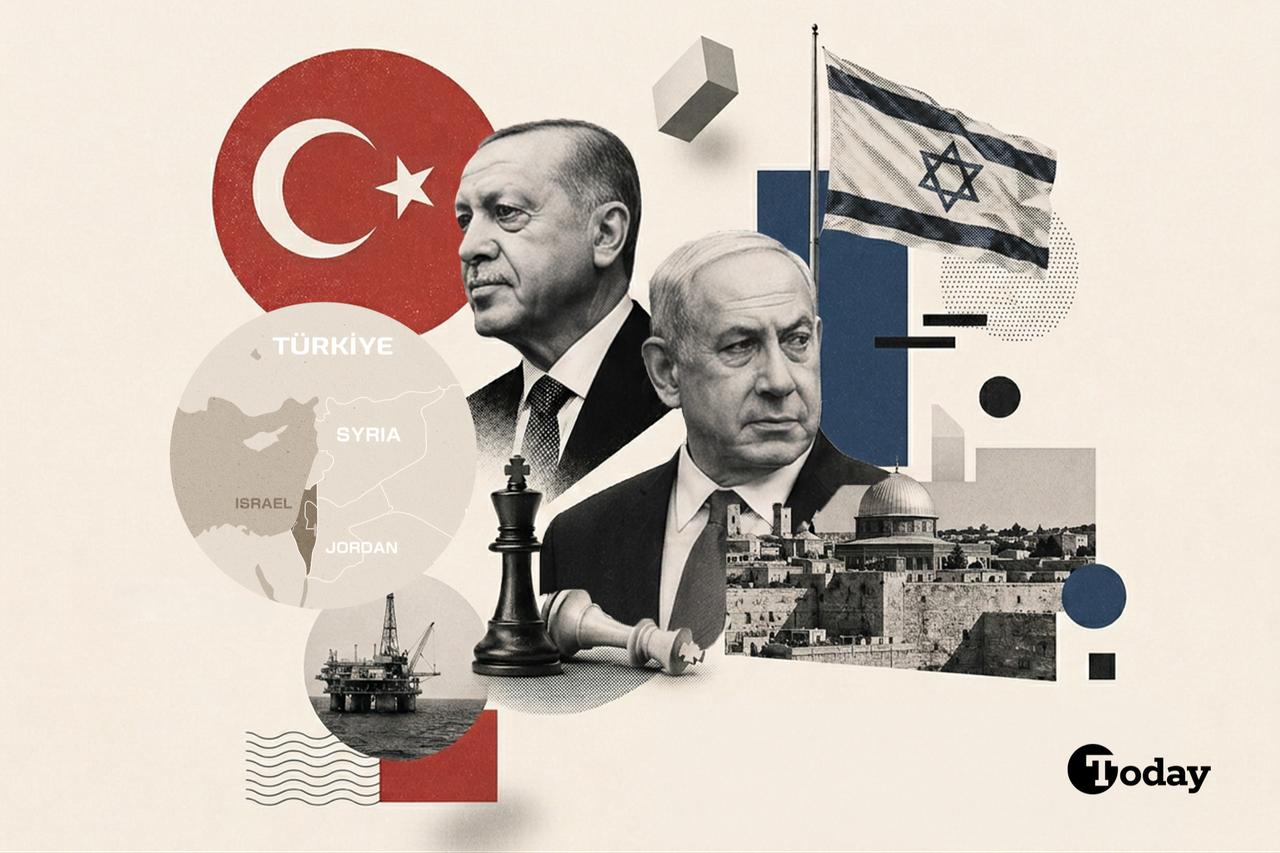
In light of the tensions between Recep Tayyip Erdogan and Netanyahu, do you see any possibility of normalization in Türkiye–Israel relations after the elections?
Falkov: It takes two to tango. In my opinion, if there is truly a willingness to improve the situation in our region, after the elections, each side will have to move toward deescalation. “Structural dynamics” aren’t immutable, as we now see in the improving relations between Türkiye and Egypt.
In this case, the Turkish side became more attentive to some Egyptian positions, including Ankara’s attitude toward the Hasm Movement and Gen. Khalifa Haftar. Let’s hope for the same goodwill in Türkiye-Israel relations in the near future.
In the case of a leadership change, would Türkiye–Israel relations move toward structural rapprochement, or would only limited and pragmatic cooperation remain possible?
Falkov: Historically, the attitude of the Israeli society toward Türkiye and its people was very good. Moreover, the diplomatic and security communities of both countries enjoyed long years of mutually fruitful and even cordial strategic cooperation.
Many of its veterans are still very active and influential, share mutual respect, and would like to contribute to the restoration of past cooperation. We still face a very problematic reality in our region, especially in Syria, Lebanon and Iran, where such cooperation could be very helpful.
In this context, I draw inspiration from Israel’s long-standing cordial relations with two other great Turkic nations—Azerbaijan and Kazakhstan. Our cooperation with them is much more than just “limited and pragmatic,” and I see no real reason why our relations with Türkiye should be any different.
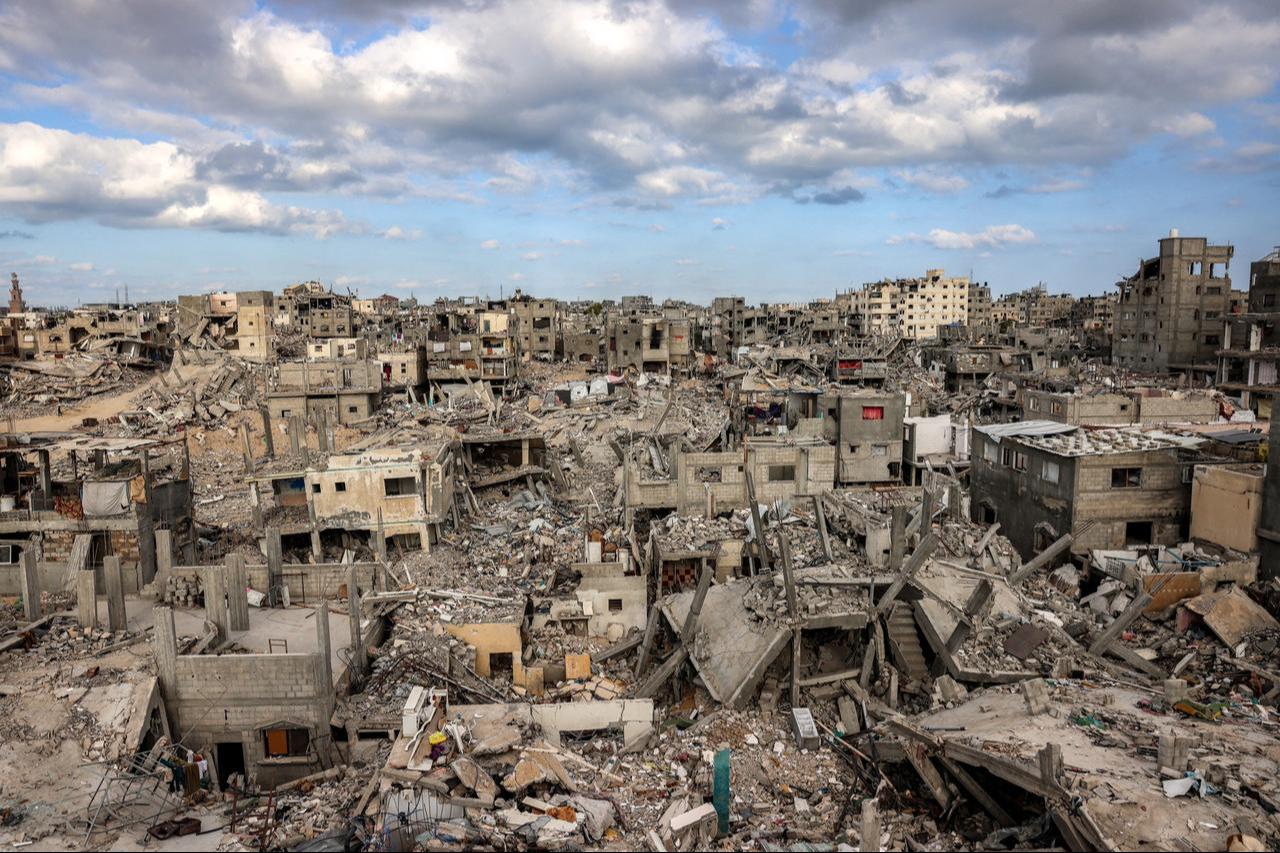
In a post-Netanyahu Israel, can we expect any substantive policy changes in the approach to the Palestinian issue, or is this field one of the “constants” of Israeli politics?
Falkov: I believe such changes cannot be immediate. Even before Oct. 7, the collective image of the Palestinians in the Israeli public consciousness was quite negative, and the events of that day have made it much worse. Nonetheless, it must be stressed that the general perception of Israel's Arab neighbors among the Israeli public remains quite positive.
Many of them—myself included—who have traveled to the UAE in recent years were deeply impressed by the country’s technological advancement, religious tolerance, and hospitality. Many others, particularly those in business and security, have established strong cooperation with colleagues in various Arab nations, including those that do not maintain official diplomatic relations with the Jewish state.
Moreover, the integration of the Israeli Arab community—which is, de facto, of Palestinian origin—into Israeli society has improved significantly, even in the period following Oct. 7.
All this gives me hope that—provided there is an improvement in the overall regional situation as we discussed, as well as foreign (especially American) aid in "healing" public administration within the Palestinian Authority—the Israeli and Palestinian sides will be able to gradually improve their relations.


 Set as preferred source
 Set as preferred source


 1 min read