Newsletters




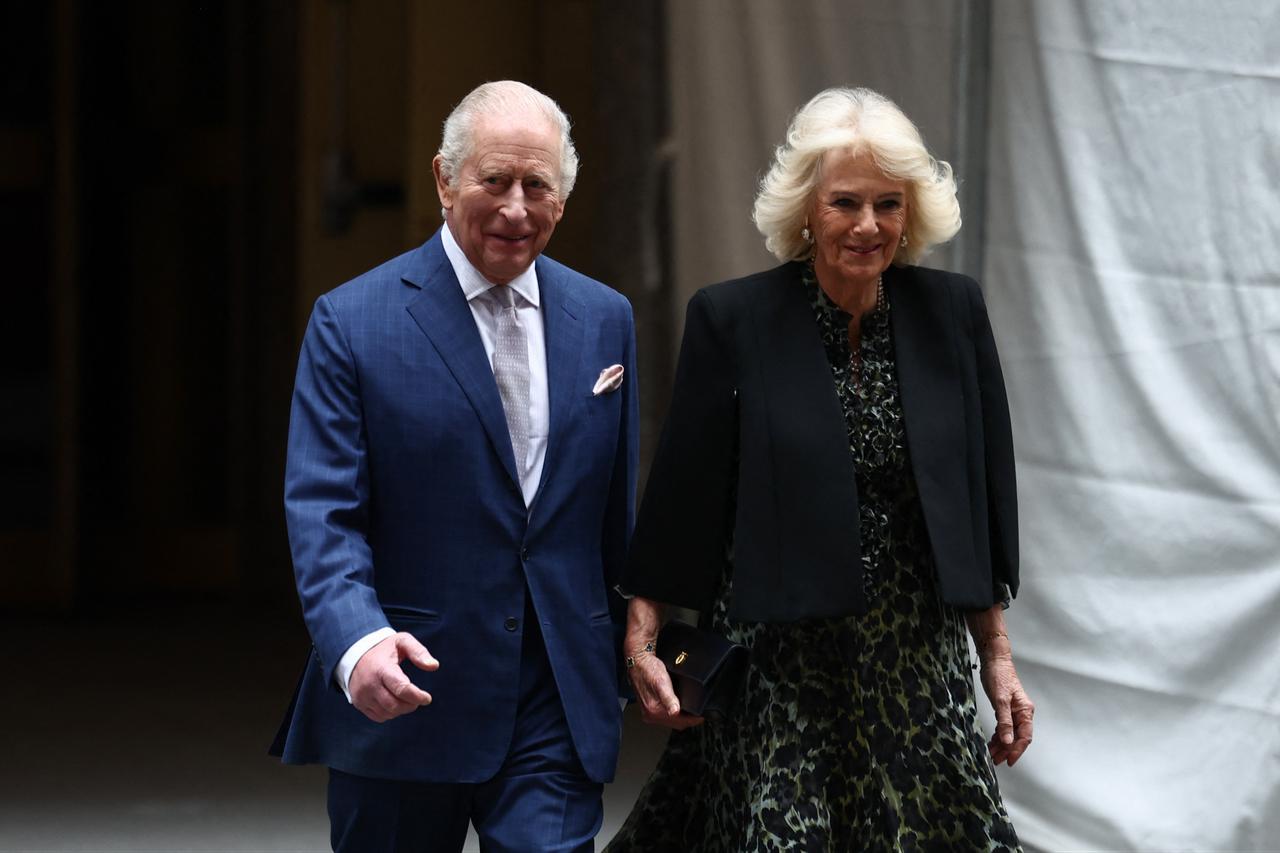
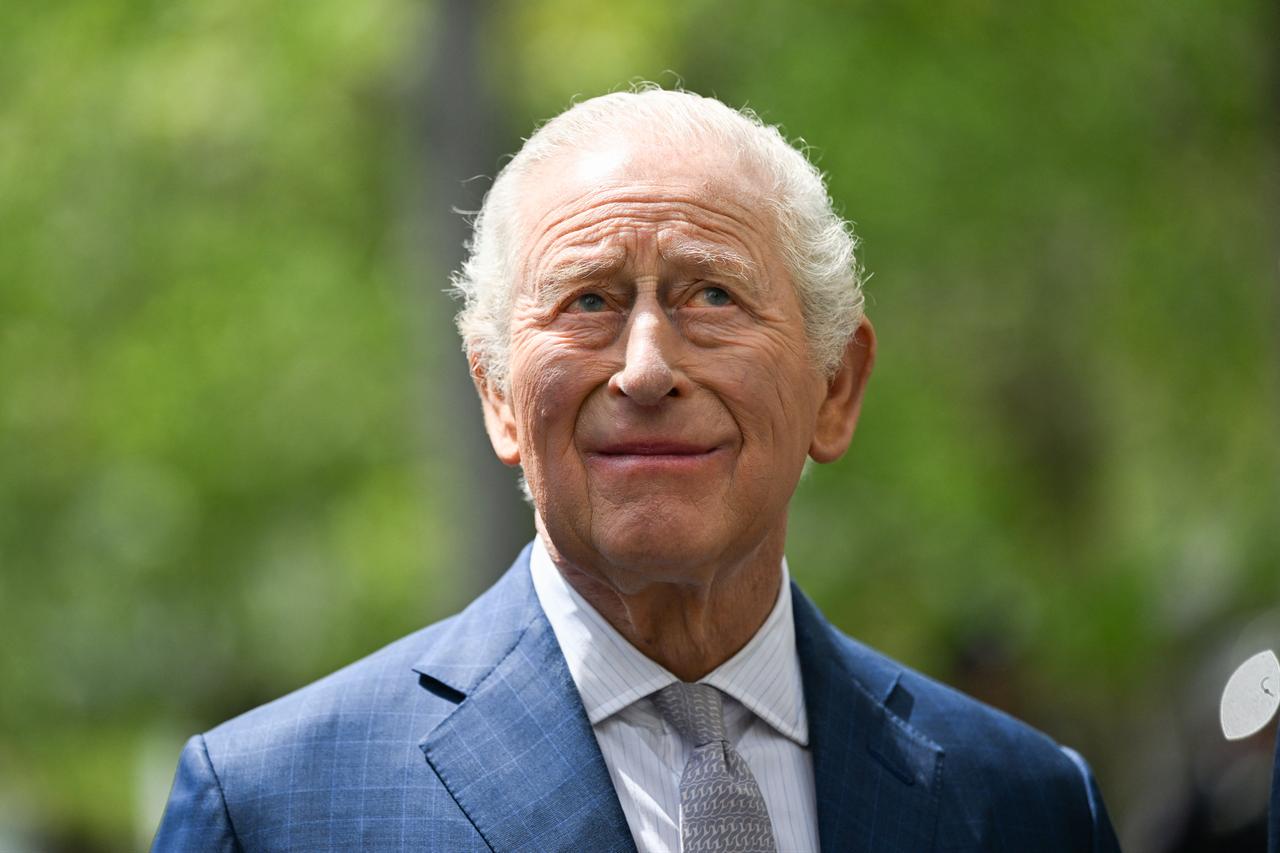
King Charles III’s visit to U.S. President Donald Trump’s White House was not a one-day event centered on April 29 but a carefully staged state visit spread across April 27-30, 2026.
The White House phase reached its peak on April 28 with a formal welcome, Oval Office meeting, congressional address and state dinner, while April 29 was largely shaped by New York engagements.
Rather than producing a joint declaration, signed agreement, or full joint press conference, the visit stood out as a display of constitutional and diplomatic symbolism.
Its main output was not a policy document but a historical narrative built around the 250th anniversary of American independence, the U.K.-U.S. “special relationship” and Trump’s second term.
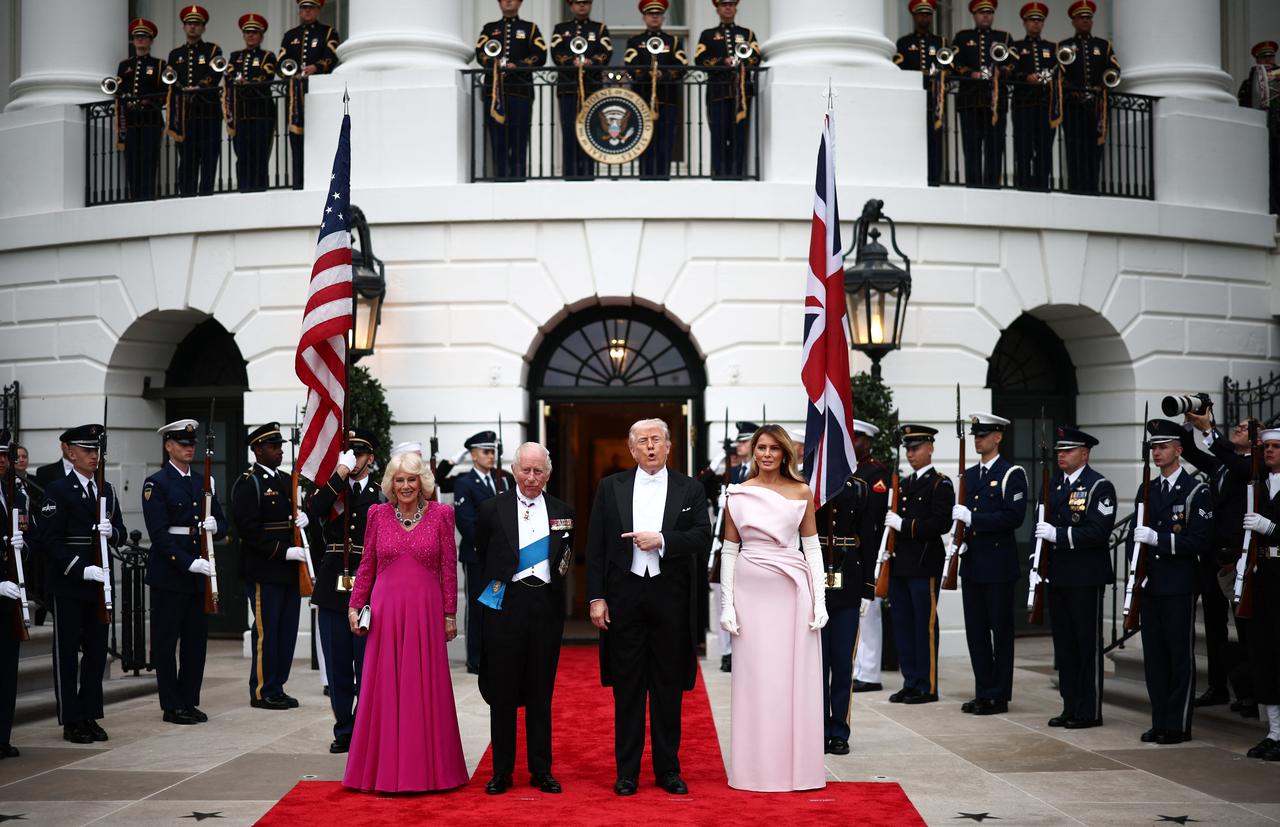

The official program placed the ceremony at the center of the visit. On April 27, the king and queen visited the White House for tea and a tour of the White House beehive before attending events at the British Embassy residence.
The following day brought military honors on the South Lawn, a meeting in the Oval Office, Charles’ address to Congress and a state dinner in the East Room.
This structure turned the visit into a public act of memory.
References to 1776, Magna Carta, the Second World War, NATO, 9/11, and AUKUS helped frame the U.K.-U.S. bond as a relationship that had moved from rebellion to alliance.
Charles’ congressional address was the central text of the visit. He linked the American constitutional tradition to older British legal references, including Magna Carta, while also pointing to “checks and balances,” NATO, Ukraine, technology, trade and environmental issues.
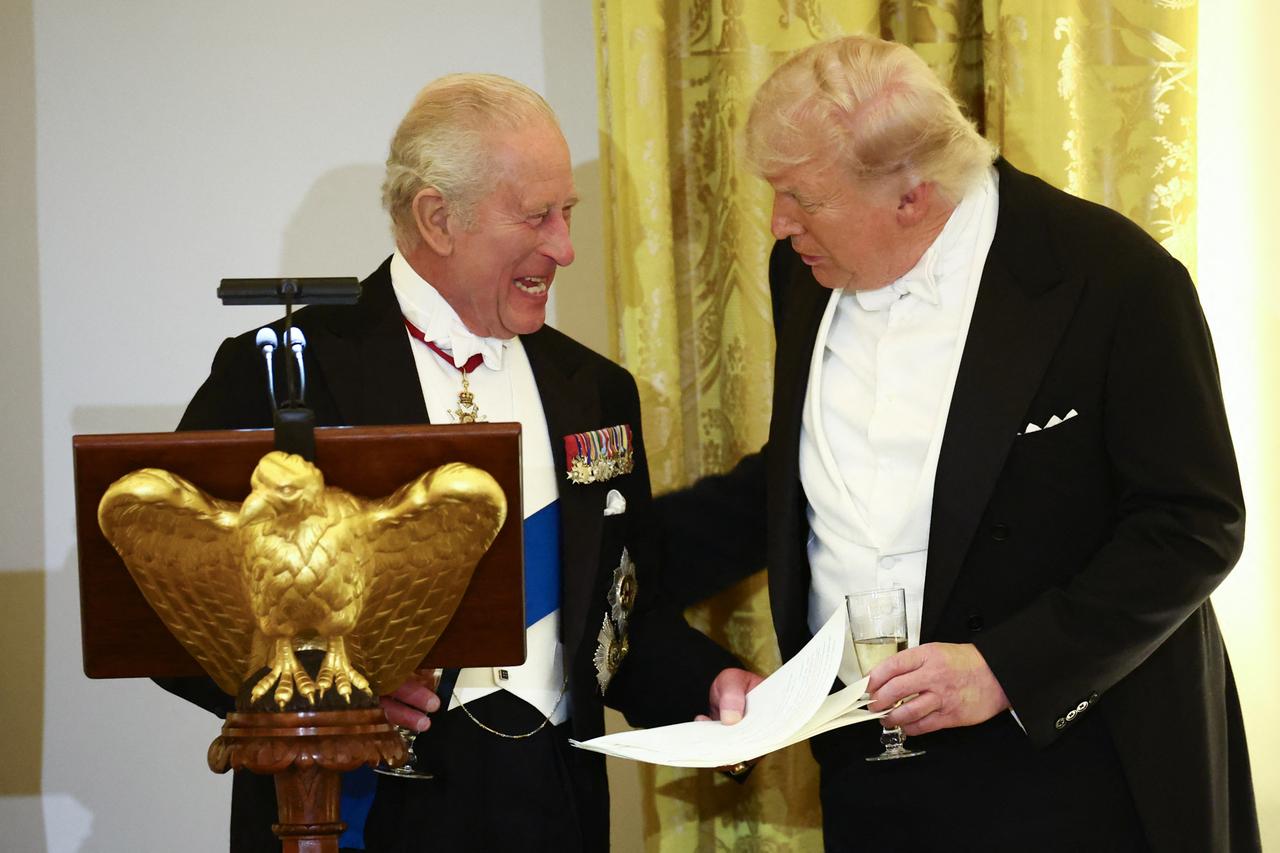
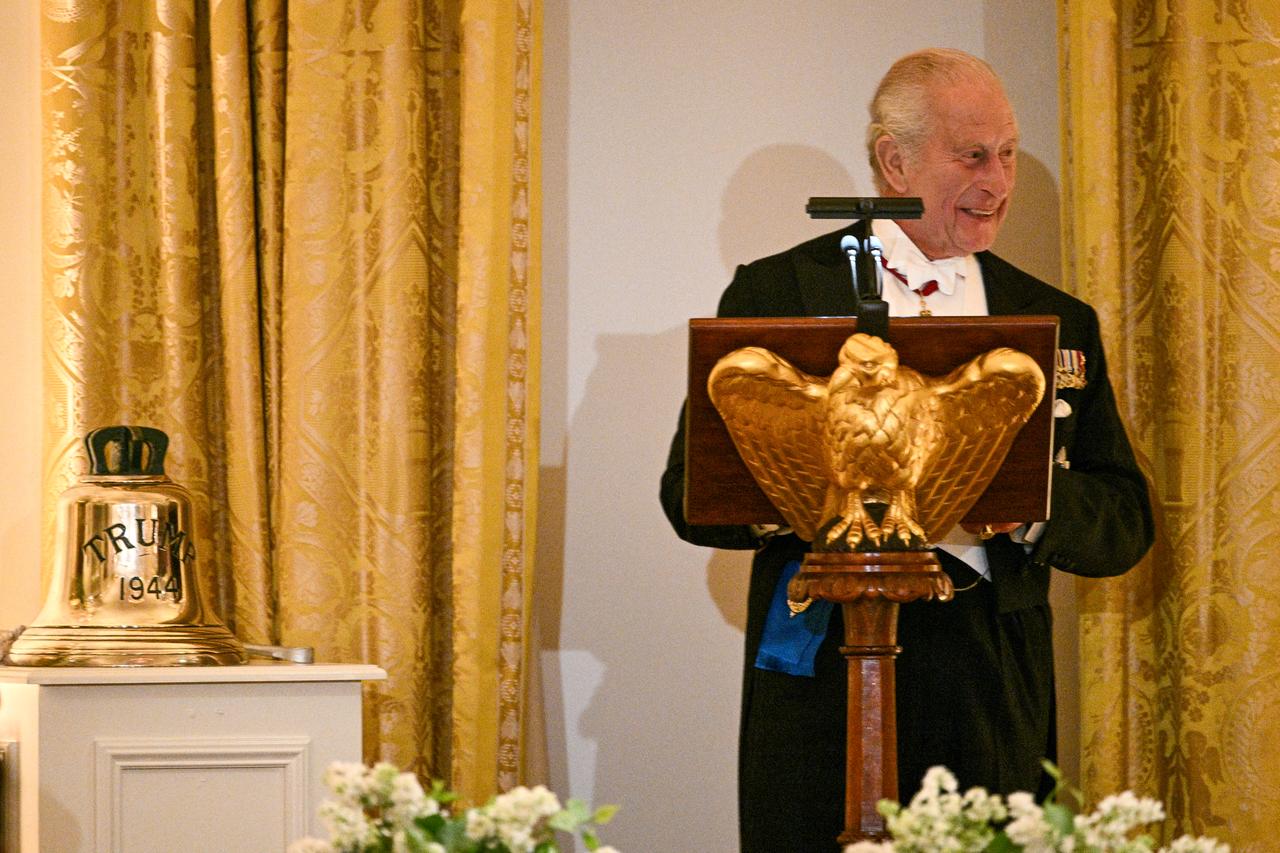
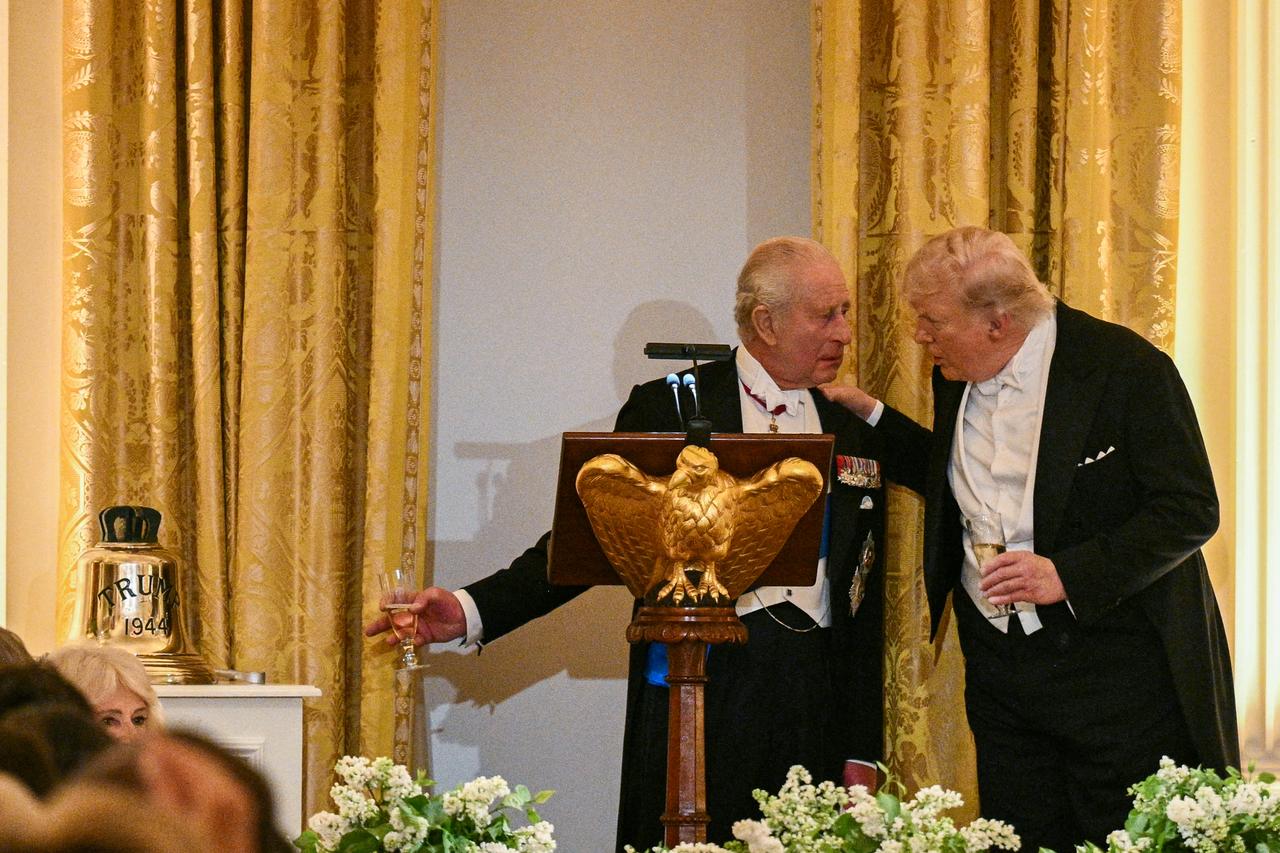
His state dinner remarks used a softer tone, mixing humor with historical references. He joked about the British burning of the White House in 1814 as “real estate redevelopment,” recalled earlier royal visits after major diplomatic strains, and presented the bell of HMS Trump as a symbolic gift linking wartime history with the present.
Trump framed the visit around “cherished friendship,” America’s 250th year, and a shared military history from Lexington and Concord to Normandy and Afghanistan. However, one moment drew particular attention: at the state dinner, he said Charles agreed with him that Iran could not have a nuclear weapon.
That remark stood out because the British monarch is expected to remain politically neutral.
The palace response sought to limit the personalization by stressing that the king was aware of his government’s established position on nuclear non-proliferation.
The visit also included symbolic gifts, including references to the Resolute Desk, a John Adams-John Jay letter, White House honey and the HMS Trump bell. These objects helped turn the visit into a carefully choreographed exchange of historical meanings.
Media interpretations are split into several lines. Some read the visit as successful diplomatic repair work, while others saw Charles’ language as a subtle constitutional warning to Trump-era politics.
The “TWO KINGS” framing also drew criticism from those who saw it as uncomfortable in a republic founded against monarchy.
In the end, the visit did not resolve policy disputes or produce a major agreement. Its importance lay in how it used history to hold up the U.K.-U.S. relationship at a politically fragile moment. It was less a negotiation summit than a staged act of diplomatic memory.


 Set as preferred source
 Set as preferred source


 1 min read
 1 min read