

 Newsletters


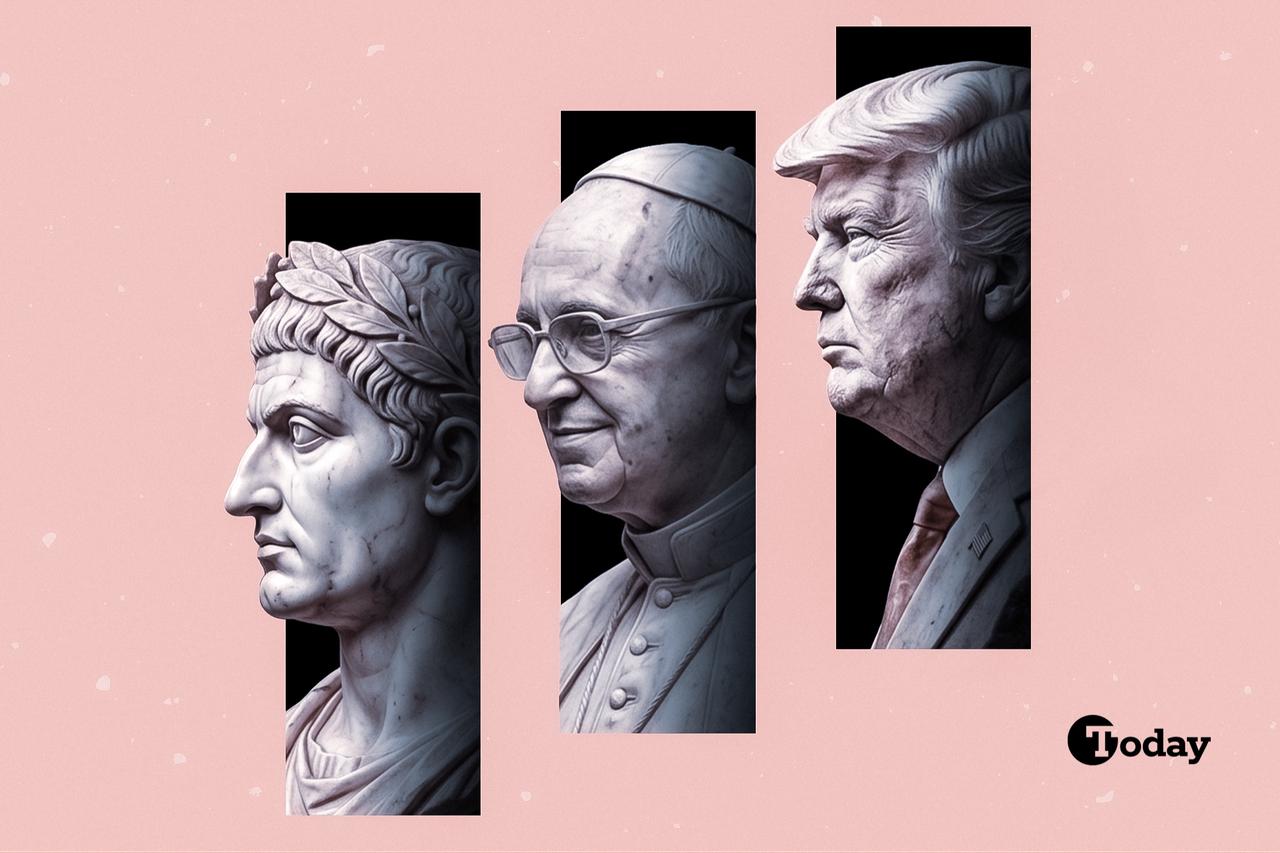


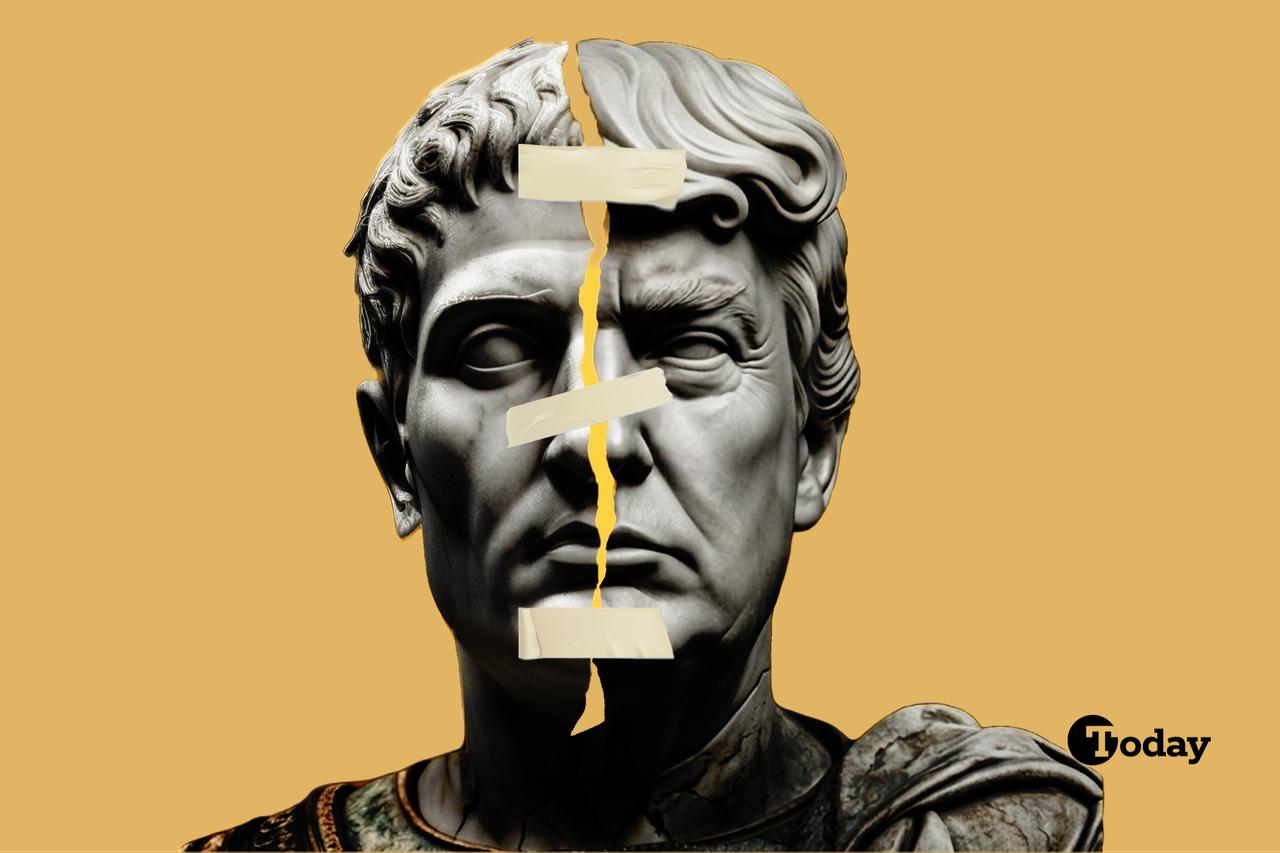
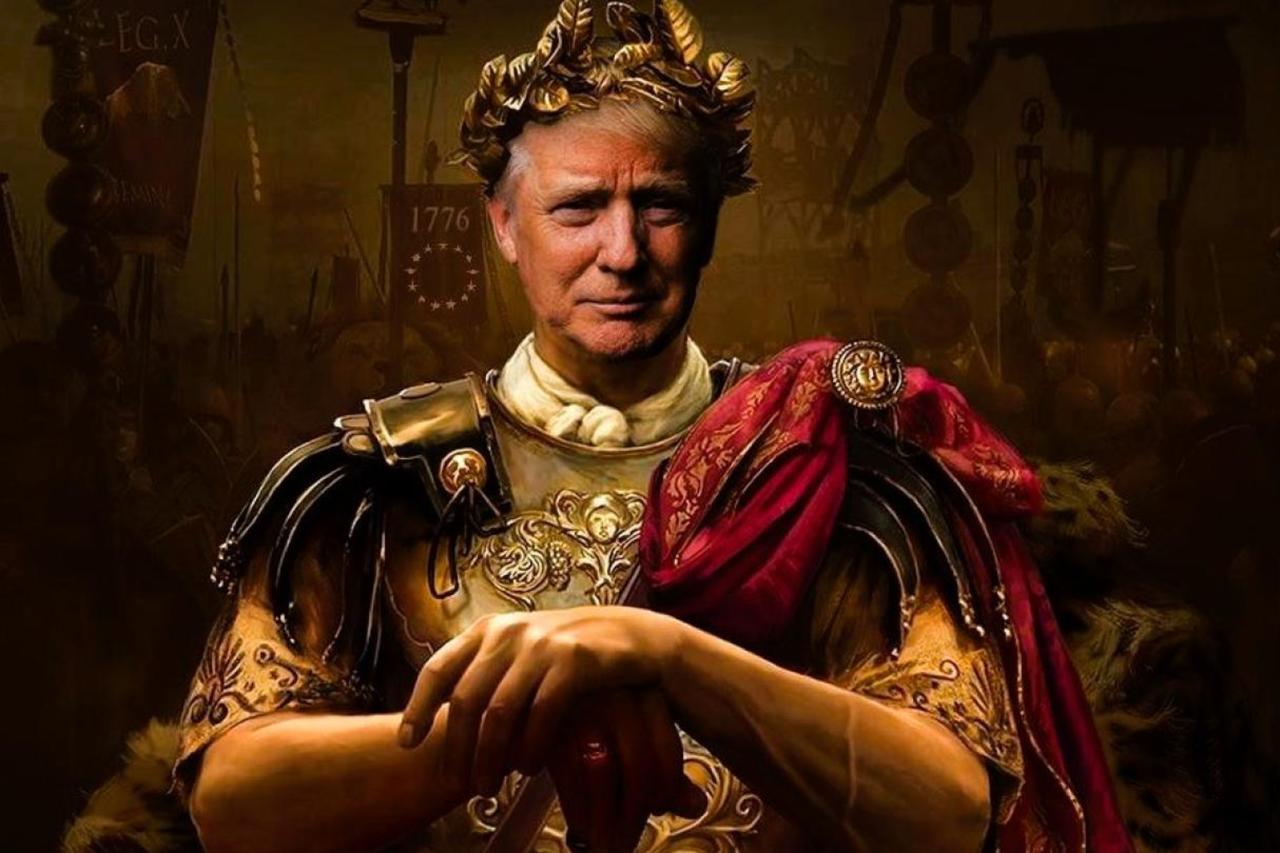
We have previously discussed how the comparison between U.S. President Donald Trump and Constantine the Great was framed not as a matter of personality but as part of a recurring political pattern in which power draws on religious language to shape authority, crisis, and legitimacy.
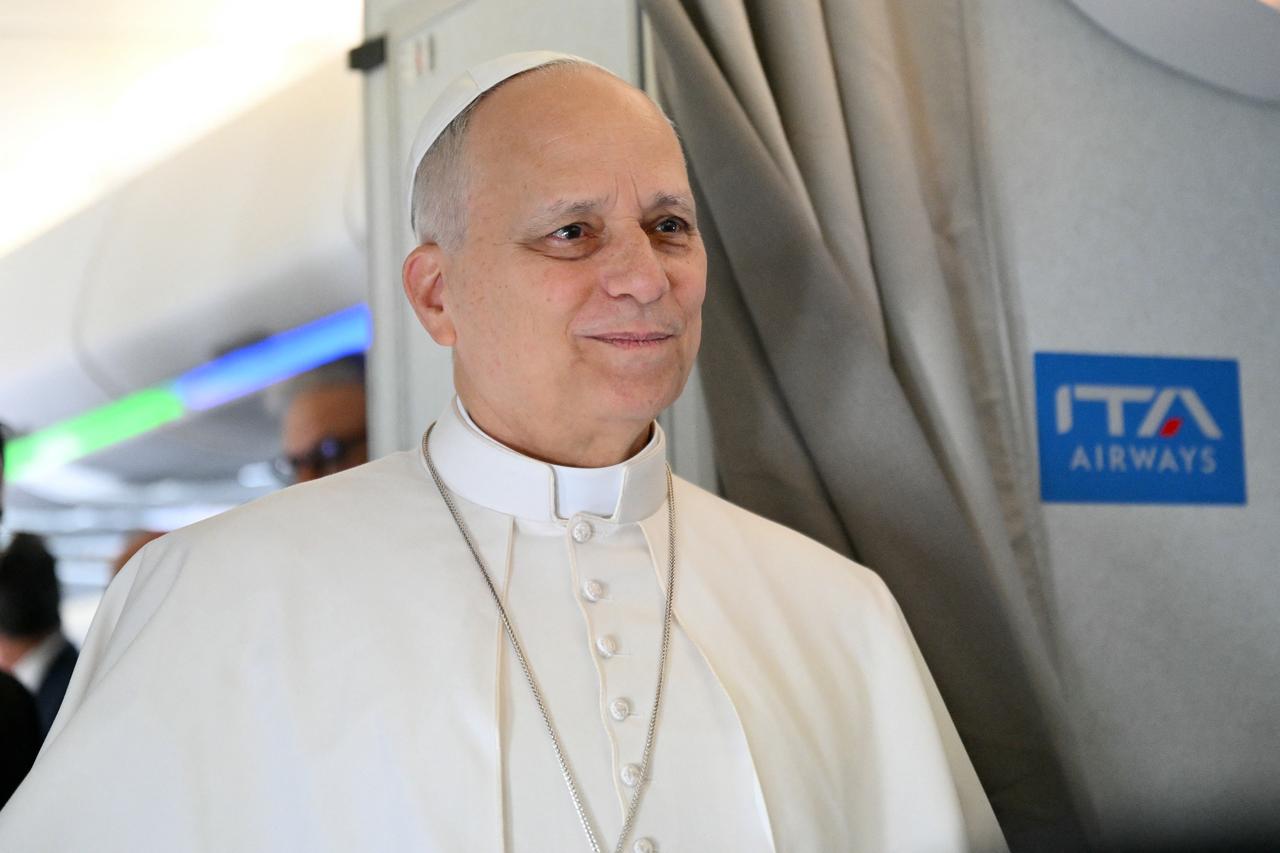
Recent developments now bring that pattern into sharper focus, as tensions between Trump and Pope Leo XIV unfold alongside war, and competing claims of moral authority.
A polarized political climate, a leader presenting his role in providential terms, and a widening conflict involving Iran have combined to bring religion closer to the center of political legitimacy.
What had been an analytical framework has moved into a visible sequence of events.
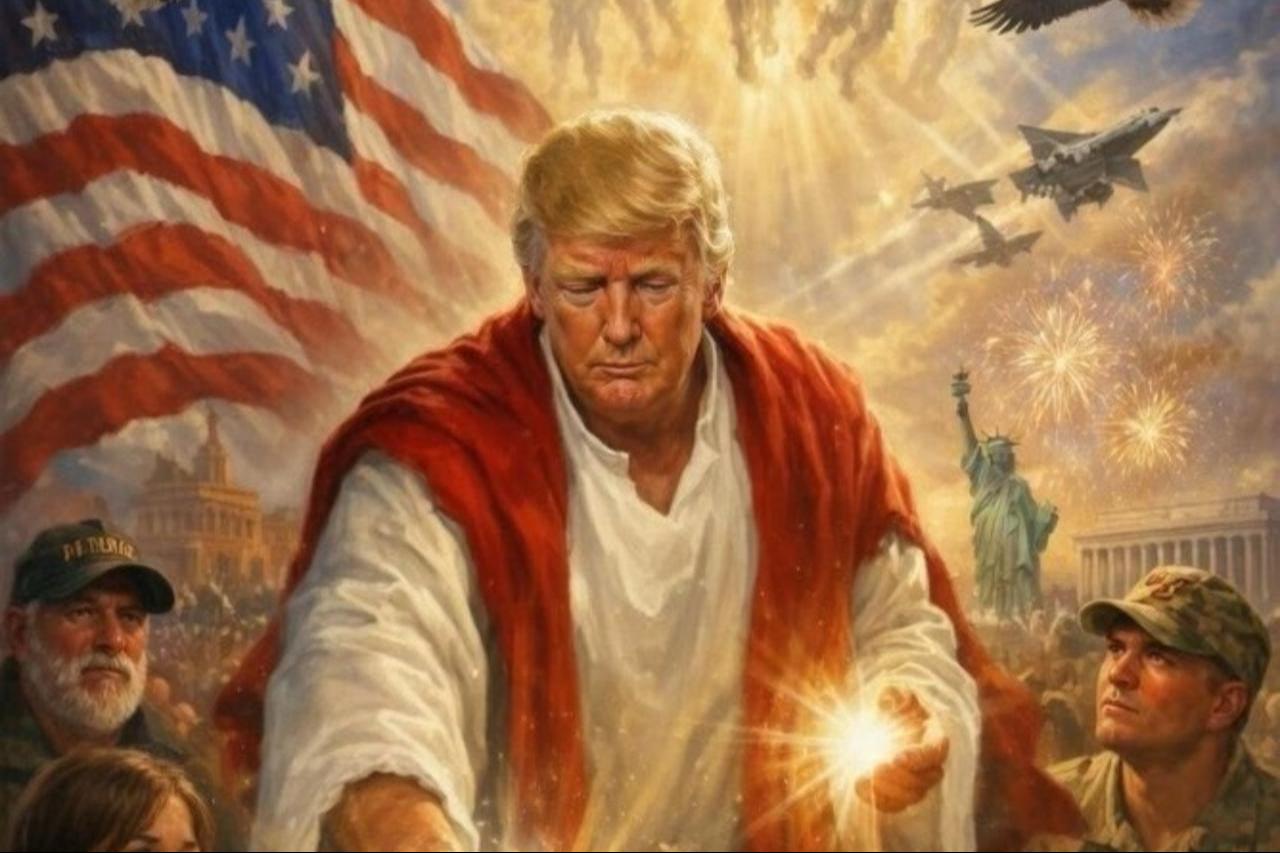

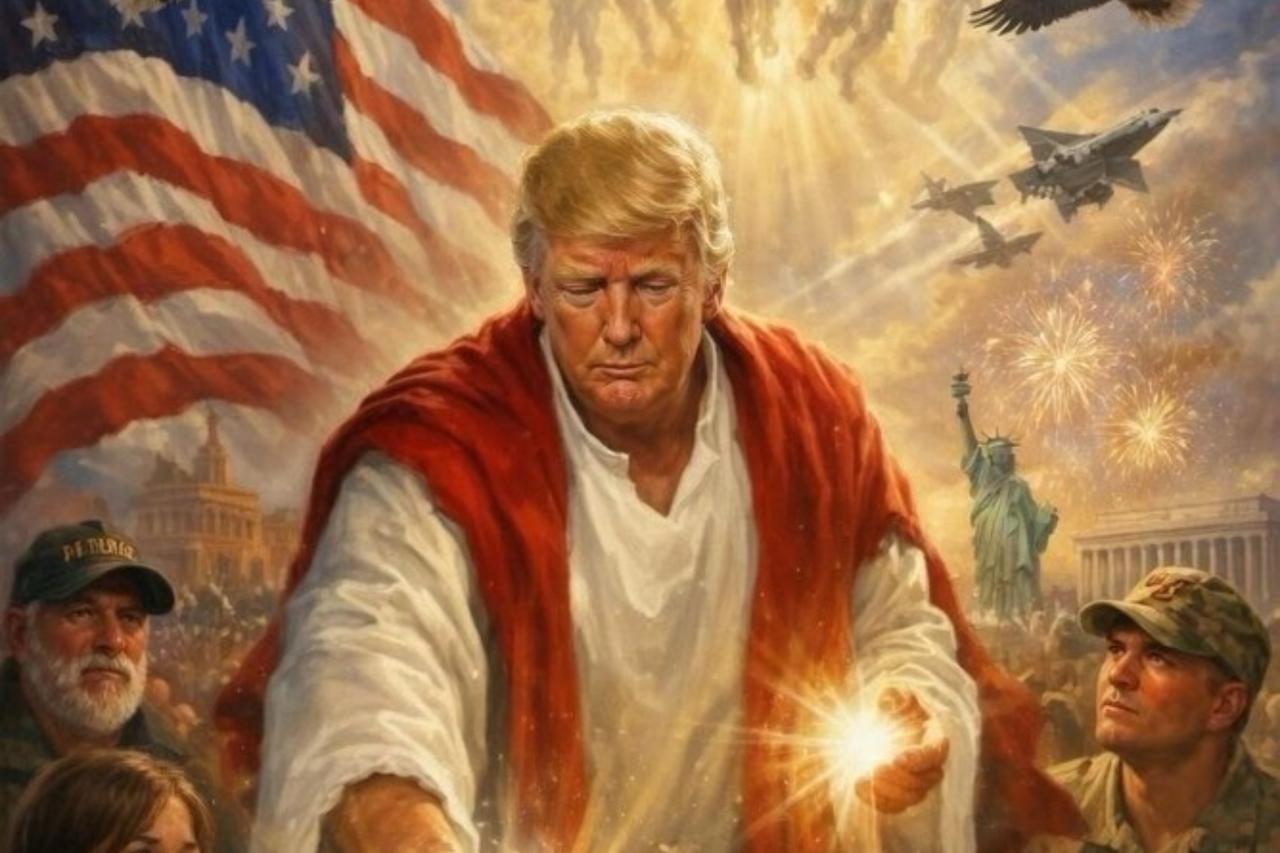
The shift became clearer when Trump shared an AI-generated image depicting himself as Jesus Christ, moving beyond verbal references into visual representation.
In the same moment, he escalated criticism of Pope Leo, describing him as weak on crime and ineffective in foreign policy, while questioning the circumstances of his election.
These actions brought together two layers of messaging. On one side, Trump framed leadership in terms that suggested purpose and survival, reinforced by earlier claims that his political return followed an attempt on his life. On the other, he directly challenged a religious figure who had been speaking out against war and calling for restraint.
The move from language to imagery gave that framing a sharper edge, placing political identity closer to sacred symbolism.
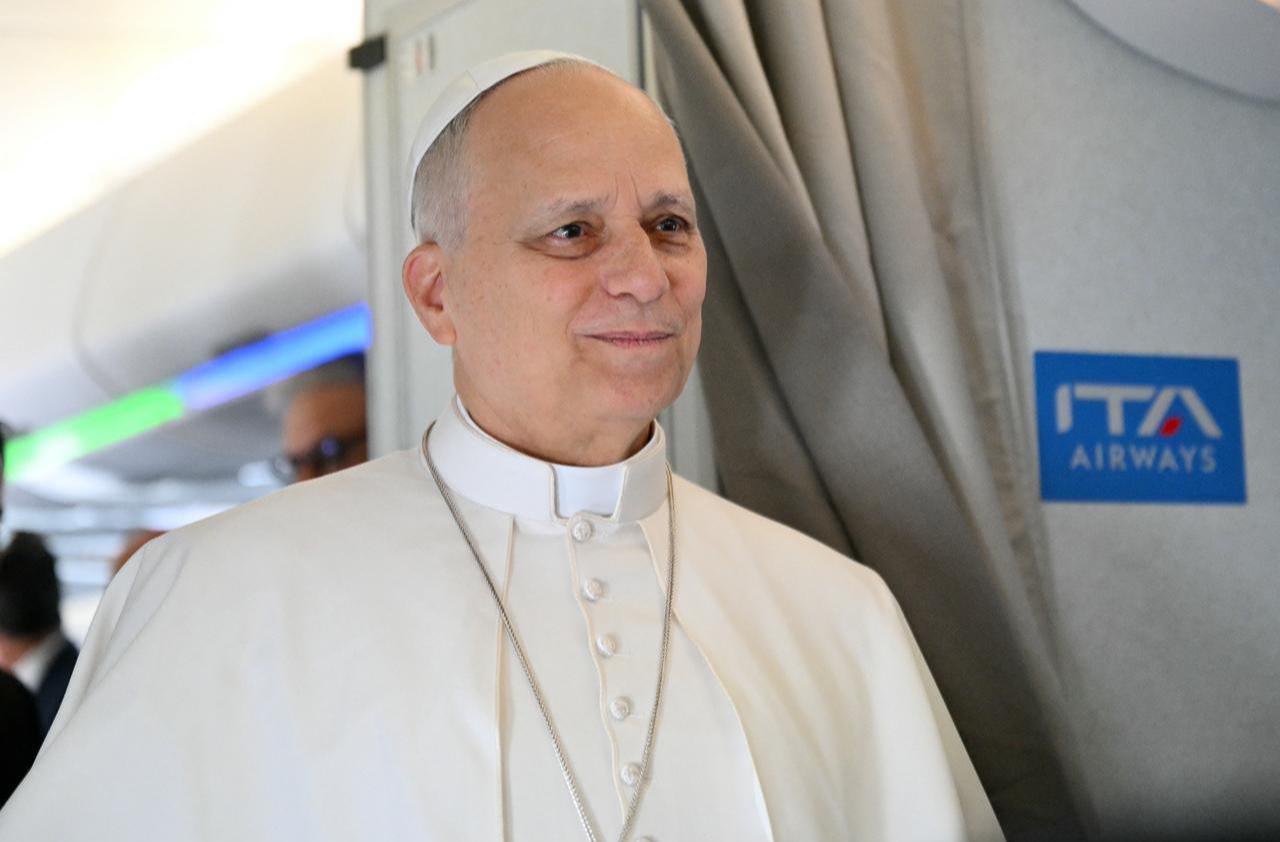
The dispute intensified after Pope Leo called for an end to global conflict, urging an end to what he described as the “idolatry of self and money” and the display of power.
His remarks came in response to the ongoing war involving the United States, Israel and Iran, which began on Feb. 28, 2026, and has caused thousands of deaths before a fragile ceasefire took hold.
Trump responded by tying his criticism of the pope directly to Iran, arguing that he did not want a religious leader who appeared to accept the possibility of a nuclear-armed Iran, while also portraying the pontiff as out of step with security concerns.
From the Vatican side, the response framed the conflict differently. A senior official described Trump’s remarks as targeting “a moral voice,” while emphasizing that the pope speaks in a language that does not align with the logic of force, security or national interest.
This exchange set up a clearer divide between two positions: one grounded in state power and security priorities, the other in religious messaging centered on peace, dialogue and reconciliation.
Pope Leo declined to enter into a direct debate, stating that his remarks were not intended as attacks and that his role is to promote peace and dialogue rather than engage in political argument.
He said he had no fear of the Trump administration and would continue speaking out against war, framing his position as part of the Church’s broader mission.
This refusal to debate on political terms further distinguished the two approaches. While Trump continued to frame the issue through security and geopolitical concerns, the pope positioned his statements within a religious framework that resists being drawn into direct confrontation.
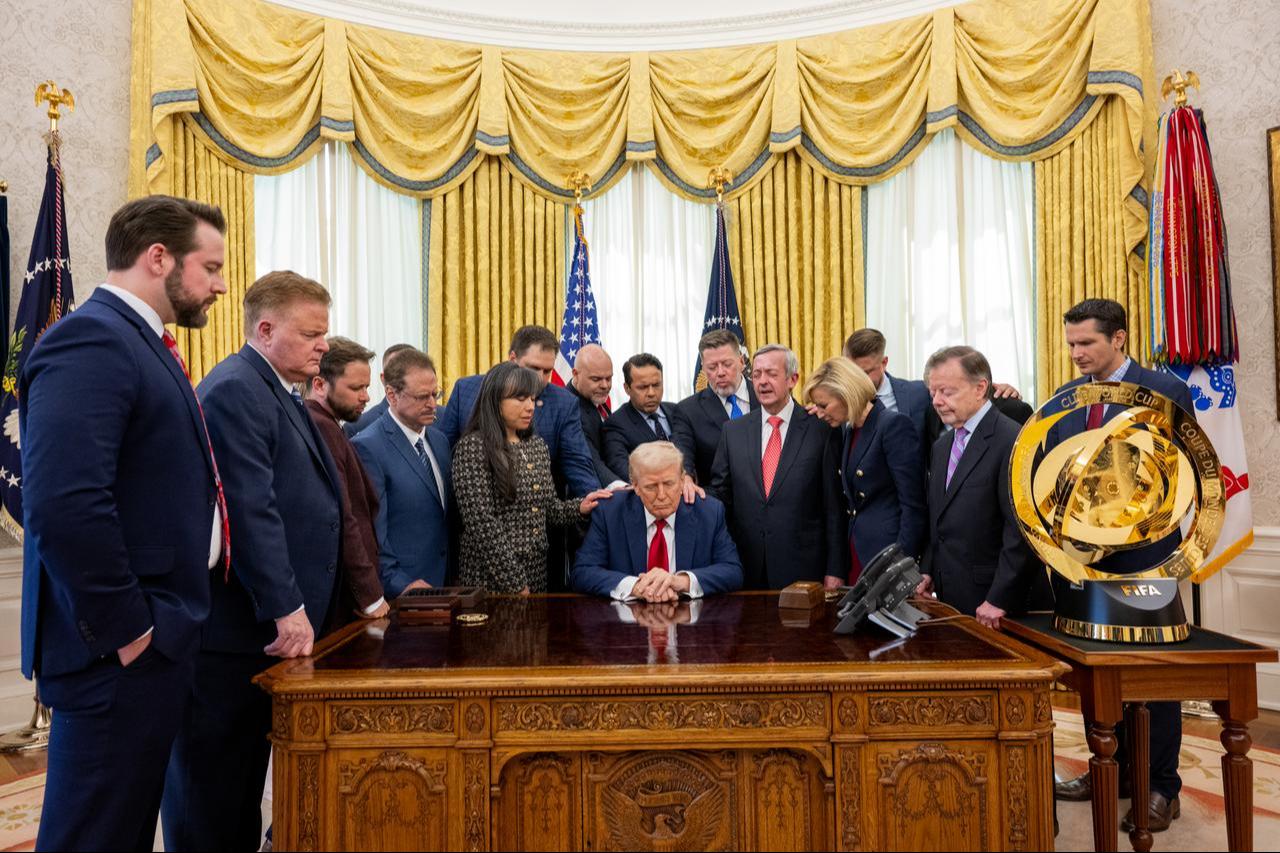
The wider conflict involving Iran has shaped the tone and urgency of the exchange. U.S.-Israeli strikes and Iranian responses across multiple countries created a setting in which both political and religious voices carry greater weight, especially as ceasefire efforts remain fragile.
Pope Leo welcomed the ceasefire as a sign of hope and called for renewed negotiations, while Trump issued strong warnings toward Iran and framed the situation in terms of an existential threat.
Seen together, these developments reflect the same sequence outlined earlier: a divided political environment, a leader presenting authority in elevated terms, the increasing use of religious language in political framing, and a conflict that reinforces those narratives.
Previously, this dynamic was described as a pattern that tends to emerge when political systems come under strain, bringing religion closer to the center of state legitimacy while leadership takes on a broader sense of purpose.
The current exchange does not repeat that argument but extends it, showing how the same structure can move from interpretation into observable reality as events unfold.


 Set as preferred source
 Set as preferred source


 2 min read
 1 min read


