Newsletters


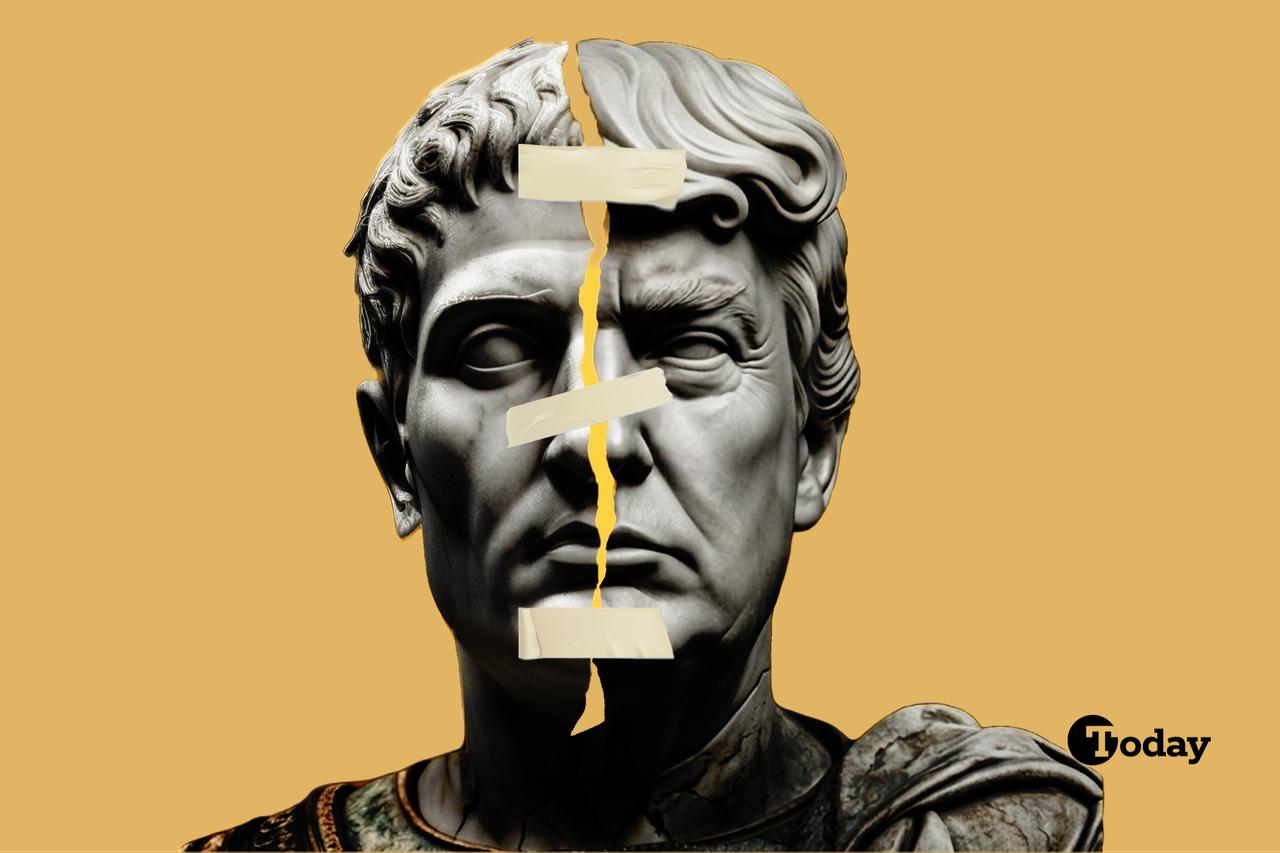


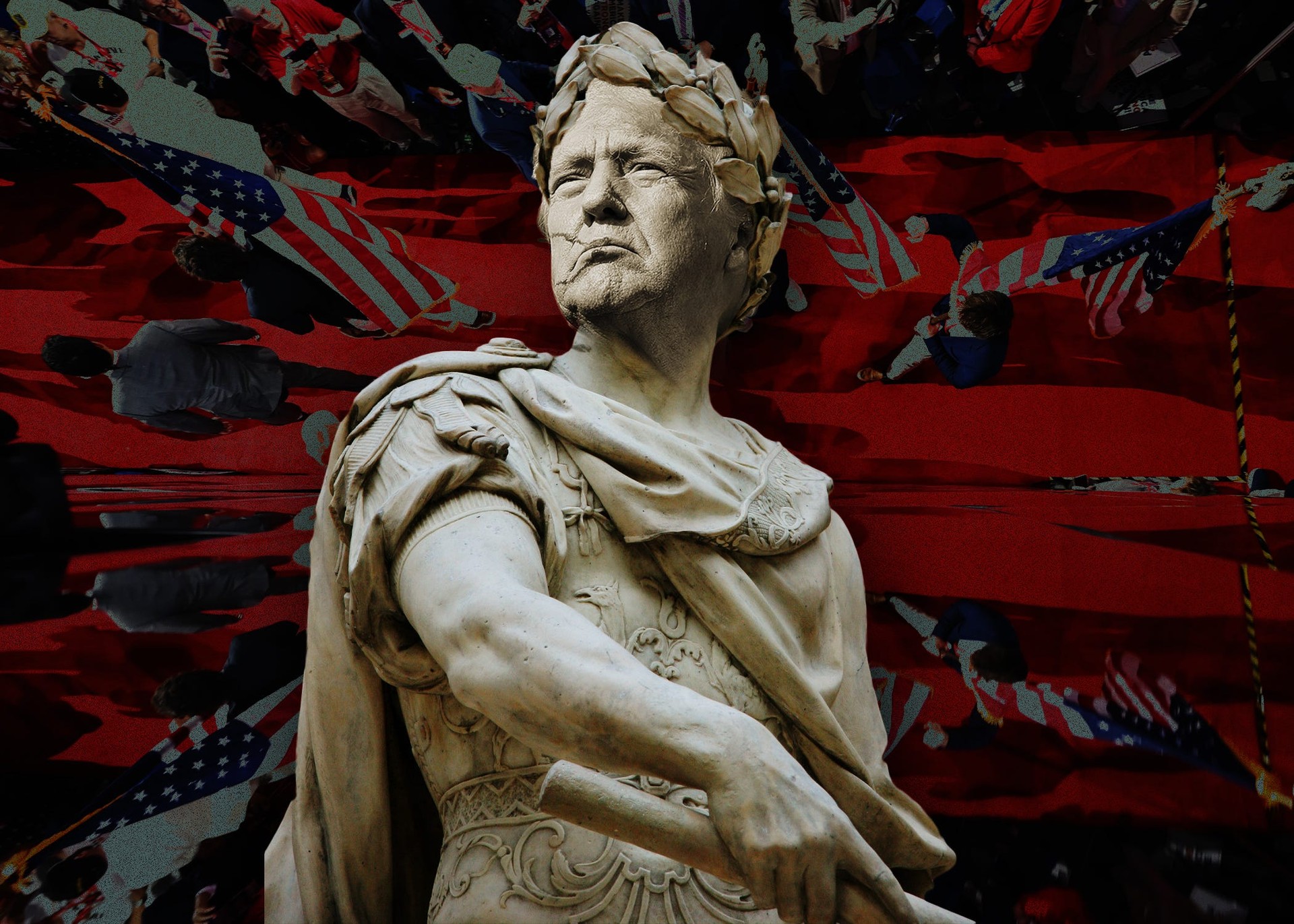
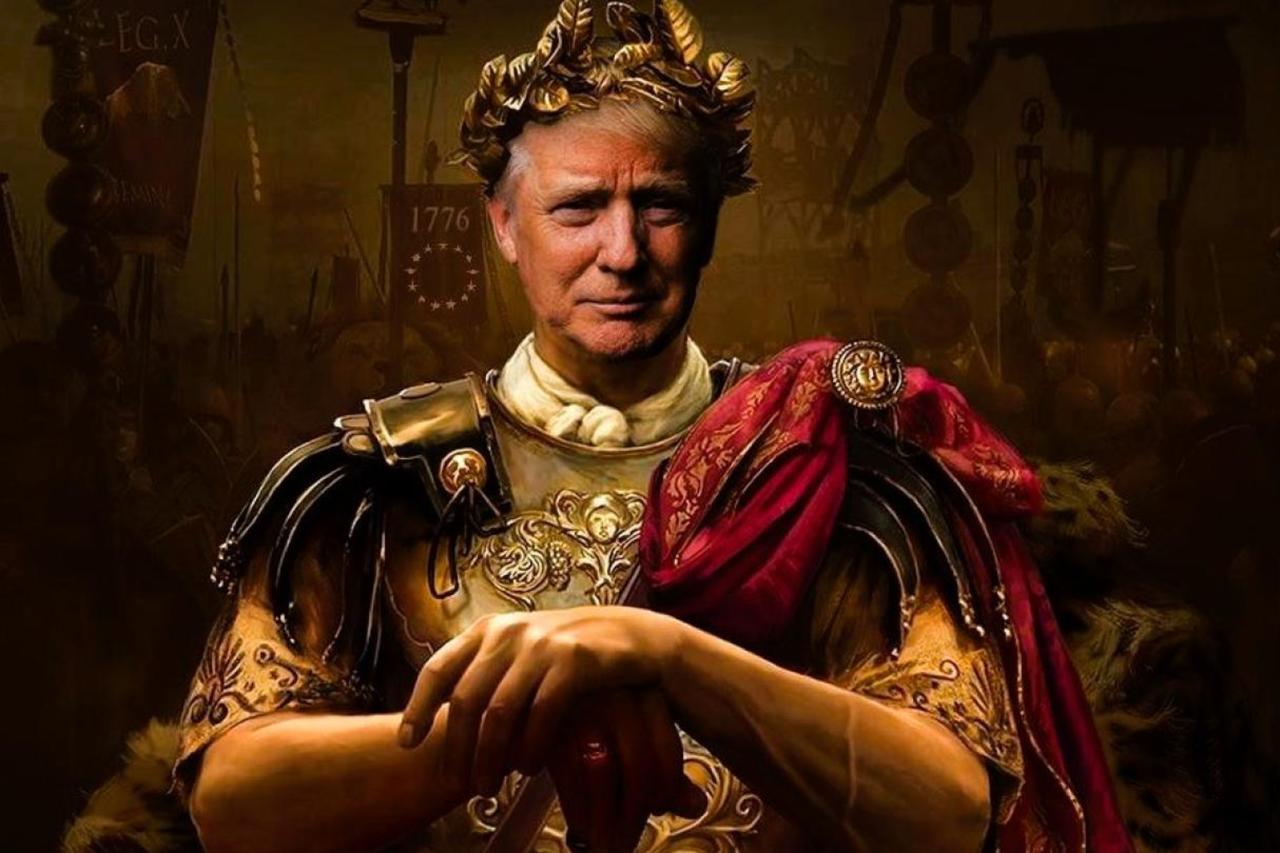
In the minds of history geeks, U.S. President Donald Trump’s renewed political rise has invited comparisons with Constantine the Great, the Roman emperor who brought Christianity into the center of imperial power.
But the parallel matters less as a claim of similarity in personality than as a way of looking at how rulers fold religion into authority, conflict and statecraft.
Both figures are cast as powerful rulers rising out of division, both link political authority to divine purpose, and both move to bring Christianity closer to the center of state power.
Trump’s second term has already included an executive order aimed at what the White House calls anti-Christian bias, alongside the creation of a White House Faith Office, while Constantine is remembered for backing Christianity after the Battle of the Milvian Bridge and for convening the Council of Nicaea in 325.
Constantine came out of a Roman world shaken by internal rivalry, disputed legitimacy, and prolonged instability.
He rose through the imperial system, defeated rivals, and after the Battle of the Milvian Bridge, began to link military victory with divine favor.
The account of his vision before battle, summed up in the phrase “in this sign, conquer,” turned his rise into more than a political triumph. It gave it a sacred frame.
That is where the comparison with Trump starts to bite. In the modern version, the language is different, but the structure is familiar.
A polarized political environment, accusations of corruption and decline, and a leader who presents survival itself as proof of purpose all feed into the same broader image: a ruler who does not simply win office but appears to arrive as history’s answer to crisis.
Trump was sworn in again in January 2025, and Franklin Graham said in his inaugural prayer that God had “raised up” the president after the attempt on his life, reinforcing the same kind of providential language that sits at the center of this comparison.
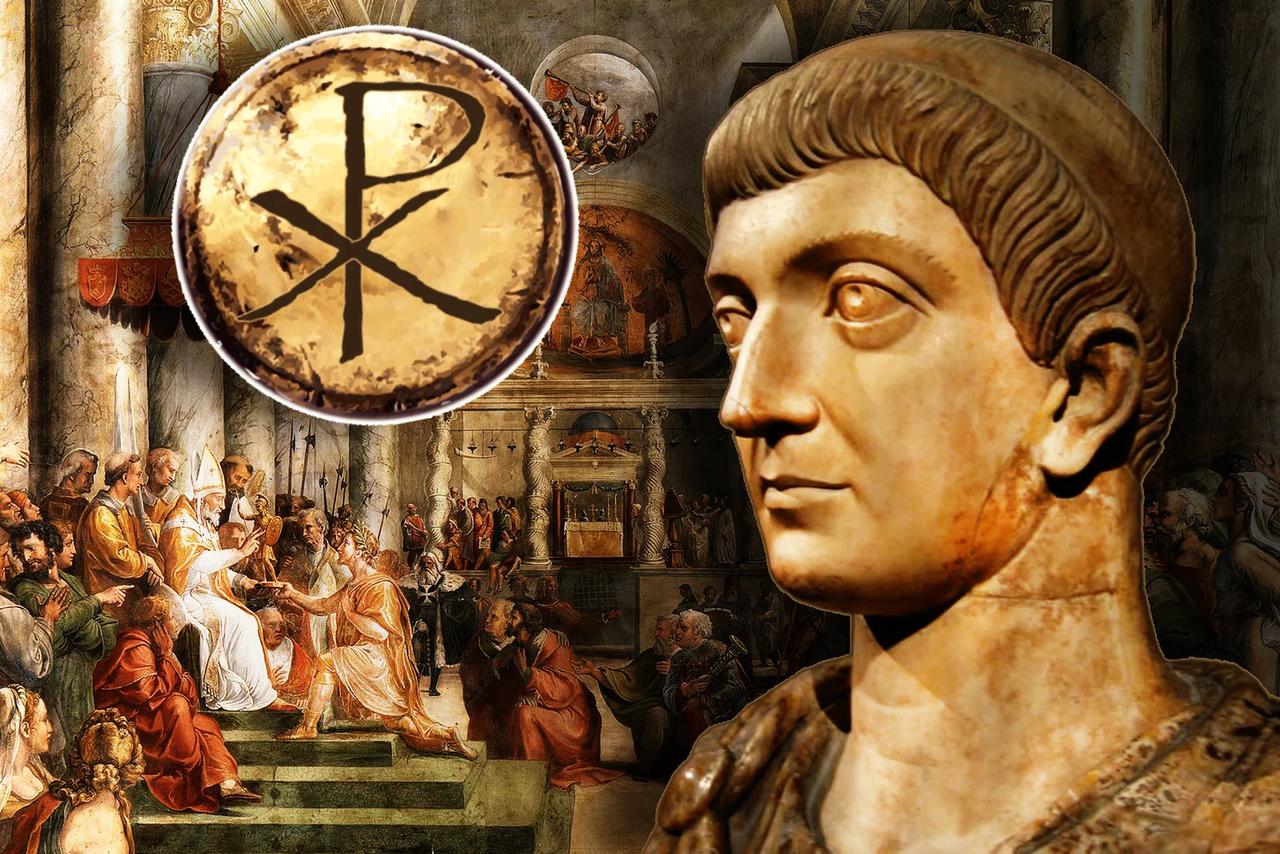

Constantine’s rule marked a decisive turn because he did not merely tolerate Christianity. He brought it closer to the imperial core.
Christians, once persecuted under emperors such as Diocletian, were given new freedoms and privileges. Churches received land, clergy were exempted from certain public duties, crucifixion was abolished, and Sunday was elevated into a weekly day of rest.
He also presided over the Council of Nicaea in 325, a defining gathering in early Christian history. These moves helped Christianity spread, but they also tied it more closely to imperial power.
That dual effect is central to the argument. Constantine could be seen as the ruler who opened things up for Christianity, yet he could also be seen as the man who changed its character by folding it into the logic of the state.
This is why the Constantine analogy does not rest on personal piety alone. It rests on style, on symbolism, and on the willingness to cast political action in sacred terms.
Trump’s world has likewise drawn energy from the claim that national renewal, religious identity, and executive power can be bound together.
The rhetoric around his return to office, especially the suggestion that divine intervention preserved him for a larger mission, gives that comparison added weight.
Yet the historical record also complicates any attempt to treat Constantine as a clean model.
He was described as unpredictable and vindictive, and he ordered the deaths of people within his own family. Even while he advanced Christianity institutionally, his conduct often sat uneasily beside the moral claims attached to that project.
That tension matters because it shows how easily a ruler can back a faith publicly while pulling it into the orbit of personal authority.
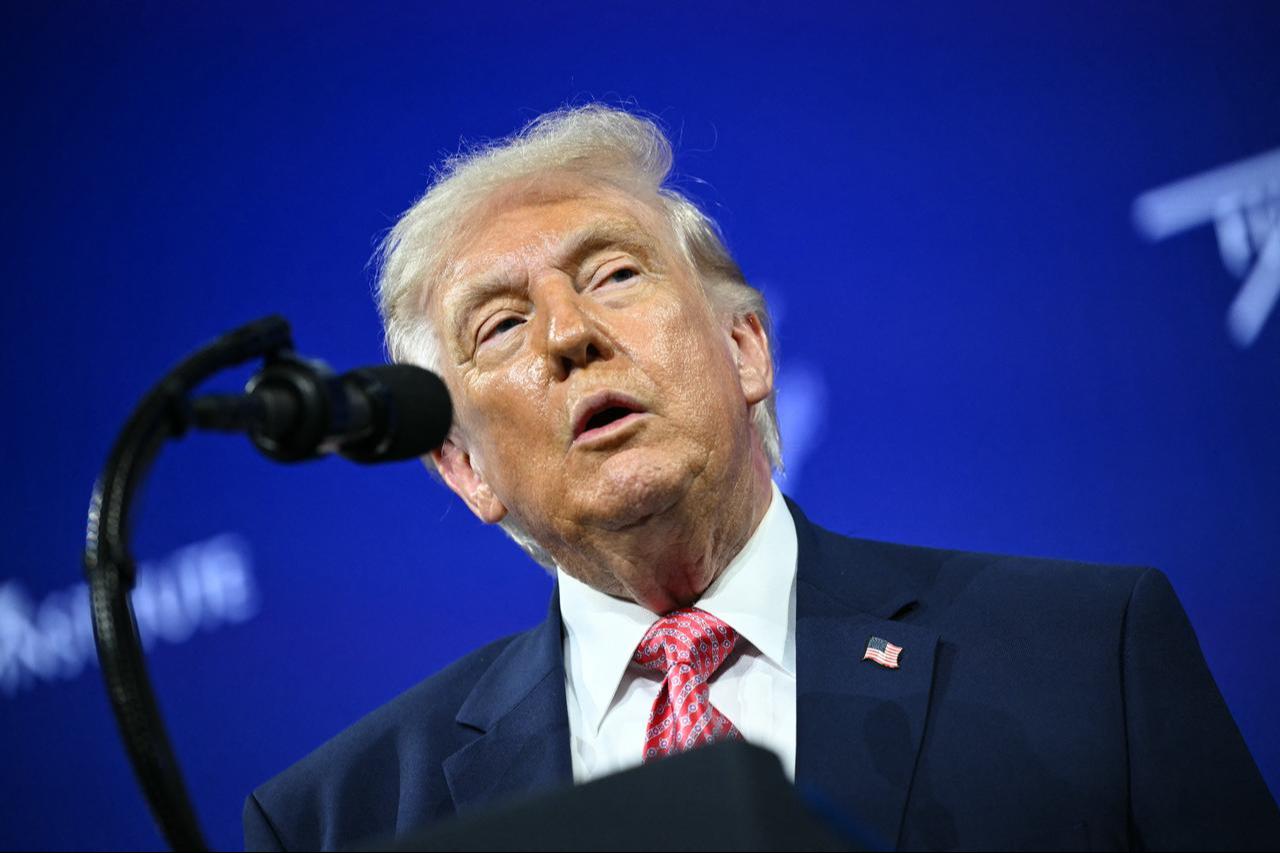
The comparison grows even more charged when set against war. In 2026, Donald Trump is presented here not only as a returning political leader but also as a leader acting alongside Israel in a regional war with Iran, one that began on Feb. 28, 2026, with large-scale airstrikes and quickly widened after Iranian ballistic missile attacks on U.S. bases in the region and on Israel. In that setting, the Constantine parallel shifts from symbolic to strategic.
Constantine’s own final years point in a similar direction, as he began preparing for a major campaign against the Sasanian Persian Empire after its ruler, Shapur II, moved into Armenia, a region of strategic and symbolic importance for both powers.
Although he never carried out the campaign due to his death in 337, the preparation itself reflected how closely imperial ambition, military planning, and religious framing had become intertwined under his rule.
The most serious point in this comparison is not whether Trump is literally a new Constantine. He is not.
The real issue is what happens to religion, public life, and political culture when state power starts to lean on sacred legitimacy. Constantine helped Christianity thrive institutionally, but many historians argue that he also reshaped it, drawing it away from its counter-cultural roots and closer to the priorities of the empire.
That is why this analogy lands so forcefully now. It suggests that political favor toward religion may come with a cost, especially when it asks believers to identify too closely with the ambitions of the ruler. In such moments, faith can stop standing over power and start standing beside it.
Seen this way, the Constantine comparison is useful not because it proves Trump is the heir to a Roman emperor but because it lays bare a recurring pattern.
A fractured political order throws up a forceful leader. That leader presents himself as chosen, restorative, and necessary.
Religion is brought in from the side and placed near the center of state legitimacy. War or external threat helps seal the narrative. And in the process, the boundary between spiritual mission and imperial ambition starts to blur.


 Set as preferred source
 Set as preferred source


 1 min read
 1 min read