Newsletters


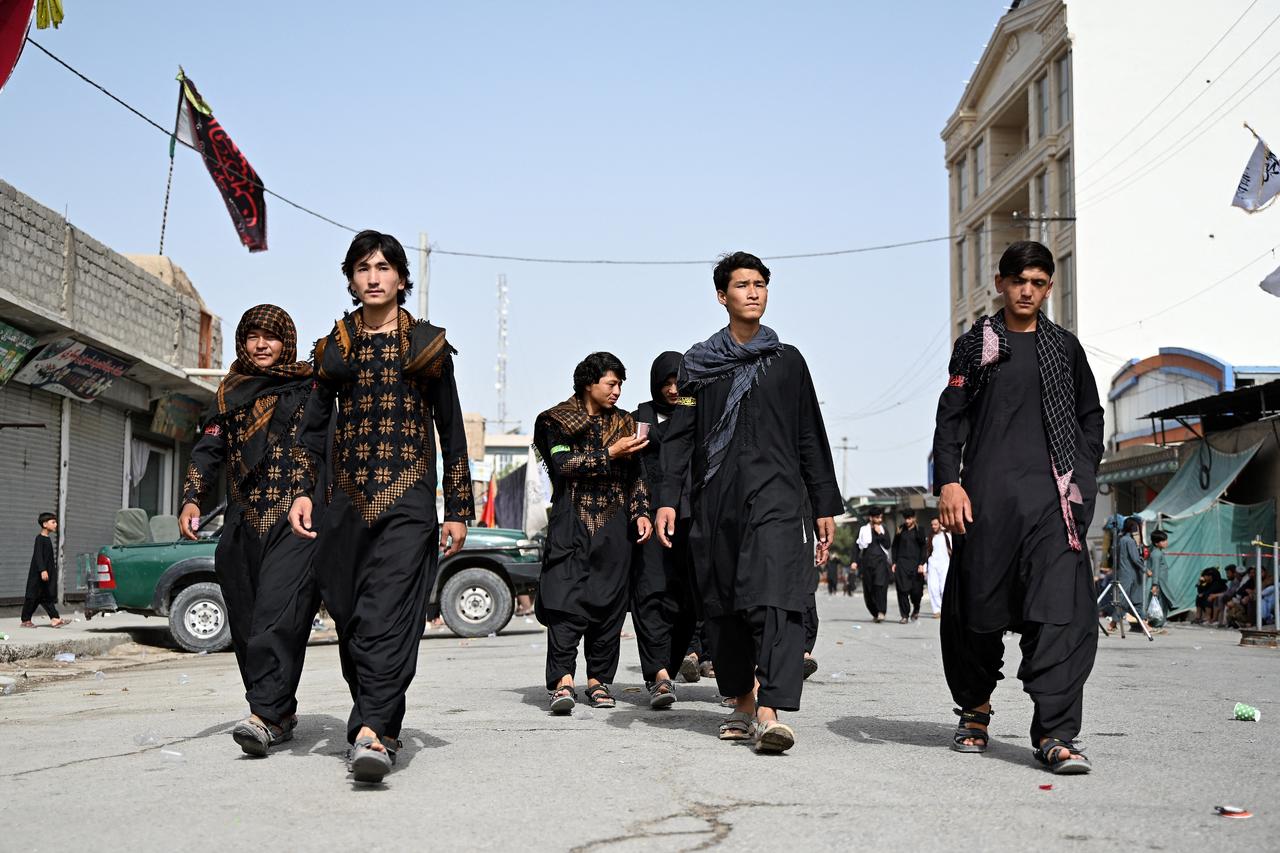


Nearly five years after returning to power, the Taliban have entered a new phase of their political evolution. The movement that spent two decades fighting to seize the Afghan state now faces the far more difficult task of governing it.
That challenge extends beyond economic collapse, diplomatic isolation and security concerns. It also involves managing a country whose ethnic and regional diversity has historically made centralized rule difficult.
Increasingly, the Taliban's greatest vulnerability appears to lie not outside the regime, but within their own governing model.
Recent developments point to a steady concentration of power around the movement's traditional leadership in Kandahar. The removal of Haji Jumma Khan Fateh from his post as deputy governor of Zabul is the latest in a series of dismissals, arrests and military restructurings involving influential non-Pashtun Taliban figures.
Considered individually, these decisions may appear administrative. Viewed collectively, they suggest a broader effort to consolidate political authority, security institutions, provincial administration and economic resources within a relatively narrow leadership circle.
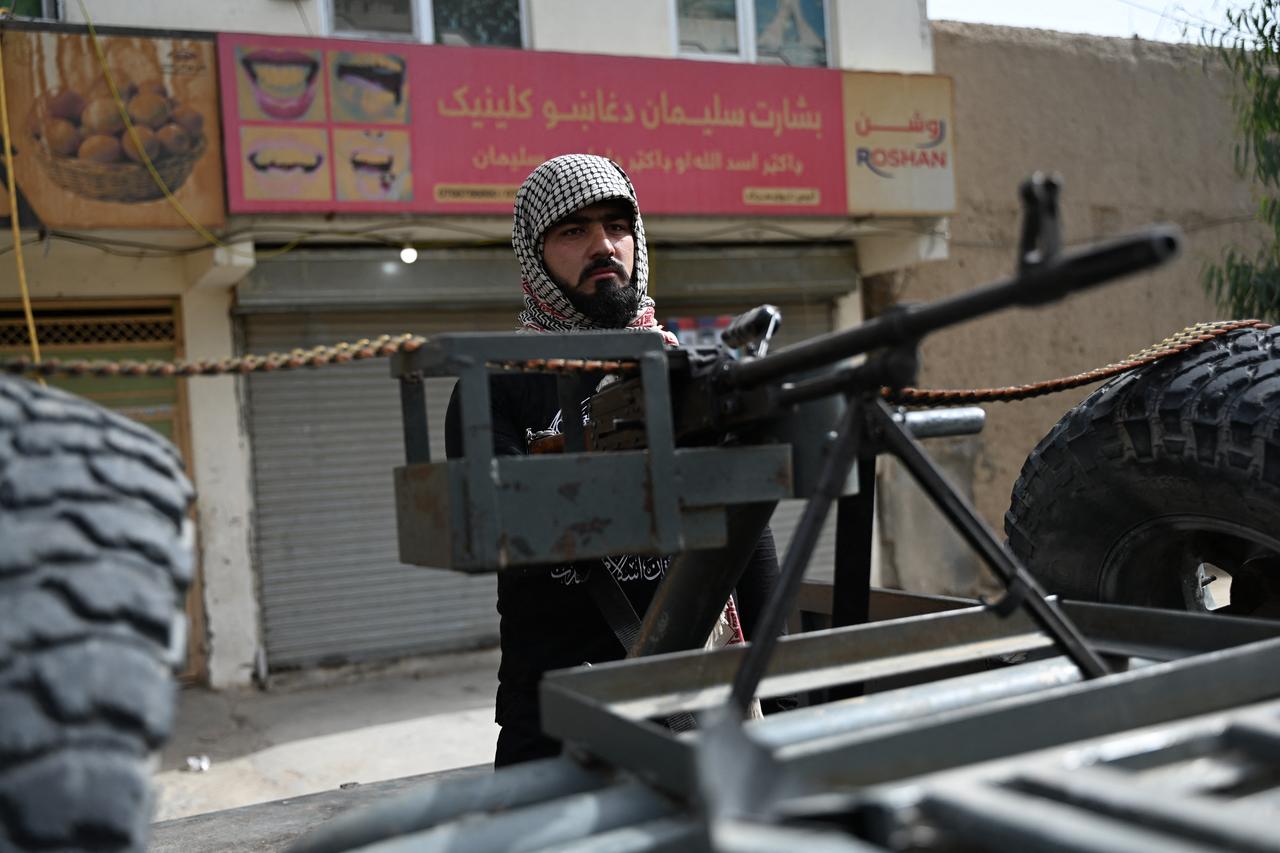

Kandahar has always been the ideological and political heart of the Taliban. Founded there by Mullah Mohammad Omar in the mid-1990s, the movement grew from a local religious uprising into a nationwide insurgency.
During two decades of conflict, however, the Taliban expanded far beyond their southern origins. Tajik, Uzbek and, to a lesser extent, Hazara commanders became important components of their military campaign, helping extend Taliban influence into northern and central Afghanistan.
The transition from insurgency to government has reshaped those relationships. Decision-making has become increasingly centralized under Supreme Leader Hibatullah Akhundzada and senior leaders based in Kandahar. Provincial appointments, military restructuring and administrative reforms increasingly reflect this concentration of authority.
The composition of the Taliban's governing institutions illustrates the extent of that imbalance. Available data indicate that nearly 90% of 1,185 senior leadership positions are held by Pashtuns, although Pashtuns make up an estimated 40-45% of Afghanistan's population.
Tajiks account for approximately 5.3% of senior positions, Uzbeks 2.5% and Hazaras just 0.6%. The 49-member cabinet presents a similar picture, with only two Tajiks, two Uzbeks, two Baloch and one Nuristani represented. Hazara participation is virtually absent, while women remain entirely excluded from national governance.
Taliban officials reject accusations that appointments are determined by ethnicity, arguing instead that loyalty, competence and commitment to the movement guide promotion and leadership decisions.
They also describe recent institutional changes as part of the transition from an insurgent movement to a functioning state. Nevertheless, the cumulative pattern of appointments and dismissals has intensified debate over whether political centralization is coming at the expense of broader representation.
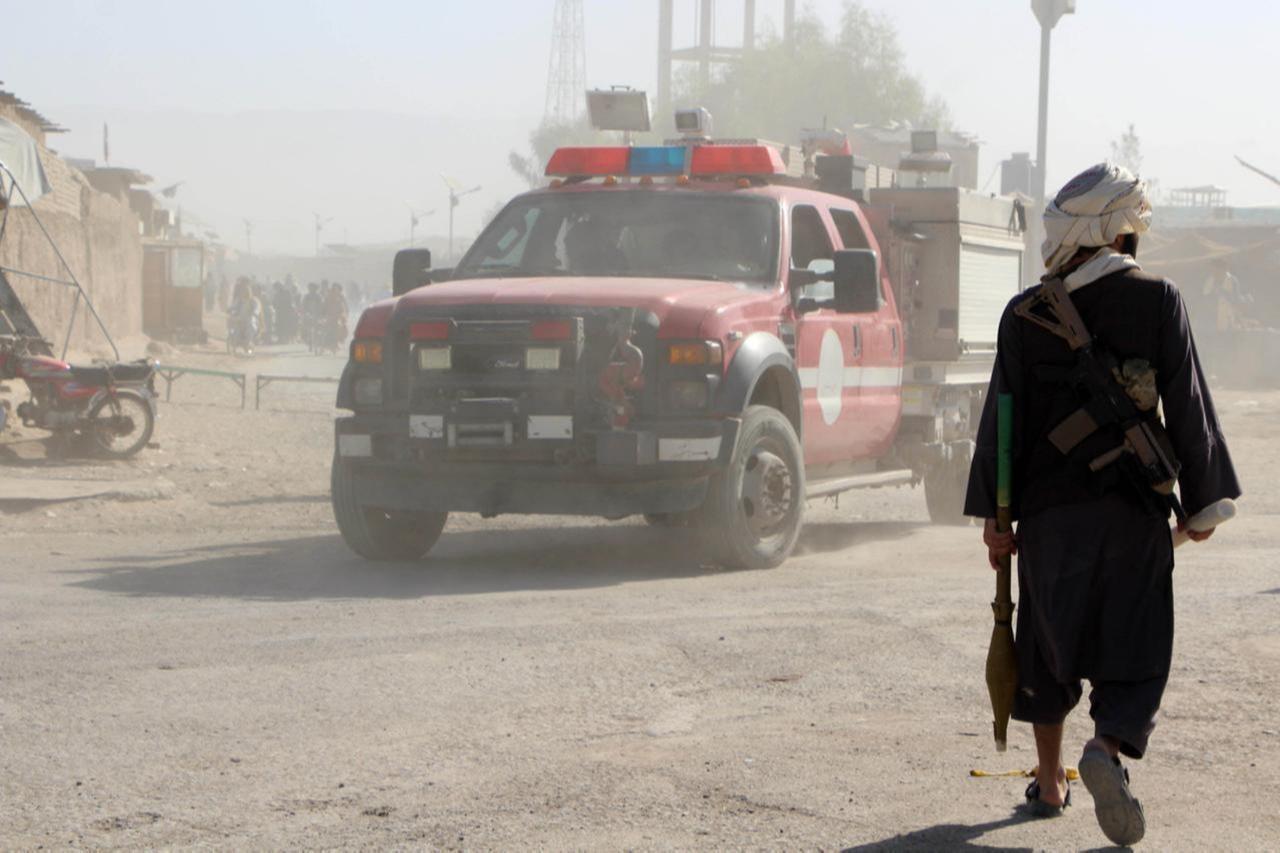
The removal of Haji Jumma Khan Fateh has attracted particular attention because it occurred after he publicly claimed influence over 10,000 fighters and amid reported tensions surrounding Badakhshan's gold mines.
Whether those developments were directly connected or not, the episode reinforced the perception that the leadership is increasingly unwilling to tolerate influential regional commanders capable of developing independent political authority.
His case fits a wider pattern. Uzbek commander Qari Salahuddin Ayubi was removed from his security position in Zabul, while Uzbek commander Makhdoom Alam Rabbani was arrested, triggering protests among supporters in Faryab.
Tajik commander Qari Wakil was detained after attempting to mediate local disputes, reportedly creating tensions among Taliban commanders in Badghis. Abdul Hamid Khorasani was removed from Panjshir, reassigned and later left the movement after publicly alleging ethnic discrimination.
Other prominent Tajik figures have met similar fates. Ghulam Hussain, also known as Hussain Jundi, was arrested alongside six associates, while more than 350 fighters linked to his network were reportedly disarmed.
Ajmal Kohi was also arrested during continuing security operations. Abdul Hamid Mujahid, another prominent Tajik Taliban figure, was reportedly killed after criticizing what he viewed as increasingly exclusionary governance.
The experience of Mawlawi Mahdi Mujahid remains especially significant. As the Taliban's only prominent Hazara commander, he was initially presented as evidence that the movement could accommodate Afghanistan's ethnic diversity.
After accusing the leadership of breaking agreements, discriminating against Hazaras and monopolizing power, he broke with the Taliban, launched an armed rebellion and was later killed. His death effectively ended meaningful Hazara representation within the Taliban's senior military leadership.
These developments reveal a broader pattern. The removal of influential commanders has frequently been followed by the dismissal, disarmament or reassignment of officers and fighters associated with them.
Rather than targeting individuals alone, the process has weakened entire regional command networks that once formed an important part of the Taliban's wartime structure.
The military has undergone similar restructuring. Although Army Chief Qari Fasihuddin Fitrat, an ethnic Tajik, remains one of the Taliban's highest-ranking military officials, reports indicate that hundreds of officers associated with him have been removed from positions within the Ministry of Defense.
More than 4,000 military personnel have reportedly been dismissed from official structures, with the largest reductions occurring in Badakhshan, Kapisa, Parwan and Takhar. More than 1,000 of those dismissals reportedly came from Badakhshan alone, many involving personnel linked to Fitrat's command.
Former Deputy Intelligence Chief Salahuddin Salar offered one of the strongest internal criticisms of these developments before his dismissal. He publicly accused the leadership of concentrating political power and Afghanistan's natural resources within a narrow tribal elite while pursuing discriminatory policies that, in his view, were widening the gap between the Taliban and Afghan society.
Control over natural resources has become an increasingly important part of this story. Afghanistan's mineral reserves, frequently valued at between one and three trillion dollars, represent one of the country's few long-term economic assets.
Badakhshan's gold deposits have become particularly significant as sanctions, frozen state assets and limited international recognition continue to constrain the Afghan economy. Competition over mining revenues is therefore also a struggle over political influence and control of the state's future income.
Taken together, developments across Badakhshan, Takhar, Panjshir, Balkh, Faryab and Zabul suggest more than isolated personnel decisions. They indicate an increasingly centralized governing model in which authority is concentrated around Kandahar while regional and ethnic diversity within the movement steadily declines.
Supporters argue that stronger central control is necessary to preserve unity and discipline. Critics counter that narrowing the political base of the regime risks undermining the coalition that enabled the Taliban to return to power.
The Taliban remain firmly in control of Afghanistan's principal political and security institutions, and there is little evidence of an organized internal faction capable of mounting a direct challenge.
Yet centralized authority should not be confused with lasting cohesion. Afghanistan's history repeatedly demonstrates that durable stability depends not only on control, but also on political accommodation across its diverse regions and communities.
These developments matter beyond Afghanistan's borders. Internal cohesion within the Taliban will influence regional security, cross-border cooperation, investment in Afghanistan's mineral sector and the broader stability of Central and South Asia.
A governing system that struggles to balance central authority with meaningful regional inclusion may ultimately generate the very tensions it seeks to contain.
The Taliban returned to power through alliances that reached far beyond Kandahar. Whether they can preserve those alliances while concentrating political authority, military influence and economic resources within an increasingly narrow leadership structure may become the defining question of their rule—and one that will shape Afghanistan's future for years to come.


 Set as preferred source
 Set as preferred source


 1 min read

 1 min read