Newsletters




The U.S. is arguably the foremost country that can negotiate a deal between Pakistan and the Taliban despite their tragic withdrawal in 2021.
Washington still prefers the sidelines in the conflict, but their warming relations with Pakistan could bring it back to the driver's seat.
Since the British drew the Durand Line and divided the Pashtuns between India and Afghanistan in 1893, the region has remained unstable. The emergence of the Taliban once again in Kabul ignited the latest round of trouble.
Pakistan accuses Kabul of harboring the Tehreek-i-Taliban Pakistan (TTP), or the Pakistani Taliban, which carries out attacks in the Pashtun-majority Northwestern Pakistan. In recent years, TTP violence has spread across the country.
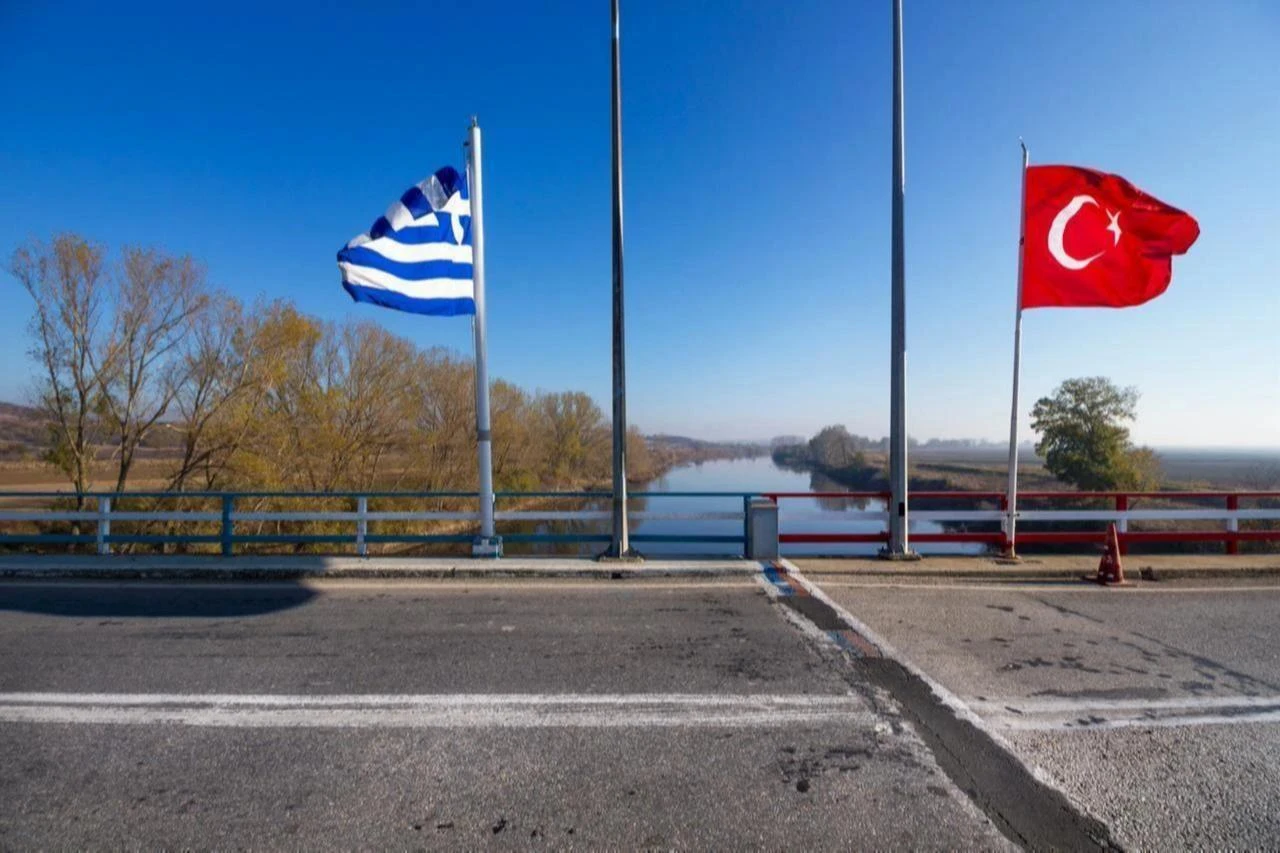
In October 2025, Pakistan carried out airstrikes against the TTP in Afghanistan, including Kabul. A ceasefire was negotiated between the two sides by Türkiye and Qatar.
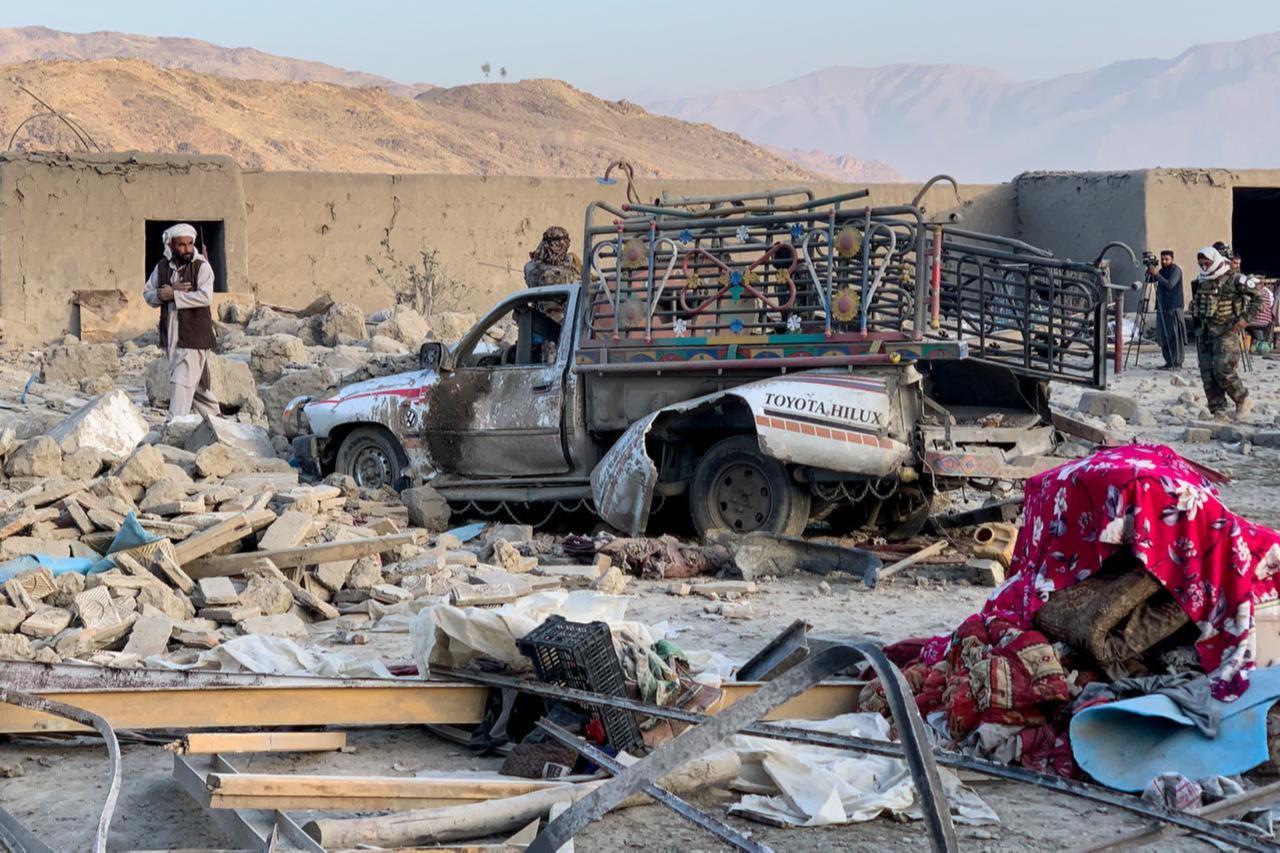
On Feb. 6, more than 30 people were killed when a suicide bomber killed 32 in a Shia mosque in Islamabad. Pakistan resumed airstrikes last week, and skirmishes along the border followed on the 26th.
The ongoing conflict is not a conventional war and does not have such a potential.
Afghanistan does not have a conventional army. Its military prowess cannot in any way compare to the Pakistani army, which is among the world's most powerful.
However, Pakistan is also well aware of the Taliban's capabilities in terms of guerrilla warfare. Putting boots on the Taliban’s own turf would wear down the Pakistanis immensely. To sum up, a military solution is not possible.
Diplomacy is the only viable solution at hand, and only China and the United States have enough leverage to push a deal. China has tried to broker a deal previously to no avail. The Taliban remain distant from Beijing.
After all, Pakistan is a strategic partner for China, opening a backdoor to the Indian Ocean without the Malacca chokepoint. Also, for Pakistan, China is vital to counter India.
That leaves the United States as a potential peacemaker in the region. The United States has warming relations with Pakistan under the Trump Administration. Although Pakistan has been a designated major non-NATO ally since 2004, the relations stagnated under the Biden administration.
President Trump, on the other hand, has expressed interest in Pakistan’s critical minerals. Pakistan has an estimated $8 trillion worth of reserves in copper, lithium, cobalt, gold, antimony, and other resources.
Last year, Pakistan proposed a $1.2 billion project for the U.S. to build a new port in Pasni to deliver these minerals. Pakistan is also an important partner in counterterrorism for the U.S.
However, materializing these projects depends on Pakistan’s stability. Above all, Pakistan’s stability as a nuclear power is at the core of international security. The Afghan conflict remains the top threat to a stable Pakistan.
Concerning nuclear security, improving relations with Pakistan could give the U.S. a stronger mediating role to prevent probable future escalations between India and Pakistan.
Another factor contributing to the U.S.-Pakistan rapprochement is the recent cooling of relations between Washington and New Delhi since the Trump administration took over. Pakistan cannot afford to be at odds with the U.S. and risk pushing Washington towards India.
Islamabad also believes that India uses Afghanistan to encircle the Pakistani army. Pakistan needs closer relations with the U.S. for military and economic support. American influence in the IMF is critical for the Pakistani economy.
On the other hand, a Pakistan less dependent on China is in America’s interest.
On the other side of the conflict, the United States and the Taliban would mutually benefit from normalizing relations. Currently, Russia is the only country recognizing the “Islamic Emirate of Afghanistan” in the world.
The Taliban can strike a deal with the U.S. to break through its international isolation. Kabul is also facing economic difficulties, and the U.S. involvement can lead to international investment and loans.
Washington, in return, can demand taking back the Bagram Airbase and more cooperation in counterterrorism.
President Trump last year announced using the base again against China as a U.S. objective.
Washington is also accusing the Taliban of violating its counterterrorism obligations and harboring terrorism-affiliated groups, including Al-Qaeda and Islamic State-Khorasan Province (ISKP). The Taliban had undertaken these obligations in the Doha Agreements, which ended U.S. presence in Afghanistan.
However, despite these rationales, there are difficulties for the U.S. as well. Working together with the Taliban is hard to sell to the public, as freedoms, and especially women’s rights, have been completely crushed by the Taliban.
The trauma of the chaotic retreat from Kabul is also possibly cautioning U.S. policymakers against involvement.
However, the U.S. will eventually return to the region. Conducting deal-making between Pakistan and Afghanistan remains a suitable opportunity just to do that. Whether the U.S. will take that step now will be up to the Trump administration.


 Set as preferred source
 Set as preferred source



 4 min read