Newsletters


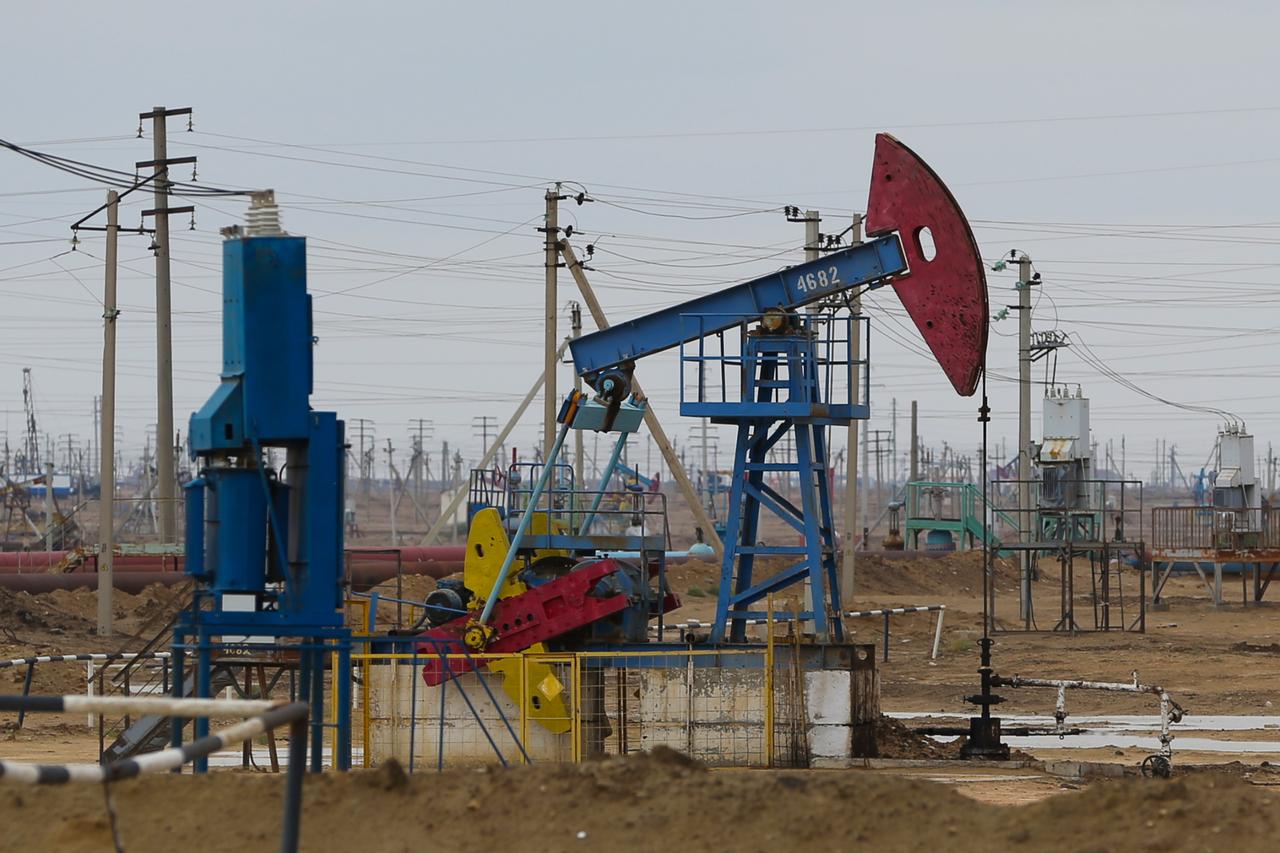


The European Union, while attempting to rebuild its energy security structure following Russia's invasion of Ukraine, has encountered an impasse that appears technical but is fundamentally geopolitical. This dilemma transcends the quantity and country-based distribution of energy imports; the decisive factors are the geography through which energy sources pass, the security conditions they face, and the political fragilities they encounter.
The recent increase in attacks in the Black Sea and disruptions around the Caspian Pipeline Consortium (CPC) have brought back into focus the question of how sustainable Europe's approach to positioning Kazakhstan as a “secure alternative supplier” really is.
Kazakhstan has long been seen as a key partner for Europe in diversifying its energy supply. However, this partnership is largely dependent on transit routes controlled by Russia or under Russia's security influence. This situation demonstrates that the EU's strategy of moving away from Russian energy sources has not, in practice, enabled it to fully escape Russia's geopolitical sphere of influence.
Drone attacks targeting tankers in the Black Sea and recurring security threats to the CPC terminal have transformed this structural contradiction from an abstract risk into a concrete market reality.
In this context, the issue must be addressed within a broader structural framework that cannot be explained by Kazakhstan's export capacity or short-term supply constraints at European refineries. The real problem is that even actors not involved in the war are becoming subject to the security dynamics shaping the war's geography. Europe's energy security is increasingly defined by “uncontrollable risks”.
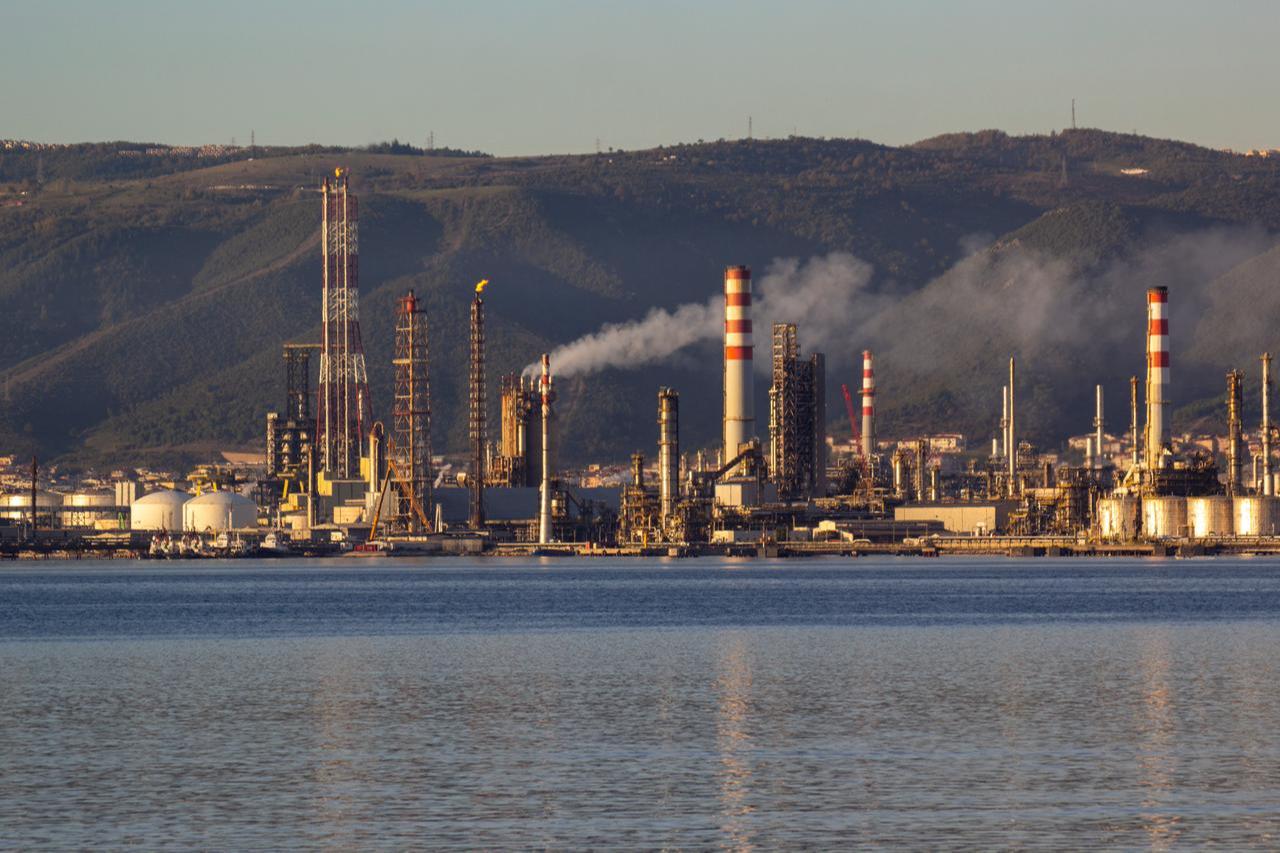

The strategic importance the EU attaches to Kazakh oil is largely based on quantitative indicators. Kazakhstan's significant share of the Union's total crude oil imports is consistent with the EU's policy objectives of reducing its dependence on Russian-centred supplies.
However, this approach is confined to a narrow framework that defines energy security solely in terms of diversifying source countries. Energy security is not merely about the identity of the source; it is equally determined by the routes these sources are transported along, the political and military environments through which they pass, and the degree to which security conditions are predictable.
In this context, the fact that more than 80% of Kazakhstan's oil reaches European markets via CPC, passing through Russian territory and Black Sea ports, points to a critical vulnerability in the EU's energy security architecture.
The operation of the CPC pipeline has effectively become an integral part of Europe's energy supply security. However, the Black Sea has now become a high-risk geopolitical arena where military tensions, displays of power and indirect pressure mechanisms are intertwined, in addition to being a transit area for ongoing commercial flows. In this environment, the assumption that even an energy pipeline subject to international law and outside the scope of sanctions is practically “untouchable” is no longer valid.
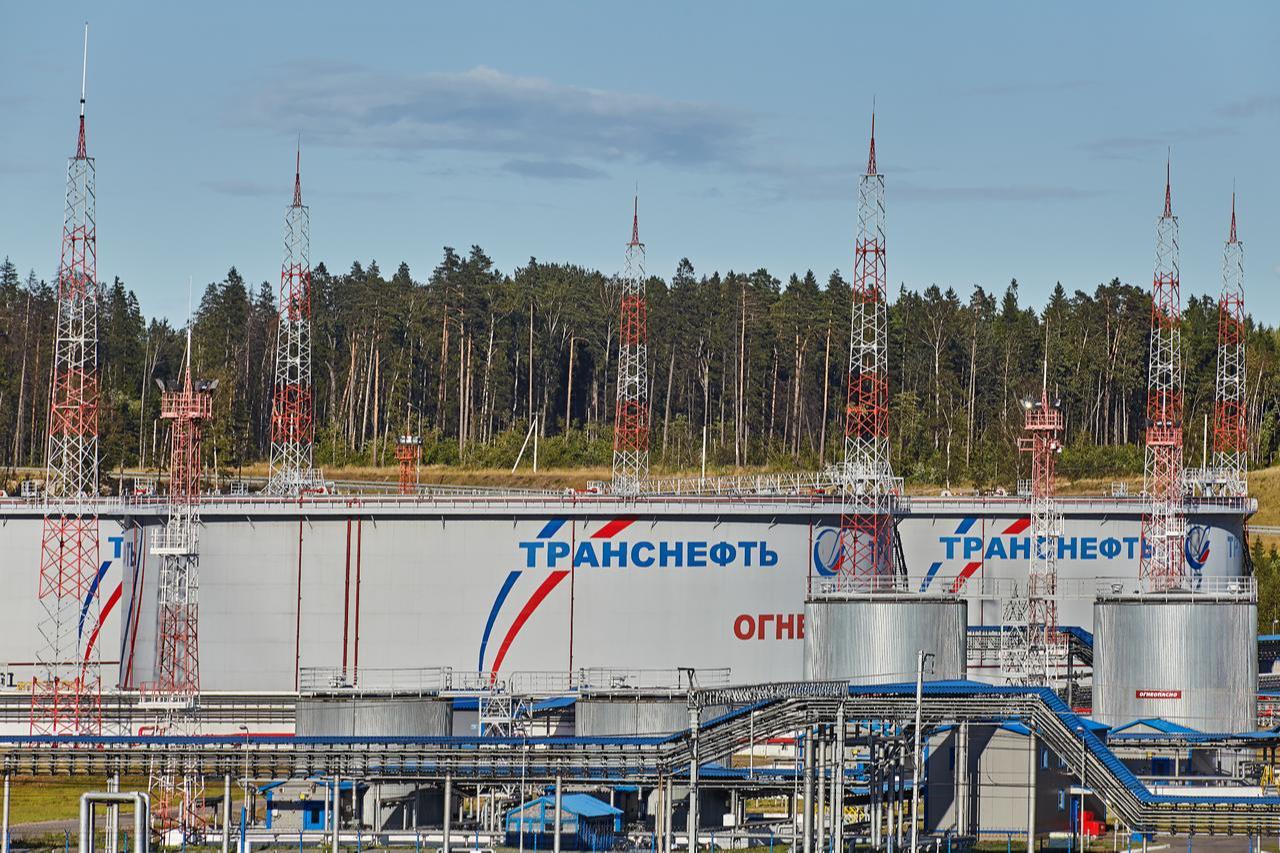
Ukraine's strategy of targeting Russia's export infrastructure to erode Moscow's war capacity fits within a framework that is understandable from a military and political perspective. However, this approach has serious side effects in terms of energy markets.
Although the CPC pipeline does not legally transport Russian oil and is not subject to EU sanctions, it is geographically located within a security zone directly affected by the war. This situation means that trade that is legally legitimate and politically neutral has become a high-risk activity due to the actual security conditions. The fundamental problem facing Europe is not the sanctions themselves, but rather the security gaps that have formed around them and are deepening.
The current situation clearly reveals the structural incompatibility between normative goals and geopolitical realities in the EU's energy policies. The rhetoric of moving away from Russian oil, when considered alongside dependence on transit routes under Russia's security influence, does not produce a strategically coherent energy security vision.
On the contrary, as Europe's energy supply moves away from Russia as a source, it is indirectly exposed to the security environment shaped by Russia to a greater extent. This contradiction highlights that the EU cannot consider its energy security independently of economic and legal parameters; it necessitates an assessment centred on the continuity of geopolitical risks.
The recent series of attacks in the Black Sea has been decisive in energy markets, not so much through direct physical damage, but through their perceptual and financial effects. The targeting of oil tankers, temporary restrictions at sea terminals, and the parallel rise in war risk insurance premiums have led to the rapid pricing of a “geopolitical risk premium” in the markets. Consequently, even in the absence of an actual supply disruption, this has caused oil prices to react upward.
The reclassification of the Black Sea as a high-risk region by the insurance and shipping sectors is not merely a technical classification. These decisions produce a chain of effects, ranging from freight costs to the re-routing of ships and some shipowners avoiding the region.
Rising logistics costs and uncertainty are ultimately reflected in European refineries, industrial production and consumer prices. What is noteworthy here is that even a single, limited security incident can rapidly disrupt market expectations and permanently alter commercial actors' perception of risk. In this context, energy security is measured by physical flow volumes and the extent to which the market perceives the environment as predictable and secure.
More importantly, the militarization trend observed in the Black Sea region signals a structural transformation rather than being a temporary fluctuation or a by-product of war. While the region has long functioned as a relatively neutral transit area for energy and trade, it is now transforming into a geopolitical risk zone where great power competition manifests indirectly.
Military activities, deterrence messages and hybrid pressure tools, even if they do not directly target energy infrastructure, constantly cast doubt on the security of this infrastructure. This situation draws even actors not involved in the conflict, such as Kazakhstan, into the chain of strategic risks generated by regional instability.
The outcome for Europe demonstrates that energy security is not an issue that can be resolved through supplier diversification or the search for alternative sources. The Black Sea example necessitates that energy supply security be addressed in conjunction with factors such as military risks, diplomatic relations, maritime security, and infrastructure resilience. Otherwise, energy flows that are not physically interrupted but become perceptually fragile will continue to effectively weaken Europe's energy security.
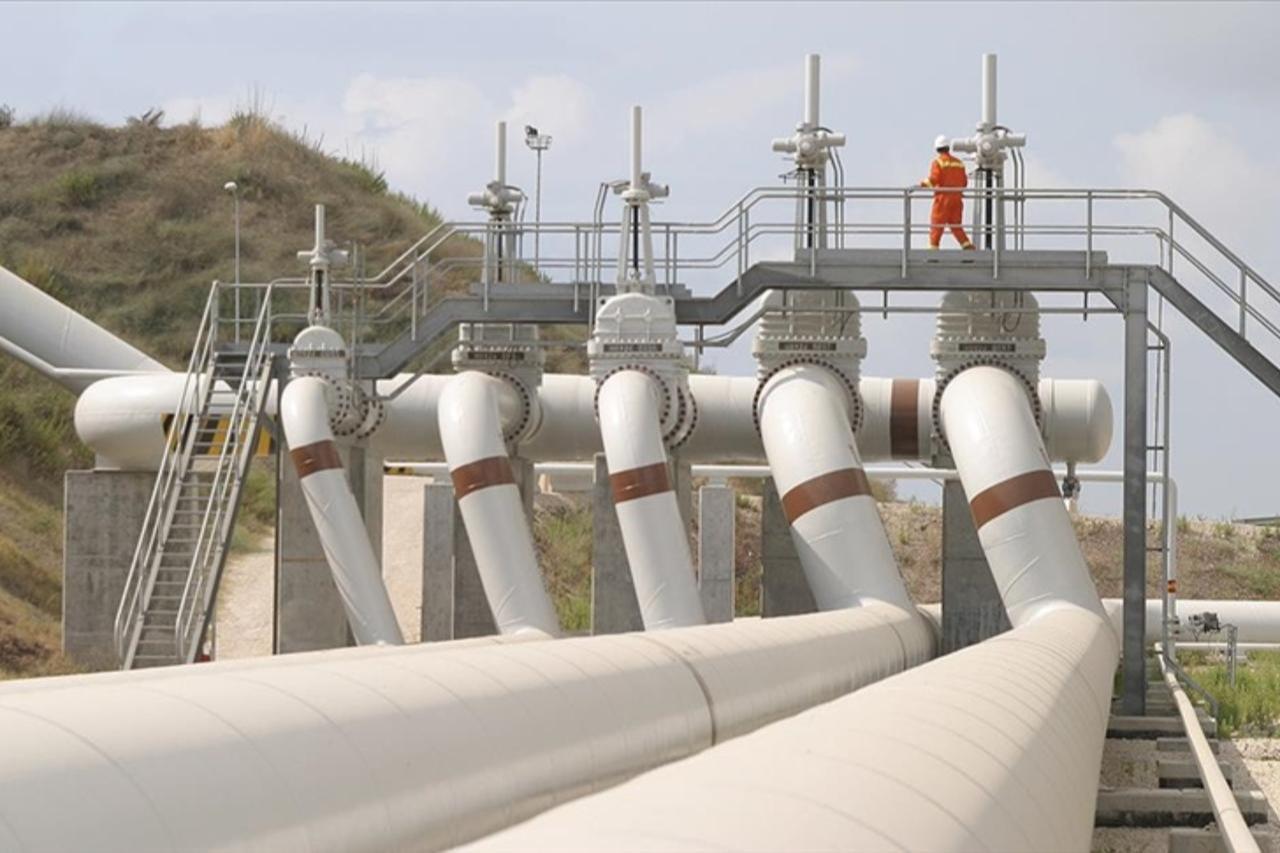
Kazakhstan has recently turned to alternative routes such as the Baku-Tbilisi-Ceyhan pipeline, transit transport via the Caspian Sea, and exports to China in order to reduce its high dependence on the CPC. However, the current alternatives do not have the scale to replace the CPC in the short term in terms of transport capacity, logistical complexity, time, and cost.
The expansion of alternative routes requires long-term infrastructure projects beyond technical investments, cross-border coordination mechanisms, and political harmony at the regional level. Under these conditions, Kazakhstan's room for manoeuvre is practically limited.
At this point, the EU's approach deserves a more critical assessment. While the EU attaches strategic value to Kazakh oil, it does not sufficiently assume the infrastructural and diplomatic responsibility to guarantee the operational sustainability of this value.
The development of trans-Caspian routes, multilateral security arrangements for the protection of civilian energy transport in the Caspian Sea and the Black Sea, and the establishment of a more institutionalised risk-sharing mechanism with insurance markets have thus far been fragmented, reactive and largely left to market dynamics.
 1 min read
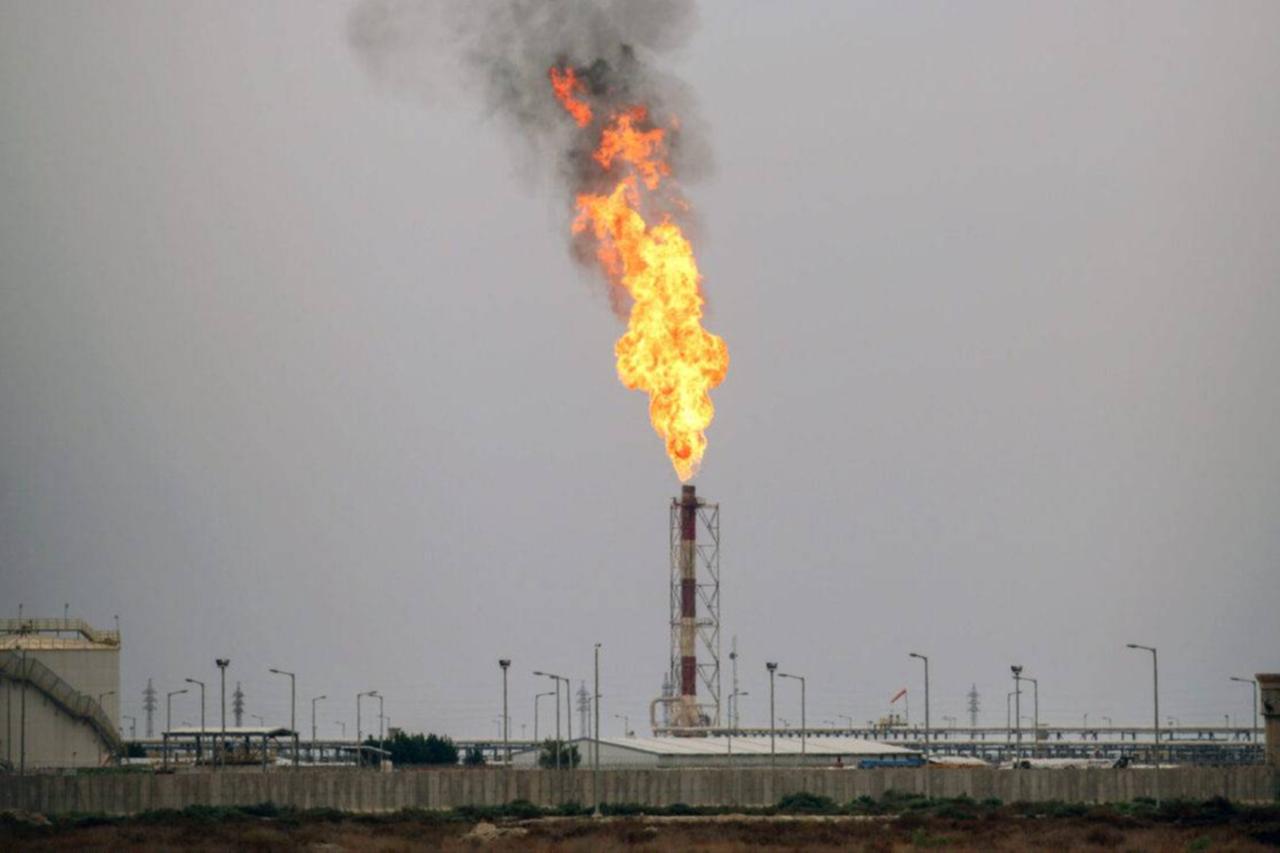
Europe, on the one hand, defines Kazakhstan as a “reliable and stable partner”, while on the other hand, it largely leaves transit security, the most fragile link in this partnership, to the risk perception and commercial calculations of private sector actors.
Insurance companies, shipowners and energy companies are acting rationally and cautiously in the face of increasing uncertainty; this situation means that strategic risks that should be assumed by public authorities are effectively being transferred to the market. As a result, energy security is increasingly moving away from being a public policy area and becoming dependent on the risk appetite of the private sector.
However, the current situation demonstrates that Europe cannot address its energy security within a framework limited by economic efficiency and legal compliance parameters; it highlights the need for a new definition centred on geopolitical resilience.
The example of Kazakhstan demonstrates that even countries not involved in the war cannot escape the security risks shaped by the geography of the conflict. As long as Europe fails to take this reality into account, its efforts to diversify energy supply will continue to produce strategic vulnerabilities, and both partner countries such as Kazakhstan and European markets will continue to bear the indirect costs of the war.


 Set as preferred source
 Set as preferred source



 1 min read