Newsletters


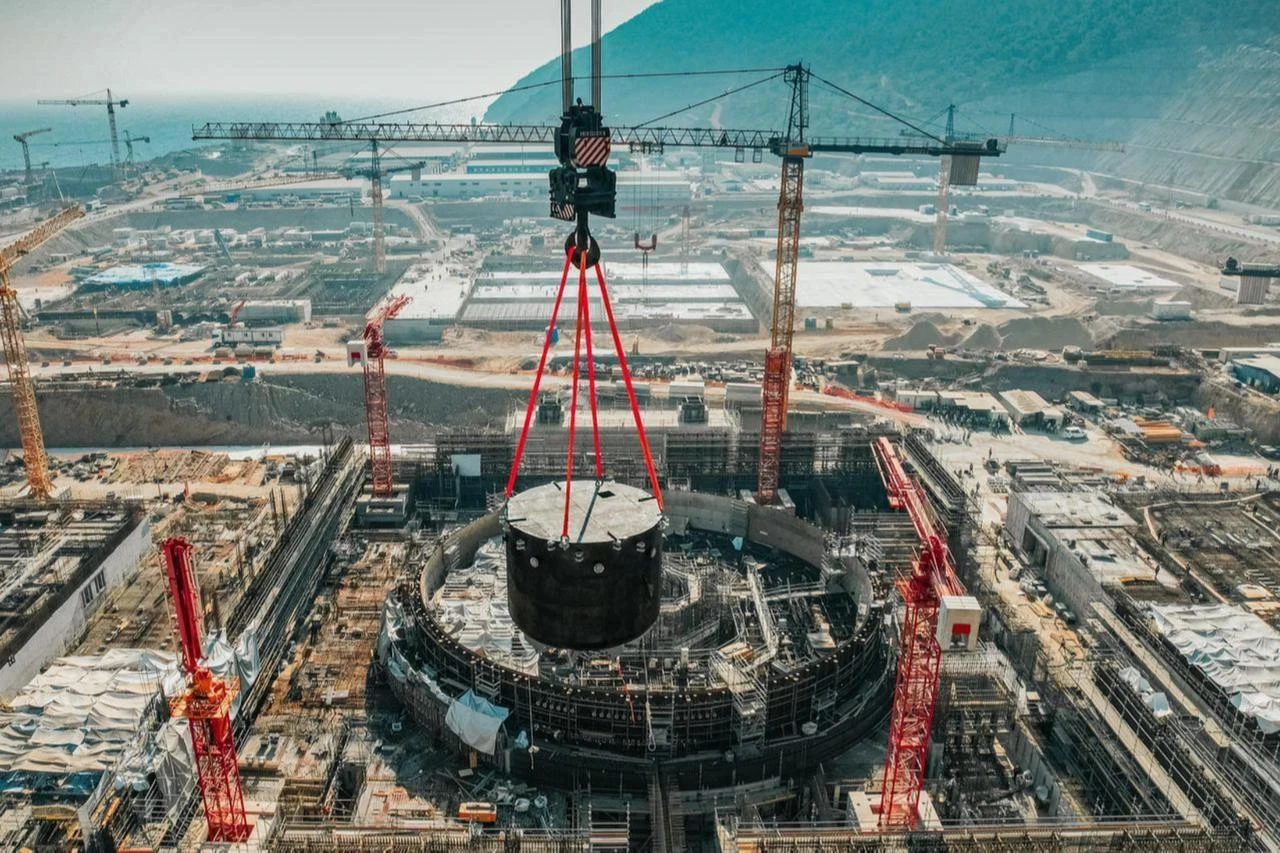


On July 15, 2026, Reuters reported that the ransomware group World Leaks had published nearly 19,000 files allegedly linked to India's Kudankulam Nuclear Power Plant after breaching data held by contractor Reliance Infrastructure.
The documents reportedly included engineering drawings, supplier records, and inspection reports spanning nearly a decade.
Although Indian authorities stated that nuclear safety systems were unaffected—and Reuters noted it could not independently verify the authenticity of the leaked files—the incident nevertheless highlights a broader reality: in the digital age, nuclear security extends far beyond reactors to encompass contractors, cloud infrastructure, and digital supply chains.
Reuters reported that the leaked cache formed part of approximately 858,000 files allegedly taken from Reliance Infrastructure.
The documents, dated from 2016 to mid-2025, reportedly included engineering drawings, supplier information, inspection records, meeting records, and insurance documents.
While Reuters reviewed portions of the material, it noted that the authenticity of the files could not be independently verified. Reliance acknowledged a "partial breach" involving data hosted on a third-party server, whereas India's Nuclear Power Corporation of India Limited (NPCIL) stated that no nuclear safety or security systems had been compromised and that the exposed material related only to conventional support facilities.
India's Computer Emergency Response Team (CERT-In) and NPCIL subsequently initiated investigations.
Regardless of the final forensic findings, the incident highlights a reality confronting nuclear operators worldwide: cyber risks increasingly emerge far beyond the reactor itself.
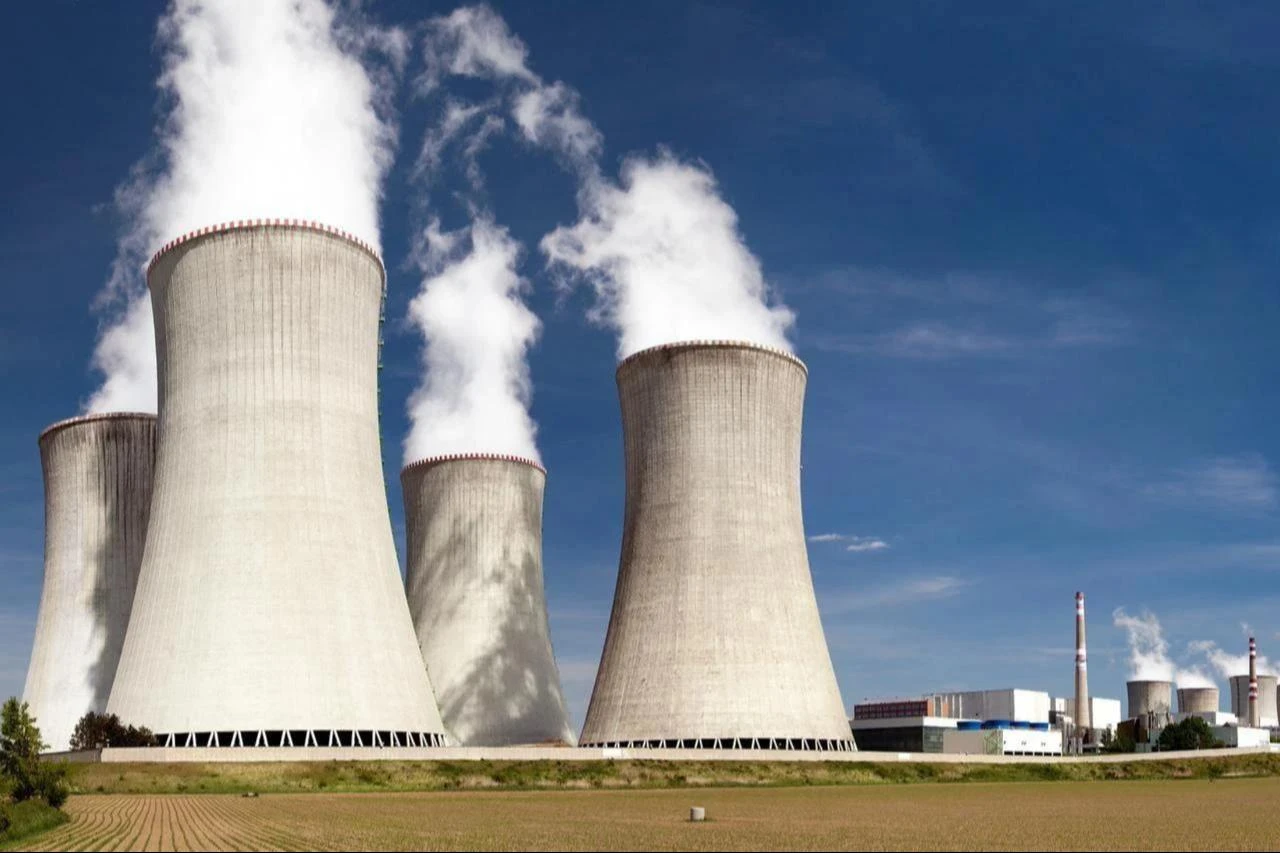

For decades, nuclear cybersecurity focused primarily on protecting reactor control systems through physical isolation and restricted access.
Those protections remain essential, but modern nuclear projects rely on extensive networks of contractors, engineering firms, software vendors, cloud service providers, and equipment suppliers, all of whom handle sensitive information throughout a facility's construction and operational life.
The Kudankulam incident reflects this changing risk environment. The reported breach did not involve reactor control software; instead, it allegedly exposed project documentation stored by a contractor.
Even if operational systems remain isolated, engineering drawings, supplier lists, inspection reports, and facility layouts may provide valuable intelligence to sophisticated threat actors seeking to understand infrastructure dependencies or supply chain relationships.
Modern nuclear facilities generate enormous volumes of engineering, procurement, and maintenance data. Much of this information is routinely shared among contractors, consultants, and technology providers.
Consequently, the cybersecurity of a nuclear program increasingly depends on organizations that neither own nor operate the reactor itself. Every additional contractor, vendor, or cloud platform potentially expands the attack surface that must be secured.

Equally important is how authorities respond to cyber incidents.
NPCIL has emphasized that reactor safety systems were unaffected, while Reliance confirmed only a partial breach.
Yotta, the third-party hosting provider, stated that it detected suspicious activity in late May and later supported the investigation after being informed of external claims regarding a data breach.
This is especially relevant because Kudankulam has experienced cybersecurity concerns before. In 2019, malware linked by researchers to the Lazarus Group was detected on the plant's administrative network.
NPCIL stated at the time that operational systems remained unaffected. Although the 2019 and 2026 incidents involved different attack vectors, together they illustrate that cybersecurity must be viewed as a continuous process of risk management rather than a one-time defensive achievement.
The challenge extends well beyond India. Operators of critical infrastructure worldwide increasingly face sophisticated ransomware groups capable of exploiting interconnected digital environments.
The question is no longer whether organizations will experience attempted intrusions, but how effectively they detect, contain, and recover from them.
India is pursuing one of the world's most ambitious civilian nuclear-energy expansion programs. Kudankulam represents a major component of that strategy, with Units 3 and 4 expected to contribute an additional 2,000 megawatts of generating capacity once operational.
As nuclear infrastructure expands, so does its digital footprint. Every new reactor introduces additional engineering firms, software vendors, maintenance providers, logistics partners, and cloud-based information systems that become part of the broader security ecosystem.
Consequently, expanding nuclear capacity also increases the number of organizations responsible for safeguarding sensitive information.
This challenge is not unique to India. Governments around the world are expanding nuclear power as part of energy transition strategies while simultaneously confronting a more aggressive cyber threat environment.
Protecting future nuclear facilities, therefore, requires security strategies that extend beyond reactor operations to include procurement systems, engineering documentation, contractor governance, and digital supply chains.
The Kudankulam breach should ultimately be viewed as more than a national cybersecurity incident. It highlights a broader reality confronting every country operating nuclear facilities: today's most significant vulnerabilities often emerge through interconnected commercial networks rather than through direct attacks on reactor systems.
Reuters reported that it reviewed portions of the leaked documents but could not independently verify their authenticity, while Indian authorities maintain that nuclear safety systems were unaffected.
The ongoing investigations by CERT-In and NPCIL will therefore be important in establishing the full scope and implications of the incident.
The Kudankulam breach should not be remembered only as a cybersecurity incident. It should also be viewed as a reminder that the future of nuclear security will depend as much on protecting digital ecosystems as on safeguarding reactors themselves.
As civilian nuclear programs expand worldwide to meet rising energy demand and climate objectives, the integrity of supply chains, contractors, cloud infrastructure, and digital governance may become as strategically important as the physical barriers surrounding nuclear facilities.
The resilience of tomorrow's nuclear industry will ultimately depend not only on engineering excellence, but also on its ability to secure the increasingly complex digital networks on which modern nuclear operations rely.


 Set as preferred source
 Set as preferred source


 1 min read



 1 min read