Newsletters


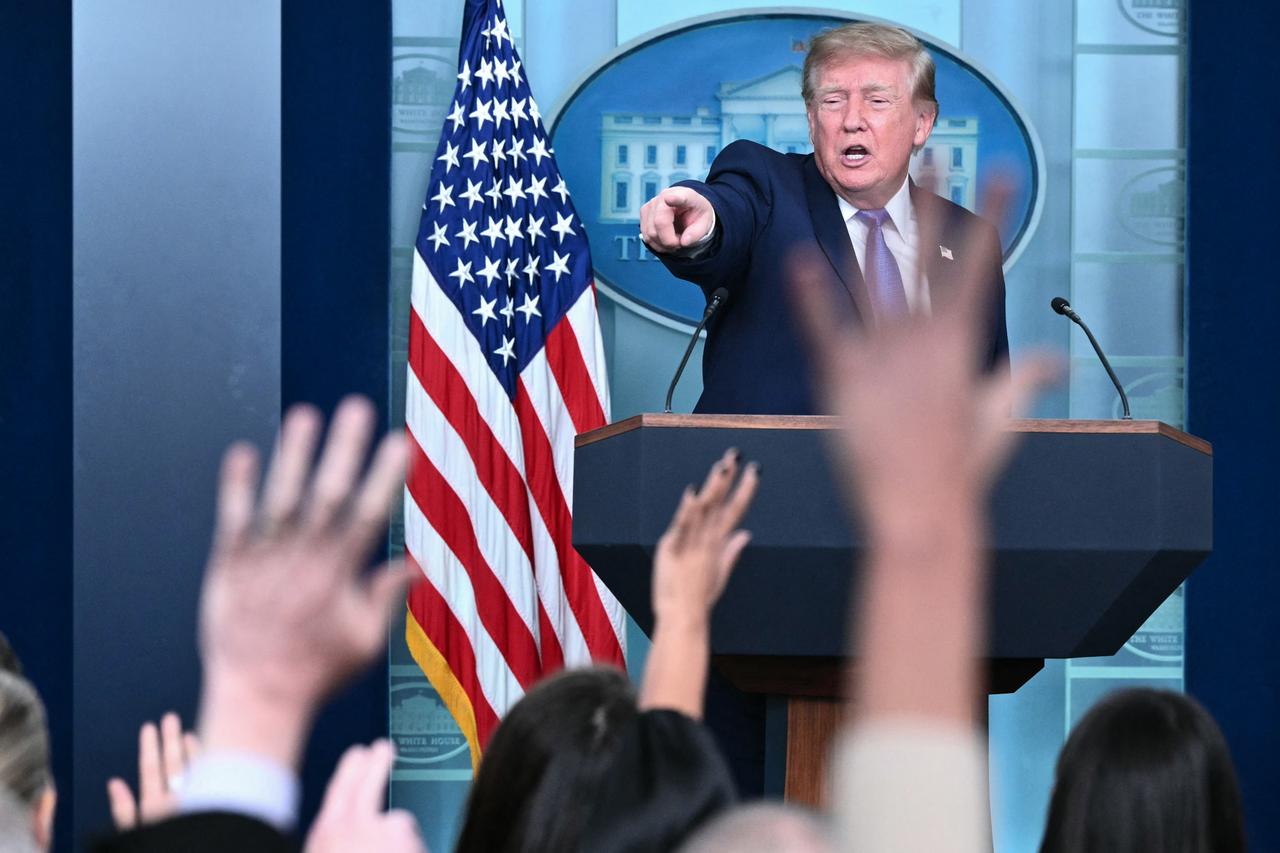


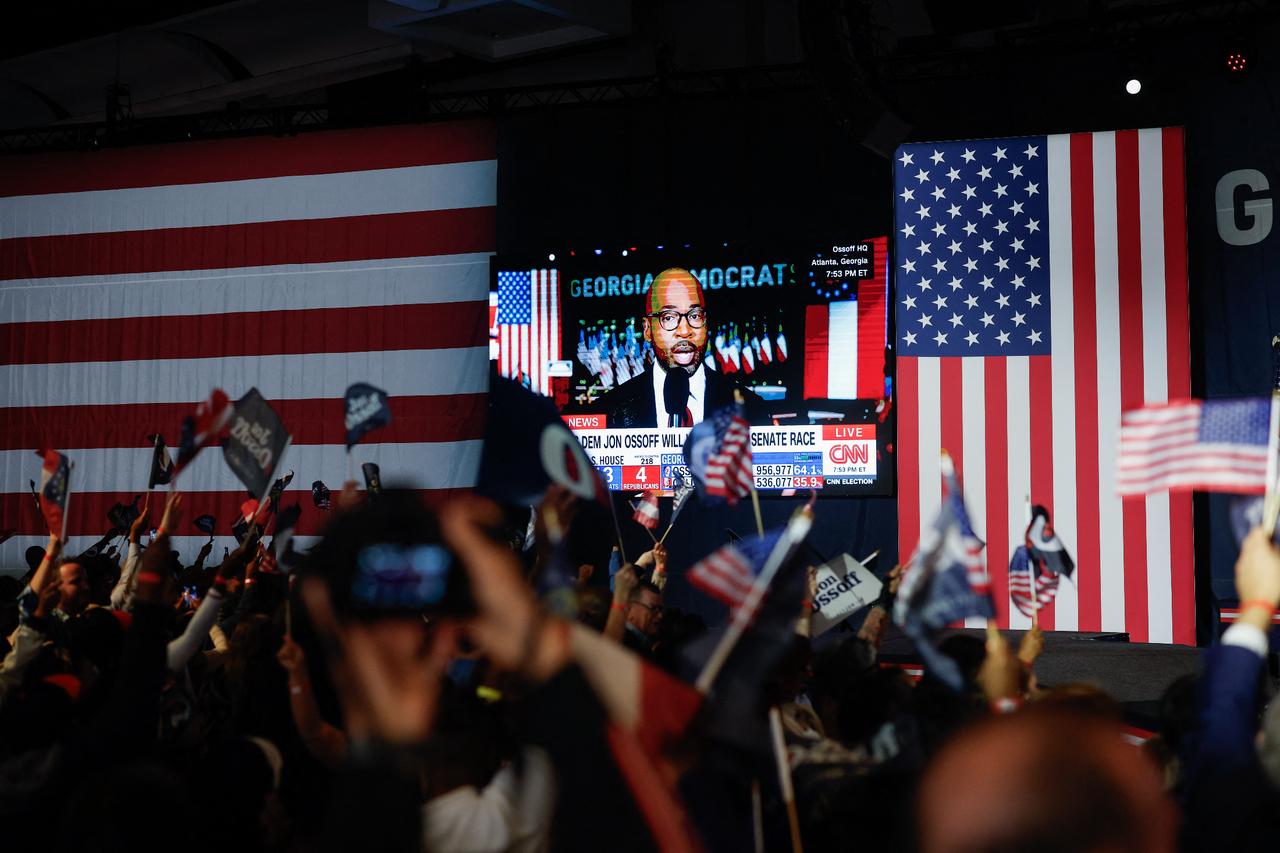
The news of dramatic political shifts in the U.S. midterm elections made headlines around the world. But what has really changed, and how will American foreign policy reflect the recent beating that the Republican Party received at the polls?
Talk of a lame-duck president abounds. Forget all of that. Consider the man and think for a moment about his history. He loves a fight, especially a dirty one, and genuinely looks forward to his upcoming two-year reality-television mud-wrestling match.
As commentator Michelle Cottle recently wrote in The New York Times:
"For Mr. Trump, this pandemonium is doubtless much more fun than the thankless tedium of trying to govern. The guy has never been much for policy, unless you count whipping up fear of immigrants and imposing a tariff scheme that seems to have been drawn up on the back of a napkin."
Conventional wisdom in America holds that presidents lose their edge after major defeats in the midterm elections, but it would be foolish to judge President Trump by conventional yardsticks.
He has built his political career on conflict, and now has a convenient punching bag in the form of the incoming Democratic-controlled Congress.
The cast of characters on Capitol Hill has changed, but the star of the show hasn't. Throughout his presidency, Trump has routinely pushed the boundaries of executive power to promote his agendas and we should expect no changes there.
Consider the current quagmire in Iran.
American public sentiment is sharply critical of the administration's conflict with Tehran. A Reuters opinion poll published on Nov. 10 showed that 71% of Americans—including 93% of Democrats and 51% of Republicans —want the U.S. Congress to pass legislation ending the military action that Trump started, along with Israel, in February of 2026.
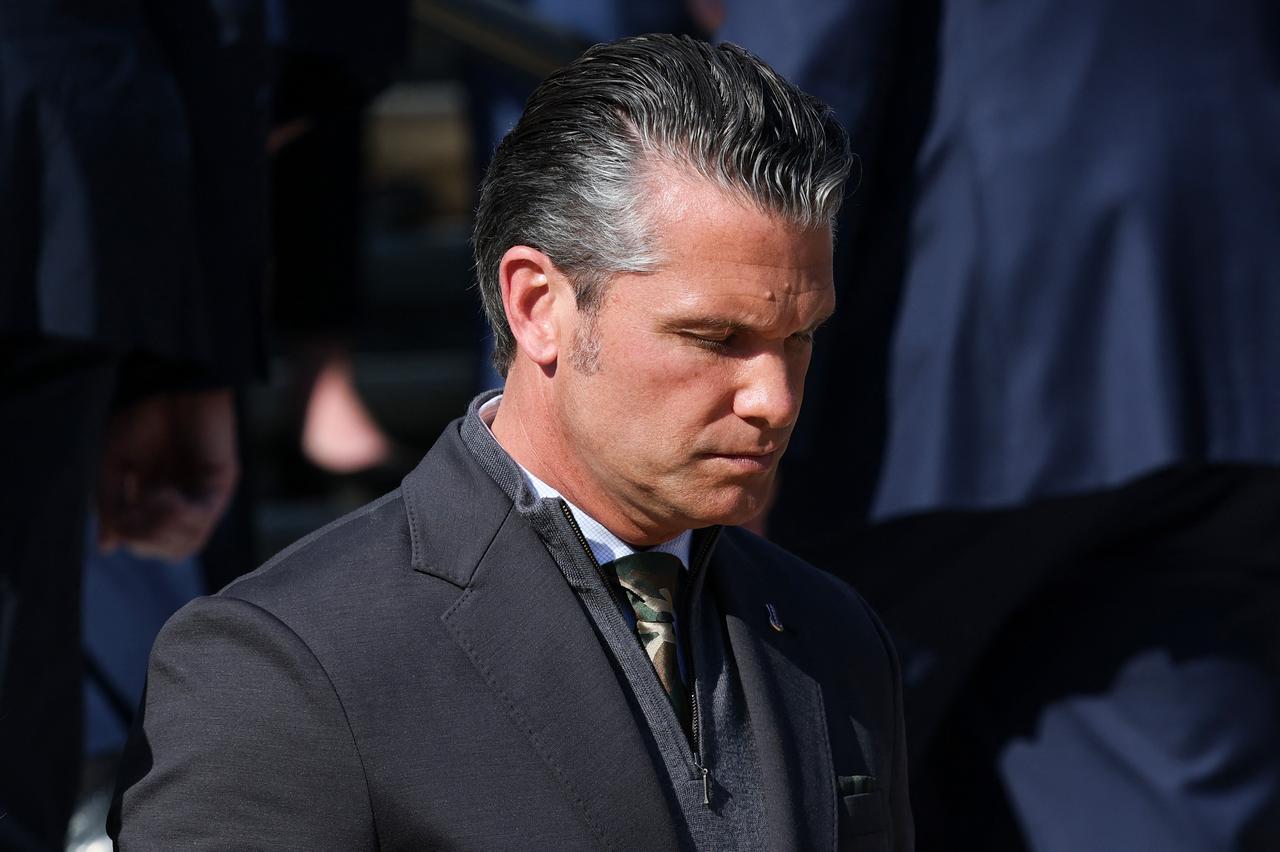
One of the first tests of this new political reality came in the form of a congressional challenge to the president’s self-styled “Secretary of War,” Pete Hegseth.
Republican Congressman Thomas Massie filed eight articles of impeachment against Hegseth, alleging that he violated the Constitution by not seeking congressional authorization for military action against Iran.
However, the House of Representatives voted to effectively block the measure by sending the resolution back to committee, preventing a direct vote on impeachment during this session. And Trump never deserted his man, nor did he ask him to resign, as many pundits expected.
The political calculus here is an indicator of what to expect in the coming years.
Had the House proceeded and voted to impeach Hegseth, the matter would have moved to the Senate for trial. However, removing a cabinet secretary requires a two-thirds majority (67 votes) in the Senate—a threshold that would have been unlikely to be met.
Trump saw the numbers, took his chances and sat tight. The result? Mr. Hegseth will still be showing up at his office for the foreseeable future.

Beyond domestic political battles, the direction of Washington’s global presence is also uncertain. Despite rhetoric from the Democratic side on dramatic foreign policy shifts, radical changes remain constrained because congressional power will be matched by the president’s own sheer will and the tools at his disposal. Congress might control the budget, but Trump retains the essentially free hand offered by his use of executive orders and vetoes.
So on one side, long-term military operations will require fiscal power and legislative backing that a Democratic Congress can hamper or challenge.
But on the other side, the president still ultimately commands the show in Iran and on the Russia-Ukraine war, and it remains unclear what Congress can do to fundamentally change the course of American policies here.
It’s going to be a long two years.
If the fight in Washington is expected to be aggressive and dramatic, relations with Türkiye can be expected to be familiar, if not a little bit predictable. In truth, this probably suits both sides.
The main driver of Turkish-American political relations will remain the leader-to-leader style diplomacy that has come to define ties between Presidents Erdogan and Trump. With the U.S. president presumably unburdened by worries about future election campaigns, or the future of the Republican Party, Ankara can actually benefit from an administration prone to using direct deals over traditional diplomatic channels.
Trump has expressed his personal interest in lifting the F-35 fighter program sanctions and promoting more defense sales to Türkiye. However, getting anything done here will require him to either use his executive powers or attempt to actually work with his Democratic opponents in Congress. Ankara’s focus will be on securing the concrete defense deals it most wants given these constraints.
Regardless of what happens in Washington over the next two years, Turkish leaders are already thinking ahead to the next U.S. administration. Consequently, Türkiye will continue to balance its cooperation with Washington against its own preferred policy of strategic autonomy throughout the Middle East, as well as with Russia, China, NATO, and the other BRICS countries.
Of course, the Iran conflict remains the biggest wild card in this scenario. Continuing tensions between Washington and Tehran or broader regional instability pose risks for Türkiye. While the Americans may try to convince Ankara to help act as a mediator or a guarantor of regional security, fundamental policy differences will most likely continue to maintain the current status quo between the two capitals.
Ankara has surely already done the math here. U.S. foreign policy toward Türkiye will likely follow its typical pattern during the Trump era: transactional deals driven by executive power, combined with cautious hedging by Ankara as both sides look to the future beyond the next American election.


 Set as preferred source
 Set as preferred source


 2 min read
 1 min read