Newsletters


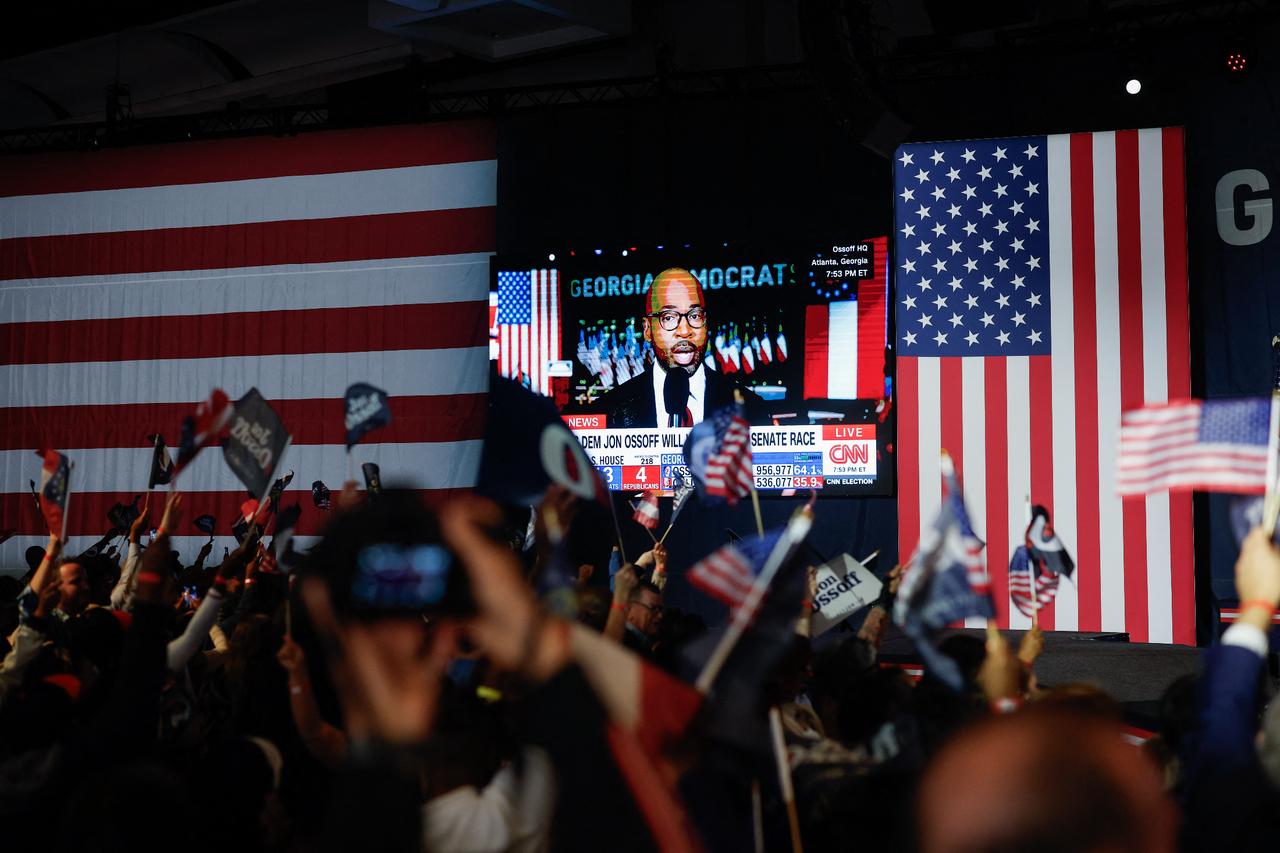


The blue wave has crashed, and hard. President Trump and his supporters have been rebuked, and the usual dramas surrounding a major U.S. election have played out.
It was great television. Attacks. Betrayals. Grandstanding. A promise to cut military aid to Israel. A widely circulated rumor (attributed mainly to Tucker Carlson, the conservative media personality) about the possible use of a nuclear weapon against Iran. Heroes and villains. The reflecting pool. Historic firsts. Dramatic wins and losses.
Forget Christianity, forget Hollywood … America’s real religion is money. And nowhere is this more obvious than in political campaign spending.
Veteran political author Anne Applebaum summed it up this way: “Above all we need to focus on the deepest source of imbalance in our politics: no other democracy spends billions of dollars on election campaigns, or gives so many opportunities for the wealthiest citizens to try to shape the result.”
Campaign finance remains the fatal structural flaw in American politics, and neither party has the will, or even the ability, to take it on as an issue. Certainly, both Republicans and Democrats pay lip service to its malign influence (usually when criticizing their opponents), but it would take a truly gargantuan, and truly bipartisan, effort to reform the current system.
By all accounts, the 2026 midterm election has shattered all previous political spending records, culminating in an eye-watering $11 billion (approximately) in total expenditures. Imagine this figure for a moment.
Yet, despite unprecedented infusions of cash from wealthy individuals, special interests (AI outspent AIPAC by a wide margin this time around) and Super PACs, analysts and the results themselves have suggested a difficult and inescapable conclusion: these record-breaking amounts of capital did not guarantee political victories and frequently delivered weak returns at best. So what was the point of spending all that money?
This particularly dramatic election cycle took place within a wider campaign finance landscape that has been shaped by a single landmark legal decision, and highlights a growing disconnect between heavy spending and the political realities of everyday voters.
Let's start at the beginning. To understand the financial scale of the 2026 midterms, we need to go back to the legal framework for spending established by the U.S. Supreme Court.
The historic Citizens United vs. FEC (2010) decision originated when the conservative non-profit group Citizens United challenged federal campaign finance laws after being barred from airing a critical documentary about Hillary Clinton during the 2008 Democratic primary. In a 5-4 decision that would have unprecedented impact, the court ruled that political spending constitutes a form of “free speech” and was thus protected by the First Amendment.
The ruling struck down longstanding federal limits on independent political spending by corporations and labor unions, holding that the government cannot restrict corporate spending aimed at candidate elections provided those expenditures remain independent of the candidate's official campaign.
This decision fundamentally reshaped American politics by unleashing unprecedented capital into elections. By enabling the creation of Super PACs—entities that can collect and spend practically unlimited funds from corporations, special interests, unions, and wealthy individuals—the ruling shifted significant power away from traditional political parties and individual voters towards extremely wealthy donors.
Furthermore, it also fueled the rise of "dark money," as non-profit organizations could now pool hypothetically unlimited funds for political advertising without disclosing donor identities, thus reducing campaign transparency and intensifying concerns over outsized corporate influence across federal, state, and even local elections.
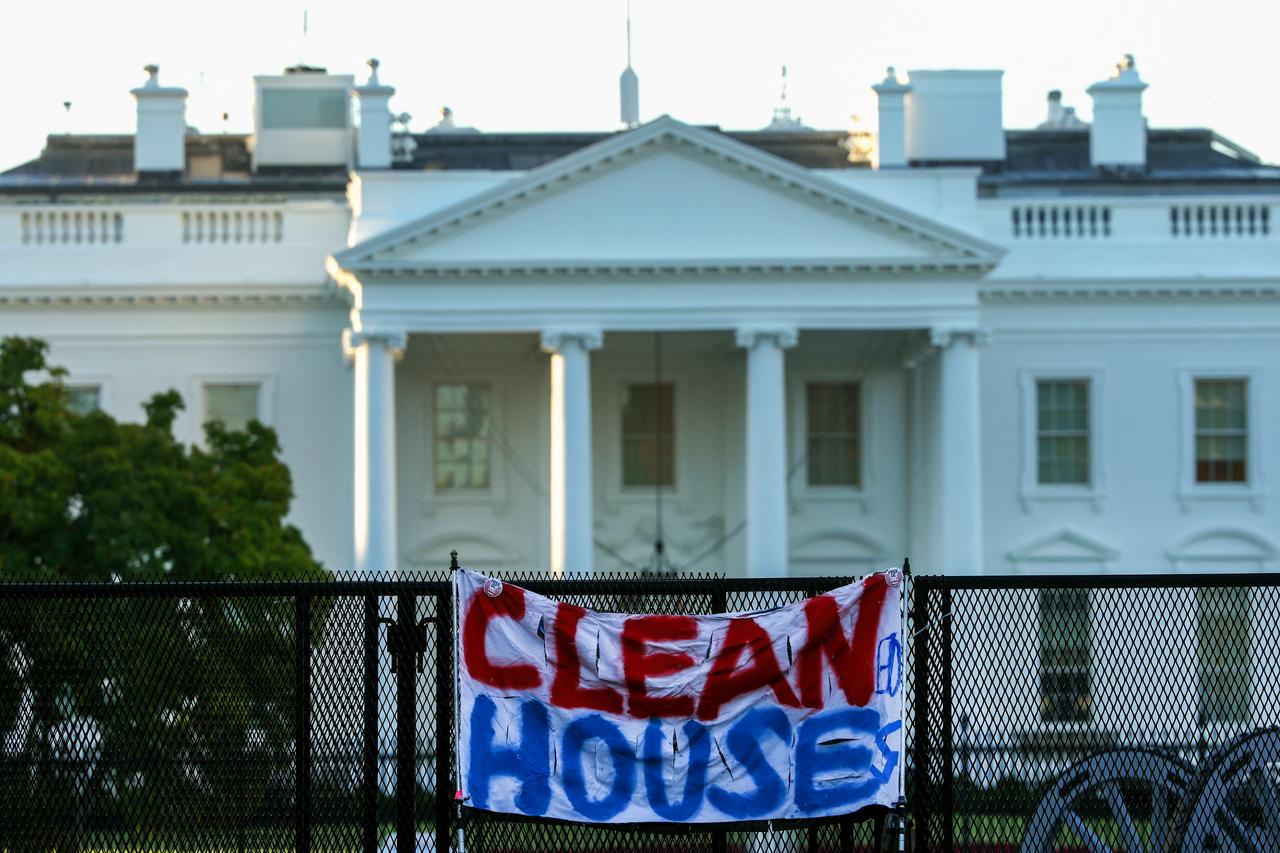

Against this backdrop, the 2026 cycle witnessed historic individual investments on both sides of the aisle. Elon Musk has, not surprisingly, emerged as the single largest individual political donor in this election cycle by a wide margin, spending around $450 million personally and through affiliated corporate entities.
Michael Bloomberg and George Soros on the Democratic side (as well as others) also make the list, but nobody even approached Mr. Musk’s levels of personal spending.
The vast majority of Musk’s funding flowed to Republican-aligned organizations and Super PACs. This allocation included over $200 million directed into his own America PAC—which funded extensive campaigns across dozens of congressional races—alongside large donations to groups such as the Senate Leadership Fund.
Geographically, Texas has served as his main focus area, accounting for a major portion of his spending (estimated at $200 million in Texas alone) in support of Republican political campaigns throughout the state.
And he lost. And lost big. So was it worth it?
Despite these massive Republican funding networks, spending campaigns struggled to defeat the fundamental issues of 2026, especially the rising cost of living and the Iran conflict. Voters responded primarily to their own personal economic pressures rather than the tidal waves of ad campaigns, displaying serious worries about inflation, foreign policy, stories of rampant corruption and the perceived misuse of executive power.
Polling throughout the final weeks of the campaign demonstrated that absurdly expensive ad campaigns had failed to change voter preferences in tight races. Because voters were inundated with competing advertisements across television and social media, it can be argued that the diminishing marginal effect of each additional million dollars spent made the 2026 elections an especially poor investment.
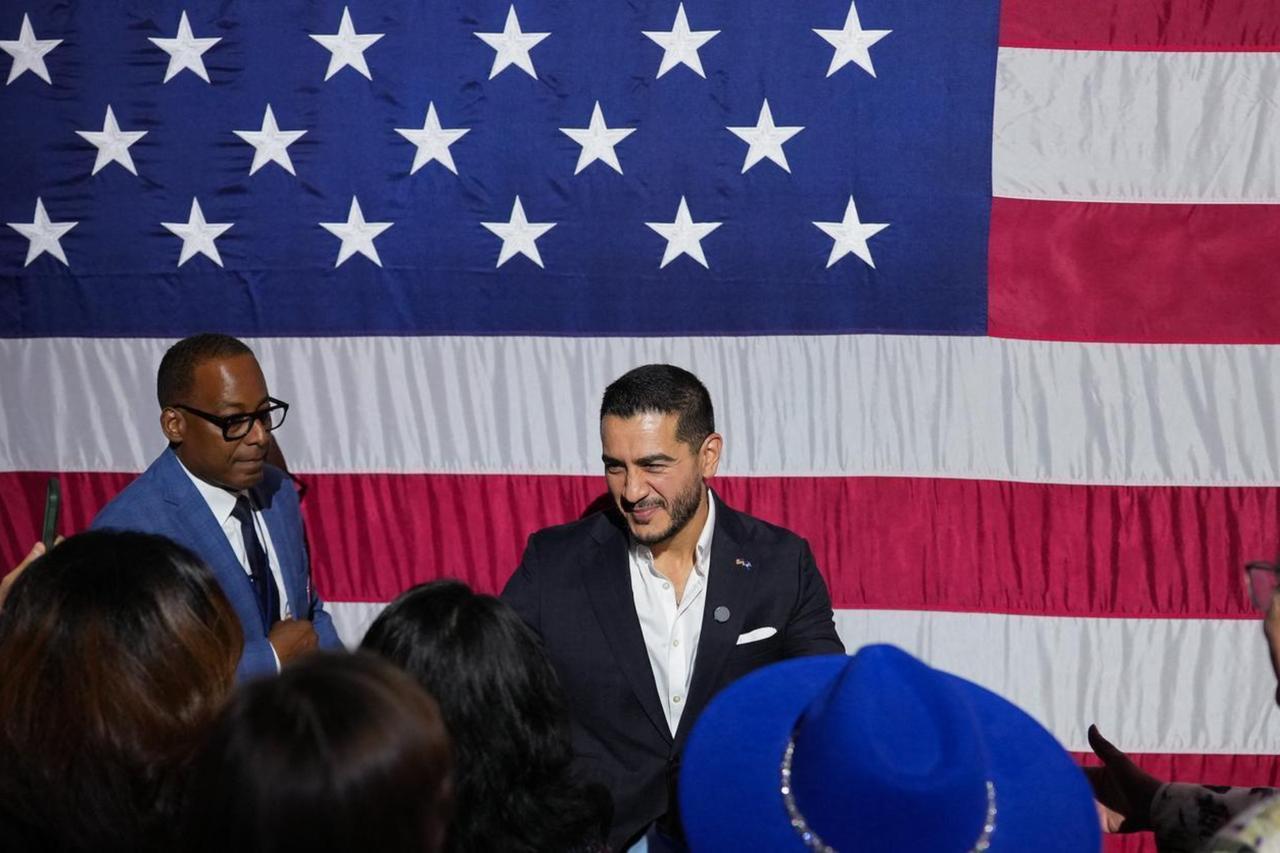
Ultimately, this situation helped to fuel the now-iconic blue wave, as Democrats captured control of both houses of Congress as well as many governorships.
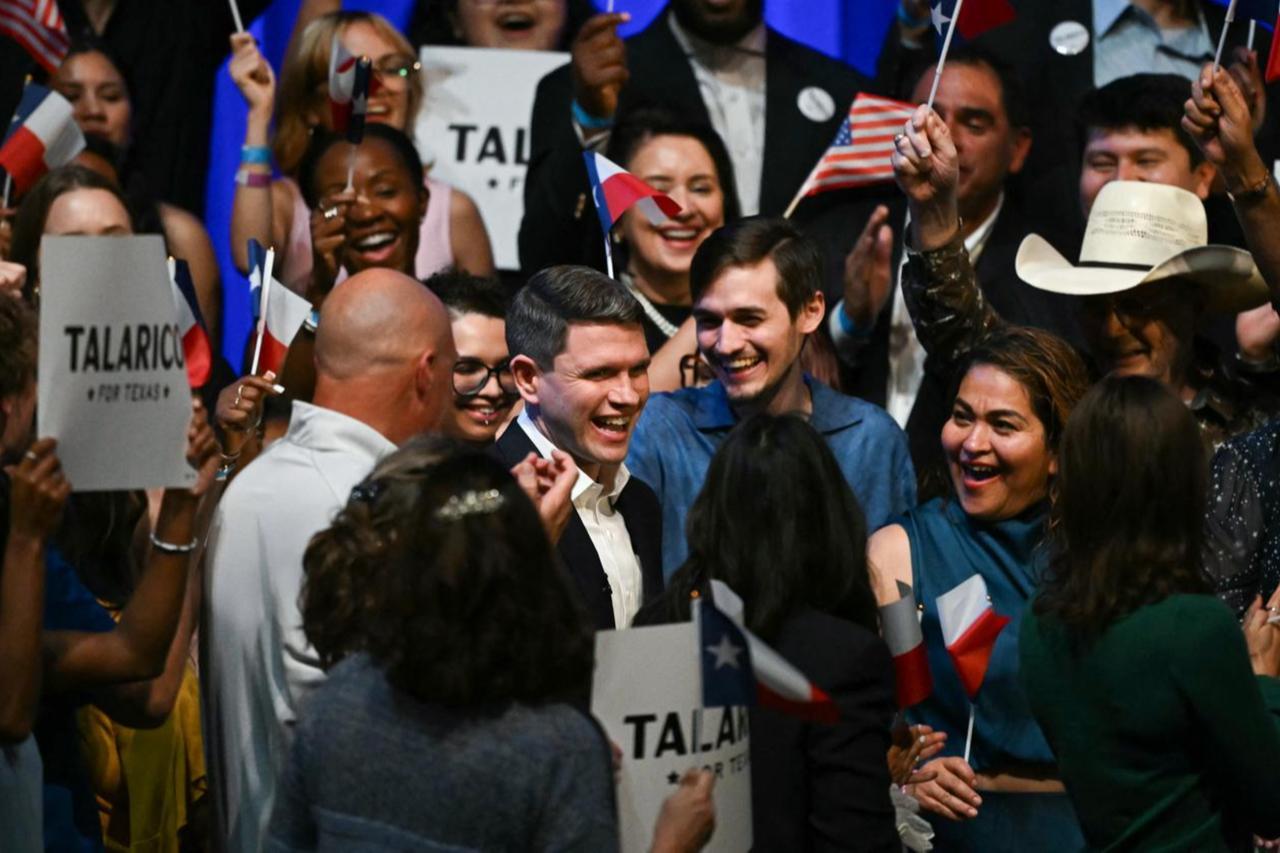
Democratic candidates also successfully flipped traditionally Republican seats in states such as Kansas, Ohio, and Texas. Most notably, the Texas Senate contest became the single most expensive race in the nation, exceeding $550 million in total candidate and Super PAC expenditures.
Despite heavy Republican funding aimed at retaining the seat, Democrat James Talarico won the race, defeating Trump ally Ken Paxton in a historic flip that exposed the limits of big spending in the face of dissatisfaction among once-loyal voters.
So we can ask again. Was all this money worth it?


 Set as preferred source
 Set as preferred source


 2 min read
 1 min read