Newsletters


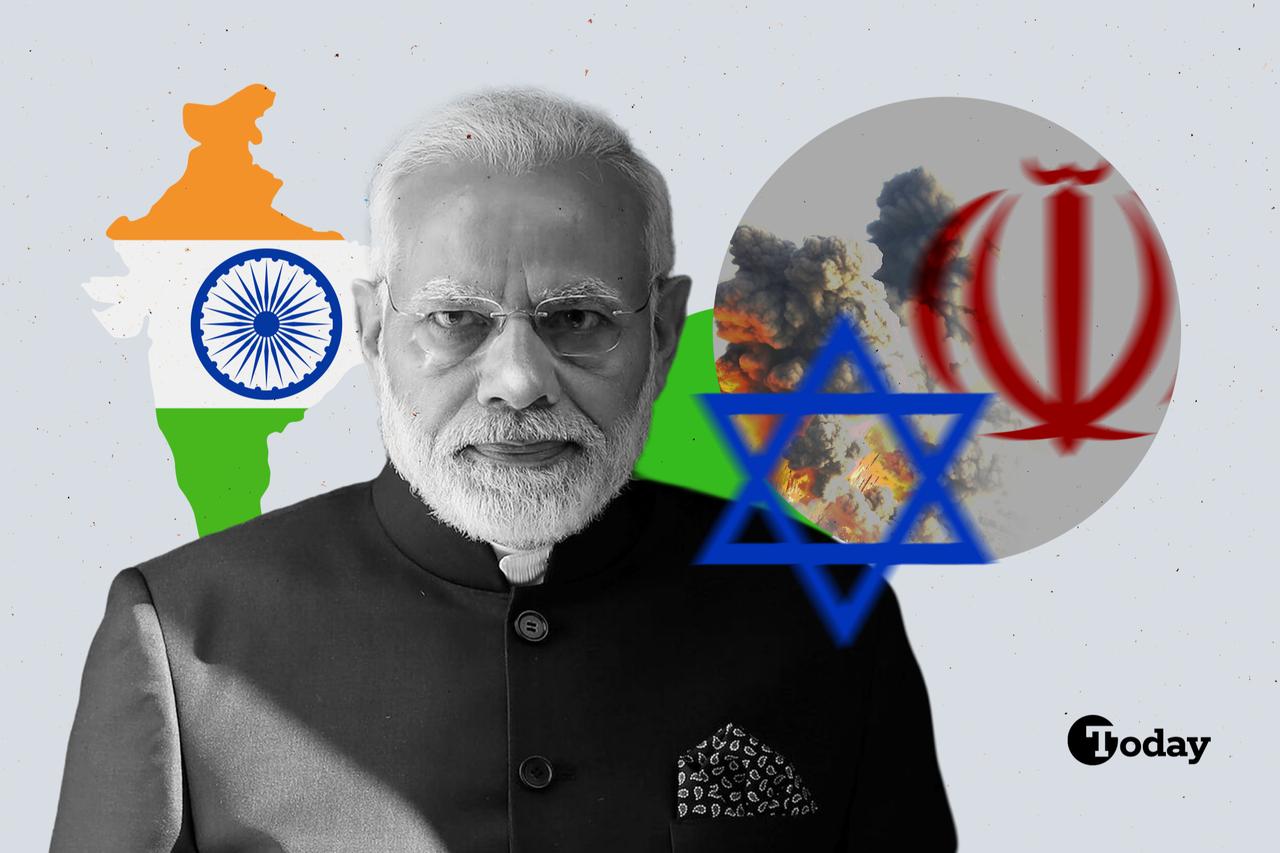


Diplomacy is often communicated as much through absence as through presence. State funerals are among the few occasions where protocol itself becomes a form of political signaling.
The rank of the representative a country sends—or chooses not to send—can reveal priorities, strategic comfort and the direction of future relationships without a single policy statement being issued.
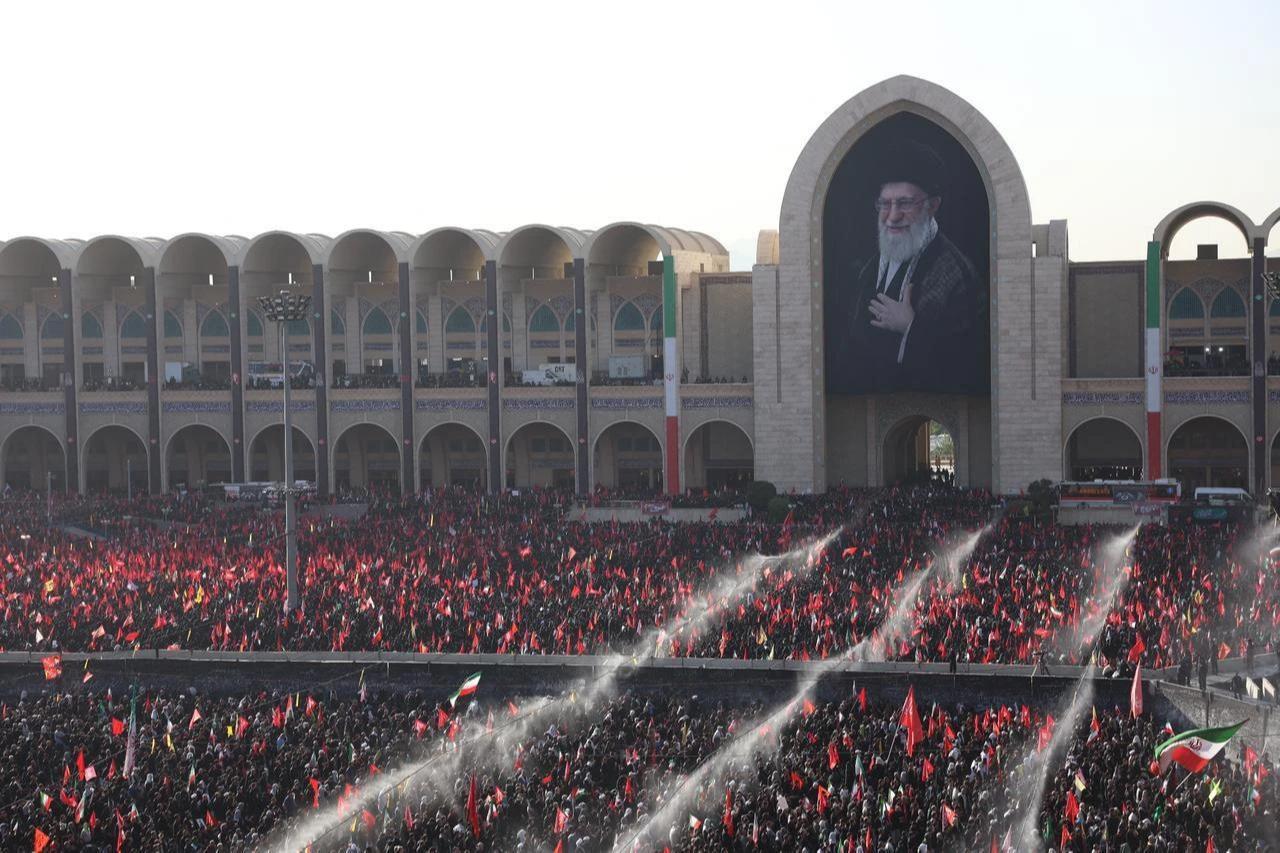
Prime Minister Narendra Modi's decision not to attend the funeral of Iran's Supreme Leader Ali Khamenei despite receiving a formal invitation from Tehran, therefore attracted considerable attention.
India instead sent Minister of State for External Affairs Pabitra Margherita and Bihar Governor Lt. Gen. Syed Ata Hasnain. While New Delhi offered no detailed explanation, the decision reignited debate over whether India is quietly redefining its relationship with Iran.
The answer is more nuanced than either supporters or critics suggest. Modi's absence does not signal the end of India-Iran relations, nor does it represent a sudden diplomatic rupture.
Rather, it reflects a policy evolution that has been unfolding for more than a decade. India's engagement with West Asia is increasingly shaped by economic interests, connectivity initiatives, defence cooperation and changing geopolitical realities rather than the traditional balancing approach that defined much of its post-Cold War diplomacy.
The empty chair in Tehran did not create this shift. It merely revealed one that had already taken shape.

For much of the post-Cold War era, Iran occupied a unique place in India's regional outlook. Geography made Tehran indispensable.
Pakistan's refusal to grant India overland access to Afghanistan and Central Asia meant that Iran became New Delhi's principal gateway to Eurasia.
This logic drove India's investment in Chabahar Port, located just west of Pakistan's Chinese-developed Gwadar Port. Chabahar was never simply a commercial project.
It represented India's effort to bypass Pakistan, secure access to Afghanistan, strengthen links with Central Asia and establish an alternative connectivity corridor to China's expanding regional footprint.
Energy further strengthened the relationship. Before the reimposition of U.S. sanctions, Iran ranked among India's largest crude oil suppliers. Tehran provided energy diversification, while India offered investment, technology and access to one of the world's fastest-growing consumer markets.
The partnership served several objectives simultaneously. It enhanced India's regional influence, strengthened energy security and supported access to Afghanistan and Central Asia.
At the same time, successive Indian governments cultivated productive ties with Iran, Israel and the Arab Gulf states, reflecting a foreign policy built on flexibility rather than exclusive alignments. That equilibrium has become increasingly difficult to sustain.
Several developments fundamentally altered India's calculations. The reimposition of U.S. sanctions sharply reduced India's oil imports from Iran and complicated financial transactions with Tehran.
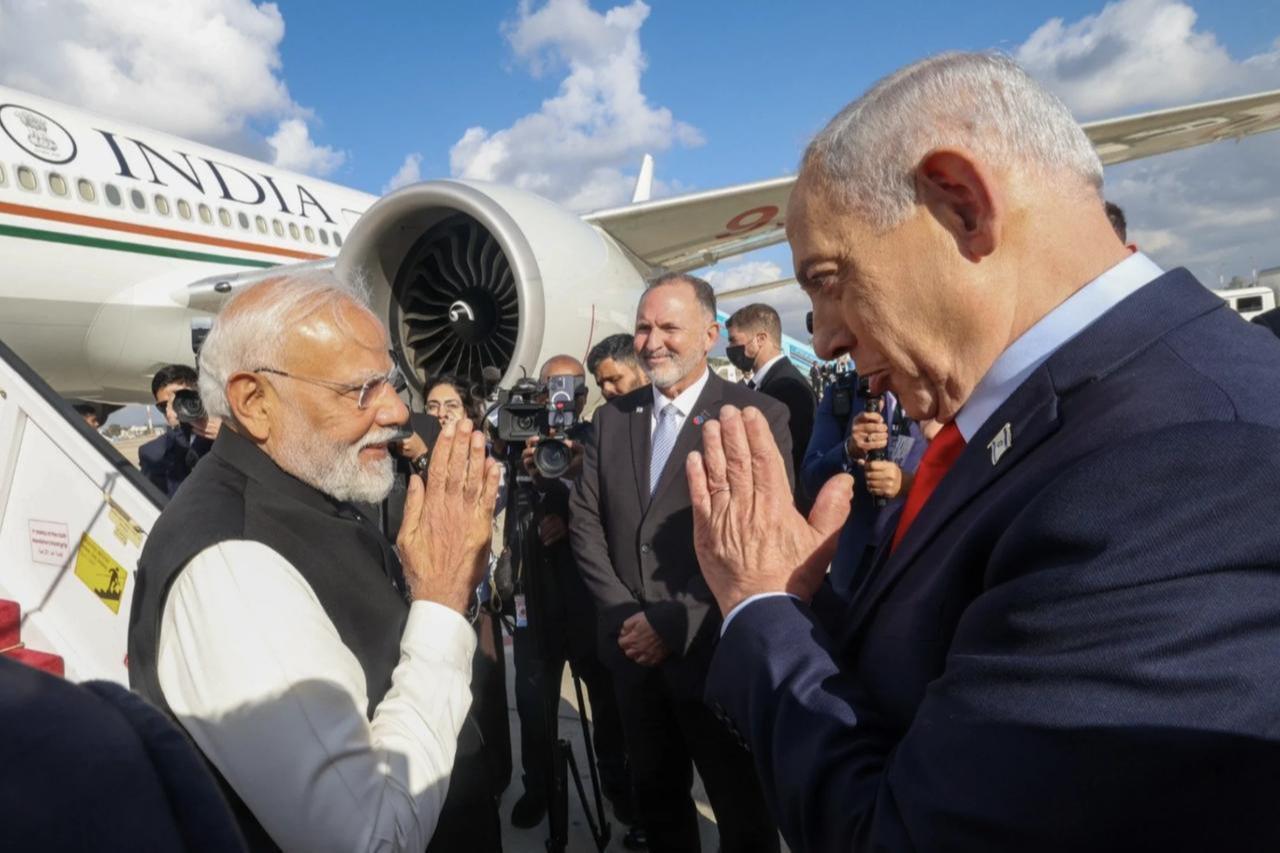
Simultaneously, India's partnerships with Israel, Saudi Arabia and the United Arab Emirates deepened at an unprecedented pace.
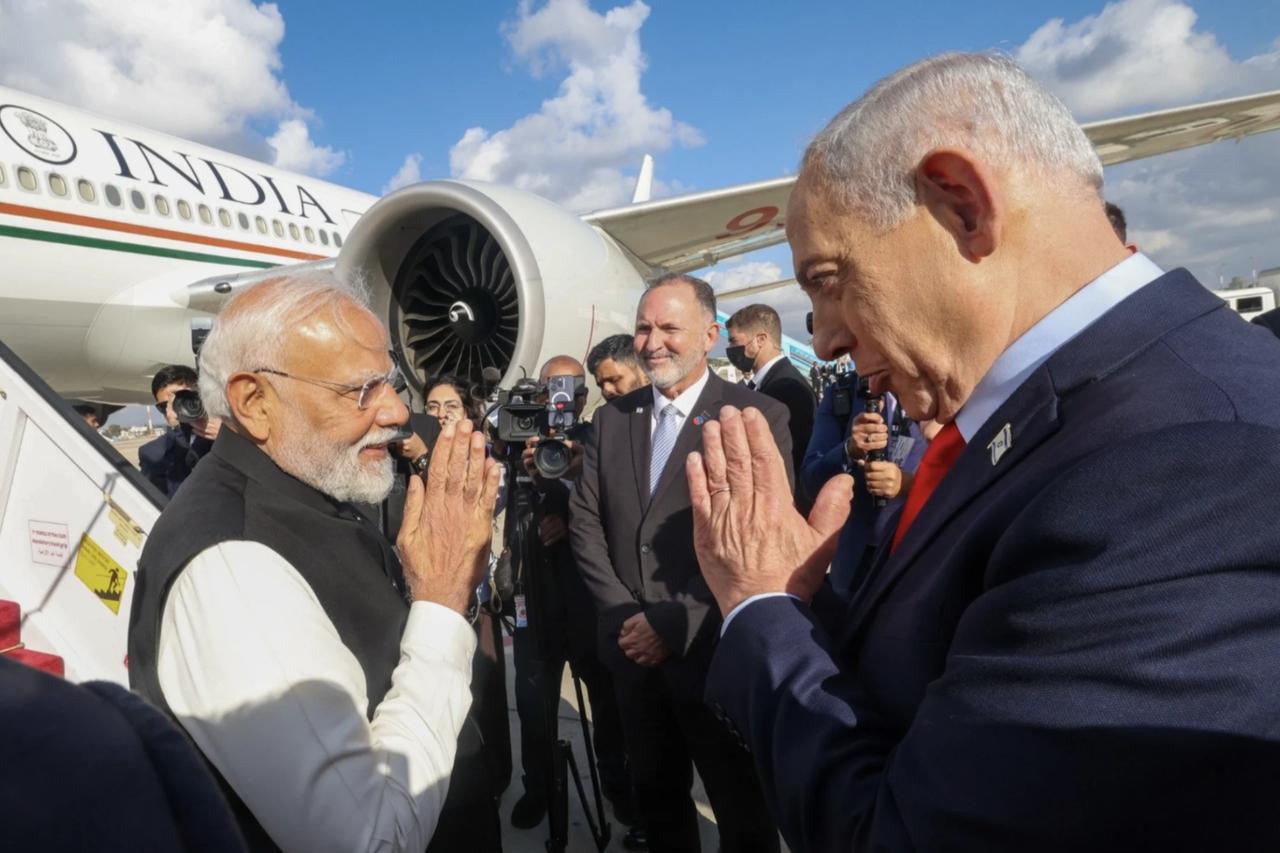
Israel has emerged as one of India's closest defense and technology partners, supplying advanced military systems, intelligence cooperation, cybersecurity capabilities and expertise in agriculture and water management.
Defense cooperation now extends beyond arms sales into research, innovation and technology transfer.
Meanwhile, the Gulf monarchies have become central to India's economic ambitions. The UAE and Saudi Arabia rank among India's largest trading partners and are increasingly important sources of investment in infrastructure, logistics, renewable energy and emerging technologies.
Millions of Indian citizens live and work across the Gulf, making regional stability directly relevant to India's economy through trade, remittances and energy security.
The India-Middle East-Europe Economic Corridor (IMEC) illustrates this evolving orientation. Unlike Chabahar, which was designed to connect India with Afghanistan and Central Asia through Iran, IMEC seeks to integrate India into a maritime economic network linking South Asia with the Gulf and Europe.
The centre of gravity of India's regional engagement is gradually shifting from continental connectivity through Iran toward maritime connectivity anchored in the Gulf.
Recent conflicts have further complicated India's diplomacy. The Gaza war and escalating tensions between Iran and Israel have narrowed New Delhi's room for manoeuvre, making it increasingly difficult to maintain equally visible political engagement with rival regional actors.
As polarization intensifies, even symbolic diplomatic decisions are interpreted through the prism of broader geopolitical competition.
India's approach has therefore evolved. During the Cold War and the decades that followed, strategic autonomy largely meant maintaining equal political distance from competing powers.
Today, it increasingly means maintaining productive relations with multiple actors while recognizing that some partnerships inevitably carry greater economic and security significance than others.
The implications of this evolution extend well beyond diplomatic symbolism.
For years, Chabahar represented India's continental vision for reaching Eurasia. IMEC reflects a maritime vision centred on the Gulf and the Mediterranean.
Together with China's Belt and Road Initiative and CPEC, these projects represent competing models of regional connectivity and influence rather than merely alternative trade routes.
This raises an important question. Can India deepen defense cooperation with Israel, expand economic partnerships with Saudi Arabia and the UAE, strengthen ties with the United States and still preserve sufficient political trust with Tehran to safeguard Chabahar's long-term strategic value?
The answer will shape more than India's Iran policy. It will influence the future balance of connectivity and influence across West Asia.
If India's political engagement with Tehran continues to diminish while its Gulf partnerships expand, Iran may increasingly turn to China and Russia for long-term investment and infrastructure cooperation.
Such an outcome would gradually reduce India's influence in one of the few regional corridors where it has sought to provide an alternative to China's growing presence.
Equally important, Pakistan could benefit indirectly if Chabahar loses momentum while Gwadar continues to expand under Chinese investment. These ports should therefore be understood not in isolation but as competing geopolitical visions tied to broader regional alignments.
India is not abandoning Iran. Chabahar, regional connectivity and access to Central Asia will ensure that Tehran remains an important partner. Yet Iran is no longer the focal point of India's West Asia strategy.
That role is increasingly occupied by the Gulf monarchies, Israel and the wider Indo-Mediterranean economic architecture that New Delhi hopes to help shape.
Whether this approach remains sustainable is the defining question. As competition between the United States and China intensifies, Iran-Israel tensions deepen and competing connectivity corridors reshape Eurasia, India's diplomatic flexibility will face increasing pressure.
The challenge for New Delhi will not be maintaining relations with every regional actor. It will be preserving enough room to protect its long-term interests in an increasingly polarized Middle East.
Ultimately, the empty chair reserved for India's prime minister in Tehran was more than a diplomatic absence. It reflected the emergence of a new regional landscape and India's evolving assessment of where its long-term interests increasingly lie.


 Set as preferred source
 Set as preferred source


 2 min read
 1 min read