Newsletters


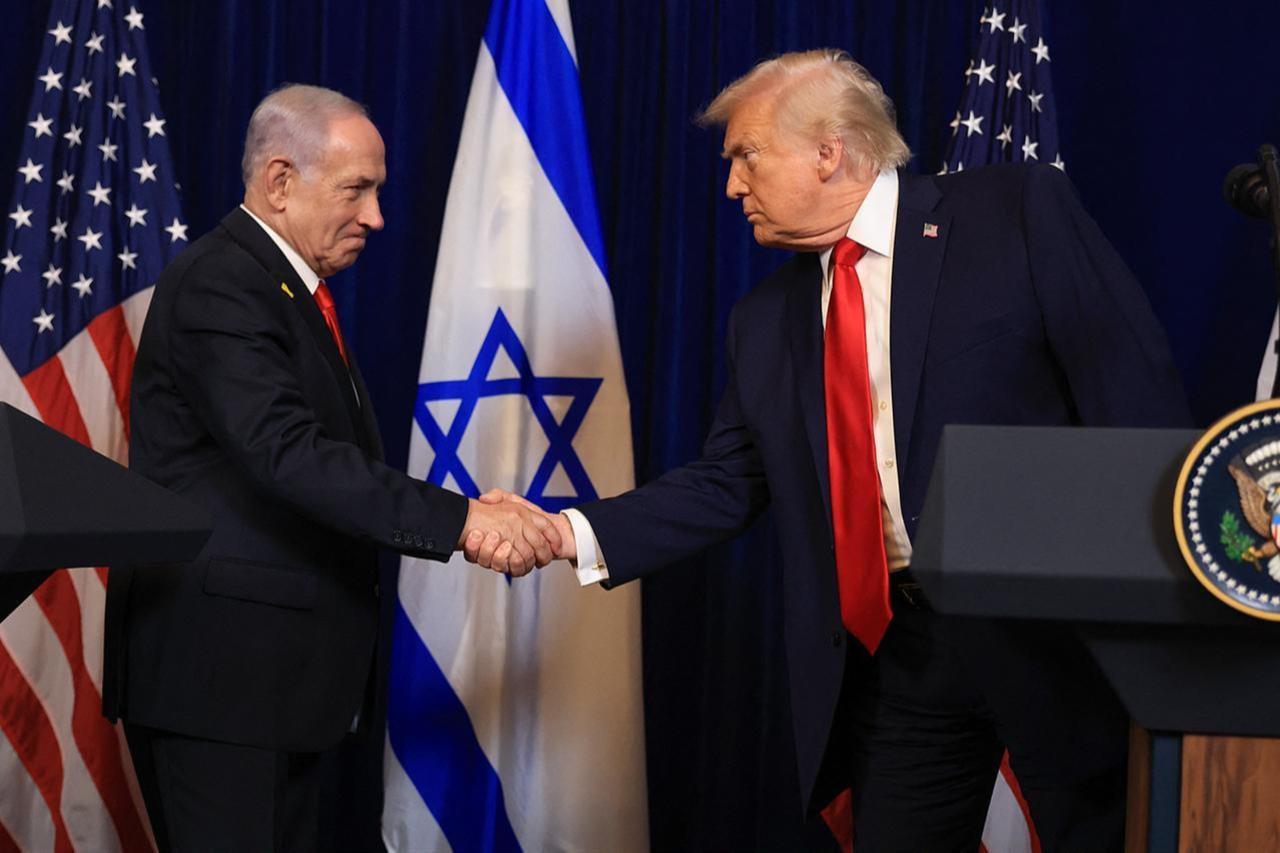


Israeli Prime Minister Benjamin Netanyahu’s meeting with U.S. President Donald Trump was of great importance for Israel, the United States, and the broader region.
However, the Turkish dimension of the meeting may have been the most critical. Netanyahu hoped to sway Trump against Türkiye, but it appears that both his charm offensive and parallel media campaign failed. The key question now is whether Israel will come to terms with the new realities and adopt a more pragmatic approach toward Ankara.
Netanyahu arrived with three Türkiye-related files on his agenda.
The first concerned his effort to prevent Türkiye from emerging as a competitor to the Israeli Air Force. Netanyahu argued that U.S. law obliges Washington to preserve Israel’s qualitative military edge.
However, under American regulations, Türkiye is part of Europe and falls under EUCOM, placing it outside the scope of the legal framework Netanyahu sought to invoke. His lobbying against Türkiye’s access to the F-35 fighter jets failed—at least at the level of the U.S. president.
Whether Türkiye will ultimately rejoin the F-35 program, however, goes beyond Trump’s opinion and will depend on broader institutional and political dynamics in Washington and Ankara.
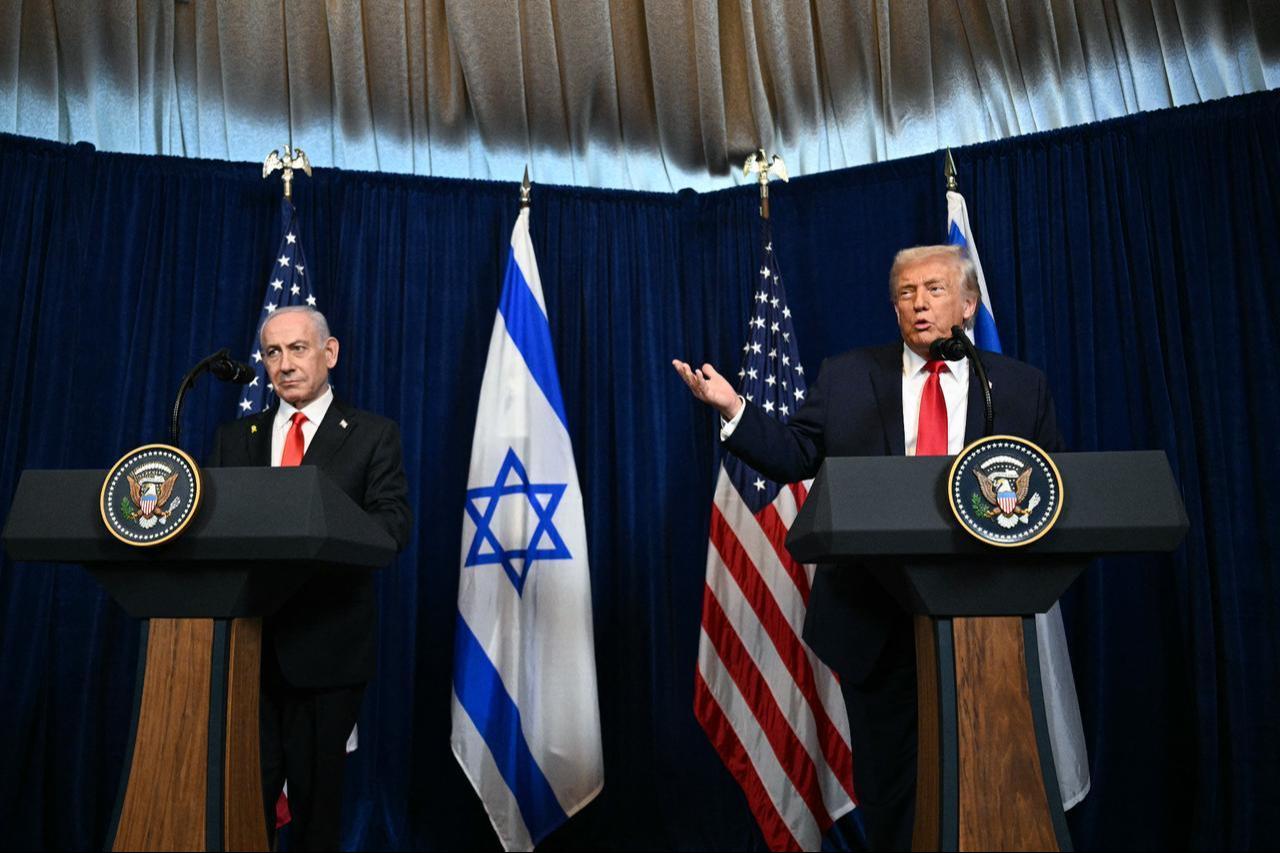

The second issue was Syria. Netanyahu’s approach to Syria is clearly at odds with Trump’s vision.
Notably, Israel currently shares a convergence of interests with Iran when it comes to destabilizing Syria. Trump was explicit in stating that he wants Israel to come to terms with the Syrian government.
Moreover, he reiterated his desire to work with Türkiye in Syria, delivering a clear rebuff to Israeli efforts to portray Türkiye’s role as problematic.
Netanyahu appears to have failed to grasp that Trump sees significant economic opportunities in Syria’s reconstruction.
For those profits to materialize, Syria must remain stable. Achieving that stability requires greater Turkish involvement and Israeli restraint.
 1 min read
The third—and perhaps most strategic—issue was Gaza. Trump reiterated his intention to include Turkish forces in an international stabilization force.
He understands that such a force cannot succeed without Türkiye, particularly given the reluctance of many countries to contribute troops. Excluding Türkiye would risk undermining the entire initiative.
For Israel’s far right, accepting a Turkish role means abandoning ambitions associated with the “Greater Israel” project.
Yet, those hardliners must ultimately confront reality: if they were unable to annex Gaza after Oct. 7, they will never be able to do so.
If Israelis were to assess the situation more objectively, a Turkish role in an international stabilization force would enhance regional security—including Israel’s own security.
To conclude, if I were to summarize how the meeting went for Netanyahu regarding his ambitions vis-à-vis Türkiye in football terms, the score would read:
Erdogan 3 – 0 Netanyahu.


 Set as preferred source
 Set as preferred source


 1 min read