Newsletters


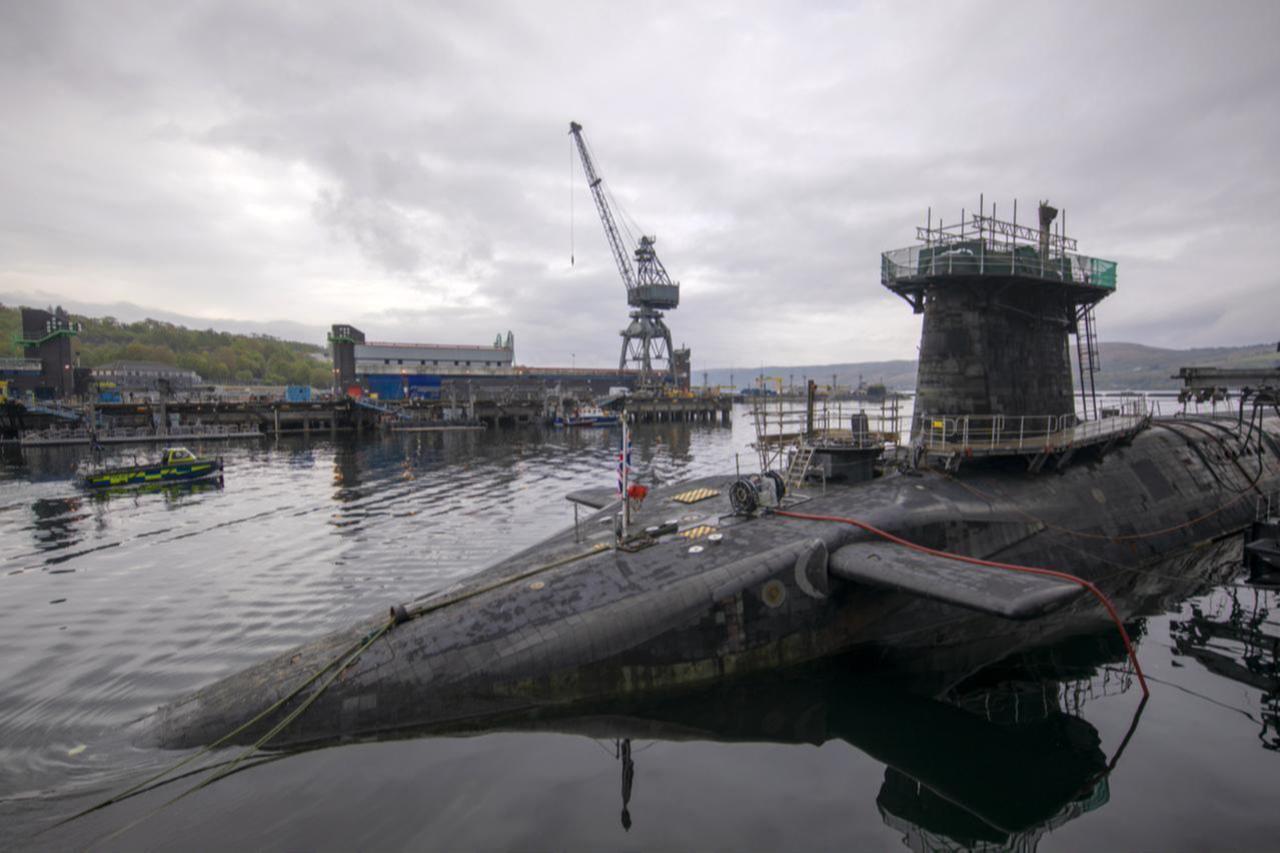


South Korea’s pursuit of nuclear-powered submarines initially appears to be a familiar security story.
North Korea continues to conduct missile tests, expand its nuclear capabilities, and periodically raise tensions on the Korean Peninsula. In such an environment, Seoul’s interest in a more advanced deterrence capability is hardly surprising.
What makes this story interesting, however, is not only what South Korea appears to want, but what it repeatedly insists it does not want.
Seoul does not officially seek a nuclear bomb. What Seoul says it wants is a nuclear engine.
At first glance, that distinction sounds technical. Even reassuring. There are no nuclear warheads involved. No mushroom clouds. No intercontinental missiles. None of the classic imagery that immediately triggers international panic.
Yet modern security politics often operates precisely this way: important strategic shifts can hide inside technical language that initially appears harmless.
The nuclear gray zone of the 21st century may no longer lie only at the tip of the bomb, but also inside the engine of the submarine.
This is why South Korea’s decision to formally begin the process of acquiring nuclear-powered submarines cannot simply be read as an ordinary defense modernization effort. According to reports, the South Korean Navy has already submitted documentation to the Joint Chiefs of Staff outlining the program’s necessity, required operational capabilities, number of platforms, and projected deployment timeline.
The process is expected to move through preliminary research, feasibility reviews, budget negotiations, and eventual development stages. Seoul is reportedly considering building at least four 5,000-ton nuclear-powered submarines sometime after the mid-2030s.
These details may sound dry and technical. But the political significance lies precisely there. South Korea is no longer merely discussing a vague future ambition. It appears to be institutionalizing the process. The conversation seems to be moving beyond “whether this could happen” to “how, when, and under what conditions it might happen.”
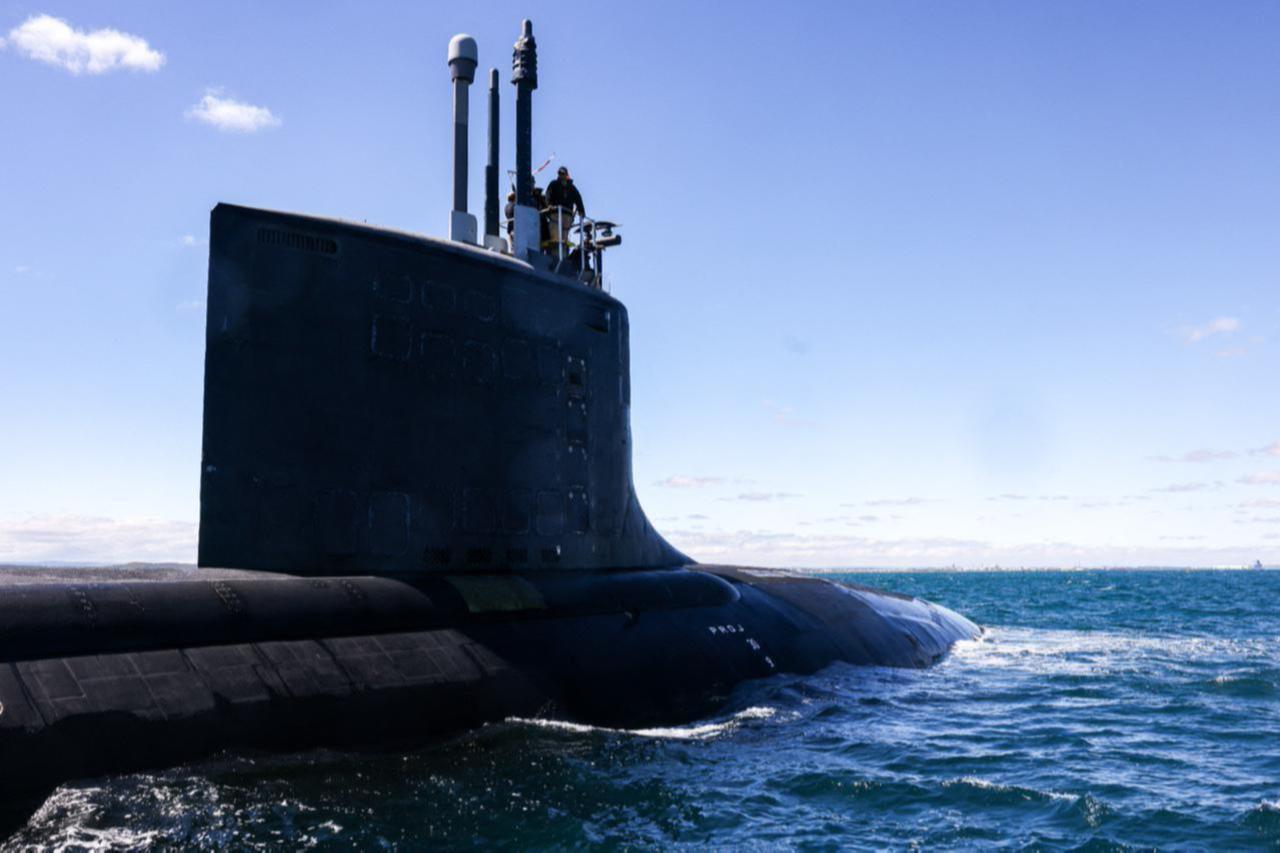

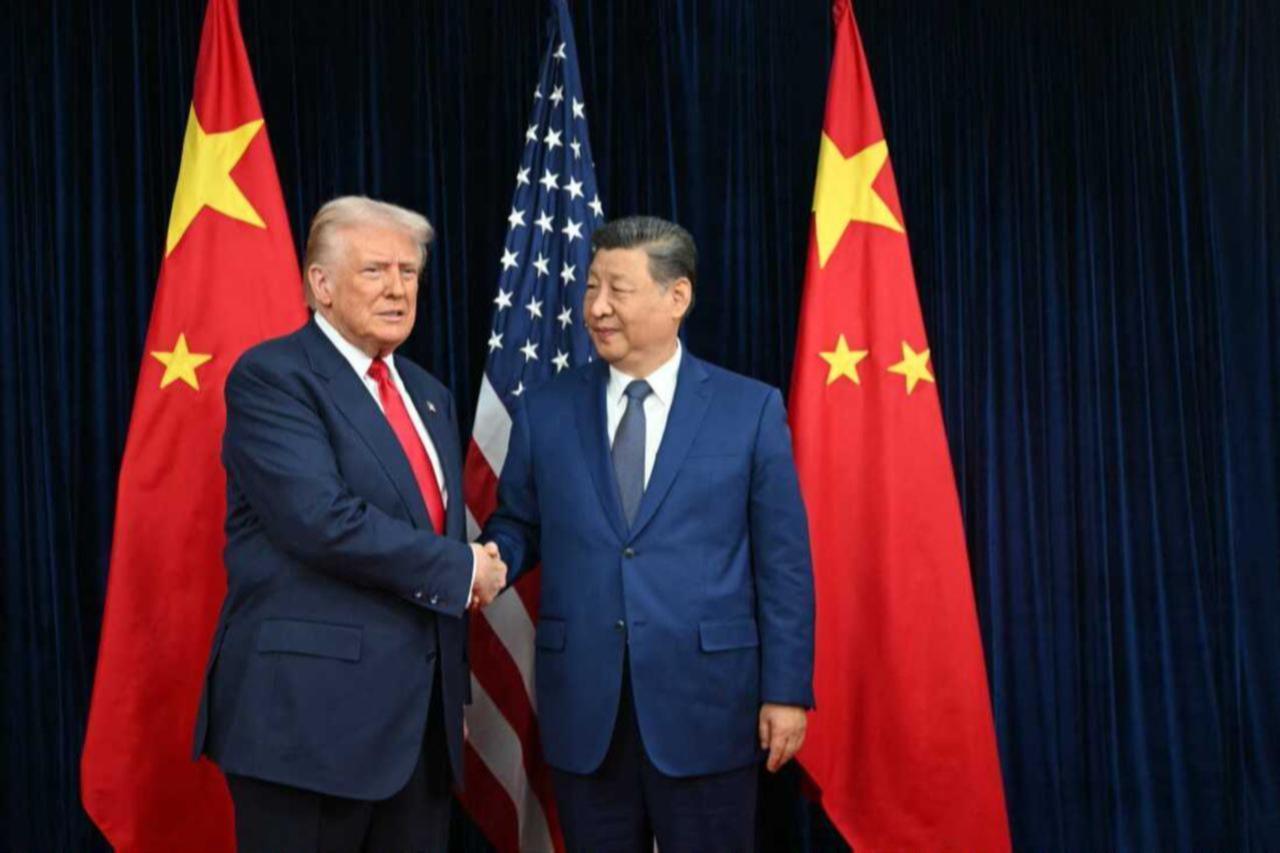
At this point, the United States becomes central to the story. Following a leaders’ summit, Washington released a joint information sheet expressing support for South Korea’s plans to build nuclear-powered attack submarines and pledged to work with Seoul on advancing the project’s requirements.
More importantly, the United States reportedly backed South Korea’s efforts to secure rights related to uranium enrichment and spent fuel reprocessing.
This is where the discussion becomes significantly more sensitive.
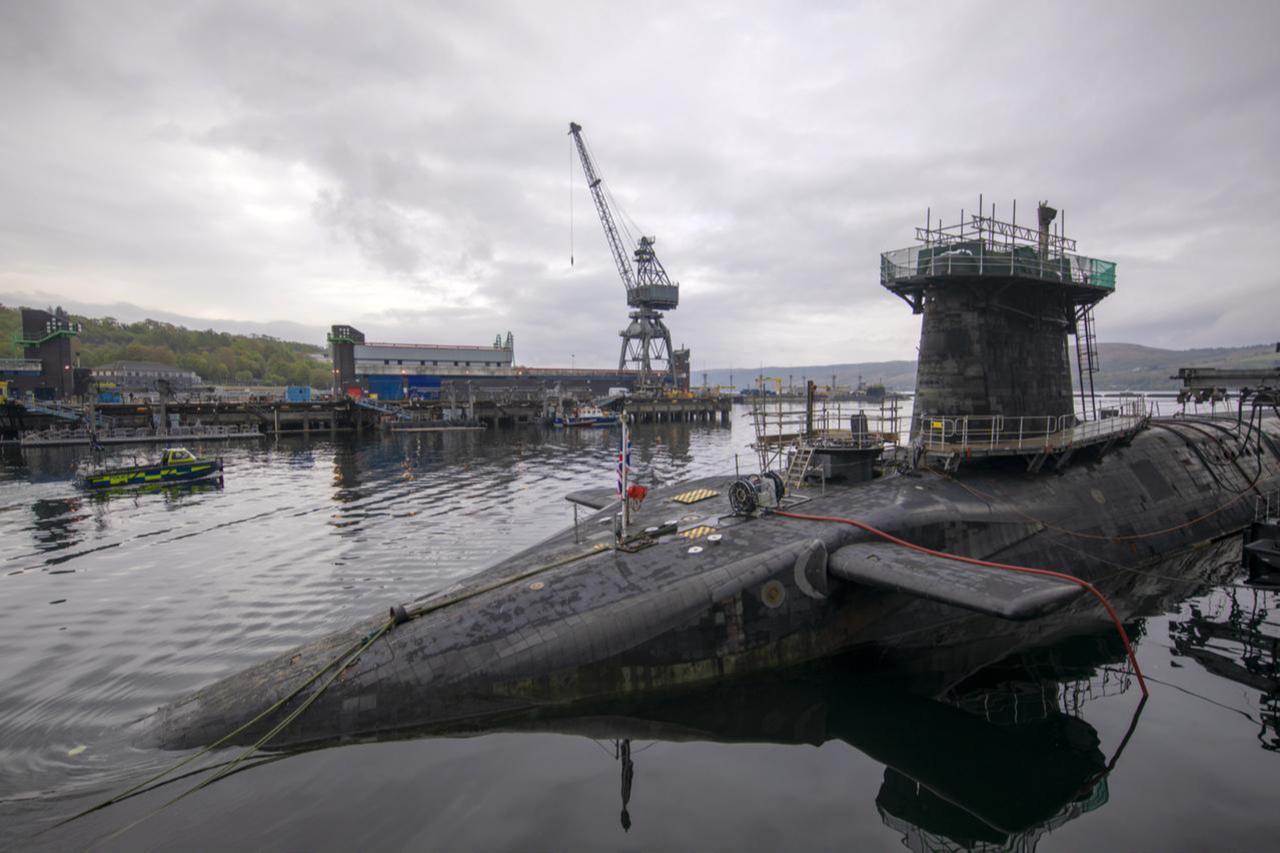
Because a nuclear-powered submarine is not a nuclear weapon. It is still one of the most strategically consequential military applications of nuclear technology, though.
A submarine powered by a nuclear reactor can remain underwater far longer, operate across much greater distances, and function as a far more difficult military asset to detect. In other words, it has the potential to alter the strategic balance without ever carrying a nuclear warhead.
AUKUS, the security partnership between the United States, the United Kingdom, and Australia already opened a similar door by enabling the transfer of nuclear-powered submarine technology to Australia.
Canberra would not acquire nuclear weapons; the submarines would remain conventionally armed.
Nevertheless, AUKUS helped normalize the idea that a non-nuclear-weapon ally could gain access to highly advanced military nuclear technology.
Today, South Korea’s ambitions may become the second major test of that normalization.
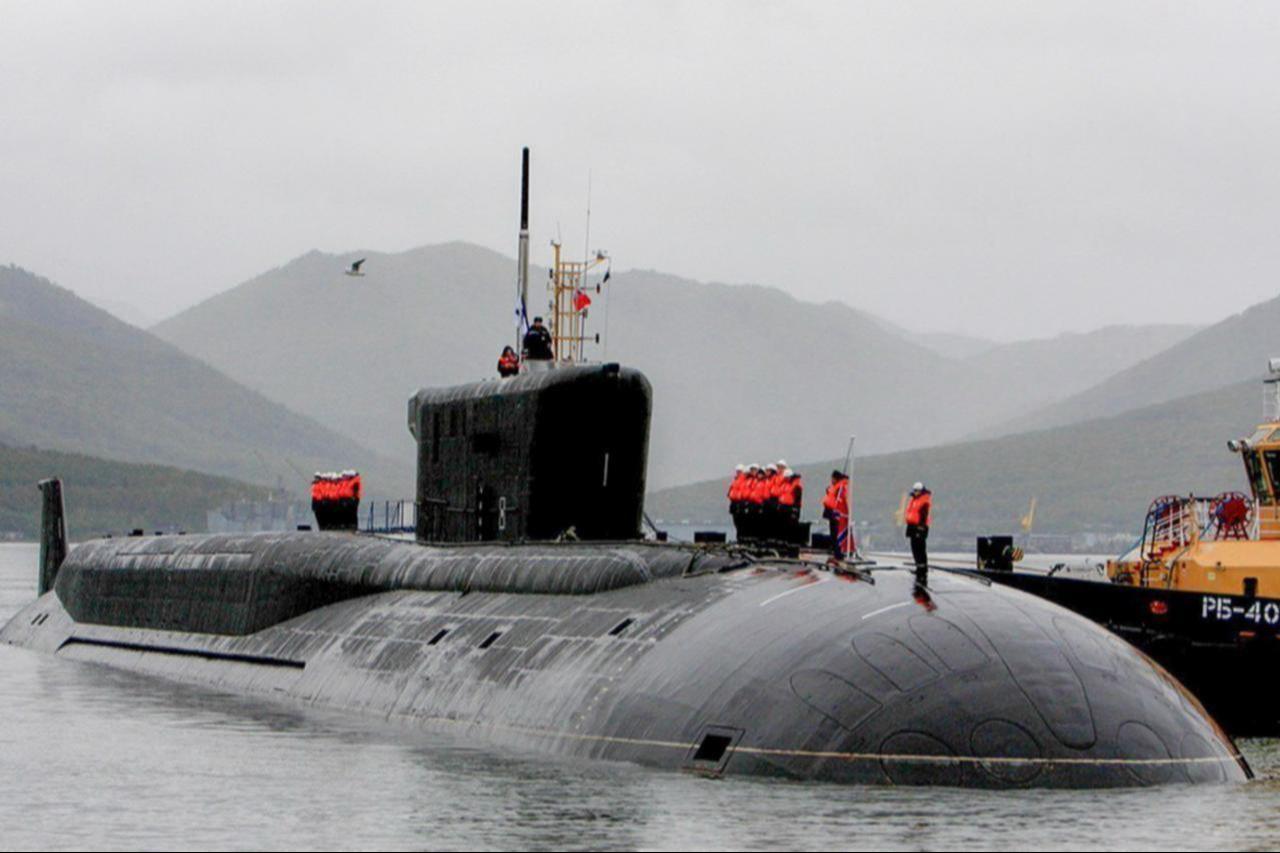
From China’s perspective, this development would almost certainly be viewed through a much broader strategic lens. Beijing already tends to see the United States’ efforts to integrate its Indo-Pacific allies into advanced military frameworks as part of a wider containment strategy.
South Korea’s nuclear-powered submarine program could reinforce exactly that perception. Because for China, the concern may not simply be that South Korea acquires several submarines. The concern may be that the model introduced through AUKUS becomes replicable.
Today Australia. Tomorrow South Korea. Perhaps another ally after that.
One of the most uncertain aspects of South Korea’s program is precisely the fuel issue. Reports suggest it remains unclear how Seoul would secure the fuel necessary for submarines powered by small nuclear reactors.
South Korea may ultimately require a special agreement with Washington permitting the transfer of nuclear material for military use.
That detail reveals why this discussion cannot be reduced to defense technology alone. Because once the conversation turns to nuclear propulsion, it inevitably becomes a conversation about nuclear material, nuclear regulation, nuclear oversight, and nuclear trust.
South Korea remains a signatory to the Nuclear Non-Proliferation Treaty (NPT) and officially maintains that it has no intention of acquiring nuclear weapons. For that reason, Seoul’s submarine ambitions cannot simply be described as a direct violation of the treaty.
Yet this is precisely where the gray zone emerges. The NPT was primarily designed to prevent the spread of nuclear weapons, while military-but-non-weapon applications such as naval nuclear propulsion occupy one of the treaty’s most ambiguous spaces.
This does not automatically mean South Korea is undermining the NPT. But it does raise difficult questions about how effectively the non-proliferation regime can distinguish between nuclear weapons and advanced military nuclear infrastructure.
And perhaps that is the broader transformation now unfolding.
During the Cold War, nuclear power was largely associated with visible threats: missile silos, warheads, and explicit deterrence doctrines. Today’s Indo-Pacific competition is quieter, more technical, and more bureaucratic in appearance.
The issue is no longer simply who possesses the bomb. It is also who possesses the infrastructure, the fuel access, the technological integration, and the strategic invisibility associated with advanced nuclear capability.
South Korea is expected to unveil a more detailed roadmap for the program soon. That roadmap will likely emphasize the project’s defensive nature, its compatibility with international non-proliferation obligations, and its projected timeline.
The language will matter. Because Seoul will not only be attempting to build submarines. It will also be attempting to persuade the world that this represents defense modernization rather than nuclear proliferation.
Perhaps that is becoming the defining diplomatic skill of this era: approaching nuclear capability while convincing the world that one is not becoming nuclearized.
For this reason, South Korea’s move may reflect how nuclear boundaries are beginning to stretch in the post-AUKUS era.
American allies without nuclear weapons are increasingly moving closer to the strategic core of the nuclear age without explicitly requesting warheads themselves.
In the short term, this may strengthen South Korea’s security posture. In the long term, however, it may deepen the region’s security dilemma. What one side views as defense, another may interpret as encirclement. What one actor calls deterrence, another may perceive as escalation.
Perhaps this is how the next nuclear era will emerge.
Not necessarily through mushroom clouds, but through technical agreements. Not through warheads, but through fuel arrangements. Not through overt nuclear threats, but through highly reasonable phrases such as “conventionally armed nuclear-powered submarines.”
Because the issue may no longer be simply who possesses the bomb.
It may also be whose engine has become nuclear.


 Set as preferred source
 Set as preferred source


 1 min read
 1 min read