Newsletters


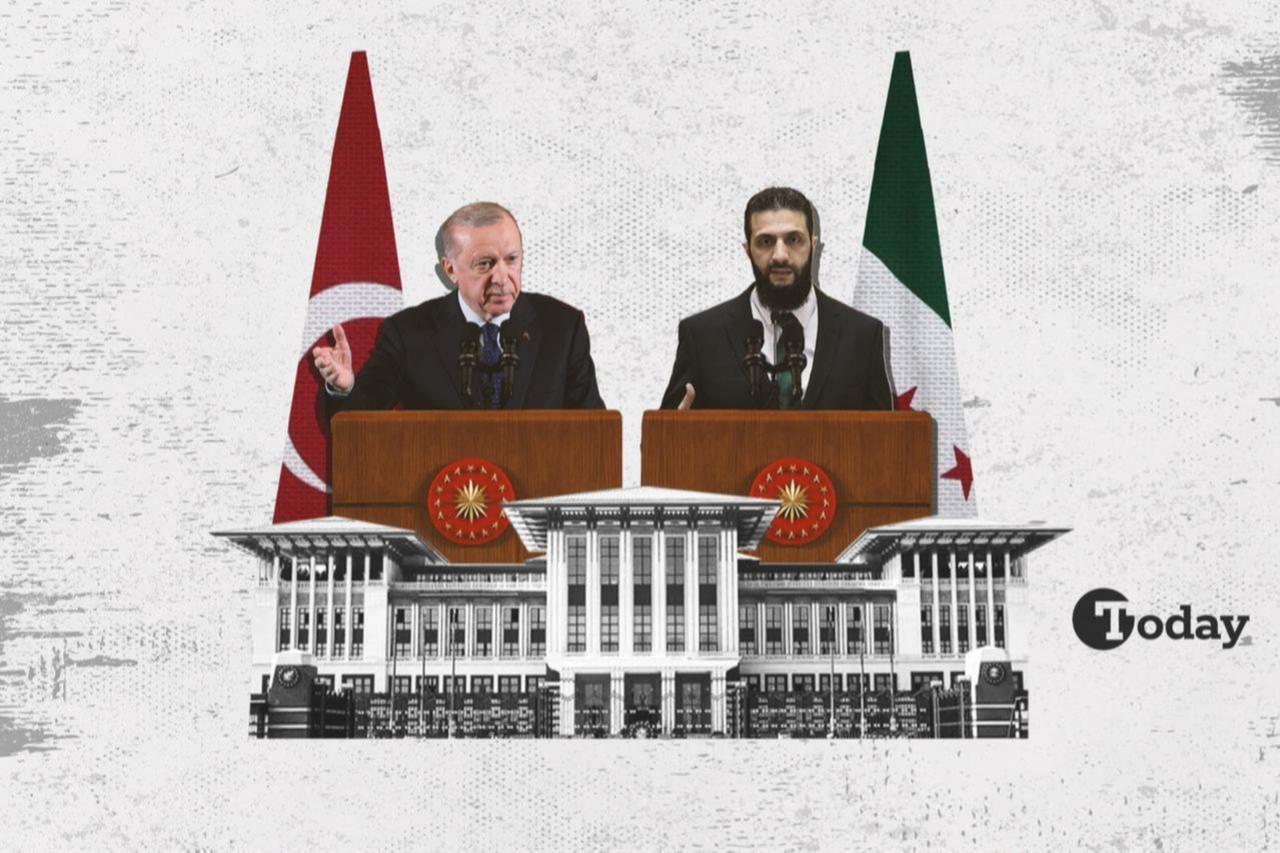


Since U.S. President Donald Trump's inauguration, European members of NATO have grown increasingly uneasy about how much—and for how long—they can count on the U.S. to safeguard their security.
Trump has repeatedly questioned the alliance structure and the American commitment to European security. In that manner, the current NATO summit in Ankara is a golden opportunity for European alliance members to mend ties inside NATO and to discuss a new strategic vision for their security.
Trump reportedly agreed to join the summit largely because of his personal rapport with Turkish President Recep Tayyip Erdogan.
In effect, Erdogan is serving as a bridge for his European allies—helping them reach Trump, win him over, and settle on a workable path forward at what many officials describe as one of the most strategically important NATO summits in years.
However, an angle is often overlooked. In retrospect, when the Syrians toppled the Assad regime and resolved the SDF issue, they also helped save NATO. How? Let me explain.
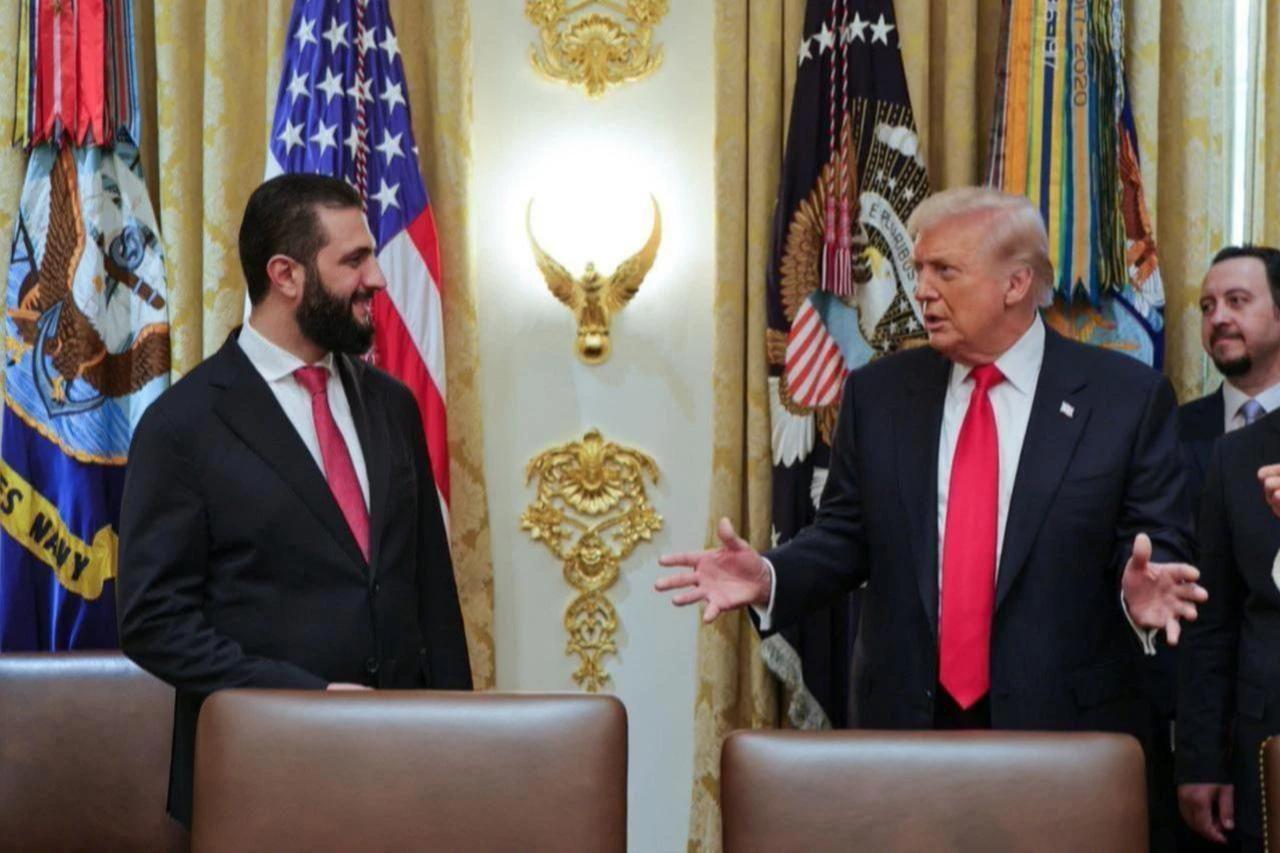

In November 2019, the French President Emmanuel Macron made a very significant statement. He stated that NATO is brain dead and underlined that the alliance will not come to the rescue of Türkiye if Russia attacks and kills Turkish soldiers stationed in Syria.
The Turkish soldiers who protected around 5 million Syrians in northwestern Syria were attacked in February 2020 and 34 of them lost their lives. Putting aside what happened in Syria, the statement by Macron is strongly at odds with how Europe feels today following the Russian invasion of Ukraine.
 1 min read
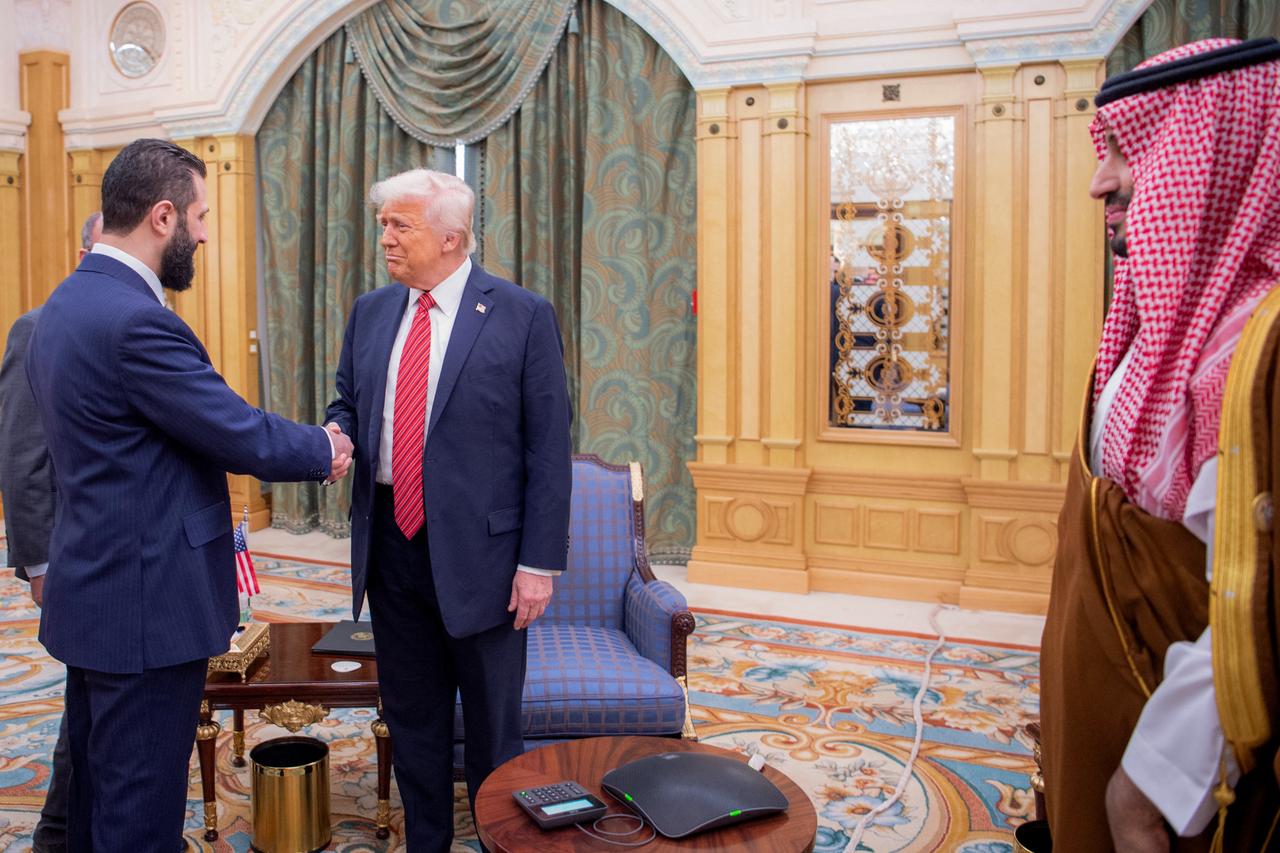
The same Macron who threw Türkiye under the bus is now counting on it to help defend Europe against Russia and to mediate between Washington and European NATO allies.
This shift in Macron's position—echoed by other European NATO members as well—stems from years of disagreement over the SDF in northeastern Syria. For years, Türkiye's relationship with NATO allies deteriorated over the SDF issue and Syria policy more broadly.
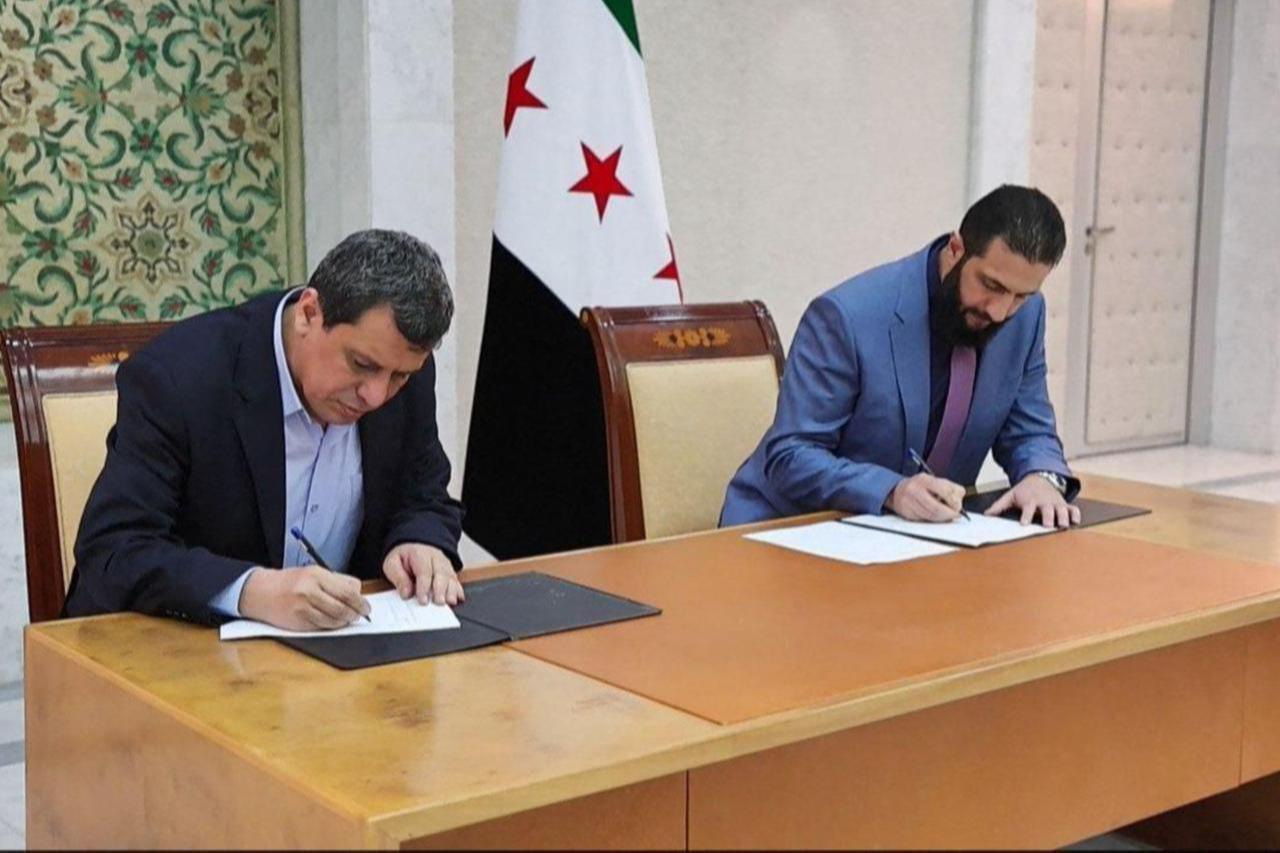
As the Turkish foreign minister stated publicly, when the Syrian government largely resolved the SDF issue in northeastern Syria in January, they also restored Turkish-American and Turkish-European relations, which were already improving.
With the absence of the last hurdle, Türkiye’s position within NATO shifted from the outsider to the mediator.
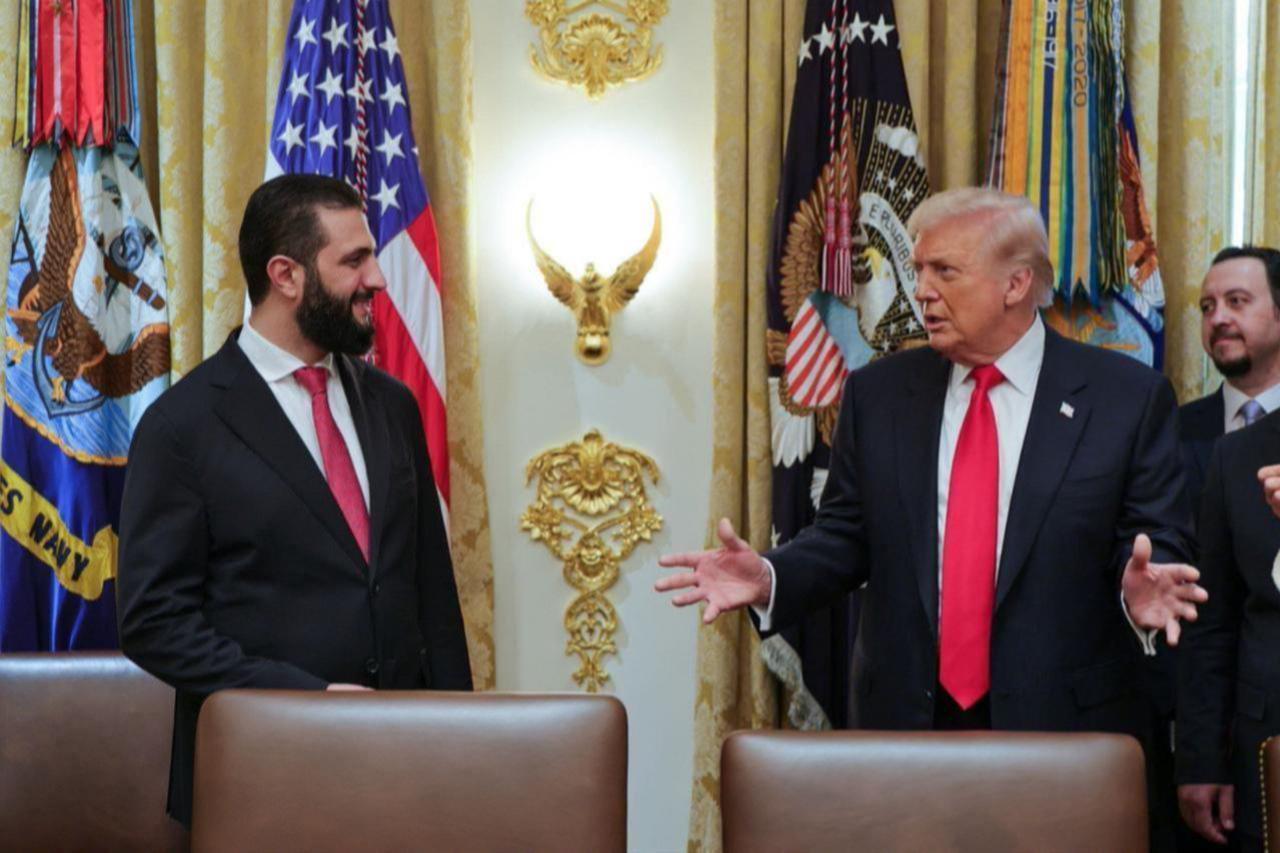
As European NATO allies thank the Turkish president for convincing Trump to attend the summit, they should also be asking themselves a harder question: how did a relatively minor issue like northeastern Syria end up overriding broader geostrategic interests?
They may find some relief in the fact that the Syrians themselves ultimately resolved the issue for them.


 Set as preferred source
 Set as preferred source


 1 min read