Newsletters


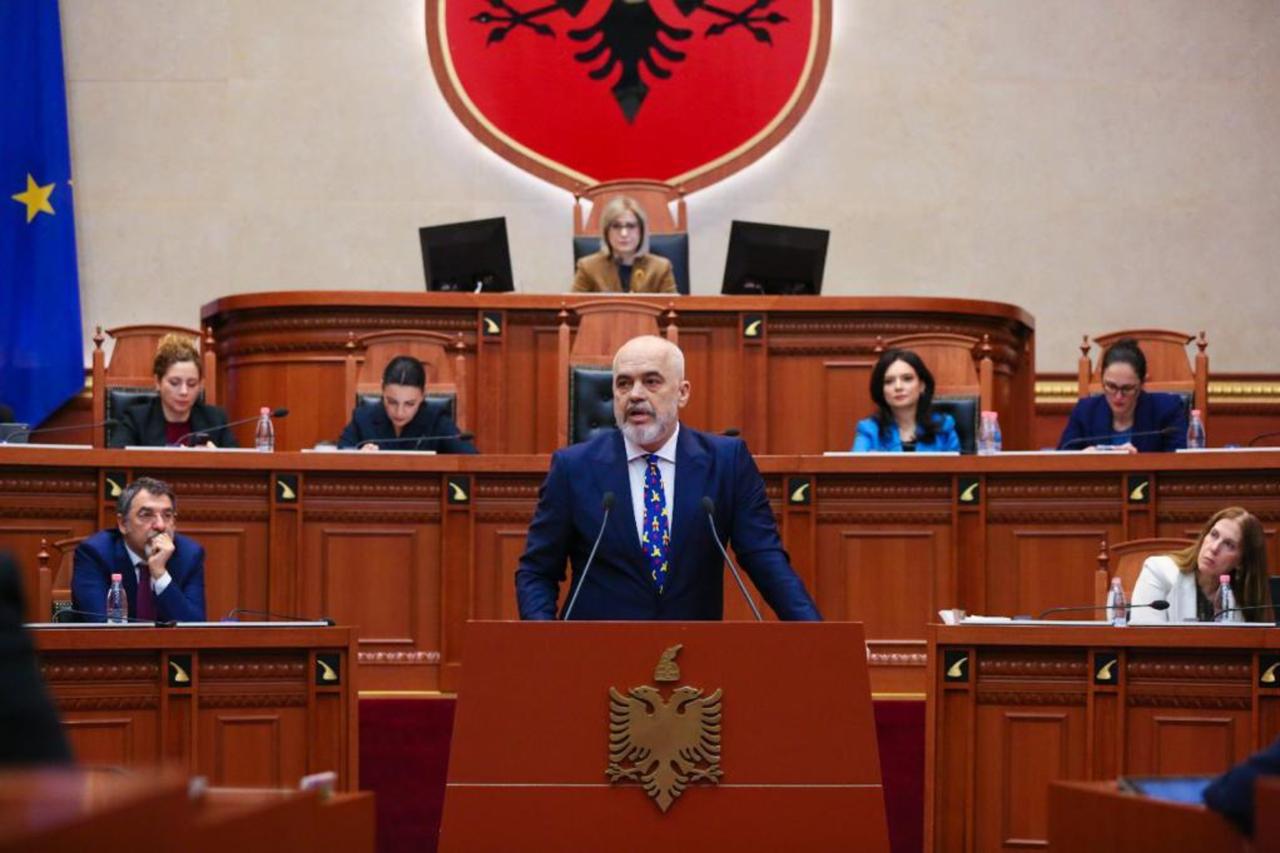


There is a paradox at the center of Albania’s current political moment.
The same government that spent a decade building an independent judiciary now finds itself in a constitutional dispute with it.
The same prime minister who carried the political burden of justice reform is now accused of trying to restrain it.
And the same international partners who once urged Albania to build powerful institutions now risk appearing as referees in a domestic institutional conflict.
This is not a crisis of democracy. It is democracy doing what democracies inevitably do: testing the limits of power.
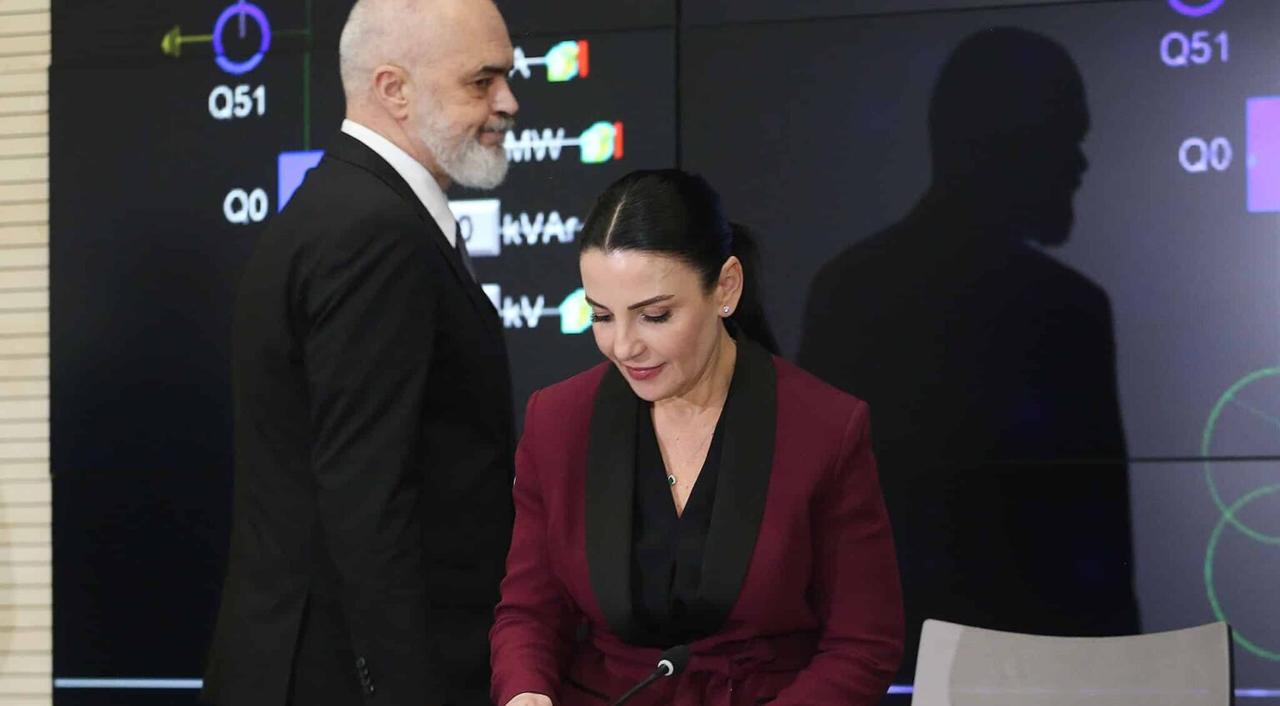
The case surrounding the suspension of Deputy Prime Minister Belinda Balluku has exposed a question that no reform, however ambitious, could avoid forever: where does judicial authority end and political authority begin? That is not a scandal. It is a constitutional moment.
Every serious democracy eventually confronts one.
Italy lived through it during the Mani Pulite era, when prosecutors became the most powerful political actors in the country. Israel has wrestled with it for decades in battles between the courts and elected governments. The United States has seen it in clashes between presidents and special counsels. None of these conflicts meant the end of democracy. They were signs that democracy was alive, contentious, and unsettled.
Albania has now reached its own version of that moment.

Independent prosecutors are essential. But independence does not mean supremacy. A prosecutor’s office is not a fourth branch of government. Nor is a trial court meant to function as an unelected political actor capable of reshaping the executive through procedural decisions alone.
When such tensions arise, the answer is not panic or pressure. The answer is constitutional clarity.
That clarity, in a parliamentary republic, comes from the elected legislature. Parliament defines the rules under which institutions operate. It expresses the sovereignty of the people.
And it carries the responsibility to set the legal boundaries between the branches of government when those boundaries become blurred.
Prime Minister Edi Rama’s decision to pursue amendments to the penal framework should be understood in this light.
It is not an attack on judicial independence. It is an attempt to define the limits of institutional power. It is the political system doing what it is meant to do: shaping the architecture within which justice operates.
The alternative is far more dangerous. A system in which prosecutors can, without clear constitutional standards, suspend members of the executive branch risks creating an imbalance no democratic constitution is designed to tolerate.
No republic can function if one branch acquires the practical ability to paralyze another through procedural measures alone. That is not the rule of law. It is institutional drift disguised as legal rigor.
It is also worth stating something that should be obvious in any democracy: believing in the innocence of a minister is not a crime.
Nor is it an abuse of power for a prime minister to express confidence in a member of his government before a court has reached a final verdict. The presumption of innocence is not a technicality. It is the moral foundation of the rule of law.
Political actors are not required to treat every prosecutorial action as sacred. Suspicions that a case may involve overreach, misinterpretation, or even political engineering are not acts of subversion.
They are part of democratic life. Elected officials have the right, and sometimes the duty, to question the limits of prosecutorial authority. To dismiss those concerns automatically is to elevate prosecutors into a class of officials beyond scrutiny, something no constitutional democracy should accept.
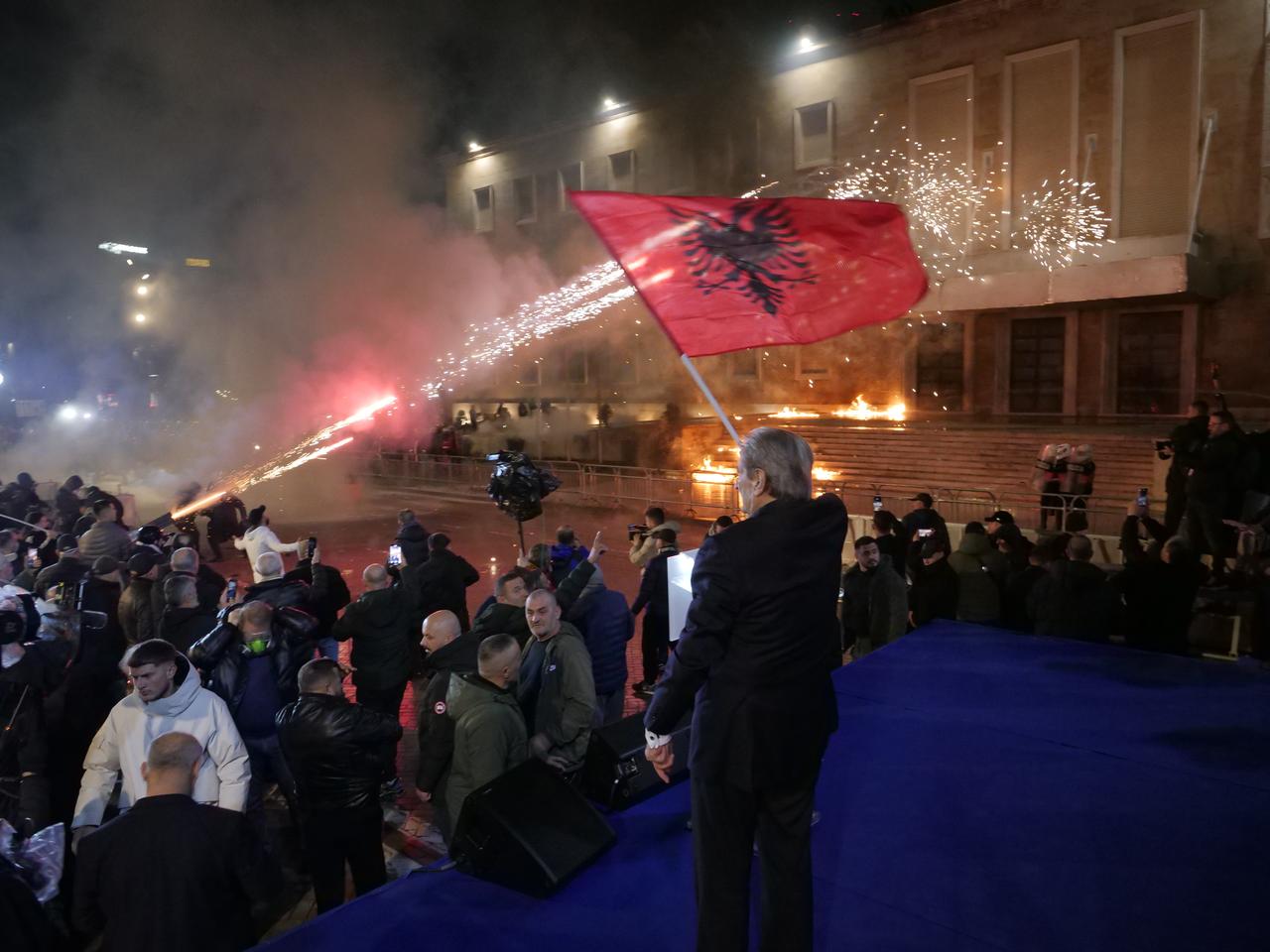
International partners should be especially careful in moments like this. Albania’s justice reform was supported and encouraged by Western allies, above all the United States. That support was indispensable. But supporting institutions is not the same as taking sides in disputes between them.
When a constitutional balance is being negotiated, the worst signal outside actors can send is that they favor one branch over another.
The credibility of judicial independence depends on the perception that it is not the instrument of political forces, domestic or foreign. Justice that appears externally tutored quickly loses internal legitimacy.
Albania is not a laboratory for institutional experiments, and it is not a protectorate where constitutional lines are drawn abroad. It is a sovereign parliamentary democracy. Its citizens elect their representatives.
Those representatives form a government. And that government, together with Parliament, bears responsibility for ensuring that the system functions stably and constitutionally.
None of this absolves political leaders of scrutiny. Ministers and prime ministers must be investigated when credible allegations arise.
Presumption of innocence is not immunity, and institutional status is not a shield against the law. But prosecutorial authority is not a license to disrupt the constitutional order without clear legal limits.
The principle is simple: no branch of government may dominate another. Checks and balances are not decorative features of democracy. They are its load-bearing walls.
What Albania needs now is not lectures from abroad or institutional brinkmanship at home.
It needs a sober constitutional settlement—one that preserves judicial independence while preventing the concentration of power in any single branch.
That settlement must be crafted in Tirana, debated in Parliament, and judged by the Albanian people.
Democracies are not measured by the absence of conflict between institutions. They are measured by how those conflicts are resolved.
If Albania resolves this one through law, debate, and constitutional procedure, it will not be a setback.
It will be proof that its democracy is finally growing up.


 Set as preferred source
 Set as preferred source


 2 min read


 1 min read