Newsletters




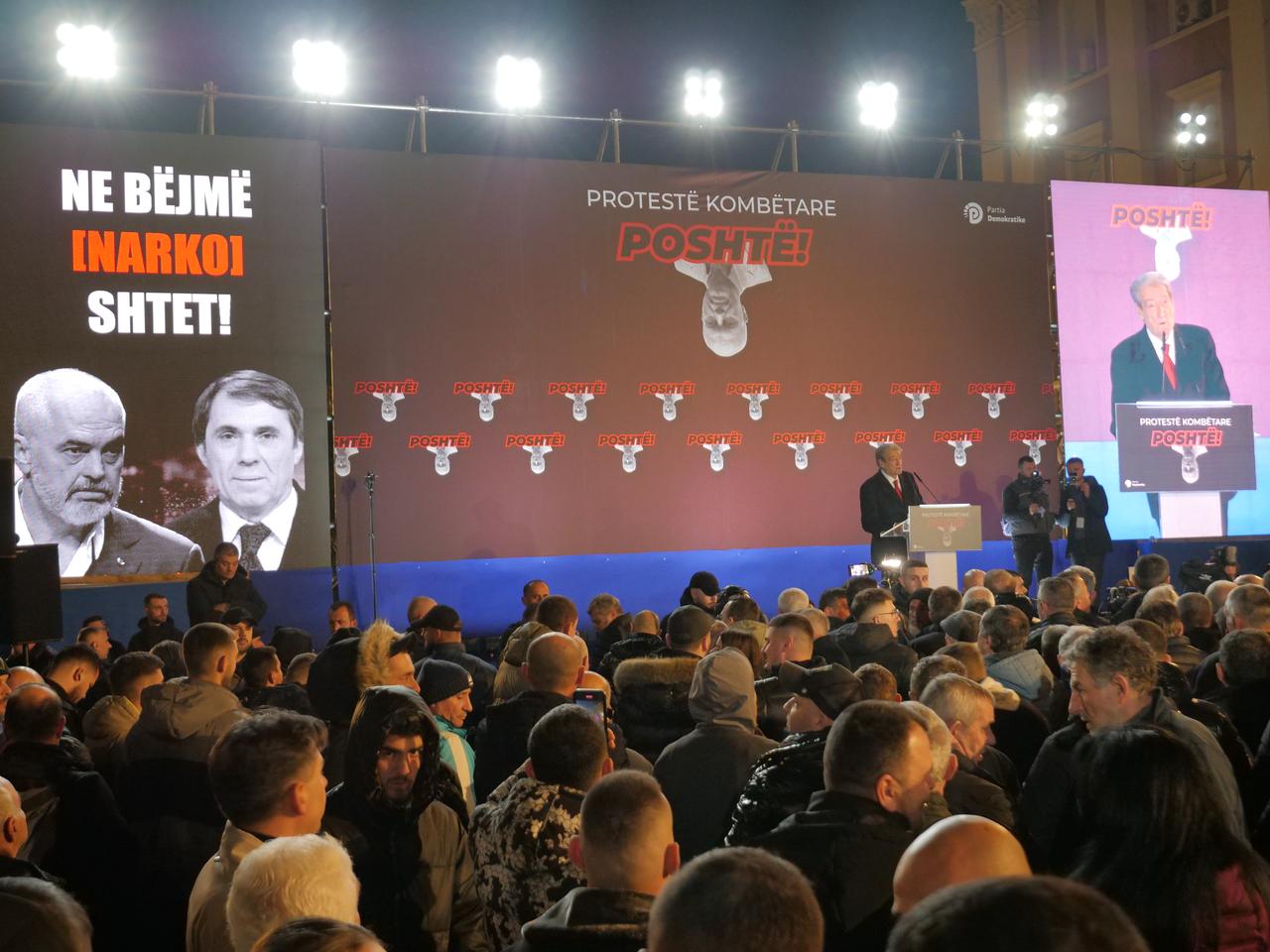
There is something wearily familiar about the charge that Albania has become a “narco-state.” It belongs to a style of politics that confuses accusation with argument and outrage with proof.
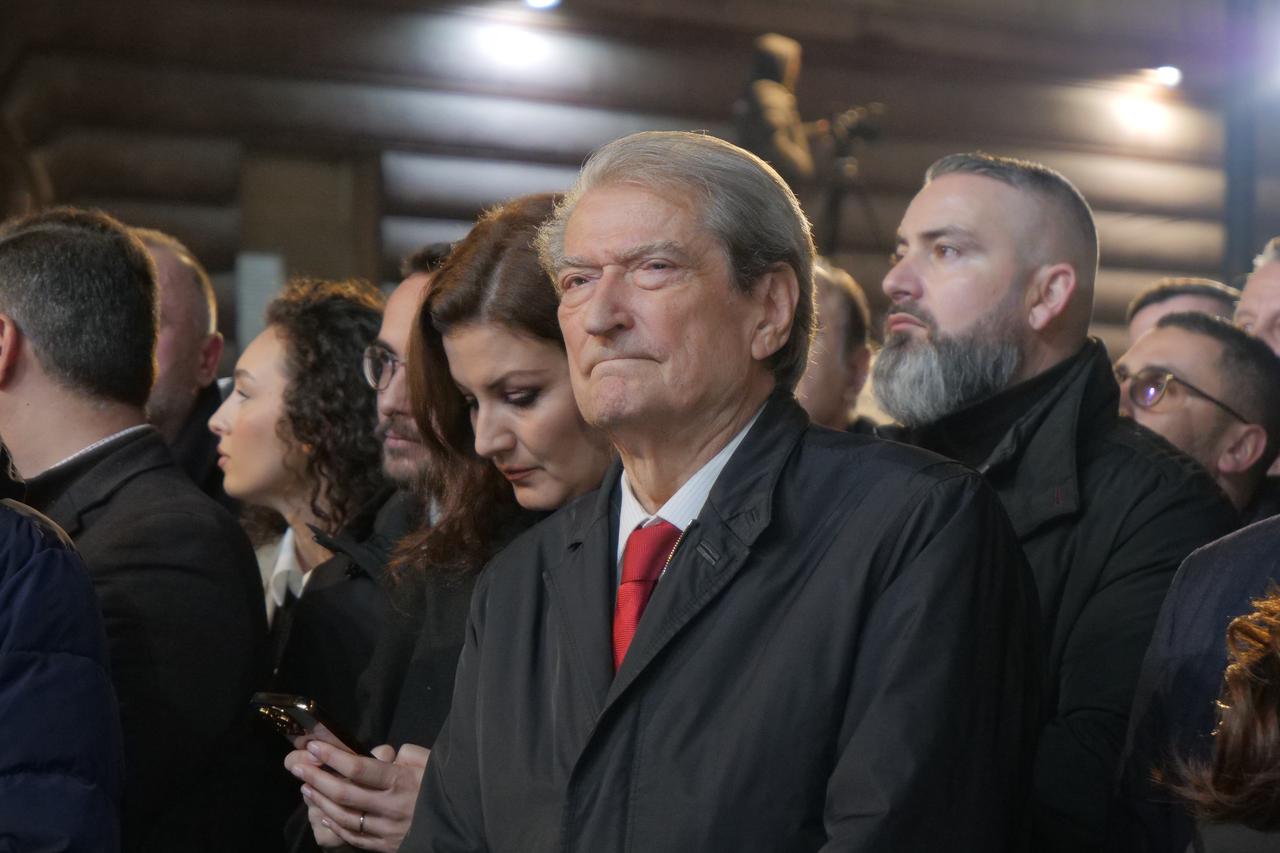
The most persistent author of this claim is Sali Berisha, who now presents his country as a criminal enterprise and its prime minister as a Balkan stand-in for Hugo Chávez’s successor.
This is not opposition. It is reputational arson.
The vocabulary is revealing. Narco-state. Ramaduro. These words are not chosen for Tirana. They are chosen for Washington. They are meant to summon memories of Medellín in the 1980s and Caracas today. They convert a domestic political defeat into something that sounds like a foreign-policy emergency.
If Albania is run by drug cartels, elections are meaningless. If the prime minister is a tropical autocrat in European dress, democracy is theater. And if democracy is theater, then the man making the accusation becomes, by default, the understudy waiting in the wings.
It is a clever maneuver. It is also a destructive one.

No serious observer denies that Albania has an organized crime problem. Albanian gangs operate across Europe.
Corruption has proved stubborn. Institutions remain uneven. These are arguments for reform, not for cartoon villainy.
To call Albania a narco-state is to cross a line—from describing infiltration to asserting ownership. It implies that the state itself is the cartel.
There is no evidence for that claim. No American agency has made it. No European institution has adopted it. No court has sustained it. The accusation survives not because it is true, but because it is vivid. And vivid claims, even when wrong, have long shelf lives.
On social media, the phrase mutates quickly. Albania becomes Europe’s drug warehouse. Albanians become traffickers by implication.
Migration becomes a menace by association. Greek nationalist accounts amplify it. Diaspora polemicists recycle it. What begins as a political attack on a government ends as a slur on a people.
That is the cost Berisha appears willing to incur.
And it does not stop at Albania’s border. It spills over into Kosovo.
For much of the Western public, Albanians are not carefully sorted by passport.
They are simply Albanians. When one state is branded criminal, the stain travels. Kosovo has spent over two decades trying to present itself as a pro-Western, law-governed polity born of NATO intervention and sustained by judicial reform. That image is fragile enough without being quietly corroded by association.
This matters in ways that are not theoretical. Kosovo already faces a campaign of delegitimization from Serbia, which portrays it as a mafia state in diplomatic and media forums.
When Albania’s most famous opposition leader adopts criminal metaphors about Albanians themselves, he does Belgrade’s work for it. What Serbia pushes as propaganda, an Albanian politician now supplies as rhetoric.
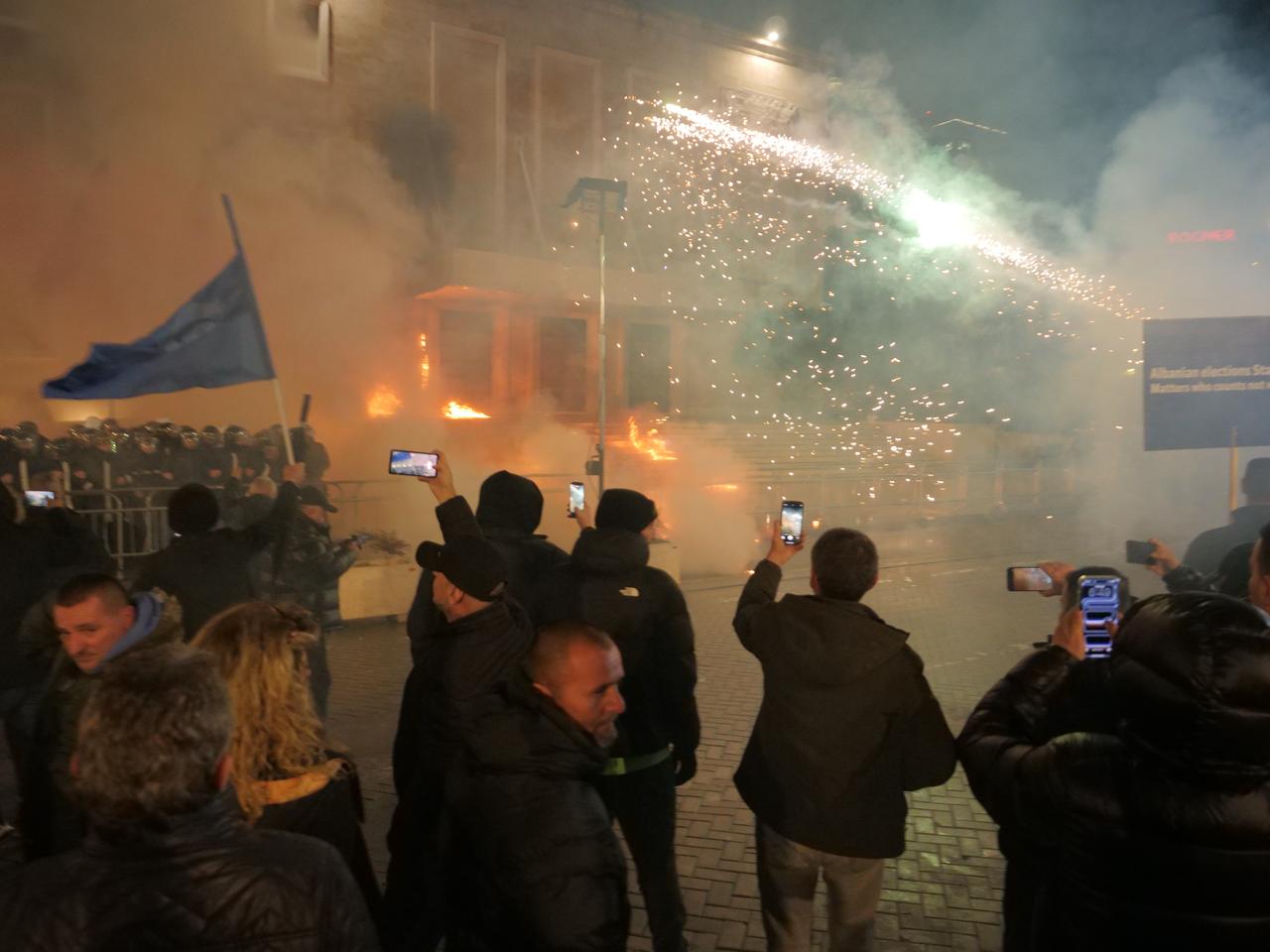
Berisha seems to believe that discrediting Albania abroad will restore his relevance at home. If Washington grows impatient with Tirana, perhaps it will rediscover him as a useful alternative.
The logic is straightforward: delegitimize the state, weaken the government, rehabilitate yourself.
It is also a gamble with other people’s stakes.
NATO allies do not appreciate being told that one of their members is governed by drug lords. EU skeptics do not need help arguing that Balkan enlargement is reckless. And Kosovo’s supporters in Washington do not benefit when “Albanians” becomes shorthand for criminality in regional discourse.
There is a democratic cost as well. When opposition rhetoric shifts from “we lost” to “the state is criminal,” politics turns nihilistic. Institutions are no longer flawed arenas to contest; they are illegitimate structures to be discredited. This is not the language of reform. It is the language of despair dressed up as patriotism.
One can oppose the Albanian government. One can criticize its record. One can argue that power has become too centralized and corruption too tolerated. All of that can be done without turning Albanians, on both sides of the border, into a cautionary tale for cable news.
But Berisha has chosen another path: to seek redemption in Washington by discrediting Tirana and, in the process, shadowing Pristina.
It is a mistake of scale and of loyalty. Nations are harder to rebuild than reputations. And the habit of calling your own people narcos does not make you look like a savior. It makes you look like someone willing to burn two houses to reclaim one room.
Albania deserves an opposition that argues with facts rather than metaphors. Kosovo deserves not to be collateral damage in someone else’s comeback attempt. Calling Albania a narco-state does not make either country safer or freer.
It only makes Albanians—everywhere—easier to suspect and harder to trust.
This article was first published on the Kosovo Dispatch website.
DISCLAIMER: The views and opinions expressed in this article are those of the author and may not necessarily reflect the editorial policy of Türkiye Today.


 Set as preferred source
 Set as preferred source


 7 min read