Newsletters




The National Capitol in Havana still stands. It just doesn't have power. To walk the Paseo del Prado in early 2026 is to realize that the city’s darkness isn’t a metaphor.
Once a popular American destination, a city of more than 2 million people, the rhythm of life is now dictated by the flicker of candlelight and the constant hum of generators. Nature hasn’t been any kinder; this January, the island swung from record heat to a historic 0°C freeze in Matanzas, according to multiple reports.
The political forecast is just as cold. "Cuba’s got problems," Trump told a Florida rally in May, "but I like to finish one first." The "one" was Iran. The implication was unmistakable, and the second one is already circled on a calendar. For Havana, the November midterms are the only thing standing between the current status quo and whatever "finishing" the job looks like in 2027.
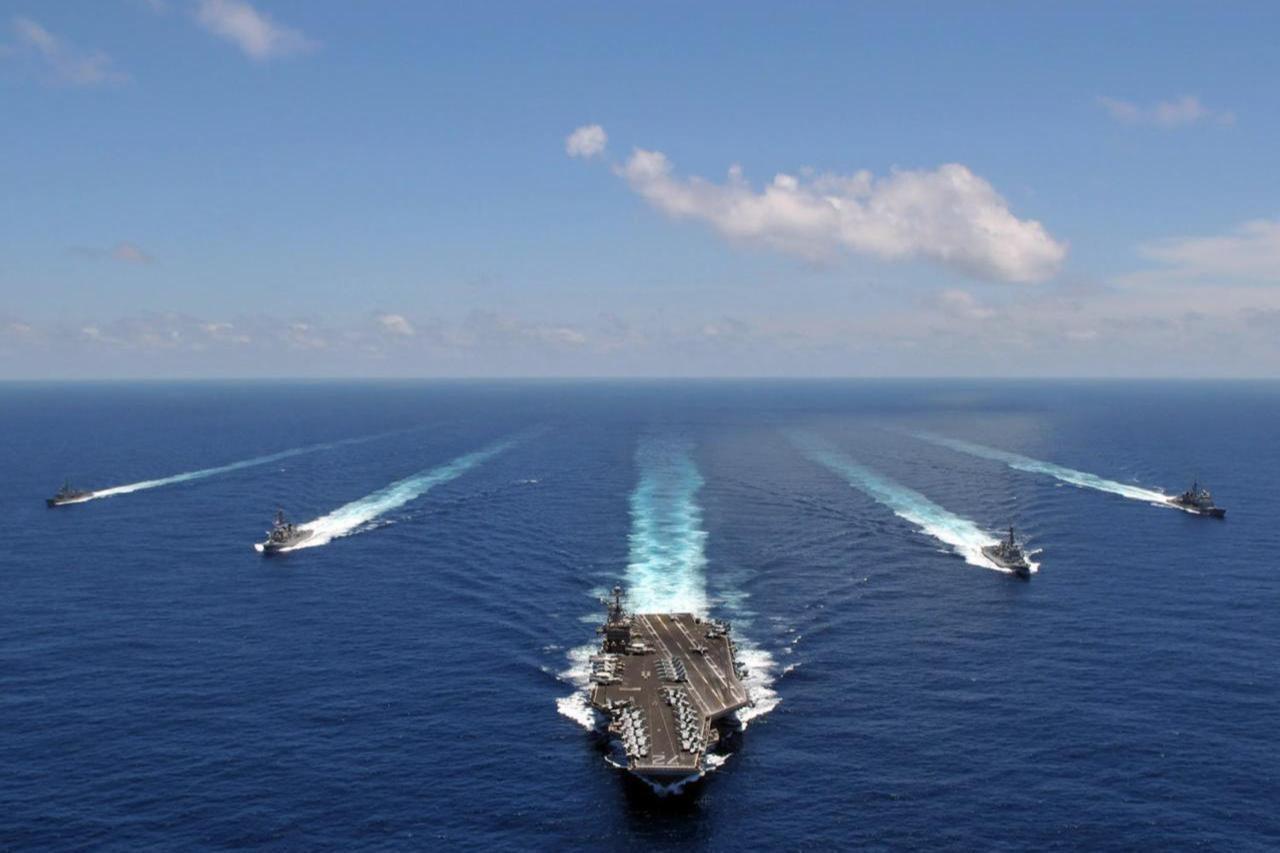
What is unfolding 90 miles from Florida is, by any serious measure, the most effective economic siege of the island since the 1962 Missile Crisis. The administration that engineered it is not hiding its intentions, as President Trump has mused publicly about the USS Abraham Lincoln pulling up 100 yards off the Cuban coast "on the way back from Iran," predicting the government would fold on sight. What it is doing is waiting, and the waiting has a very specific end date attached to it.
That timing is worth sitting with, because it contains everything this story is actually about. It is about the domestic political arithmetic of Florida, where an April 2026 poll found 79% of Cuban-Americans supporting military action for regime change. But it is also about a survey showing a clear majority of the broader American public opposing military intervention in Cuba, in a number that an administration counting seats in November cannot simply dismiss.
The question isn’t whether Trump has Cuba in his sights; he has already said as much. The real question is what happens once the votes are counted. After decades of surviving American pressure through sheer institutional stubbornness, the island may have finally run out of runway.

Cuba sits closer to the American mainland than Venezuela, yet the administration’s first major move was directed at Tehran, not Havana. To understand how Cuba arrived at this specific, literal darkness, you have to start in Caracas.
For decades, the Cuba-Venezuela relationship was the most consequential energy subsidy arrangement in the Western Hemisphere. Havana sent doctors, intelligence operatives, and regime-stabilization expertise south. Caracas sent oil north, somewhere between 50,000 and 100,000 barrels a day, depending on the year, enough to keep the lights on and the loyalty of the Cuban military intact.
Operation Southern Spear dissolved that architecture in a matter of weeks. The ouster of Nicolas Maduro in 2026 did not just remove a government; it surgically removed Cuba's circulatory system.
Executive Order 14380, signed by Trump in the immediate aftermath, closed whatever gaps remained. By authorizing secondary tariffs on any country supplying oil to Havana, the administration effectively turned Mexico into an enforcement mechanism. Pemex, which had quietly kept some shipments moving, put them on hold.
The administration's working assumption appears to be that Cuba is a fundamentally different proposition than the Iranian campaign, and in the ways that matter most to a president who thinks in terms of leverage and speed, that assumption has some grounding in reality that can bring him positive points for the "victory."
One of the more persistent critiques of the Iran operation in Washington's policy circles has been its price tag—in treasure, in distance, and in the sheer logistical weight of sustaining a military campaign where geography is weaponized against the intruder. Iran could close the Strait of Hormuz. It could threaten Gulf energy infrastructure. It could make the cost of the war felt at gas stations from Seoul to Stuttgart. Cuba has no such tools.
It has no missile capability that reaches beyond its own coastline, no chokepoint it controls, no lever that translates military pressure into a global economic shock. It cannot internationalize the cost of its own siege. What happens in Havana, in that sense, stays in Havana.
And yet Cuba is also something Iran never was to the American psyche, a neighbor. A threat that generations of Americans were taught to feel in their bones, from the Missile Crisis through the Mariel boatlift to the persistent anxiety in South Florida that whatever happens on the island eventually washes up on American shores.
Where Cuba does resemble the Iran situation—and the Venezuela one before it—is in the posture of its nominal protectors. Russian and Chinese governments will issue the appropriate statements of solidarity. And then both governments, exactly as they did when the pressure mounted on Tehran and on Caracas, returned to calculating their own interests. The pattern is now clear enough to constitute a doctrine: Moscow and Beijing will not absorb serious strategic costs to save a client state when the United States is determined and the client's own foundations are already crumbling.
The only risk in the administration's calculus is the one that has accompanied every American intervention in this hemisphere since the Bay of Pigs: the assumption that a government collapses because it should. The Castro regime survived the Special Period of the 1990s, a contraction so severe that the average Cuban lost 20 pounds, without fracturing. Diaz-Canel is not Fidel Castro, but "not Fidel Castro" and "surrenders at the sight of a carrier" are not the same thing, and Washington's recent track record of predicting the behavior of governments under existential pressure is, at best, uneven.
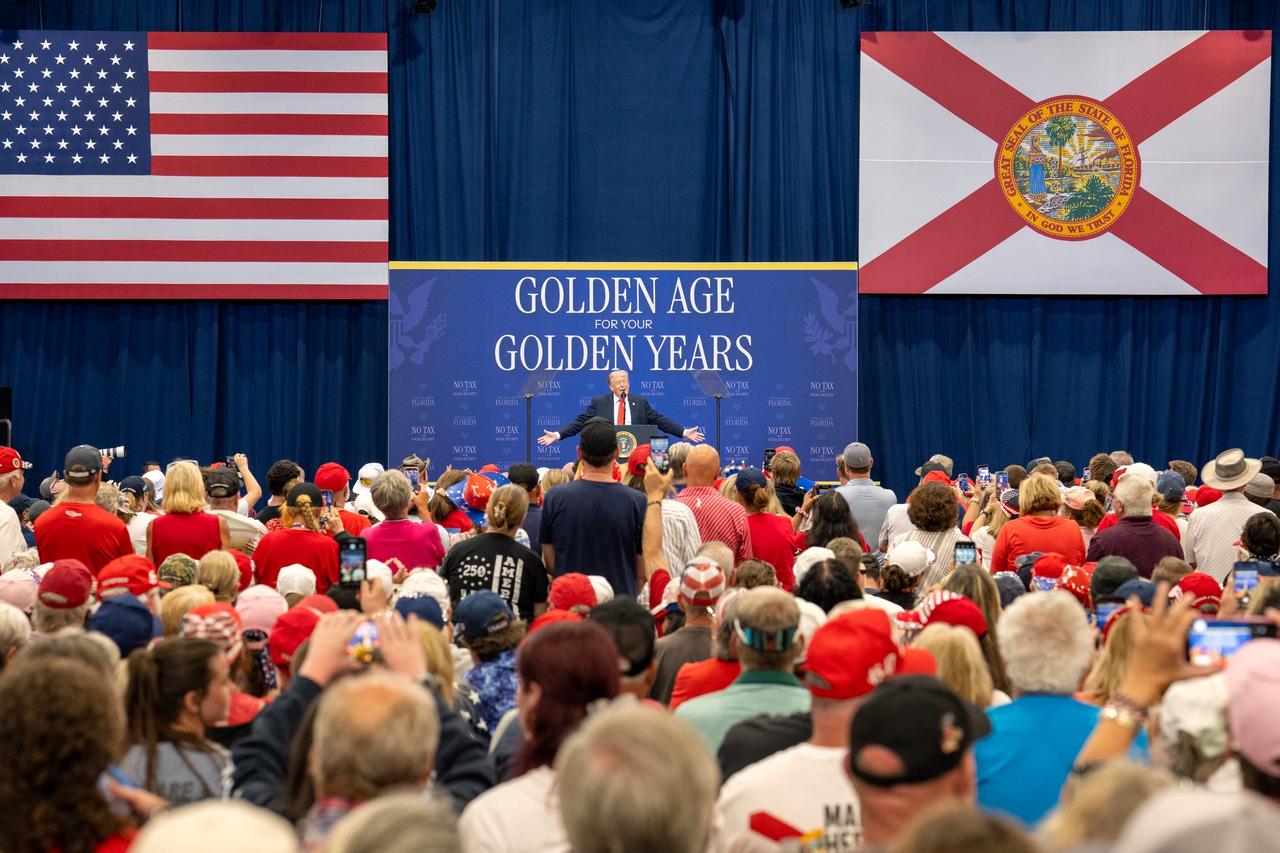
Despite the rally rhetoric and the carrier group imagery, the administration's actual preference appears to be something considerably more transactional than transformational.
Secretary Rubio has been explicit that the United States has no interest in a destabilized Cuba. The last thing this administration needs—with the Iran situation unresolved, commodity prices elevated, and a midterm campaign in full swing—is a humanitarian exodus across the Florida Straits of the kind that has historically scrambled American domestic politics in unpredictable directions.
What Washington actually wants from Havana is a list, and it is a revealing one. The removal of Russian and Chinese intelligence installations—the SIGINT facilities near Bejucal feature specifically in conversations around the capital. Preferential market access for U.S. firms in telecommunications, travel, and agriculture.
A resolution mechanism for nearly $2 billion in certified expropriation claims that have sat unresolved since 1959. And, perhaps most consequential in a Washington consumed with supply chain anxiety, access to Cuba's nickel and cobalt reserves.
That last item is the one that gets the least attention in the public Cuba conversation and probably deserves the most. At a moment when the United States is reorganizing its entire industrial strategy around domestic and allied-nation access to the materials that power the energy transition and the defense industrial base, Cuba's mineral deposits are not a footnote.
The island is sitting on resources that the administration's own economic doctrine has declared a national security priority, and that China has been quietly developing for years.
In Havana, the response to all of this has been to reach for a register the government has not needed since the 1960s.
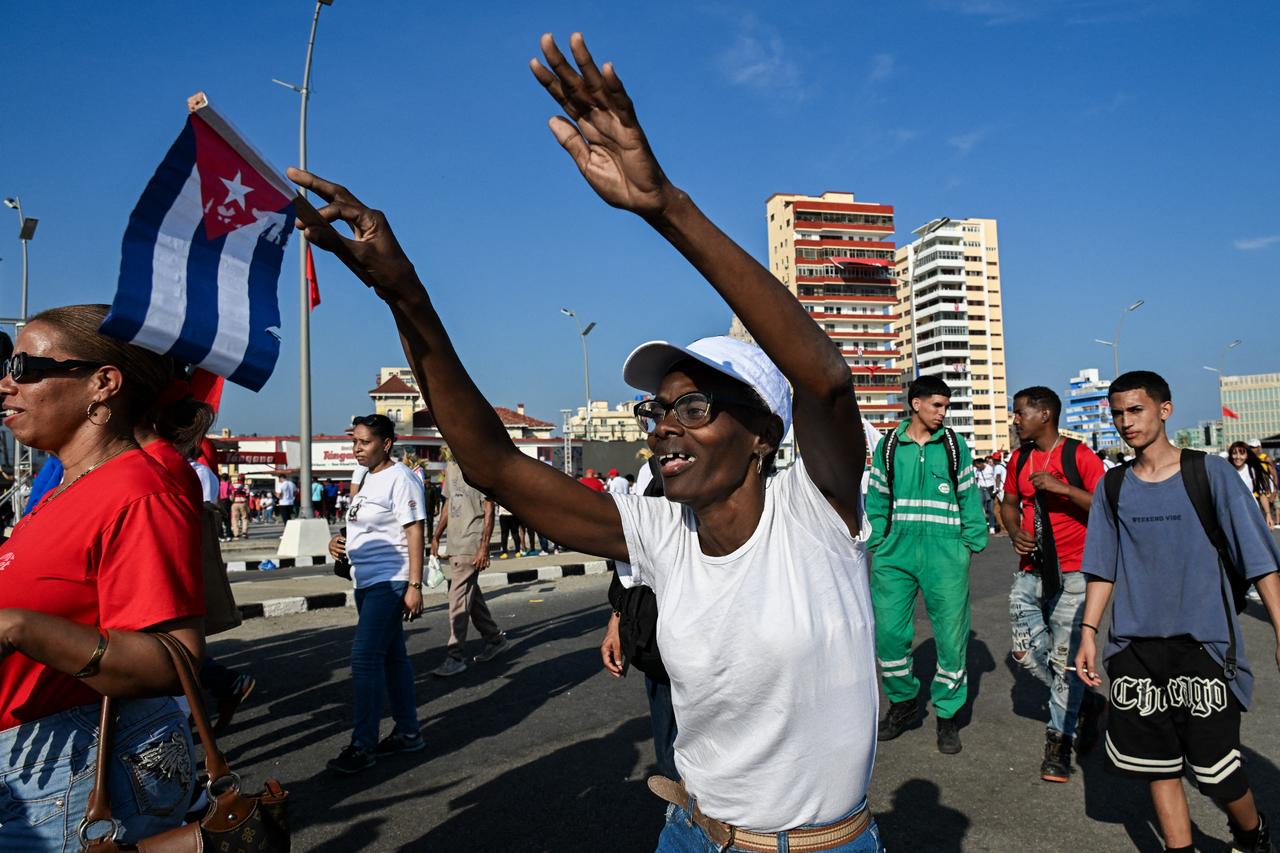
"The Homeland is Defended" is the slogan. Diaz-Canel has called for a "war of the entire nation," organized state demonstrations against the "imperialist blockade," and confirmed that talks with Washington are indeed ongoing. Over 2,000 political prisoners have been released as a gesture of goodwill, or perhaps as a calculation about which concessions cost nothing while creating space for the ones that do.
What Diaz-Canel has ruled out is the one thing Washington says it requires: a negotiated end to the government itself. That gap between a Washington that wants a deal and a Havana that cannot survive the deal's terms, is where the standoff actually lives, and where it will remain until the midterm clock runs out.
The aircraft carrier is not coming this week. After November, Washington's calendar clears, the Iran operation moves toward whatever resolution the back-channels can produce, and an island of fewer than 9 million people—sitting in the dark, mobilized for a war it cannot afford to fight—will find out whether the "friendly takeover" on offer is actually friendly, or simply the last option before the other kind.


 Set as preferred source
 Set as preferred source


 1 min read
 1 min read