Newsletters


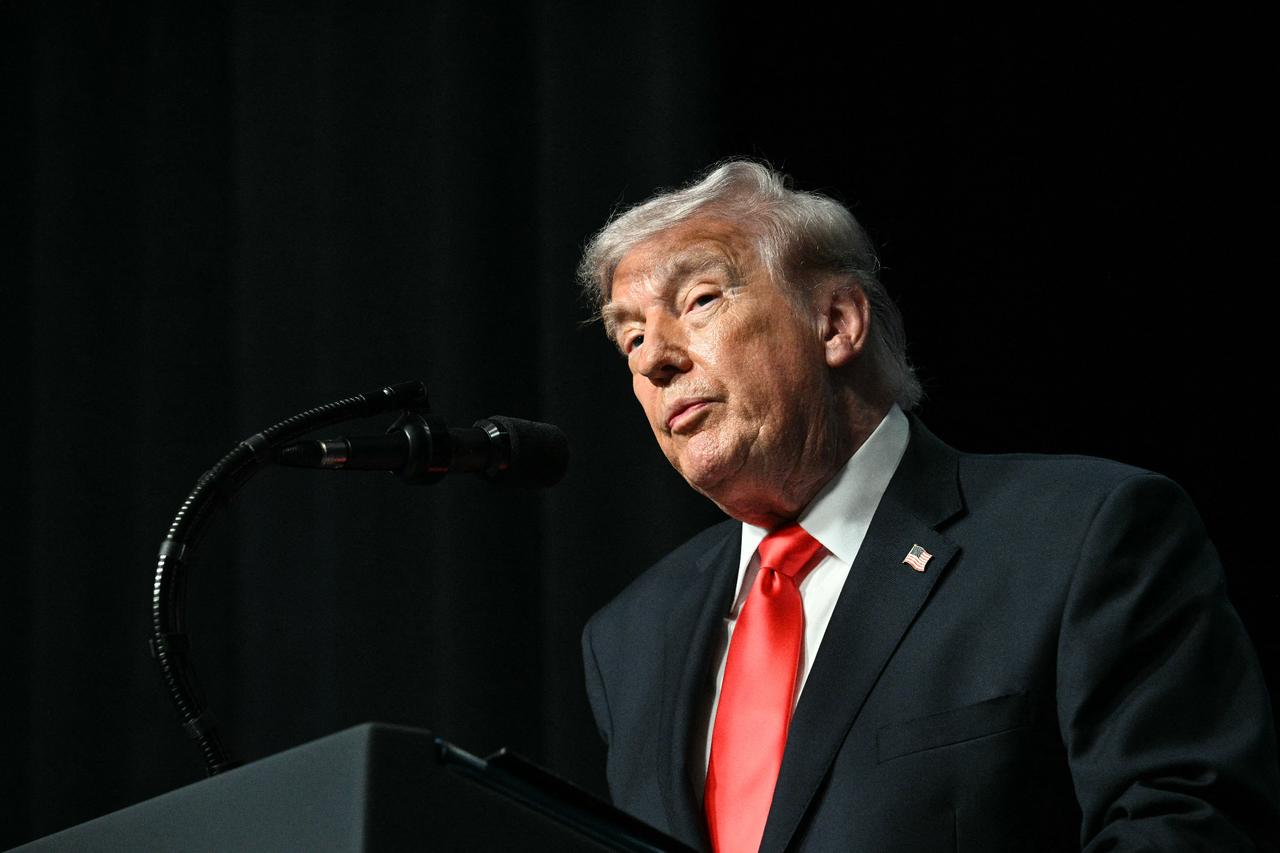


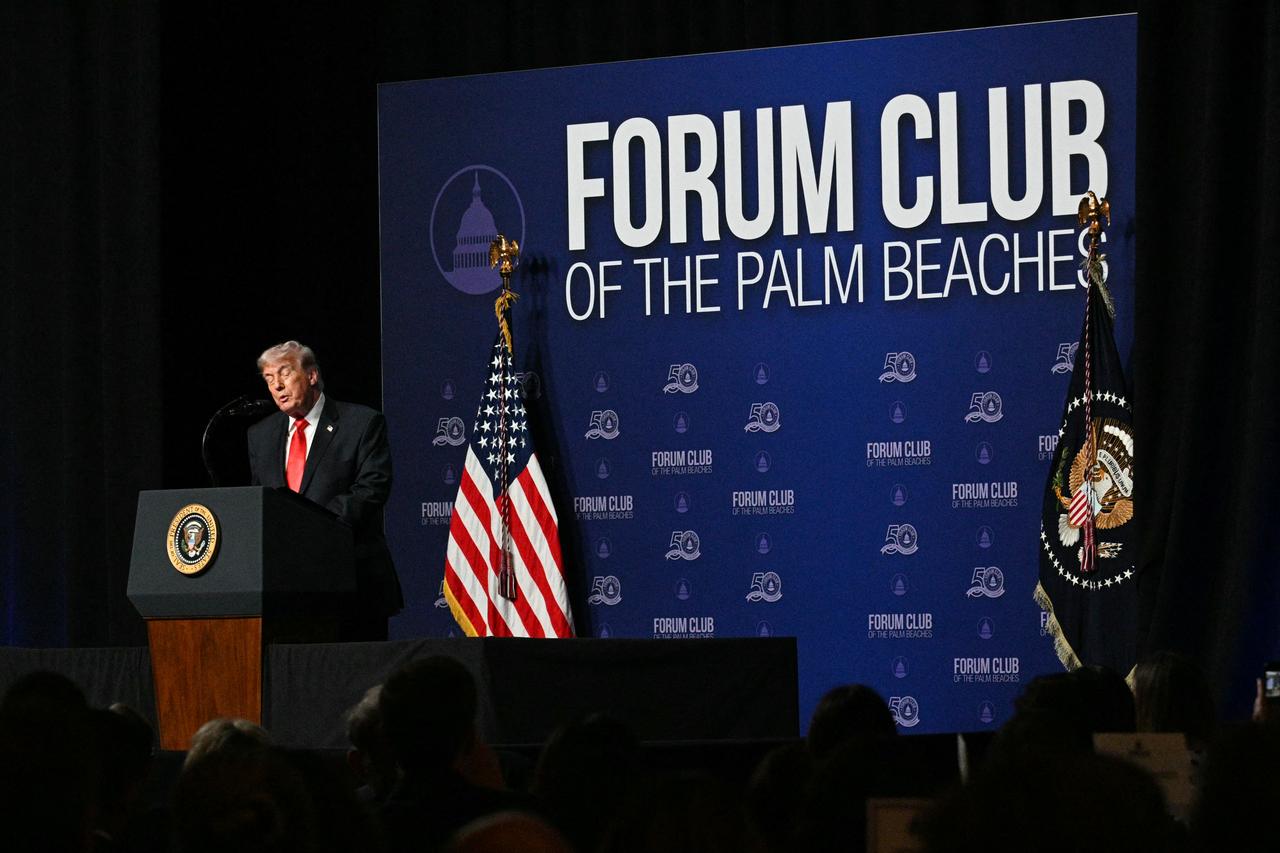
U.S. President Donald Trump told an audience in Florida Friday that the United States would be "taking over" Cuba "almost immediately" after finishing the Iran war.
He said an aircraft carrier, potentially the USS Abraham Lincoln, would stop 100 yards off Cuba's shore on the return from Iran, and the island would simply "give up."
He simultaneously signed an executive order imposing sweeping new sanctions on Cuba targeting its energy, mining, financial, and security sectors, with secondary sanctions on any foreign bank dealing with designated entities.
Trump said at the Forum Club of the Palm Beaches, "Cuba, which we will be taking over almost immediately. Cuba's got problems. We'll finish one first. I like to finish a job."
"On the way back from Iran, we'll have one of our big, maybe the USS Abraham Lincoln aircraft carrier, the biggest in the world, we'll have that come in, stop about 100 yards offshore, and they'll say, 'Thank you very much, we give up'," he added.

Trump's executive order targets anyone who operates or has operated in Cuba's energy, defense, metals and mining, financial services, or security sectors, or "any other sector of the Cuban economy" as the U.S. government determines.
It also targets officials engaged in "serious human rights abuses" or corruption, banning them from entering the United States. Crucially, it authorizes secondary sanctions against any foreign financial institution dealing with those designated.
Former U.S. Treasury Office of Foreign Assets Control (OFAC) sanctions investigator Jeremy Paner told Reuters the move was "the most significant one for non-American companies since the U.S. embargo against Cuba began decades ago. Oil and gas, mining companies, and banks that have carefully segregated their Cuba operations from the United States are no longer protected."
One White House official said the order carried an "implicit warning," accusing Cuba of providing "a permissive environment for hostile foreign intelligence, military, and terrorist operations less than 100 miles from the American homeland" and of aligning itself with Iran and Hezbollah.
Cuban Foreign Minister Bruno Rodriguez said: "We firmly reject the recent unilateral coercive measures adopted by the United States government. These actions demonstrate an intention to impose, once again, collective punishment on the Cuban people.
"These measures are extraterritorial in nature and violate the United Nations Charter," he added.
"The US has no right whatsoever to impose measures against Cuba or against third countries or entities," Cuban foreign minister noted.
Cuban President Miguel Diaz-Canel said the sanctions reinforced the U.S.'s "brutal, genocidal" blockade, and called on Cubans to mobilize against "the genocidal blockade and the crude imperial threats to our country."
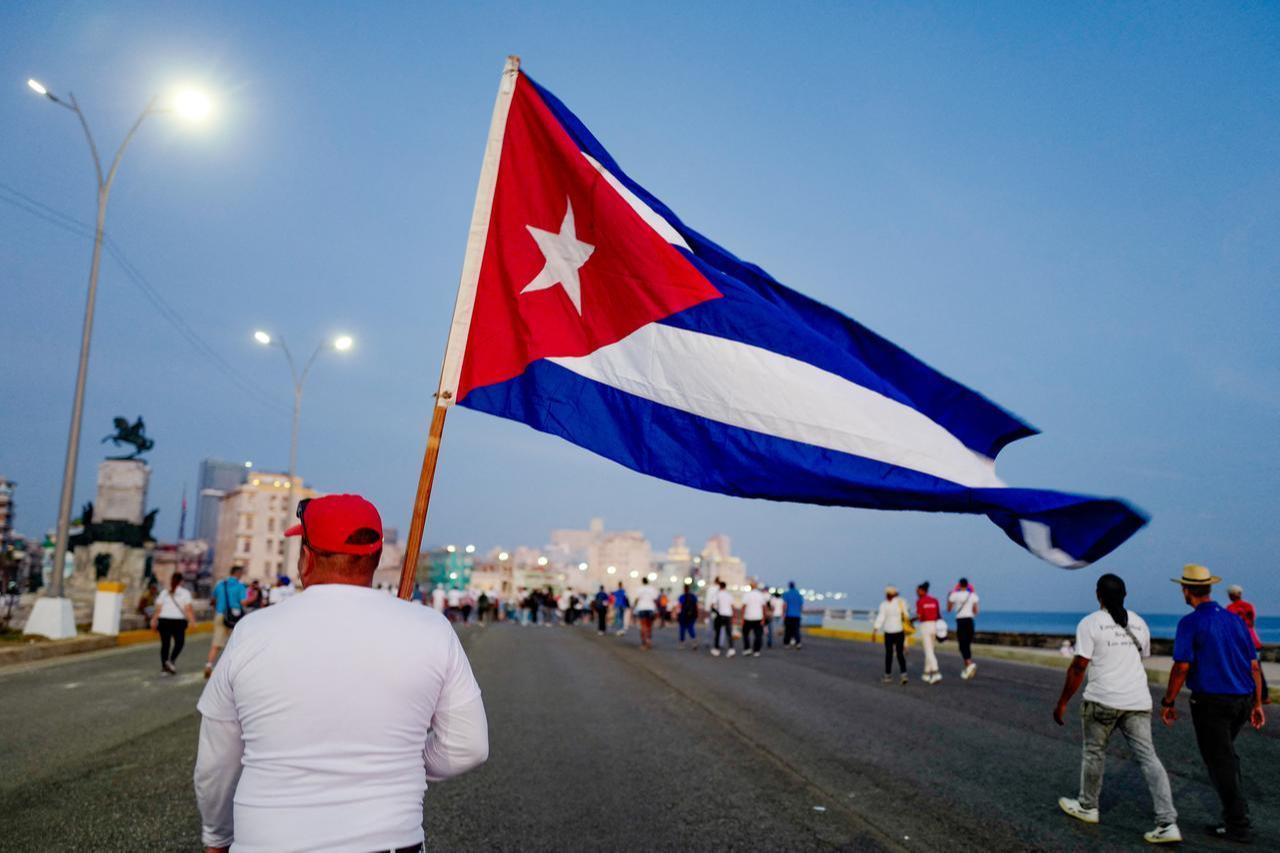
The announcements came as massive May Day marches took place outside the U.S. embassy in Havana, led by Diaz-Canel and former revolutionary leader Raul Castro, with authorities claiming more than 6 million Cubans had signed a petition "for the homeland and for peace."
The sanctions come after a fuel blockade imposed on Jan. 30 following the U.S. ousting of Venezuela's Maduro, Cuba's primary oil supplier. Only one Russian tanker had made it through since then.
Widespread power outages, supply shortages, and a collapse in tourism have followed.
A U.N. spokesman on Friday warned of a worsening humanitarian situation as the energy crisis disrupts essential services.


 Set as preferred source
 Set as preferred source


 3 min read