Newsletters


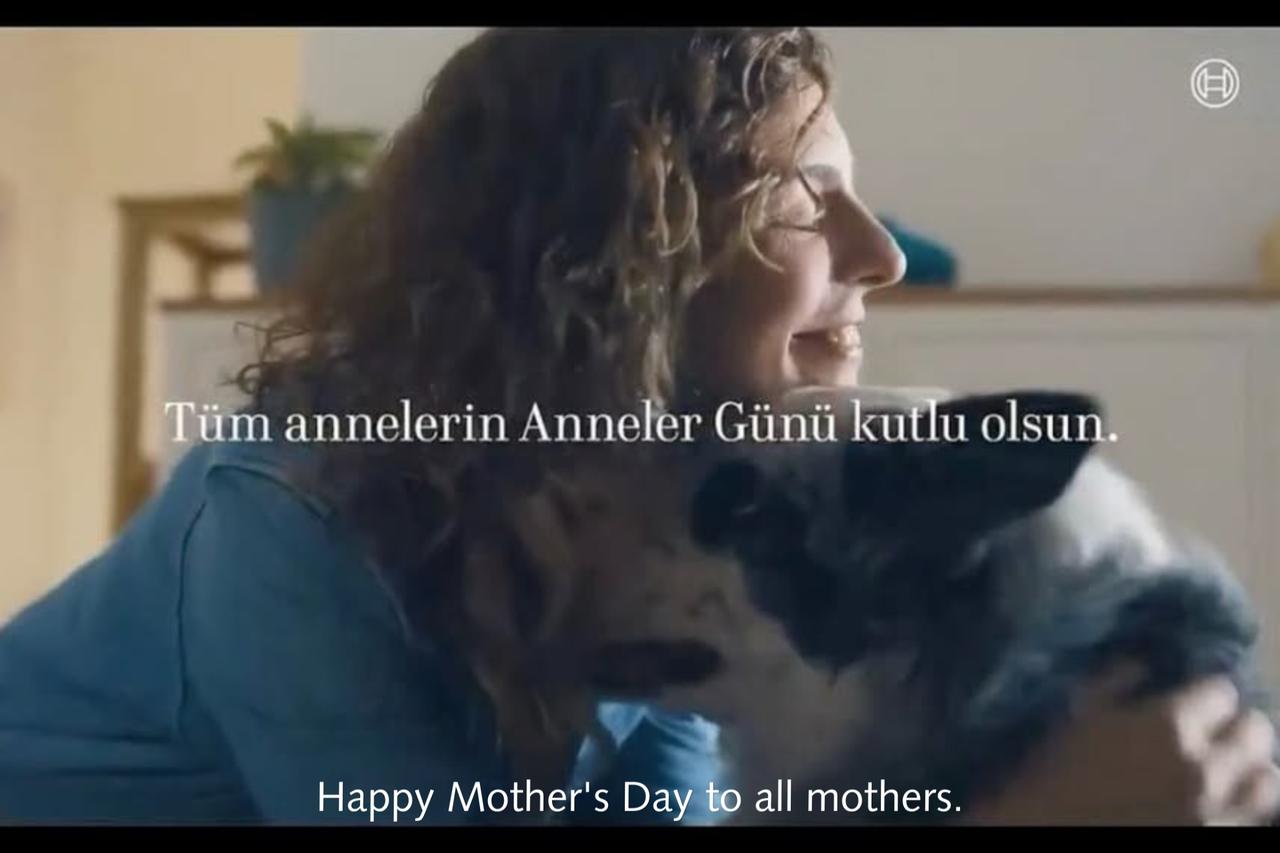


Mother’s Day advertising has a way of polishing expectations until they look like gifts.
Each year, screens fill with familiar images of gratitude: diamonds as proof of devotion, family tables, washing machines, ovens, and robot vacuums turned into gestures of love. The products change, but the emotional script often does not. A mother is thanked for care, sacrifice, patience, and the largely invisible labor that keeps a household moving.
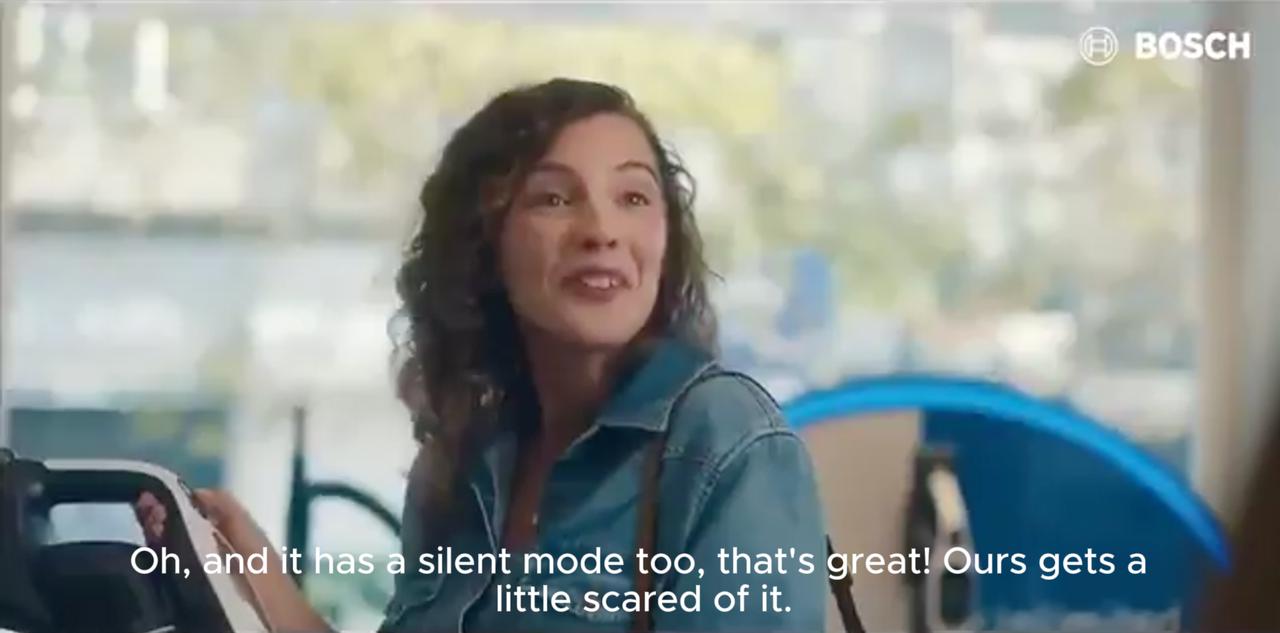
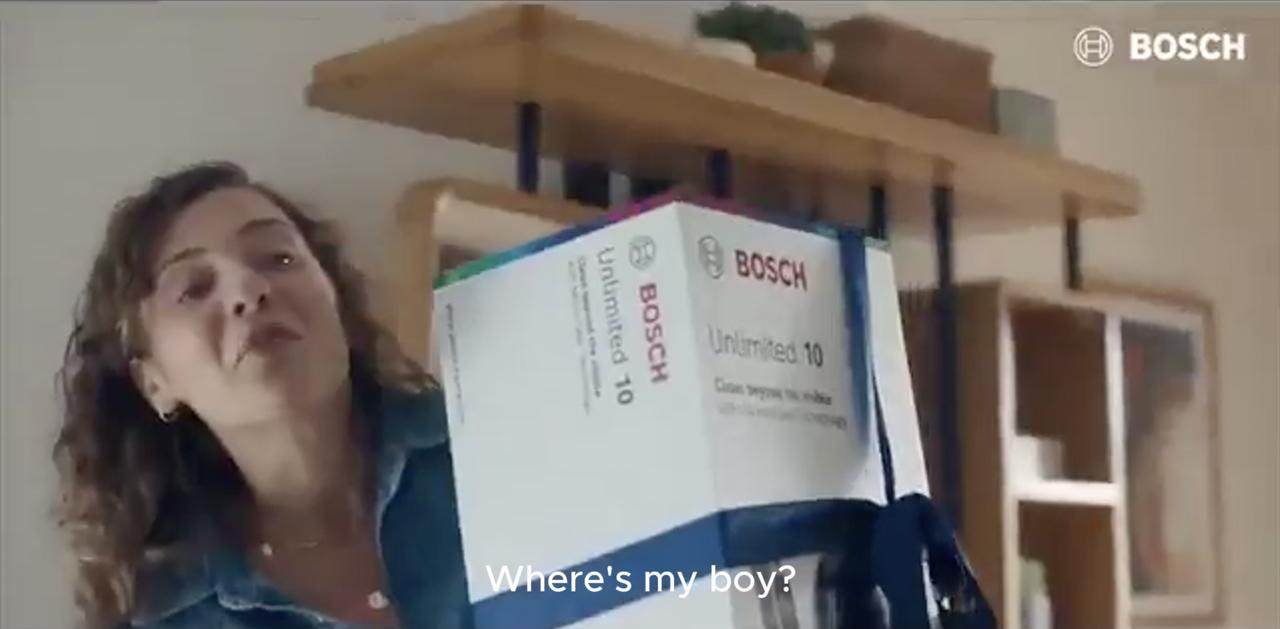
Bosch seemed to enter that familiar territory with its latest Mother’s Day campaign in Türkiye. The advertisement shows two women browsing in a home appliance store. One assumes the other is also a mother and starts a conversation.
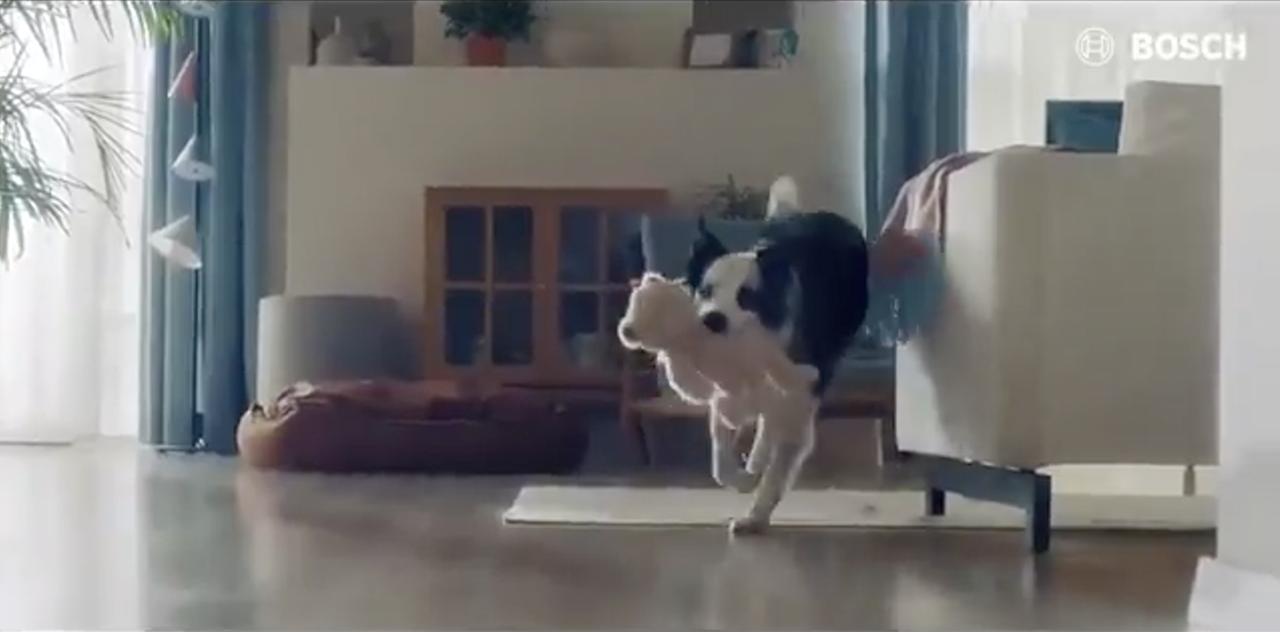
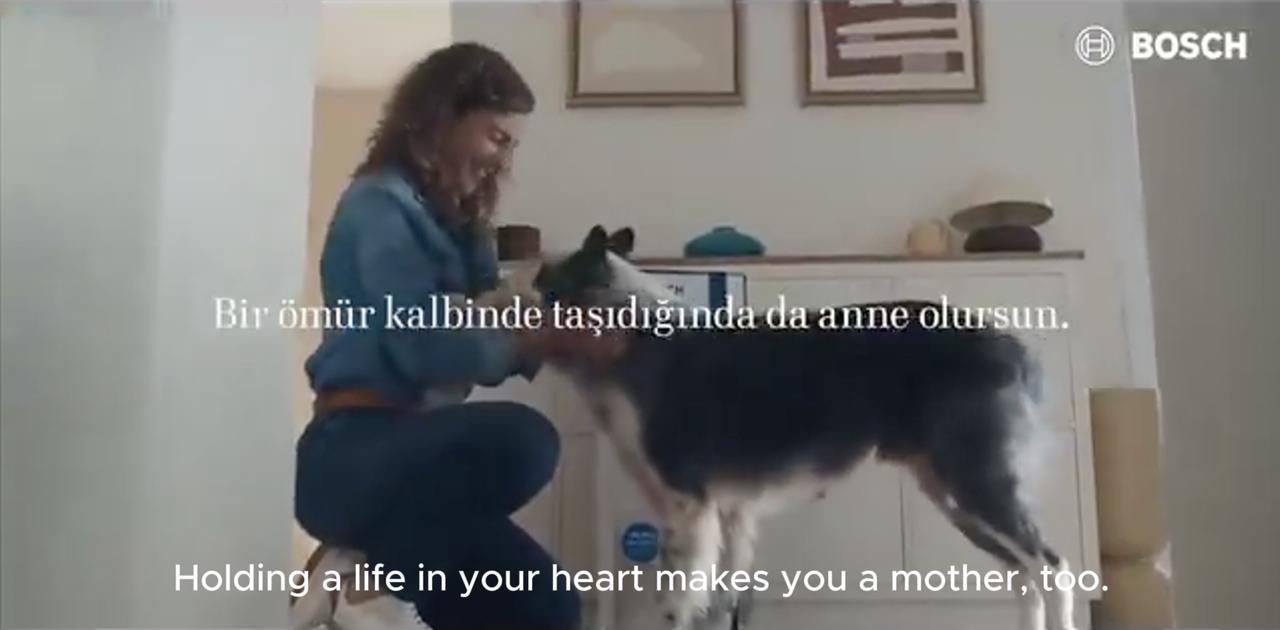
The other woman says yes, and the two begin chatting about the small routines of care and daily responsibility, leading viewers to assume both are speaking about children. That assumption lasts until she returns home, where her dog runs toward her with a toy in its mouth.
That reveal was enough to turn a seasonal commercial into one of Türkiye’s most heated cultural debates of the week.
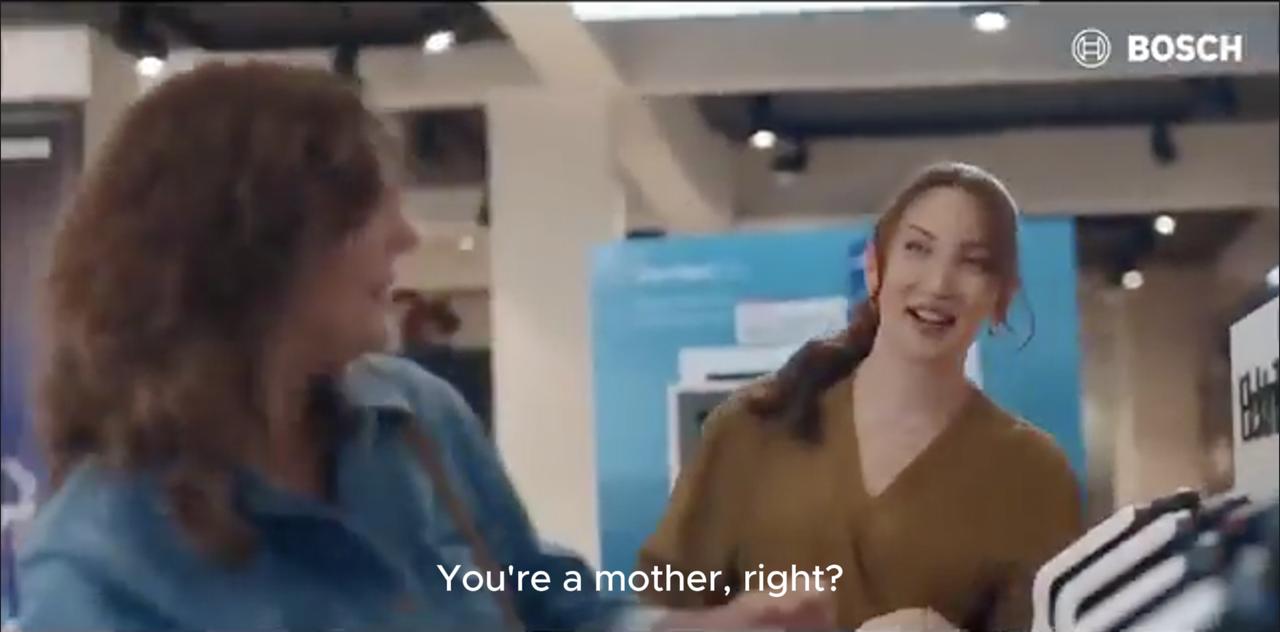
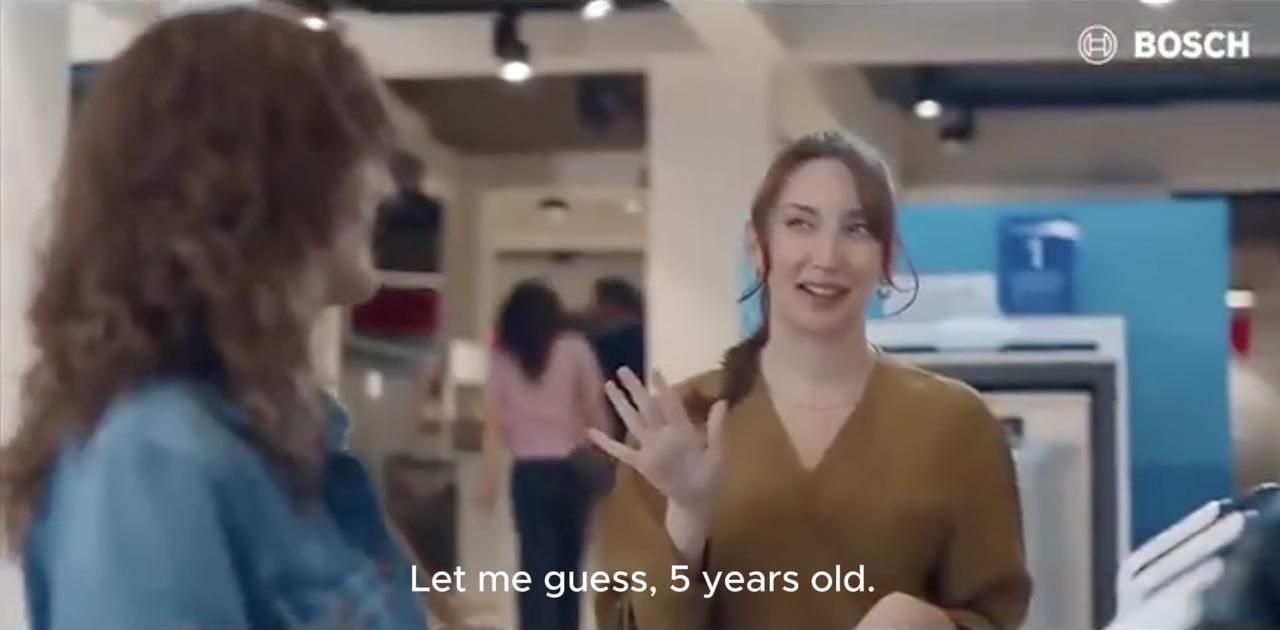

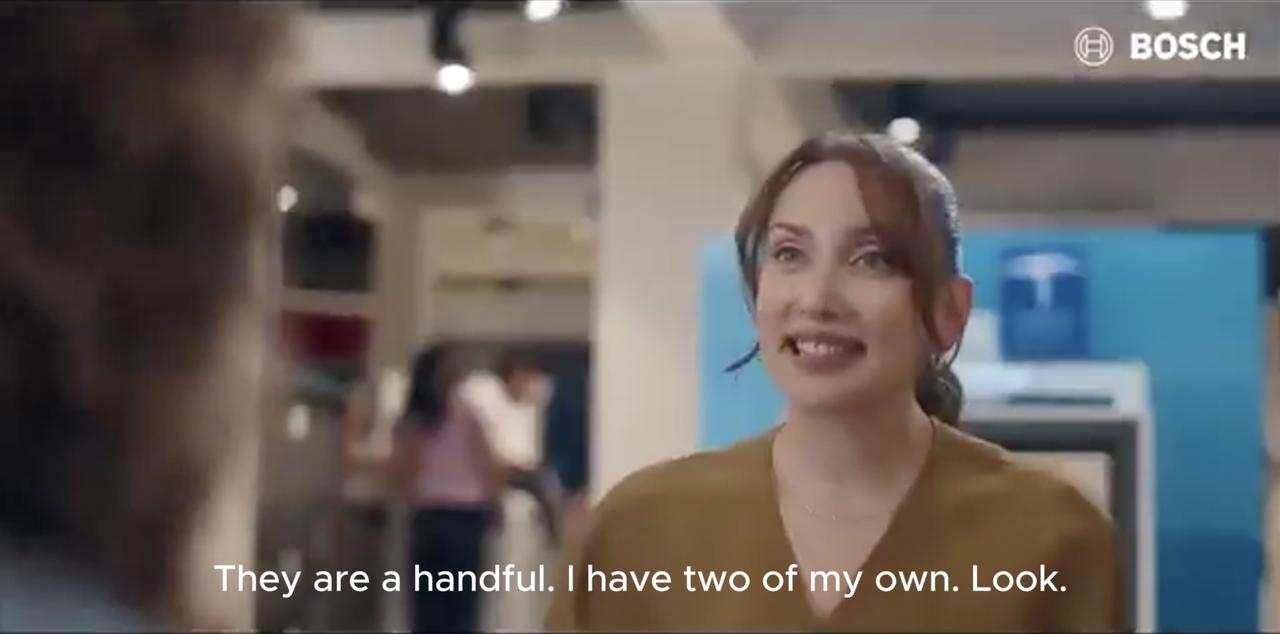
As the advertisement spread online, criticism focused on the use of words associated with children and motherhood in a story that ultimately revealed a pet caregiving relationship.
Several newspapers framed the advertisement as a direct challenge to family values. Yeni Safak, for example, described it as a campaign that targeted the family as an institution and "promoted the idea of a dog instead of a child."
Family and Social Services Minister Mahinur Ozdemir Goktas also criticized the campaign, saying, “Motherhood is not a communication construct, but the carrier of a generation and a future.” She said the ministry did not accept “the stretching and trivialization” of such a value for communication strategies.
Türkiye’s media watchdog, the Radio and Television Supreme Council (RTUK), also opened an investigation into the advertisement. Its chair, Mehmet Danis, argued that the “mother-child bond” should not be stretched into a commercial symbol.
Some outlets and social media users disagreed with this approach and focused instead on how the advertisement was targeted, removed, and then placed under regulatory scrutiny.
Bosch removed the campaign after the backlash.
The company has not issued an official statement yet, leaving the public debate to be shaped largely by politicians, regulators, newspapers, and social media users rather than by the brand itself.

The backlash also landed inside a much older advertising tradition.
Mother’s Day campaigns may speak in the language of love, but that love is often staged through the home. Mothers are praised as irreplaceable, selfless, and emotionally sacred, yet the gifts used to express that praise often point back to the domestic work expected from them every day.
A 2013 conference paper on women’s changing roles in advertisements used by Türkiye’s electronic kitchenware sector found a recurring pattern. Women were addressed as the primary users and consumers of household products, while their image was shaped through roles such as mother, wife, housewife, working woman, and manager of the home.
The advertising pattern also reflects a measurable imbalance inside the home.
TurkStat’s “Women in Türkiye: A Statistical Overview 2025” found that women spent an average of four hours and 35 minutes a day on household and family care, compared with 53 minutes for men.
Seen through that reality, Mother’s Day advertising does more than celebrate mothers. That is why the Bosch campaign should be studied as more than a disagreement over pet ownership.
The advertisement came from a home-appliance brand that still used the language of care, attachment, and daily responsibility. However, it briefly detached that language from biological motherhood and placed it beside another caregiving bond.
The backlash showed how sensitive that frame remains, not only because motherhood is socially valued, but because it is still so often treated as inseparable from women’s service, sacrifice, and responsibility in life more broadly. Yet not all women can or want to become mothers, or want their social value measured through motherhood.

One reason the Bosch advertisement attracted so much attention is its close relation to real-time anxieties. Türkiye is already debating family, marriage, birth rates, and changing household structures with unusual intensity.
The demographic picture points to a society where family formation is becoming later, smaller, and more fragile.
TurkStat data showed that Türkiye’s total fertility rate fell from 2.38 children per woman in 2001 to 1.48 in 2024, a decline of nearly 38% and well below the 2.10 level needed for population replacement. Parenthood is also taking place later, with the average age of first birth rising to 27.3 in 2024.
Marriage figures follow the same pattern. The number of marriages fell by about 3% from 2024 to 2025, from nearly 570,000 to 552,000, while divorces rose by around 2.6%, from about 189,000 to 194,000. The average age at first marriage also continued to climb, reaching 28.5 for men and 26 for women.
These figures are often discussed through the language of cultural values, tradition, and family continuity, but the choices behind them are also material. Marriage, parenthood, housing, child care, and daily survival are economic questions as much as cultural ones.

Türkiye’s 2026 net minimum wage stands at about ₺28,000 ($620).
Yet April 2026 research by the Confederation of Turkish Trade Unions (Turk-Is) put the monthly food poverty line for a family of four at nearly ₺35,000. The same research calculated the broader poverty line at about ₺113,000 and the monthly living cost for a single worker at nearly ₺45,000.
Housing adds another layer to that pressure. Endeksa data for April 2026 put the average monthly rent in Türkiye at nearly ₺26,000, while Istanbul rents averaged about ₺40,000, making housing alone close to or above a full minimum wage in major urban areas.
In other words, for many people, marriage, parenthood, child care, and household formation depend on whether income can stretch far enough to support another life.
That economic backdrop matters because family debates are often framed as questions of values, even when many people are making decisions under financial pressure. Delayed marriage or parenthood is not simply a cultural shift. It is also a response to housing costs, food prices, child care, and the difficulty of sustaining another life.
The Bosch controversy became symbolic, but the anxieties beneath it are also material.
Yet the backlash should not be mistaken for proof that care for animals is foreign to Türkiye’s cultural life.
Compassion for stray animals has deep Ottoman roots, from shelters and feeding systems to birdhouses built into public architecture and Bursa’s “House for Injured Storks.” In contemporary Türkiye, many people still leave food and water for stray animals in the streets and parks.
That cultural familiarity matters because the Bosch controversy was never simply about whether animals can be loved. It was about whether a bond outside the expected mother-child frame could appear inside the language of Mother’s Day.
That language is already more fragile than advertising often admits. For those who have lost mothers, lost children, experienced pregnancy loss, or live with complicated relationships to motherhood, Mother’s Day can carry grief.
The emotional attachment between people and their pets is not merely an advertising invention, either. In 2014, researchers examining how mothers responded to images of their own children and their own dogs found activity in a common network of brain regions involved in emotion, reward, affiliation, visual processing, and social cognition.
The study also found that images of children produced stronger responses in some regions linked to human bonding and theory of mind, which is understandable given that raising a child involves a growing human being who speaks, changes, and builds a reciprocal life with the parent. But the study still shows that the kind of attachment Bosch placed inside its advertisement is emotionally recognizable.
In the end, the image that unsettled people was simple: a woman returning home and being greeted by a dog with a toy in its mouth. What made it controversial was not the animal, but the place the advertisement gave that bond on Mother’s Day. The backlash showed that care may be widely celebrated in Türkiye, but the language of motherhood remains deeply sensitive.


 Set as preferred source
 Set as preferred source



 7 min read