Newsletters




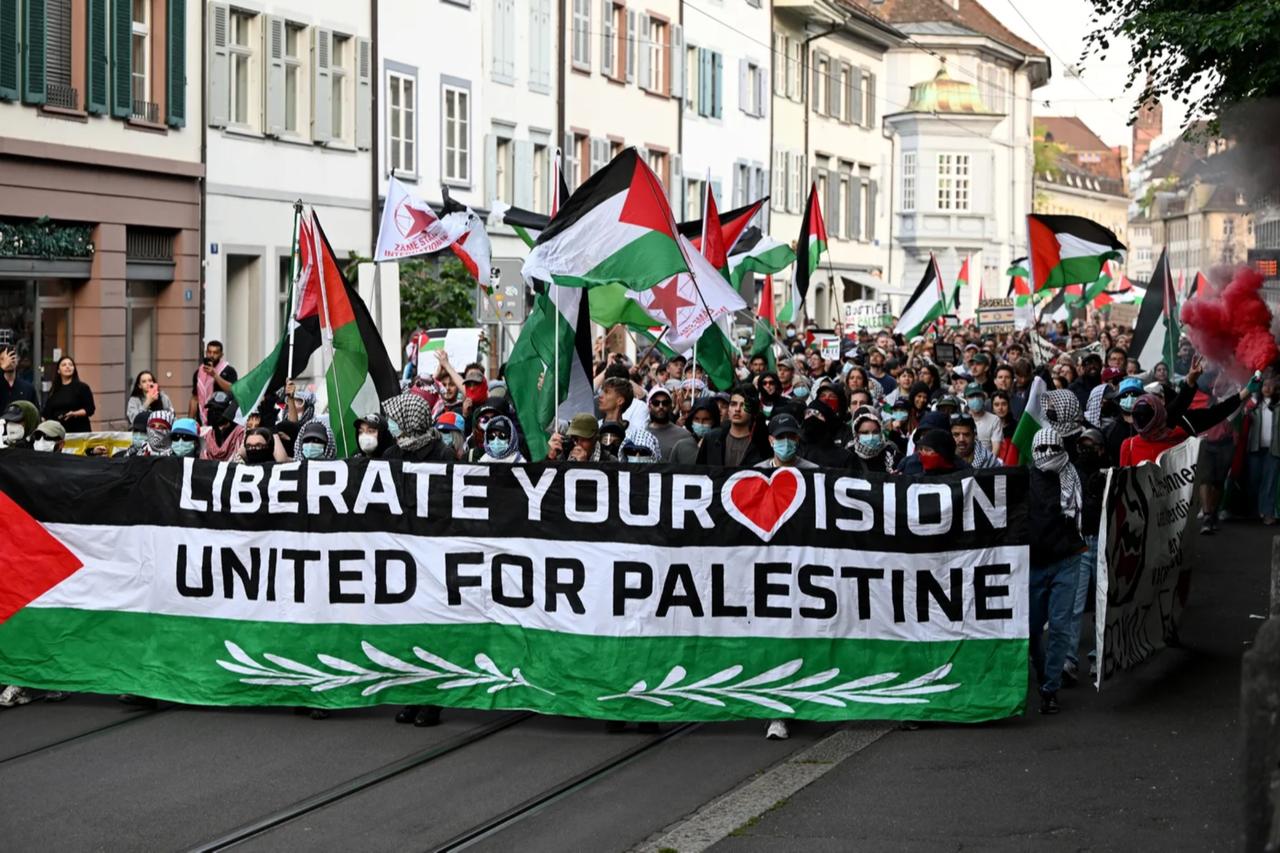
As the war in Gaza approaches its third year, Europe remains deeply divided over how to respond. Palestinian health authorities say more than 73,000 people have been killed since October 2023, while vast areas of the enclave have been reduced to rubble and the humanitarian crisis continues to deepen.
Across European capitals, governments have struggled to respond to mounting concerns over civilian casualties, humanitarian law and accountability.
Until recently, Slovenia was among the countries that stood out.
It was one of the smallest European Union member states willing to take some of the bloc’s boldest diplomatic steps. Under former Prime Minister Robert Golob, Ljubljana recognized the State of Palestine, imposed restrictions on imports from Israeli settlements, introduced measures against senior Israeli officials and aligned itself with Spain, Ireland and Norway in arguing that recognition was not an act against Israel but an effort to preserve the possibility of a two-state solution.
Recognition was presented as a defense of international law rather than a rejection of one side in the conflict.
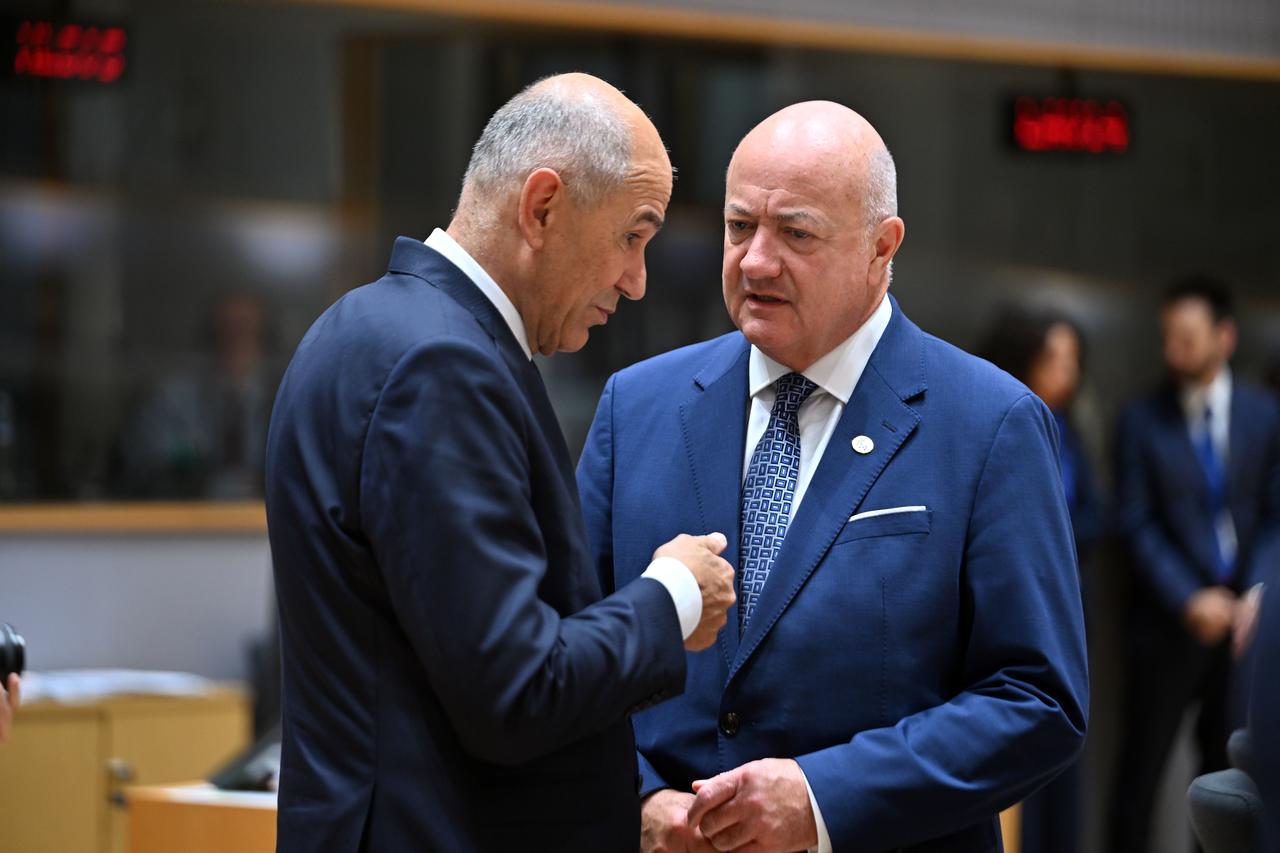
Today, much of that policy has been reversed. After months of post-election deadlock resulting in Janez Jansa returning to power, almost every symbolic element of Slovenia’s previous approach has begun to disappear.
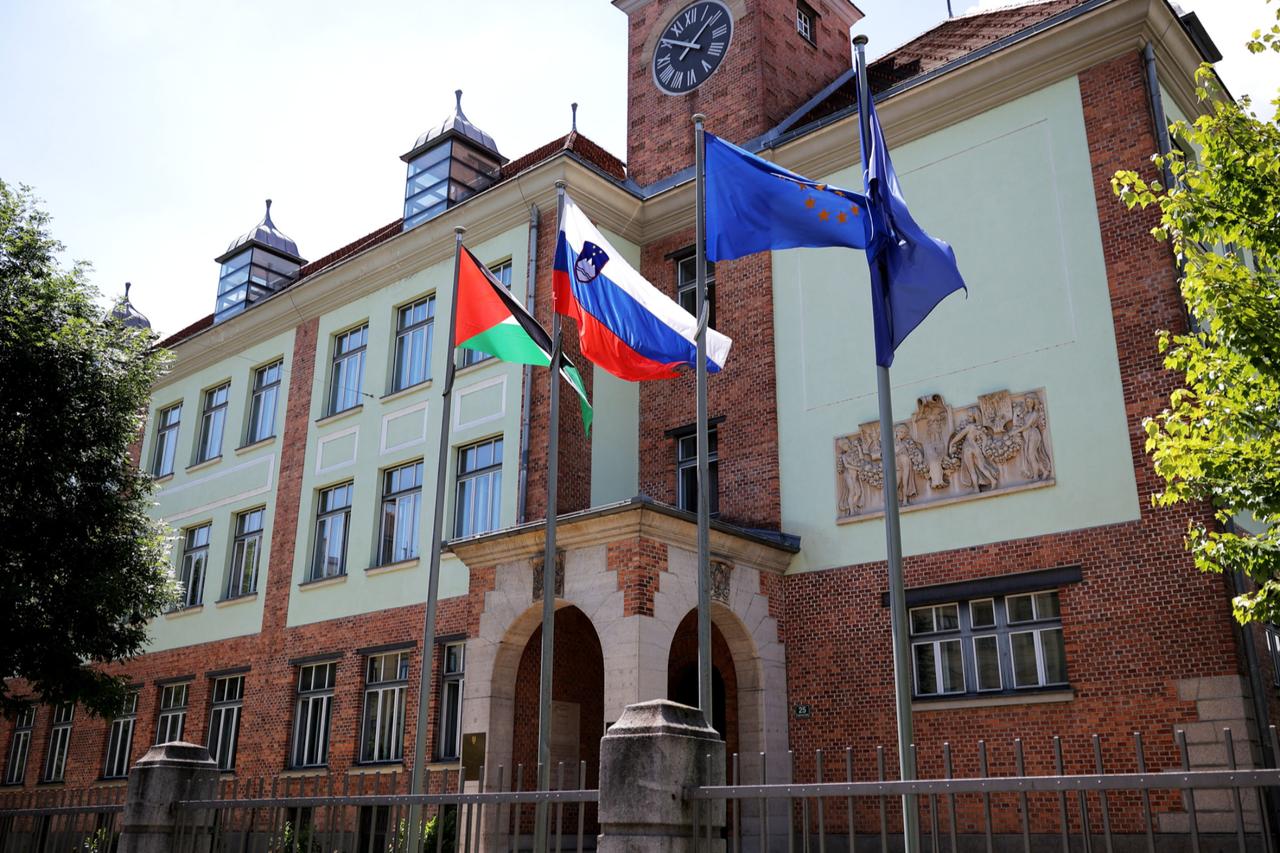
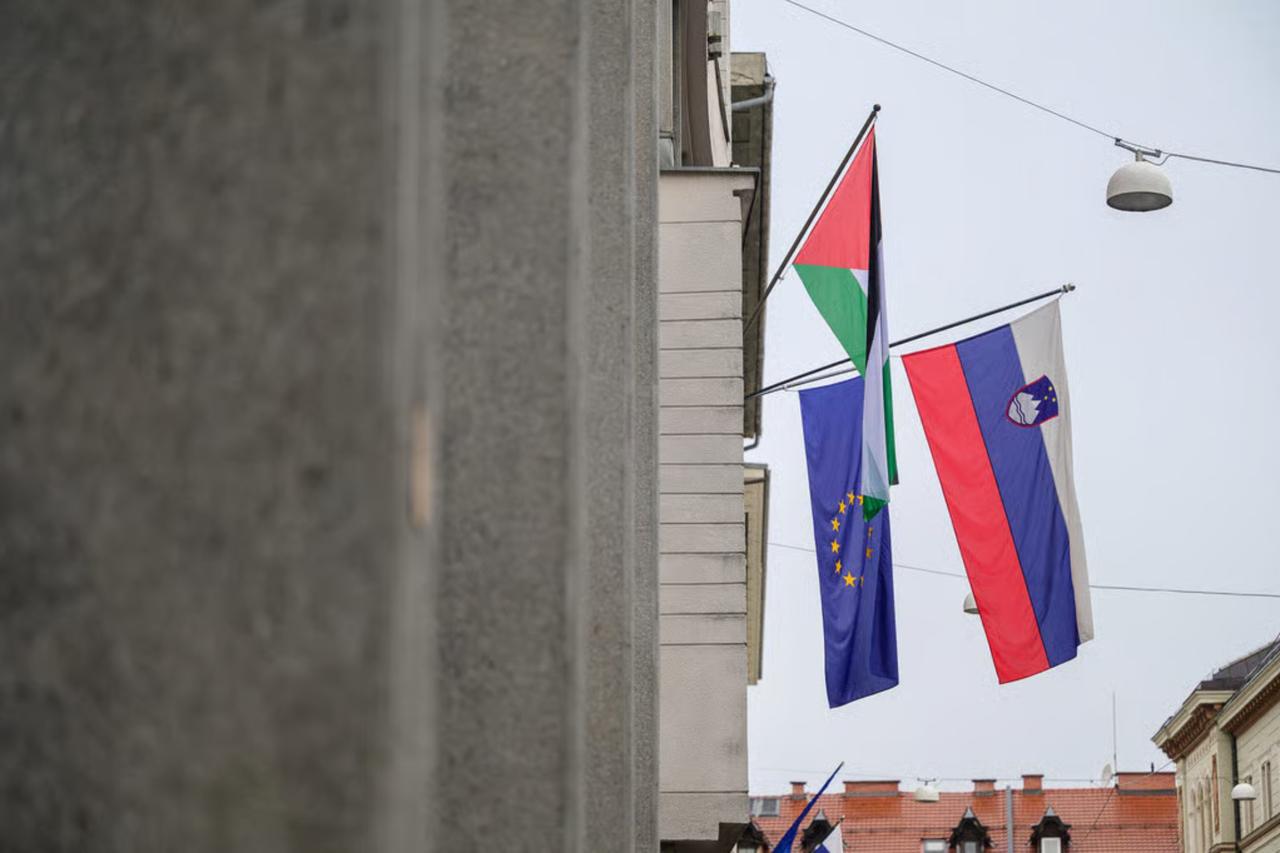
The Palestinian flag was removed from state institutions, restrictions on settlement imports were lifted, entry bans on Israeli Prime Minister Benjamin Netanyahu and two Israeli ministers were revoked, and military cooperation with Israel resumed. Israel welcomed the change by announcing plans to establish its first resident embassy in Slovenia.

Jansa has made little effort to conceal the political message.
He has argued that Slovenia’s recognition of Palestine was politically motivated and legally questionable. Although his government has not withdrawn the recognition itself, it has dismantled many of the policies that accompanied it while signalling that Slovenia’s future lies alongside Israel and its Western allies rather than among the European governments seeking greater diplomatic pressure over Gaza.
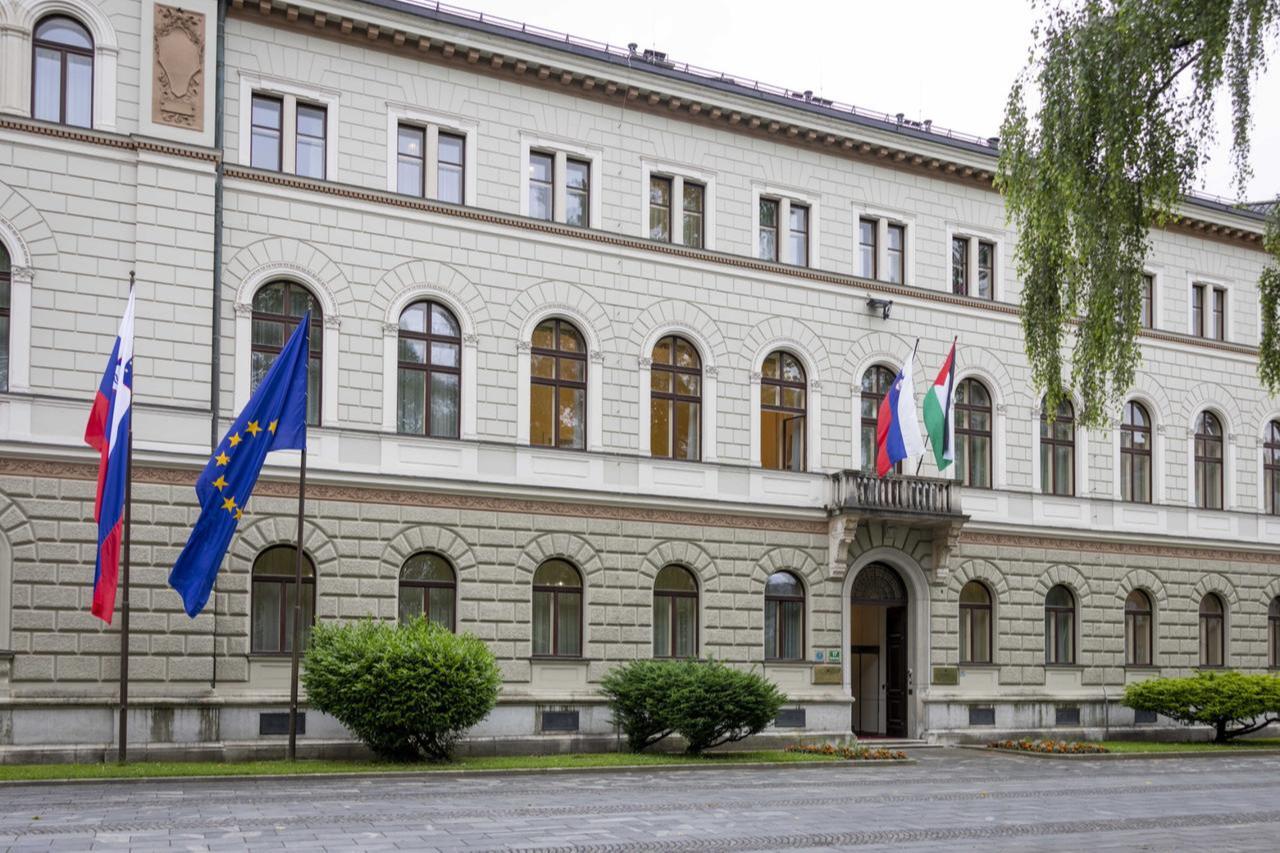
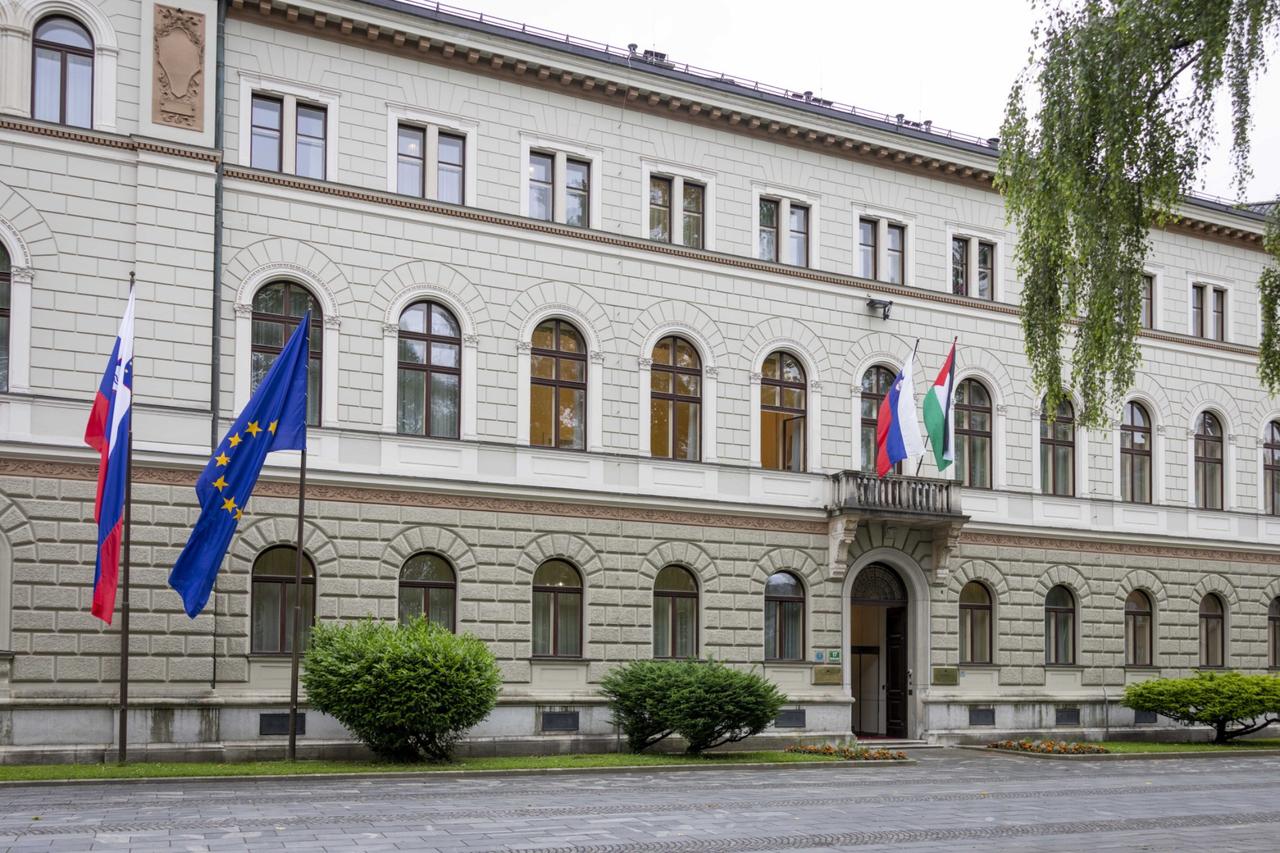
President Natasa Pirc Musar has emerged as the most visible defender of Slovenia’s earlier position. After the government removed the Palestinian flag from parliament, she ordered it to fly above the Presidential Palace instead.
The symbolism was unmistakable.
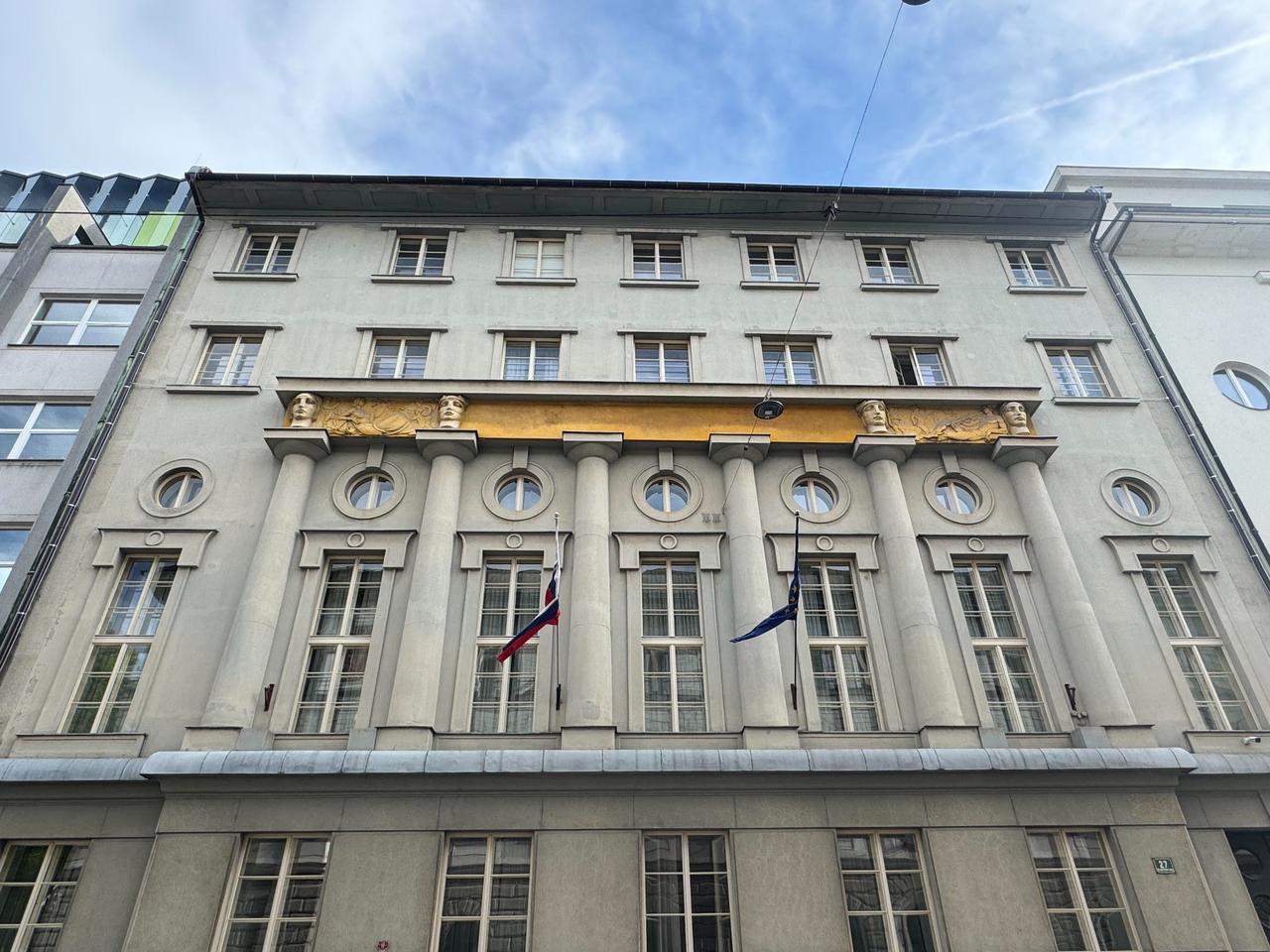
“The genocide against Palestinians has not been brought to an end,” she said, explaining that the flag was intended as a reminder of continuing violations of international humanitarian law.
She later warned that she would continue speaking out whenever constitutional values, human rights or international law were threatened, making clear that the presidency would not quietly follow the government’s new direction.
And while one institution lowered the Palestinian flag, another raised it.
One country. Two centers of political authority. Two competing visions of Slovenia’s place in the world.
This is what makes Slovenia’s political shift important beyond its borders. The story is no longer simply about Israel or Palestine.
It is about whether foreign policy should survive elections. Democracies are expected to produce political change. Governments receive mandates to implement different priorities. That is how democratic systems function.
Foreign policy, however, depends on something else as well: credibility. Allies expect commitments to endure beyond electoral cycles. Investors expect predictability. International partners assume that a country’s diplomatic identity reflects more than the ideology of whichever coalition happens to govern at a particular moment.
When every election produces a radically different foreign policy, that credibility begins to erode. This dilemma is particularly acute for smaller states.
Unlike major powers, countries such as Slovenia possess limited military or economic leverage. Their influence comes largely through consistency, reputation and the ability to persuade others that their positions are grounded in principle rather than domestic political expediency. That is precisely why Slovenia’s reversal matters.
Recognition of Palestine was never simply a diplomatic act. It became part of the country’s international identity. Slovenia presented itself as a principled defender of humanitarian law at a moment when much of Europe appeared divided and uncertain.
Today, that identity is being replaced by another.
But there is an important distinction between adjusting priorities and dismantling an entire diplomatic identity within days of taking office. The wider European implications should not be ignored.
For months, Brussels has insisted that the European Union remains a geopolitical actor built upon consistency, international law and predictable partnerships. Yet the war in Gaza has exposed profound divisions between member states that increasingly mirror domestic ideological battles. Foreign policy has become an extension of internal politics.
Support for Israel or Palestine increasingly functions as a marker of political identity rather than a carefully calibrated diplomatic position.
Slovenia has become one of the clearest examples of that trend.
The country’s debate is no longer only about Gaza. It is about whether principles can survive political turnover.
If a state’s understanding of international law, humanitarian responsibility and diplomatic priorities changes completely every time voters elect a new government, then foreign policy begins to resemble an election manifesto rather than a long-term national strategy.
Europe’s credibility has always rested less on military power than on the belief that its commitments outlast governments.
That may be the real lesson from Slovenia.
Because credibility in international relations takes decades to build.
It can begin to disappear in a matter of days.


 Set as preferred source
 Set as preferred source


 1 min read
 1 min read