Newsletters




This article was originally written for Türkiye Today’s bi-weekly Balkans newsletter, BalkanLine, in its June 26, 2026 issue. Please make sure you are subscribed to the newsletter by clicking here.
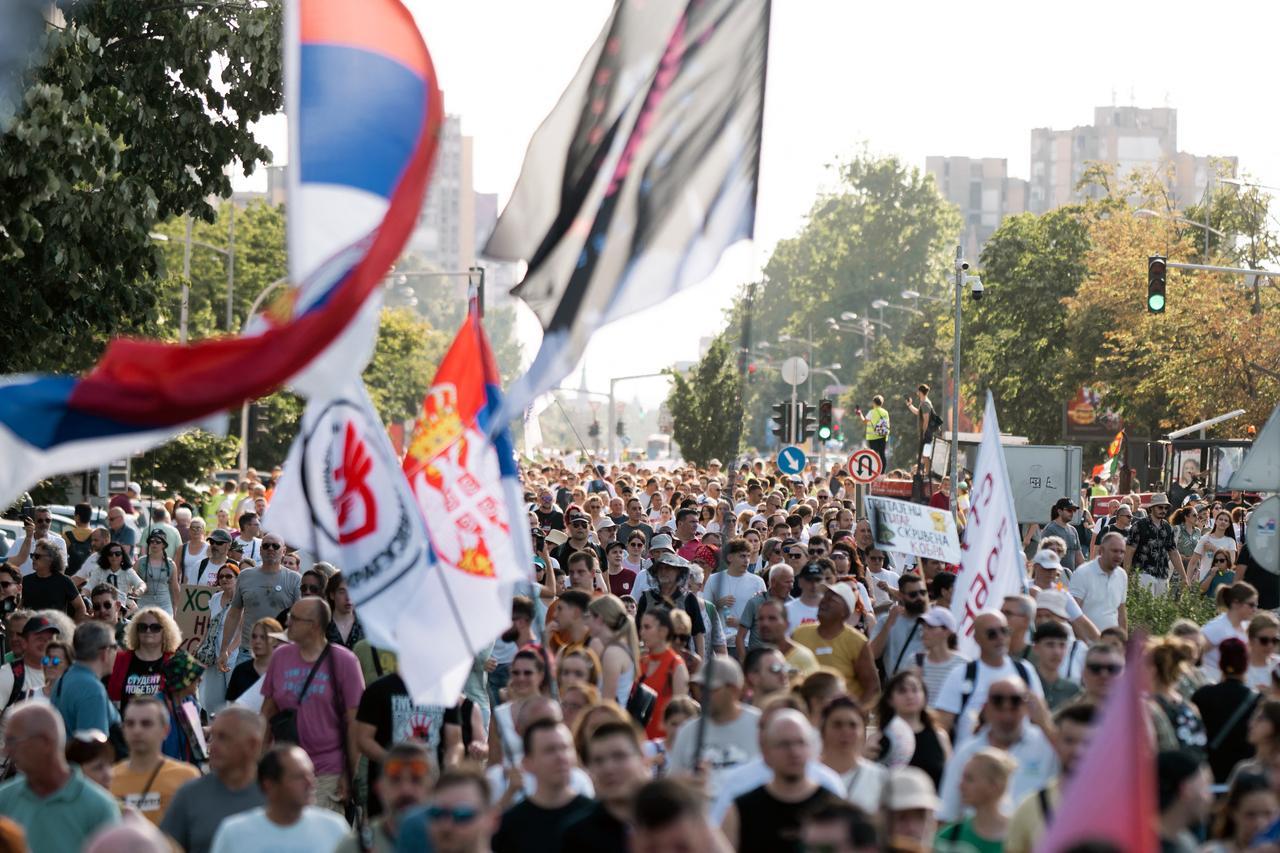
Serbia's protest movement took another step away from its original trigger as thousands gathered in Novi Sad to commemorate the 16 victims of the railway station canopy collapse while demanding snap parliamentary elections.
The demonstrations, initially led by students demanding accountability over the disaster, have increasingly evolved into a broader anti-government movement.
Activists from the student-led movement say they want to challenge Aleksandar Vucic and the ruling Serbian Progressive Party (SNS) in the upcoming parliamentary and presidential elections. Both are scheduled for 2027, although Vucic has repeatedly said he could call early elections in the coming months.
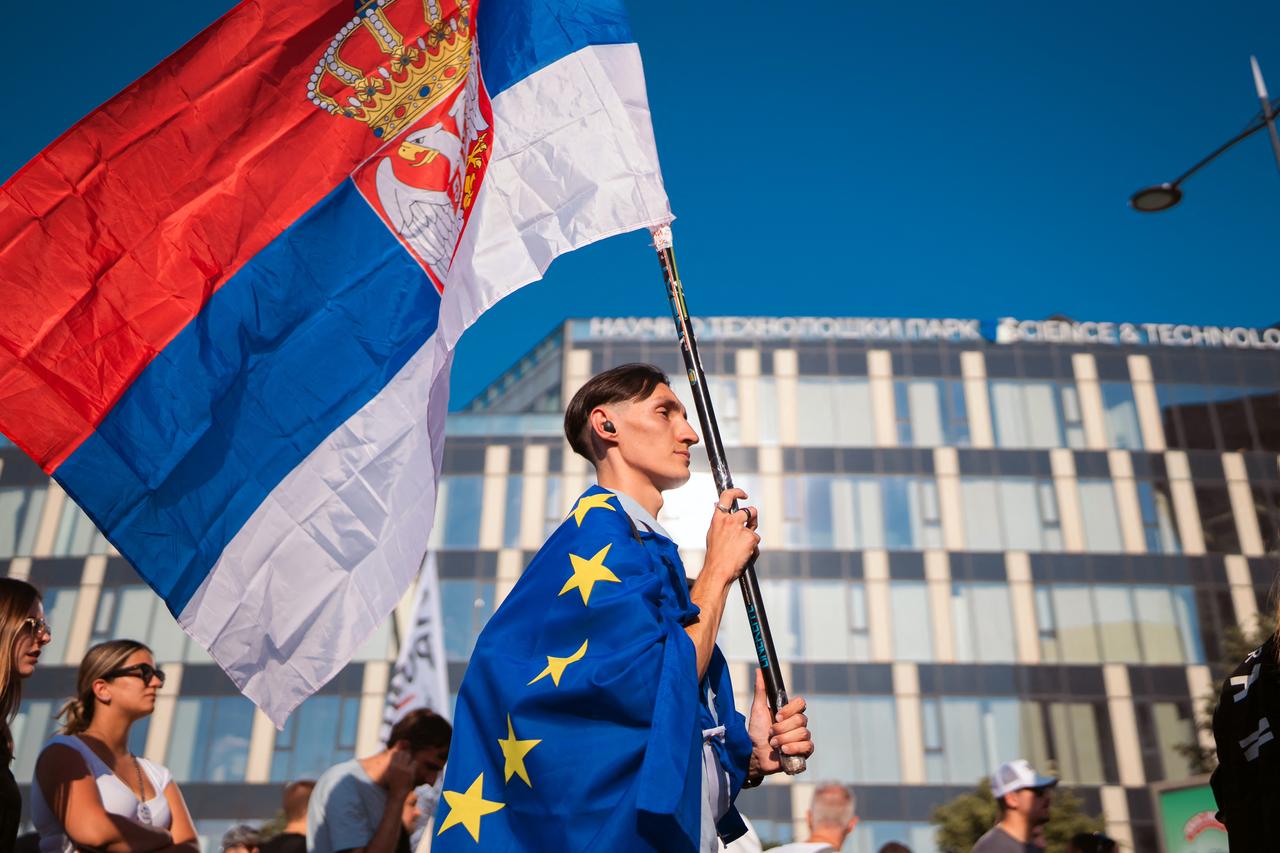

Meanwhile, Vucic is not sitting idle. He announced that his supporters would rally on June 27. "I invite them (people) not to show anger towards anyone ... but to gather under the Serbian flag," he said.
Although I don't subscribe to the idea that history is nothing more than a repetition of itself, as these protests continue, I can't help but wonder: Is Serbia slowly laying the groundwork for another Oct. 5 moment?
This year, the Balkans are certainly not short of protests.
Hundreds gathered in Tirana for the 26th consecutive day of demonstrations against the planned luxury tourism development in Zvernec, a project reportedly linked to Ivanka Trump and Jared Kushner.
The protests have grown beyond opposition to a single investment project, raising broader questions about transparency, public consultation and the way strategic development projects are managed.
Adding another dimension to the dispute, Albania's Special Prosecution Office has reportedly launched an investigation into the project, making it unlikely the issue will disappear from the political agenda anytime soon.
Let's talk about governance.
Romania's parliament rejected Prime Minister-designate Adrian Vestea's proposed cabinet, extending the country's political deadlock and forcing President Nicusor Dan to nominate yet another candidate.
The failure highlights the growing fragmentation of Romanian politics, in which no political bloc currently appears capable of forming a stable parliamentary majority. If another nominee also fails, Romania could head toward snap elections.
Under Romanian law, the president may dissolve parliament if two prime minister-designates fail to secure parliamentary approval within 60 days.
At a time when Bucharest is trying to reduce the EU's largest budget deficit and secure billions of euros in European recovery funds, another election is probably the last thing the country needs.
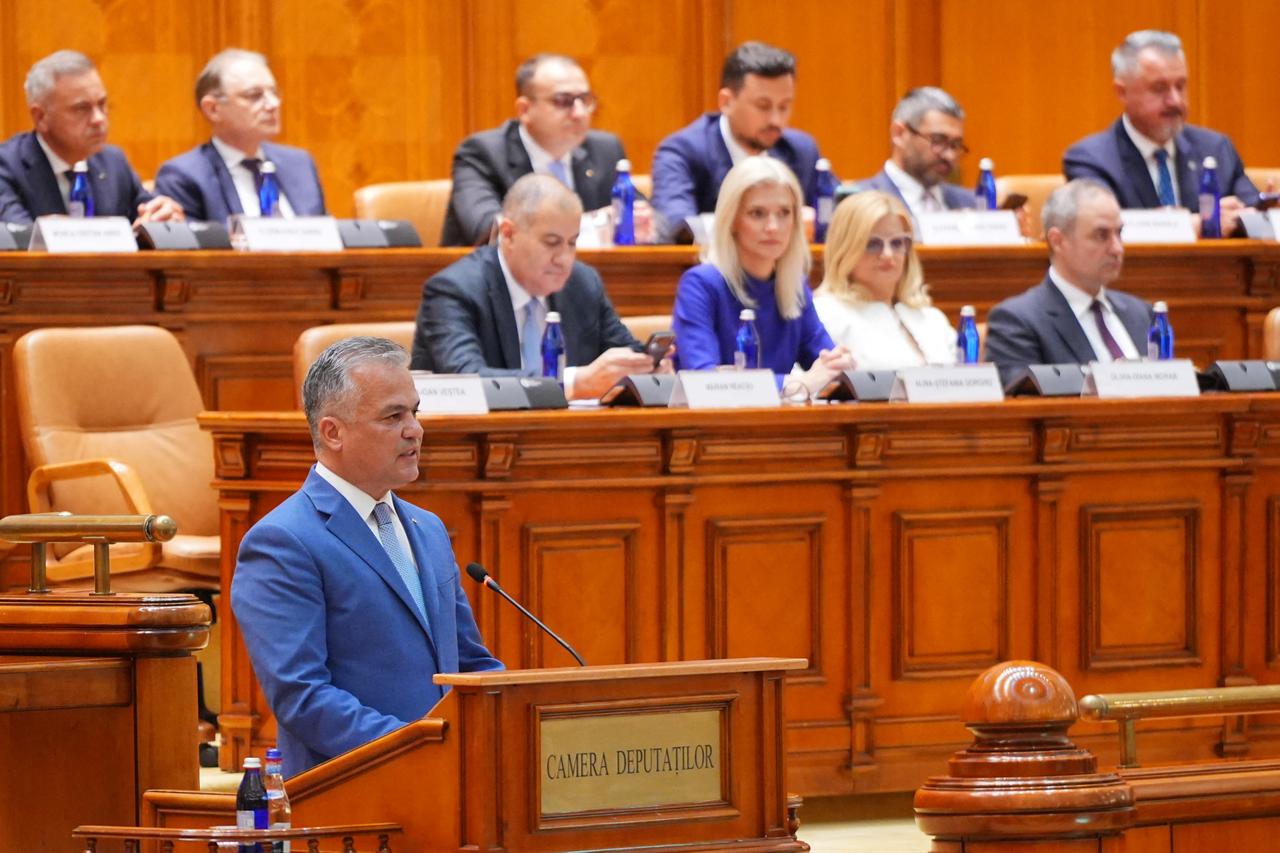
Meanwhile, parliament's tacit adoption of a non-binding proposal advocating the unification of Romania and Moldova briefly shifted attention toward identity politics, even though the country's more immediate challenge remains forming a functioning government.
The proposal reaffirms Romania's historical and political ties with Moldova and now moves to the Senate for debate. While unlikely to produce any immediate legal consequences, it ensures the issue will remain part of Romania's domestic political conversation.
However, support for reunification remains politically sensitive; Romania’s Senate voted down a similar bill in 2023.
In this issue, we're going with twins. So, let's move from one government crisis to another.
The difficult part starts now for Kosovo.
Kosovo's political parties are once again preparing for coalition negotiations after the June 7 parliamentary election, with Prime Minister Albin Kurti saying talks will begin as soon as the final results are officially certified.
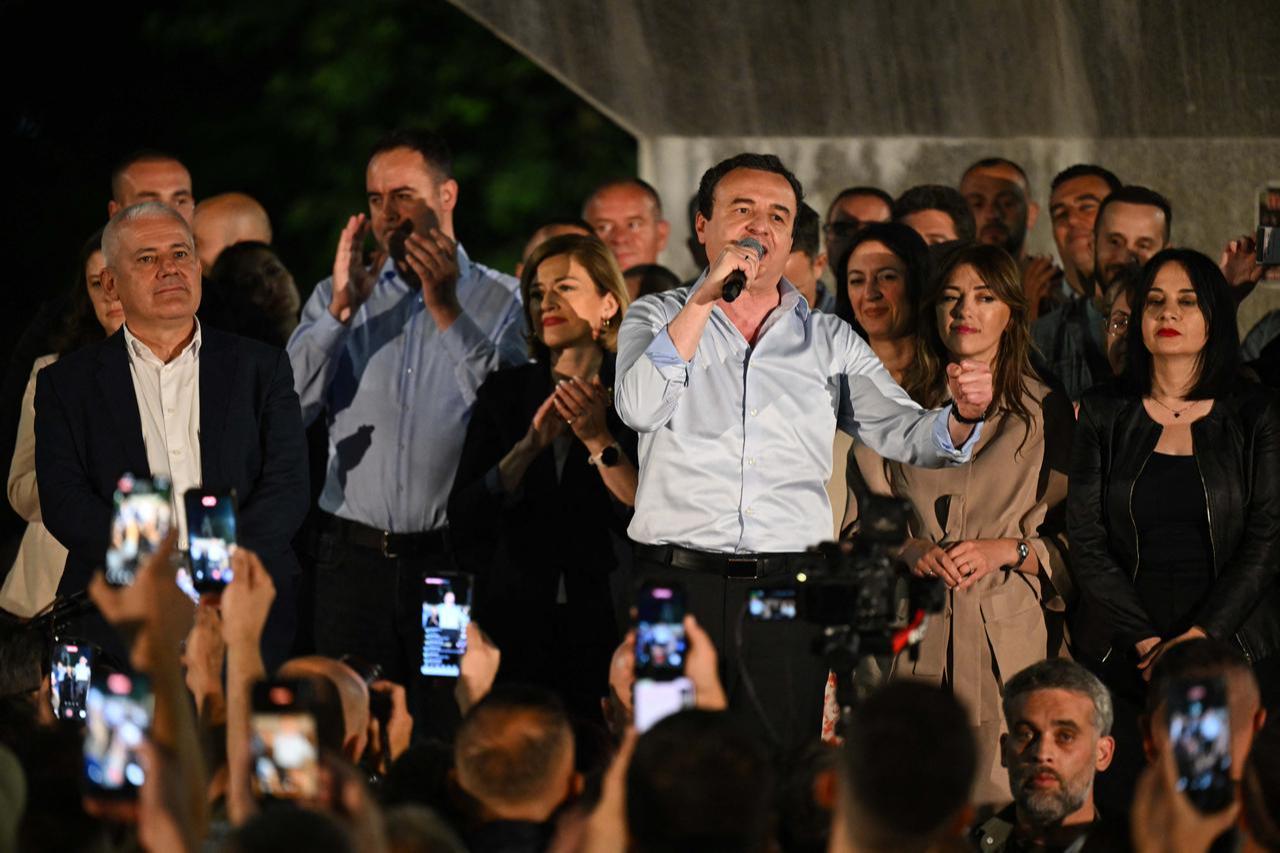
Although Vetevendosje remained the largest party, the election produced another fragmented parliament where compromise will once again be unavoidable.
Perhaps the more telling figure was turnout, which dropped sharply compared with the previous election, suggesting growing voter fatigue after repeated electoral cycles and prolonged political deadlock.
The election answered one question, but left another unresolved: Who can actually govern?
One development that received far less political attention may ultimately prove among the most consequential.
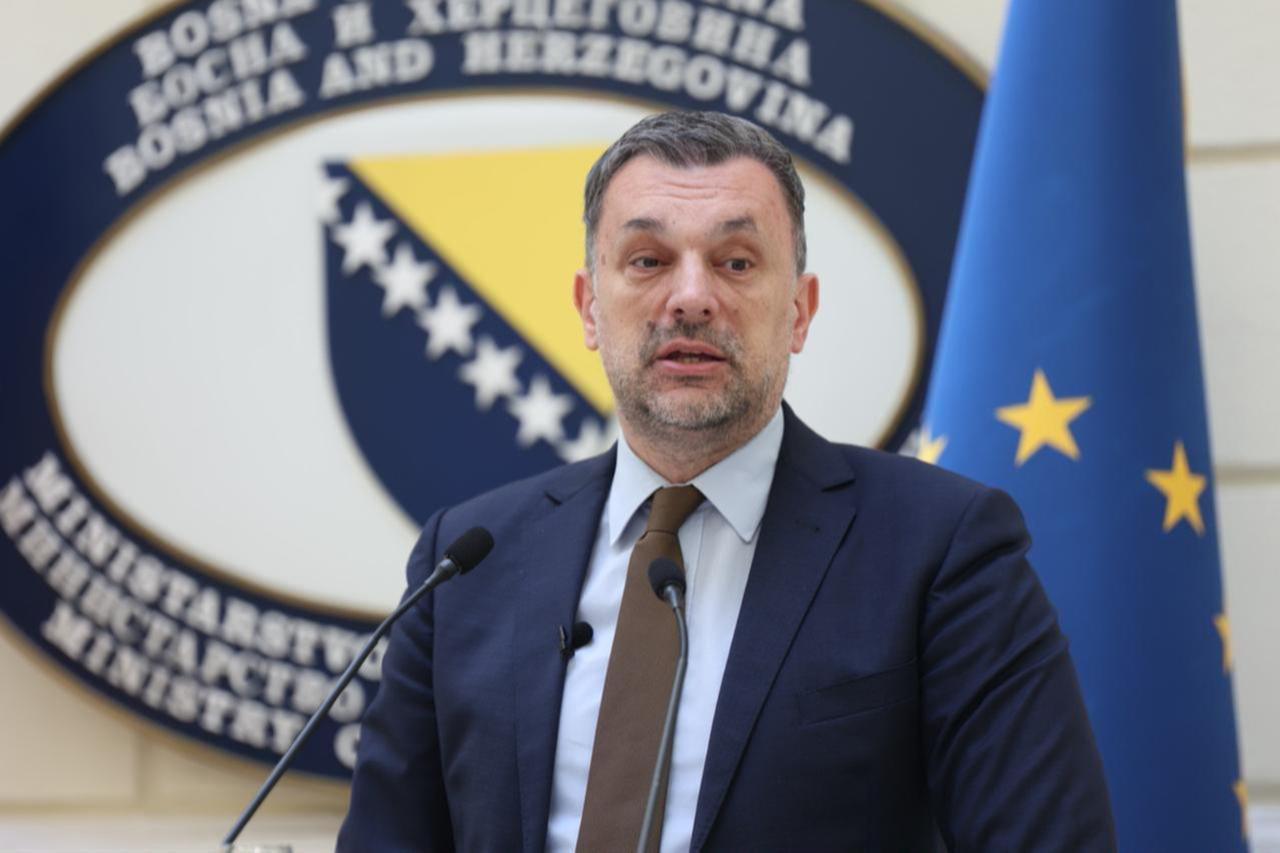
The Financial Action Task Force (FATF) placed Bosnia and Herzegovina back on its grey list, subjecting the country to increased monitoring over deficiencies in combating money laundering and terrorist financing.
Unlike many of Bosnia's recurring political disputes, the consequences of grey-listing are tangible. Increased scrutiny of financial transactions, delays in international payments and a weaker investment climate are likely to affect businesses long before politicians agree on another reform package.


 Set as preferred source
 Set as preferred source


 2 min read
 1 min read