Newsletters


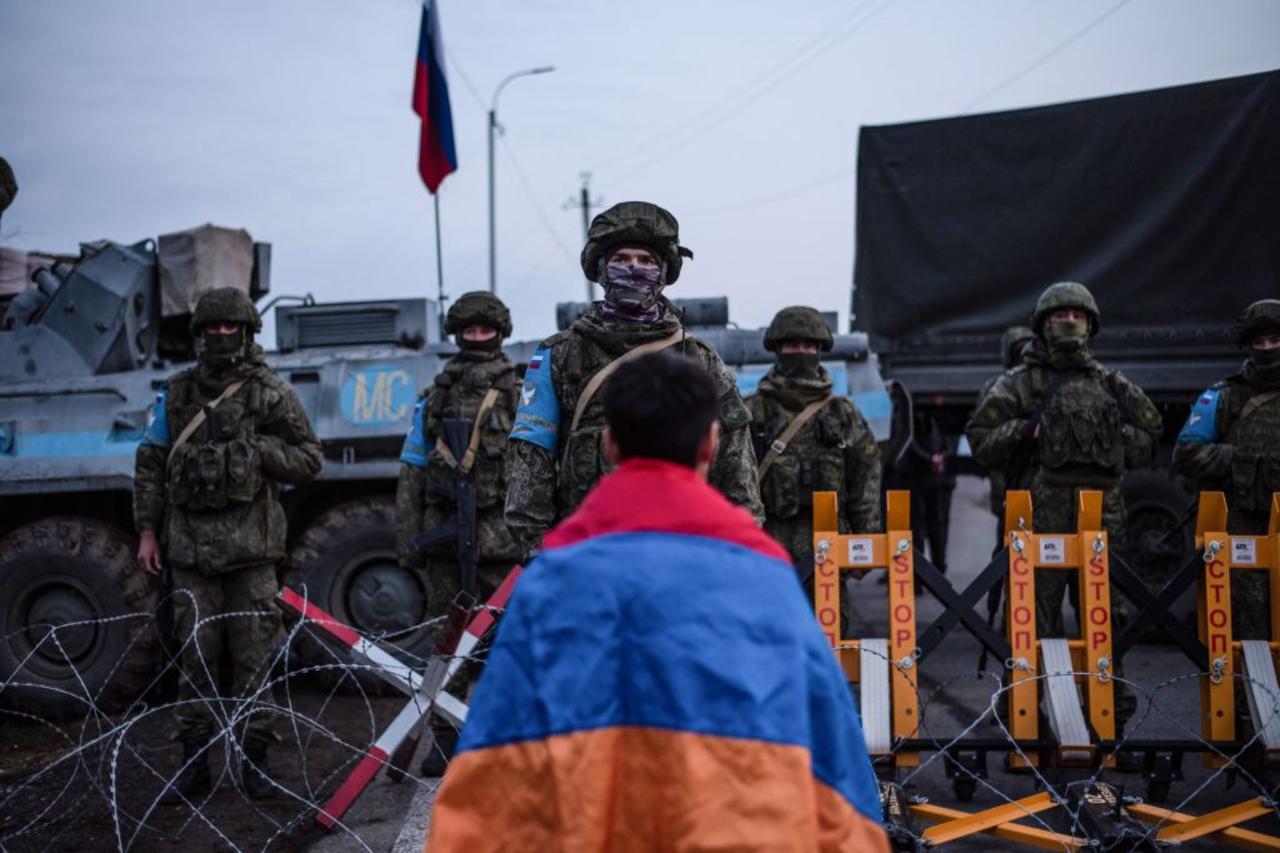


For decades, Armenia's dependence on Russian security guarantees gradually evolved into a mechanism of hybrid control exercised by the Kremlin.
The cornerstone of Russia's military presence in the country remains the 102nd Russian military base in Gyumri, which has long served not only as a security asset but also as an instrument of political influence, limiting Yerevan's strategic autonomy.
Russia's presence has been deeply embedded in key elements of Armenia's security architecture, including the joint air defense system and border control mechanisms.
For many years, this allowed Moscow to exert significant influence over Armenia's defense planning and effectively discourage efforts to diversify its military partnerships. Only recently has Yerevan begun to gradually restore control over border checkpoints along its frontiers with Türkiye and Iran.
The complete failure of Russian security guarantees and the inaction of the CSTO during the two most recent Karabakh wars in 2020 and 2023 shattered the perception of Russia as a reliable security partner.
Many in Armenia increasingly view Moscow as having prioritized its own geopolitical interests, using Armenia's vulnerability to advance broader regional objectives in its relations with other actors, including Azerbaijan and Türkiye.
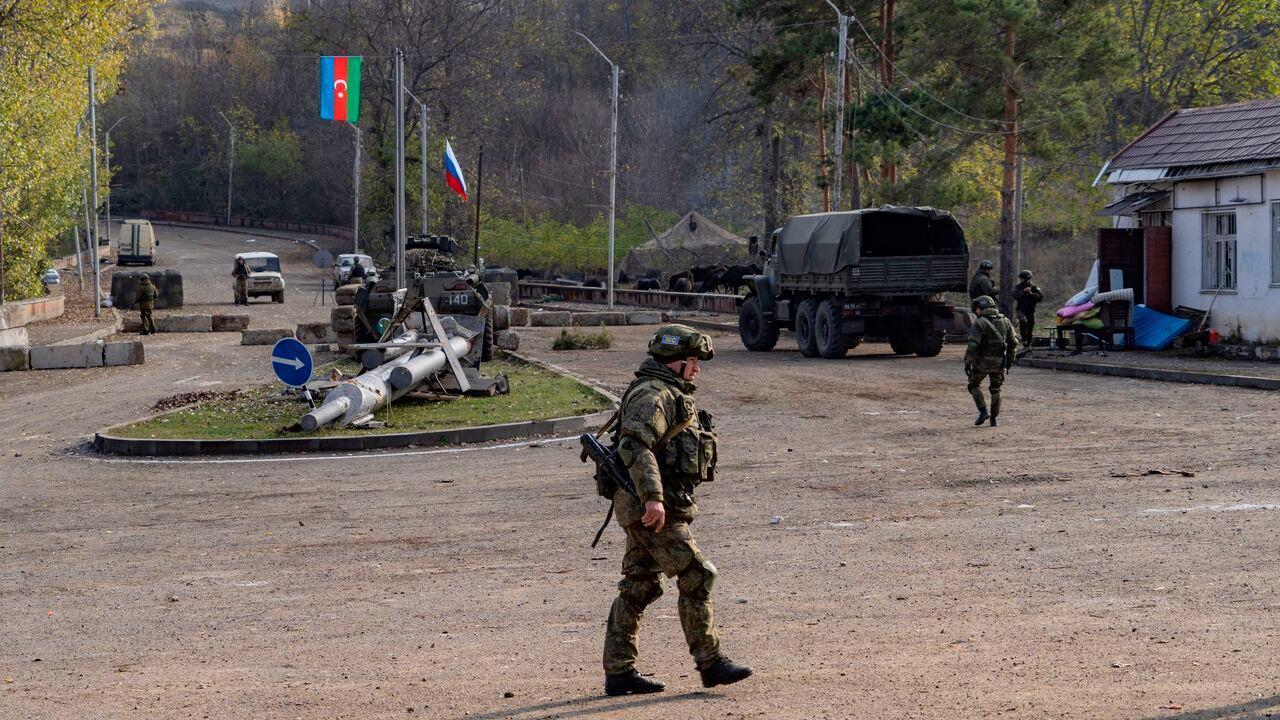

Moscow's inability to fulfill its security commitments pushed Yerevan to freeze its participation in the CSTO and actively seek alternative partnerships with Western countries.
This decision was not a sudden political shift but a logical response to the growing realization that Russia's military presence was becoming a source of vulnerability rather than stability for Armenia.
Armenia's efforts to deepen cooperation with France, the United States, and the European Union have triggered an increasingly hostile reaction from Russia's political and military leadership.
The Kremlin views Yerevan's sovereign foreign policy choices as a direct challenge to its traditional dominance in the South Caucasus and continues to oppose any expansion of Armenia's ties with NATO members and Western security partners.
In response, Russian officials, state-controlled media outlets, and pro-Kremlin military commentators have launched a broad information campaign aimed at discrediting Western assistance.
Particular attention has been devoted to questioning the effectiveness of Western-made defense systems and military equipment.
Moscow's broader objective is to preserve its monopoly on arms supplies and maintain the Armenian military's technological dependence on Soviet and Russian standards.
Despite sustained political pressure and coercive rhetoric from the Kremlin, Armenia made significant progress in modernizing its defense sector between 2024 and 2026 through closer cooperation with France.
Contracts for the delivery of GM200 radar systems, Mistral air-defense systems, and Bastion armored vehicles have laid the foundation for a new generation of air-defense capabilities and highly mobile military units.
These steps mark an important stage in Armenia's broader effort to diversify its security partnerships and strengthen its strategic autonomy.
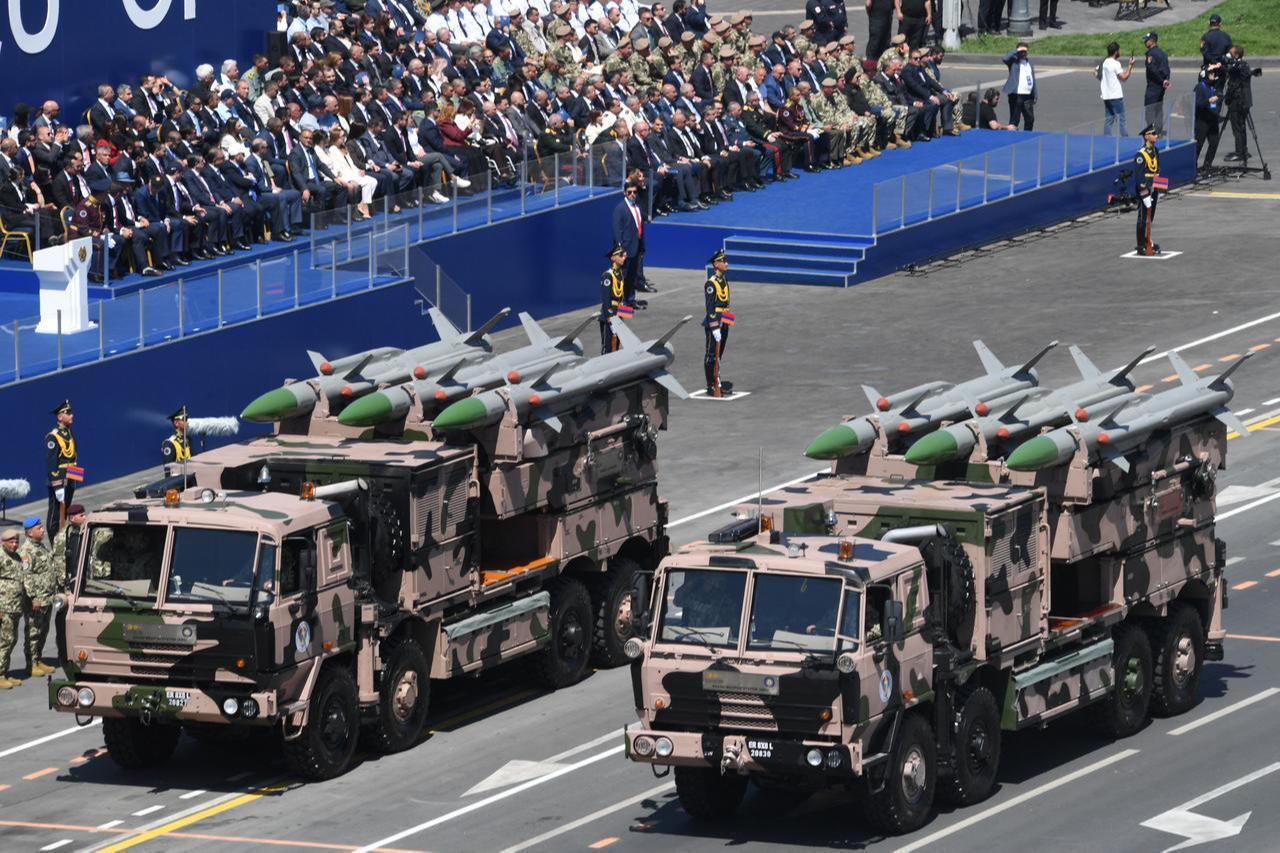
An important step in the diversification of Armenia’s security policy has been the expansion of defense cooperation with the United States through joint military exercises such as Eagle Partner, held in August 2025.
These exercises help improve interoperability between Armenian forces and NATO militaries while facilitating the adoption of modern command-and-control standards and operational practices.
Institutional support from the European Union has also become an increasingly important pillar of Armenia’s security transformation.
Through instruments such as the European Peace Facility, Yerevan has gained access to funding for non-lethal military assistance and logistical support. In July 2024, Armenia received €10 million ($11.5M) from the European Peace Facility.
This financial assistance strengthens the resilience of Armenian state institutions and demonstrates Europe’s long-term commitment to stability and security in the South Caucasus.
Western military and technical assistance is already contributing to the gradual transformation of the Armenian armed forces, reducing their dependence on outdated Russian doctrines and military concepts.
Defense consultations, training programs, and institutional cooperation are helping to modernize military education, operational planning, and strategic decision-making in accordance with Western standards.
At the societal level, perceptions of Russia’s military presence have undergone a profound transformation.
Following Armenia’s defeats in the two most recent Karabakh wars, during which Moscow failed to provide meaningful military support, public trust in Russia as a security guarantor has sharply declined.
Opinion surveys and public debates increasingly reflect growing skepticism toward the Kremlin and stronger support for reducing Russia’s military footprint in the country.
Public attitudes have also been shaped by several high-profile incidents involving Russian military personnel stationed in Armenia. Among the most significant was the 2015 murder of the Avetisyan family in Gyumri, a tragedy that sparked widespread public outrage.
The conduct of Russian authorities and repeated attempts to shield those responsible from accountability were widely perceived as violations of Armenia’s sovereignty and became a catalyst for public protests.

The current situation in the South Caucasus requires NATO and the European Union to clearly recognize that Armenia is attempting to free itself from decades of Russian political and security dominance while facing substantial pressure from the Kremlin.
Western support should therefore extend beyond military and technical assistance and include political backing capable of mitigating the risks of economic, energy, and political coercion from Moscow.
The successful integration of Armenia into Western security initiatives would not only weaken Russia’s traditional influence in the South Caucasus but also contribute to the emergence of a more stable, democratic, and resilient regional order.
Greater involvement in Western security frameworks would gradually reduce Armenia’s dependence on Russian military bases and the coercive instruments that Moscow has long used to maintain its influence.
Such a transformation would provide Yerevan with the opportunity to develop an independent security policy in cooperation with the European Union and NATO, strengthening its strategic autonomy and national resilience.
In the long term, Armenia’s diversification of security partnerships could become an important factor in promoting regional stability, reducing the risk of renewed conflicts, and fostering a more balanced security architecture across the South Caucasus.
Ultimately, Armenia’s ongoing geopolitical reorientation is not only a question of foreign policy.
It represents a broader effort to secure sovereignty, strengthen democratic institutions, and create the conditions necessary for sustainable peace and development in a region that has long been shaped by geopolitical competition and external influence.
DISCLAIMER: The views and opinions expressed in this article are those of the author and may not necessarily reflect the editorial policy of Türkiye Today.


 Set as preferred source
 Set as preferred source



 7 min read