Newsletters


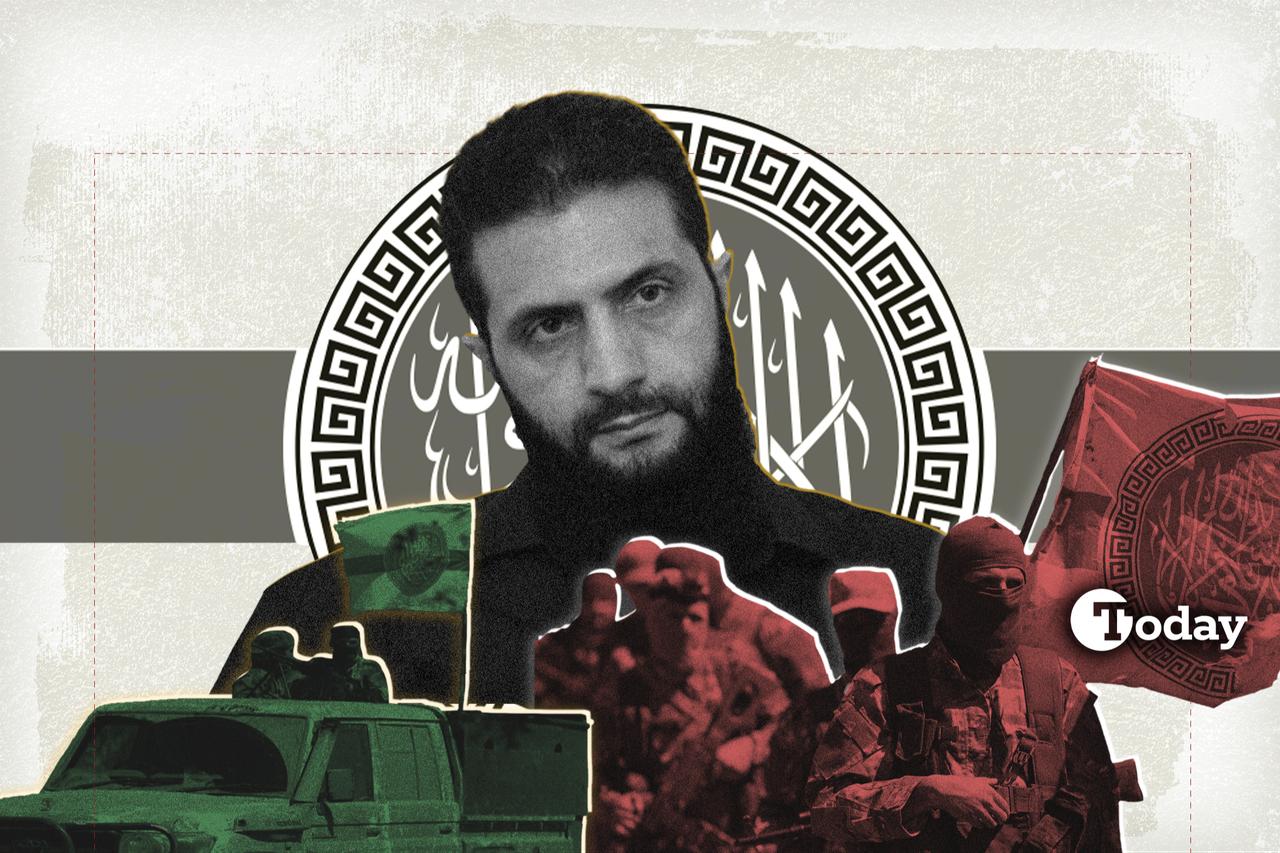


After the fall of the Bashar al-Assad regime, the new Syrian government made clear that it intended to grant Syrian passports to foreign fighters and integrate them into society.
President Ahmad al-Sharaa repeatedly emphasized that he honors their sacrifices for the Syrian people. Yet, more than a year after Assad’s fall, foreign fighters have received neither passports nor clarity about their future. As time passes, this uncertainty is turning into quiet resentment, one that could pose risks for Syria’s stability.
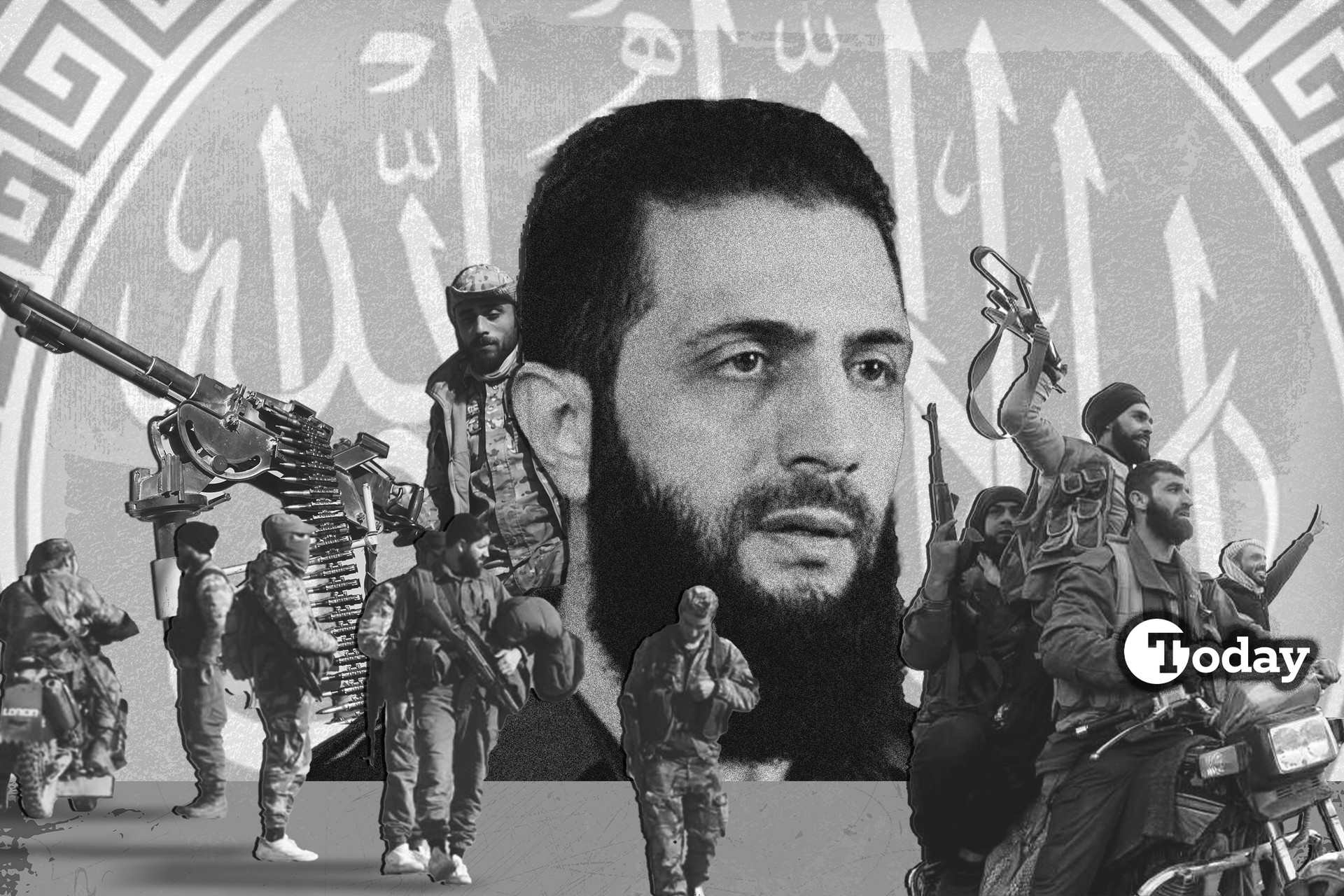
Foreign fighters formed the backbone of some of the most experienced and effective military units that helped topple the Assad regime.
It was these foreign units that broke the strongest defensive lines of Assad and Iran-backed militias a year ago. Today, they remain among the most capable and feared elements of the Syrian army.
Returning to their countries of origin is not a realistic option. After years of combat experience and the delisting of Hayat Tahrir al-Sham, most judicial systems would struggle to prosecute or reintegrate them. For their part, most do not wish to return anyway.
The largest share are Uyghurs who fled Chinese repression. If handed over, they would almost certainly face persecution, or worse. Repatriation is simply not an option.
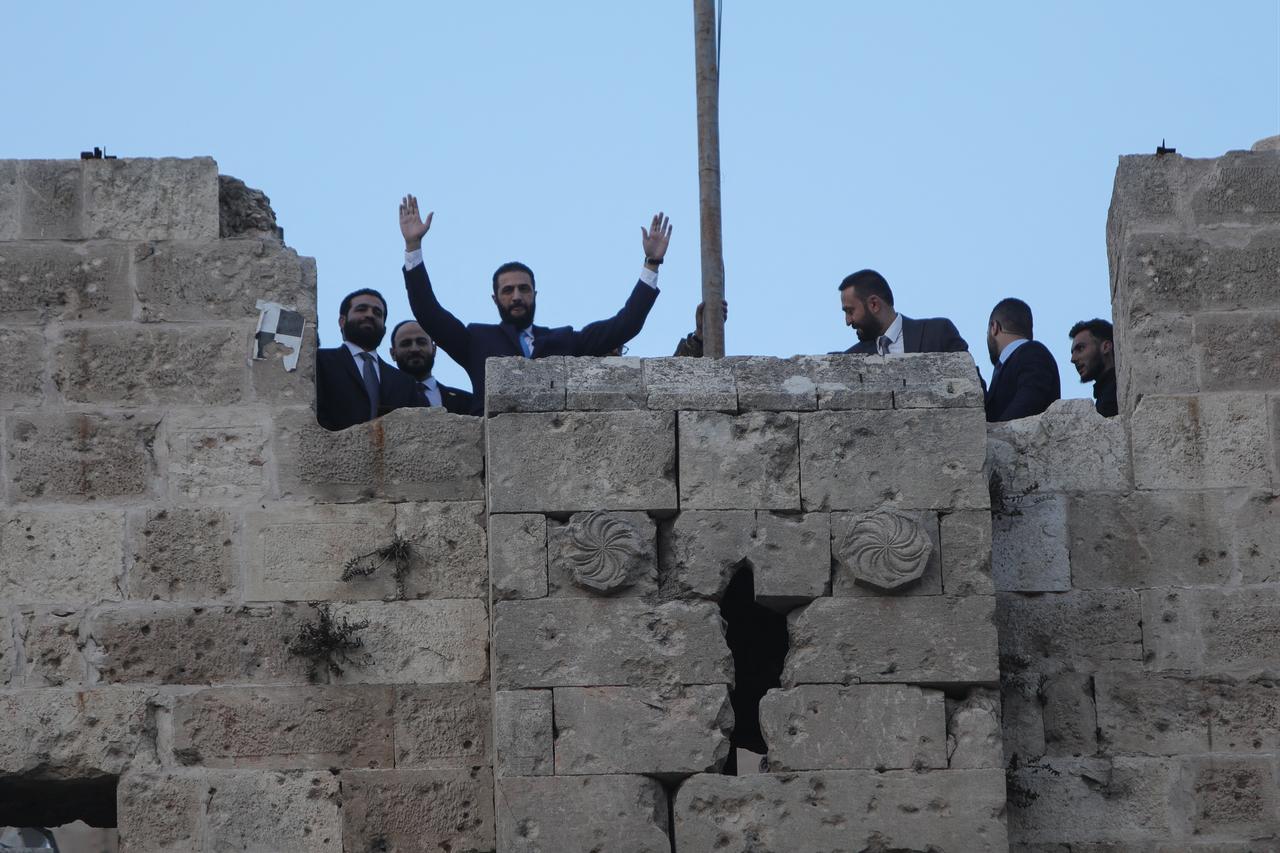

Recognizing this reality, the United States approved the full integration of foreign fighters into the Syrian army months ago, dropping earlier conditions.
That integration has begun. But the Syrian government has still not provided these fighters with legal documents or a clear future.
The longer this ambiguity persists, the more susceptible they become to propaganda from al-Qaeda, Daesh, and similar groups. In Idlib, talks among foreigners about Sharaa are much more critical than a year ago.
Many international actors are trying to push Sharaa toward their preferred vision for Syria—some hoping he will become the modernizing leader they imagine for the region.
Yet every external push complicates Sharaa’s delicate balancing act among his core support base, ordinary Syrians, and foreign governments. And his old support base from the HTS era remains essential for his political survival.
After a year of transition, both the international community and the Syrian public should give Sharaa the green light to fully integrate foreign fighters and effectively “turn them into Syrians.”
Allowing Sharaa space to manage this file is likely the safest and most realistic path. He knows them best, and he has already proved how he can transform them. Further international redlines will not enhance Syria’s stability—they will undermine it.


 Set as preferred source
 Set as preferred source


 1 min read

 1 min read