Newsletters


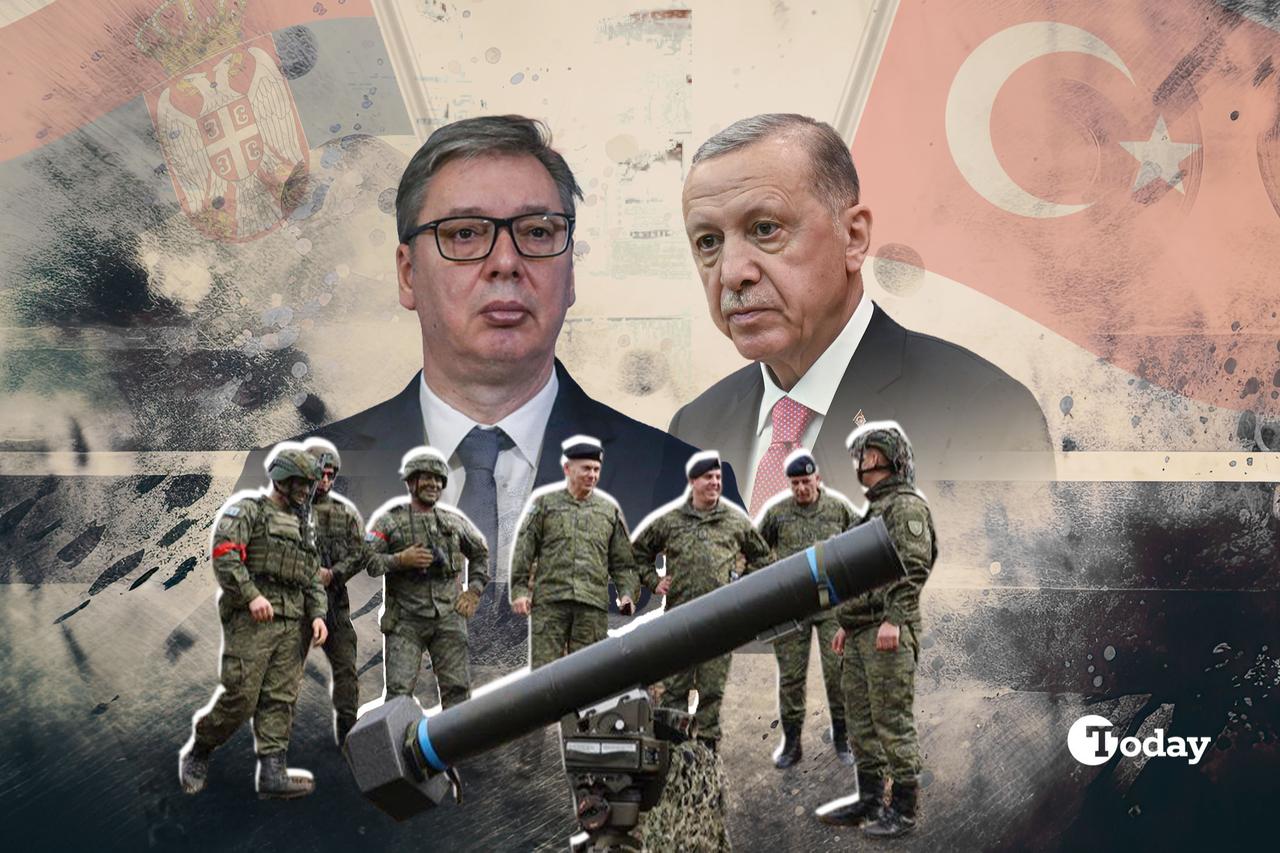


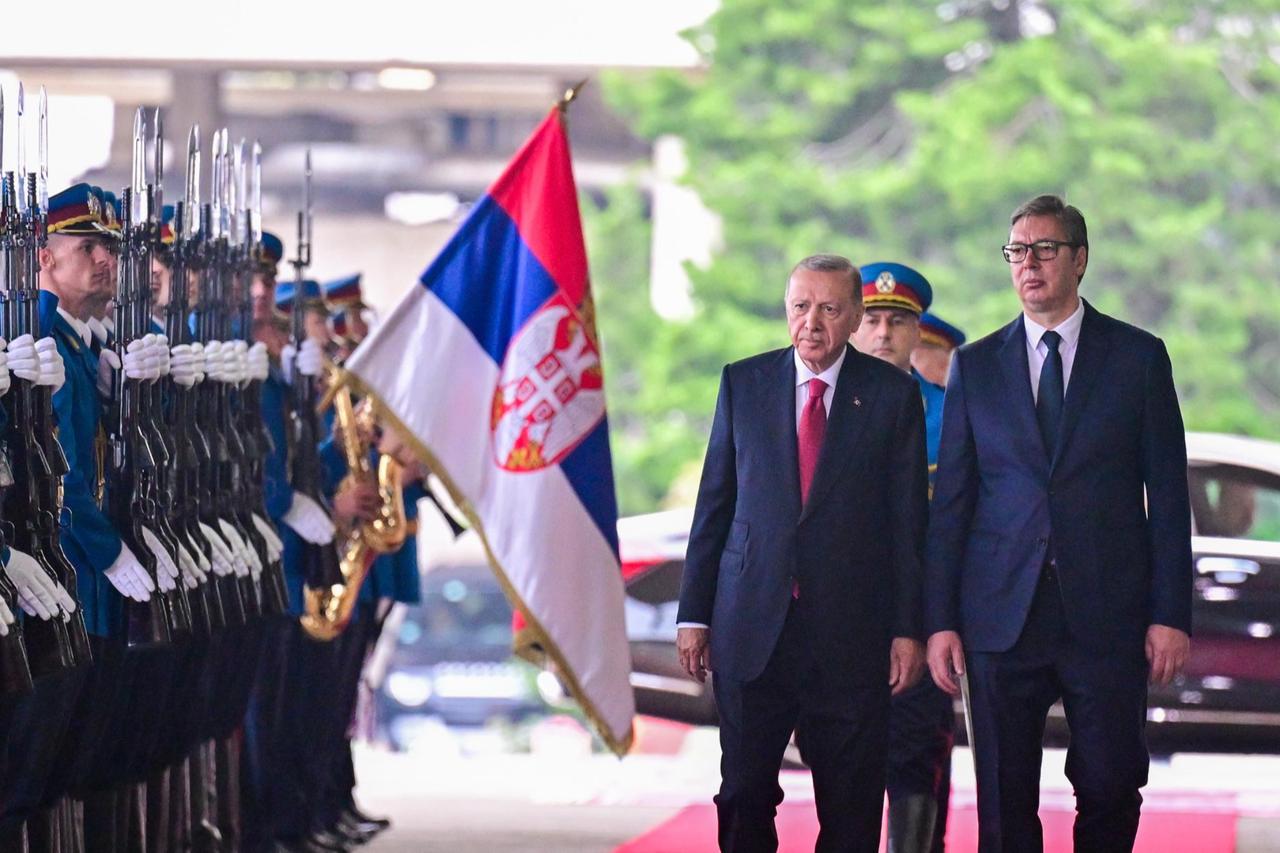
In the closing days of 2025, a familiar rhetorical storm gathered in Belgrade. Serbian President Aleksandar Vucic, speaking to a room of foreign ambassadors, did not merely critique regional policy.
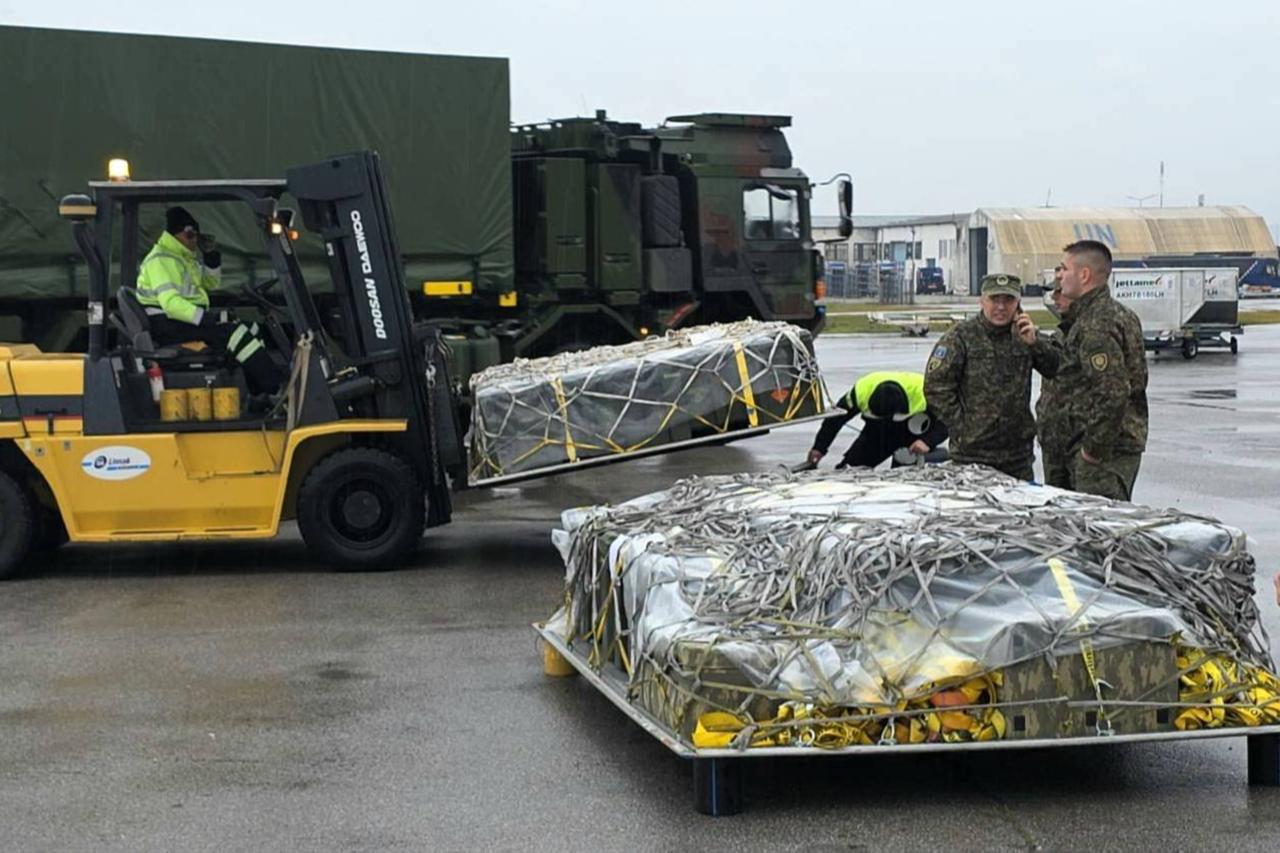
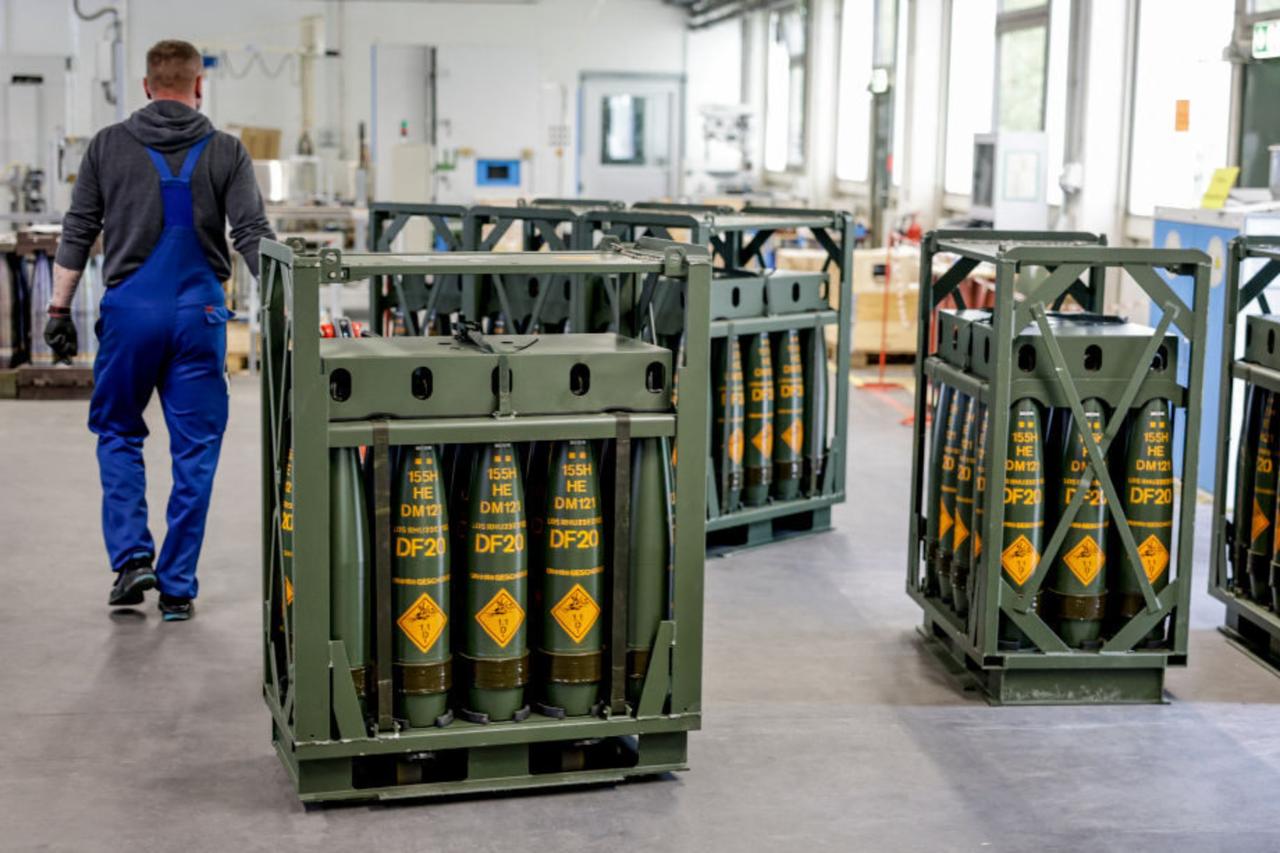
He leveled a direct and explosive accusation, claiming that Türkiye and the United States were actively arming Albanians in Kosovo to “attack Serbia.”
During his speech to foreign ambassadors based in Belgrade, Vucic accused Türkiye and the U.S. of arming Albanians in Kosovo, portraying it as “a direct threat to Serbia and its territorial integrity” and as enabling “attacks on the civilian population and military-police structures of Serbia.”
He also accused Albania, Croatia and Kosovo of creating a “military alliance” aimed at endangering Serbia.
Following his explosive October remarks, when he accused Türkiye of “dreaming of the Ottoman Empire” after the delivery of Skydagger drones to Pristina, Vucic escalated his rhetoric again in December 2025.
Coming just two months after his October tirade against “neo-Ottomanism,” this December shift toward a hard accusation marked a departure from diplomacy into the realm of high-stakes political theater. The question, however, is not whether these accusations are true but rather, why now?
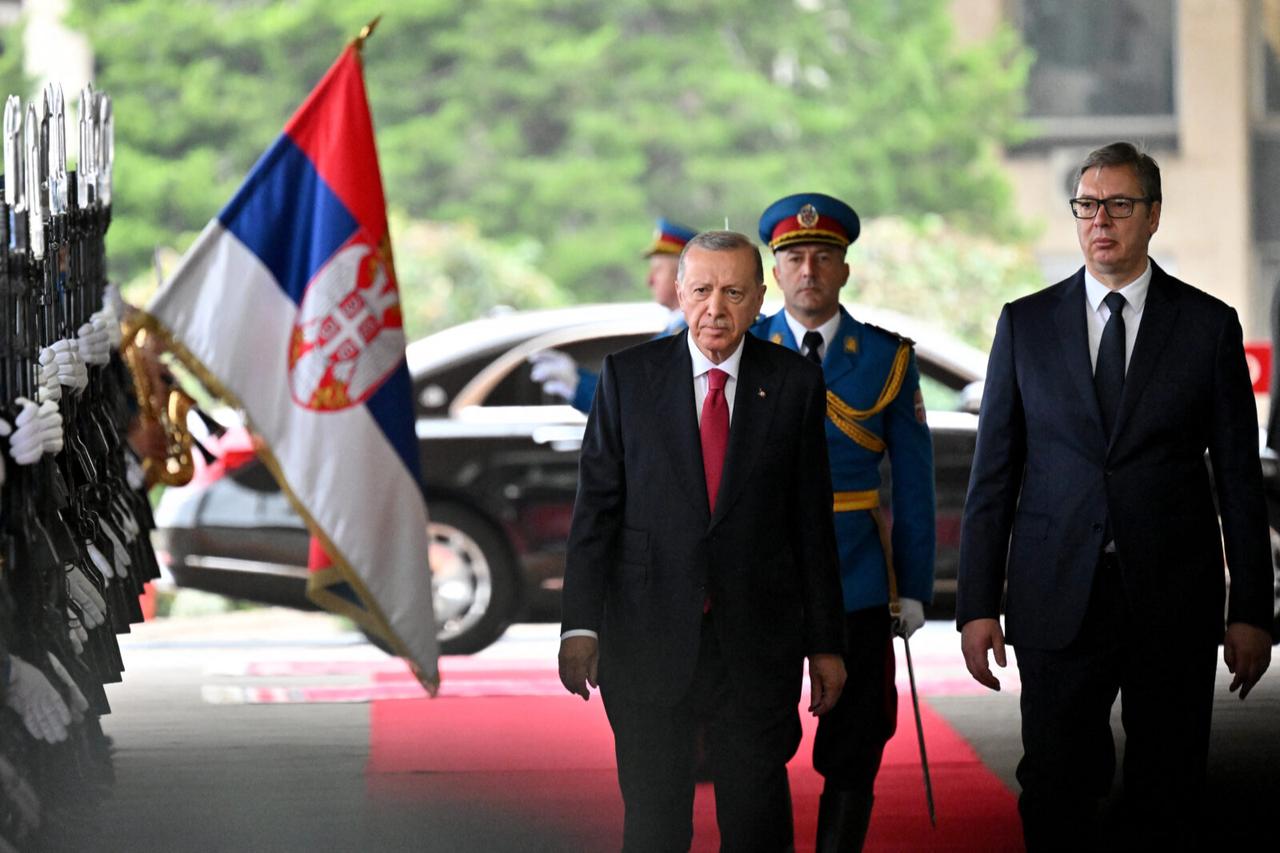

The sudden backlash from Belgrade feels less like a shift in foreign policy and more like a calculated “stress test” of the Ankara-Belgrade axis. Vucic appears to be probing how far he can push the rhetoric before it affects the millions of dollars in Turkish investment and infrastructure projects in Serbia. At this point, it is important to point out that Türkiye’s exports to Serbia increased to $228.9 million in 2025, a 12.8% rise compared with 2024.
The duality is striking. While Vucic accuses Ankara of arming Kosovo, which he frames as a violation of U.N. Resolution 1244, his own administration oversees the highest military budget in the region. In 2024, Serbia’s defense spending reached $2.2 billion, nearly five times that of neighboring Albania.
This raises a glaring contradiction. Belgrade reserves the right to “strategic autonomy” and massive rearmament while labeling Kosovo’s NATO-aligned defense modernization, carried out with the support of a leading NATO member like Türkiye, as an “act of war.”
Türkiye’s defense cooperation with Kosovo, however, is not about “arming” one side for conflict. It is about supporting legitimate self-defense and the institutional maturity of a sovereign state.
Speaking to Türkiye Today, Sarajevo-based and security and defense analyst Harun Karcic said, “Türkiye’s position on Kosovo is clear, long-standing, and shared by most of the Euro-Atlantic world. Calling that destabilization is simply a way to deflect responsibility.”
Ankara’s “moral geometry” in the Balkans rests on transparency. Türkiye’s goal is to foster self-reliance, not dependency. By supporting Kosovo in developing its own defense capacities within NATO standards, Türkiye is reducing regional volatility.
A secure and capable Kosovo is less likely to rely on “borrowed boundaries” or emergency interventions, creating a more stable and predictable security environment for all neighbors, including Serbia.

Speaking to Türkiye Today regarding Vucic’s accusations, Belgrade-based foreign policy researcher Vuk Vuksanovic said, “Neither side appears to have an interest in allowing disagreements to harden into a long-term confrontation.
Serbia remains aware of Türkiye’s regional weight and geopolitical relevance, while Ankara understands that maintaining a working relationship with Belgrade is important for sustaining its broader presence in the Balkans.”
Describing the episode as a “short-term stress test,” Vuksanovic added, “As a result, this episode is more likely to represent a short-term stress test in bilateral relations rather than a fundamental reorientation of Serbia’s foreign policy toward Türkiye.”
Karcic also described Vucic’s remarks as “tactical.”
“For now, it looks tactical rather than strategic,” he said.
“Serbia has a long habit of talking tough while quietly continuing business as usual. Ankara’s decision not to respond publicly reflects confidence, not indifference. Türkiye doesn’t need to trade accusations to make its point.”
Pointing to a deepening contradiction in Belgrade’s approach, Karcic added, “If Serbia continues to benefit from Turkish investment and engagement while portraying Türkiye as a threat, that contradiction will eventually catch up with the relationship. So this may be a stress test—but it’s one initiated by Belgrade. Türkiye has been consistent. The question is whether Serbia can be.”
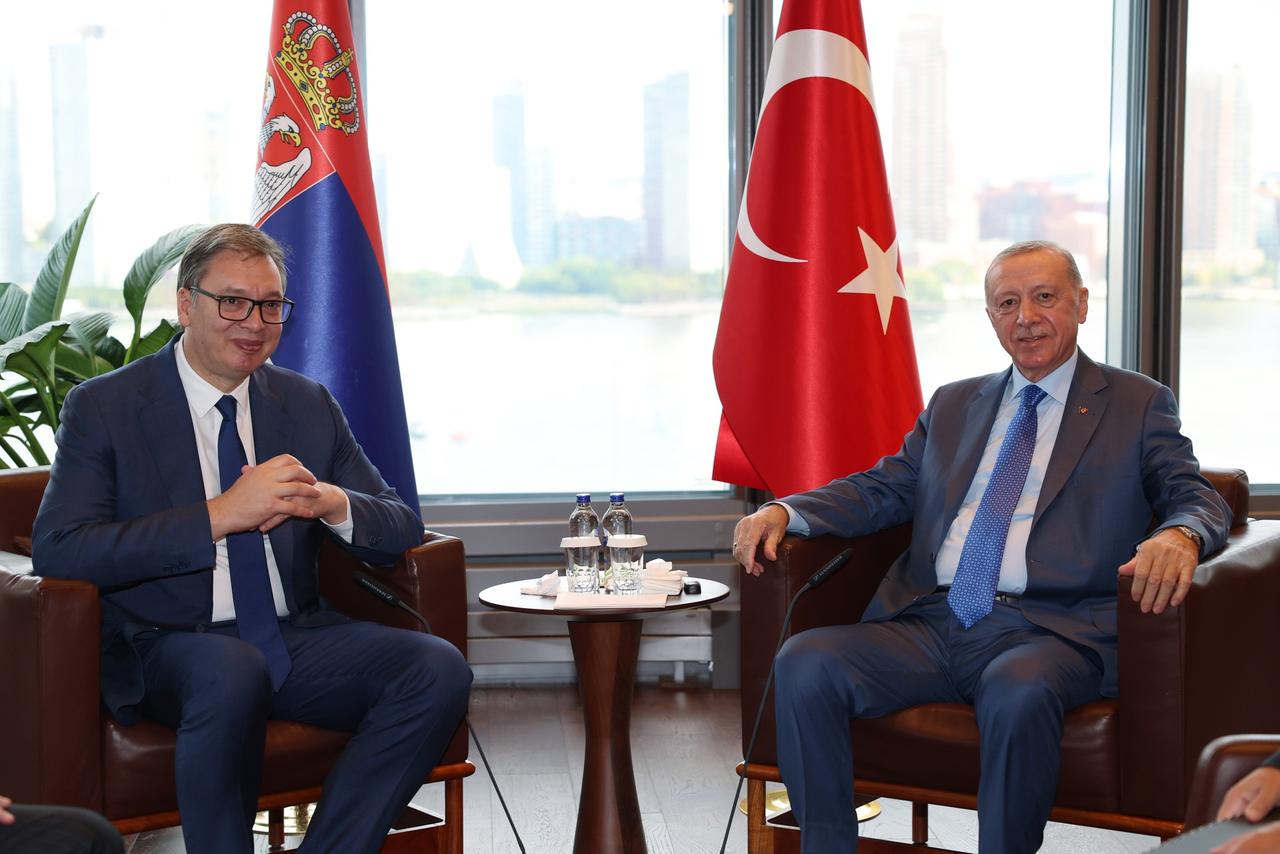
To find the true catalyst for Vucic’s December outbursts, one must look at the streets of Novi Sad and Belgrade rather than the borders of Kosovo.
The Serbian government has been under historic pressure. The fallout from the November 2024 railway station collapse in Novi Sad, which killed 16 people, has grown into a massive, student-led anti-corruption movement.
At the same time, the crisis at Russian majority-owned NIS, Serbia’s sole oil refinery, placed the government under strain after the company came under U.S. sanctions.
Although Serbia’s energy minister said on Jan. 19 that the Russian majority owners had agreed to sell their stake to Hungarian energy giant MOL, the risk of shutdown and the broader crisis put the government in a difficult position.
Vuksanovic said domestic factors are central to understanding the current escalation in tone.
“Serbia is facing sustained student protests and growing pressure linked to potential sanctions on its energy sector, which has weakened the government’s position at home,” he said. “In this context, sharper rhetoric toward Türkiye can be interpreted as part of a broader effort to externalize internal pressures.”
Karcic also pointed to internal politics as a key driver behind Vucic’s outburst.
“In moments like this, Serbian leaders often look for an external target to shift the conversation. Türkiye is convenient: visible, influential, and firm on Kosovo,” he said.
Moving forward, narrowing the relationship between Belgrade and Ankara solely to domestic politics would be misleading.
“This does not mean that there are no genuine disagreements between Belgrade and Ankara,” Vuksanovic said, adding, “However, over the past year, Serbian foreign policy has increasingly functioned as an extension of domestic politics, with foreign policy messaging primarily aimed at stabilizing the regime internally rather than pursuing long-term strategic adjustment.”
Perhaps the most telling aspect of this friction is Ankara’s response, or lack of one. Türkiye has largely met these accusations with strategic silence. This is not the absence of an answer; it is an answer in itself.
As the country currently commanding NATO’s KFOR mission, Türkiye’s role as a regional stabilizer is embedded in the international security architecture. Ankara understands that Vucic is performing for a domestic audience that is increasingly disillusioned.
By avoiding a war of words, Türkiye maintains its position as the mature actor in the room, the one providing the investment Serbia needs and the security the region requires.
Is Serbia shifting away from Türkiye? Highly unlikely. The economic and security ties are too deep. What is unfolding instead is a leader under domestic strain reaching for a familiar external adversary to stay afloat.
Vuksanovic noted that accusations of “neo-Ottoman” ambitions and claims that Ankara is destabilizing the Balkans follow a familiar pattern in Serbian politics.
As 2026 unfolds, rhetoric from Belgrade may grow louder, particularly as the student movement prepares for its next major rally in Belgrade on Jan. 27. The “Turkish threat,” however, remains what it has always been: a convenient narrative designed to mask a very real internal crisis.


 Set as preferred source
 Set as preferred source


 1 min read
 1 min read