Newsletters


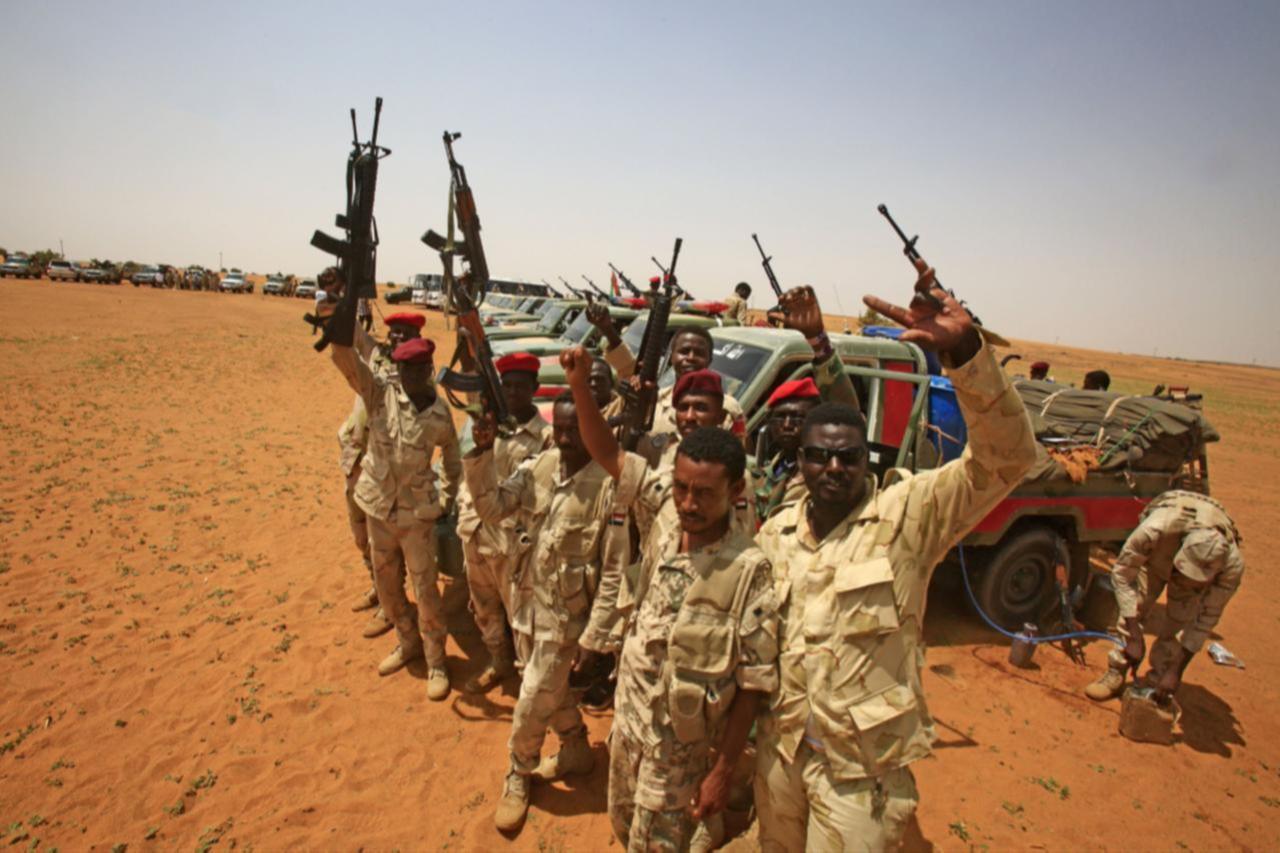


A major development has unfolded in Sudan's ongoing war. The Sudanese Armed Forces have recaptured the strategic town of Kurmuk, located on the Ethiopian border in southeastern Sudan and close to South Sudan.
The town had fallen to the forces of the rebel commander Mohamed Hamdan Dagalo, widely known as Hemedti, several months ago.
If El Fasher, in the far west, has been crucial because it represents one of the key strongholds Hemedti needed to consolidate his control over Darfur, then Kurmuk may be even more strategically significant.
Its proximity to major eastern and central cities such as Damazin and Sennar provides potential access routes toward Khartoum, making it a gateway rather than merely a border town.
The loss of Kurmuk had been deeply discouraging for many Sudanese. At a time when some believed the conflict was gradually approaching its final phase and discussions had even begun about ending popular mobilization and returning to civilian life, the town's capture sent a different message.
Hemedti sought to demonstrate that the war was not confined to western Sudan and that his expanding alliance, particularly after incorporating forces from the Sudan People's Liberation Movement-North (SPLM-N) led by Abdelaziz al-Hilu, could open entirely new fronts closer to the country's political and economic heartland.
The Blue Nile region, where Kurmuk is located, has always occupied a unique place in Sudan.
Despite its abundant natural resources, moderate climate, and remarkable beauty, it has experienced prolonged instability, especially along its border areas, where government forces and insurgent groups have repeatedly competed for control.
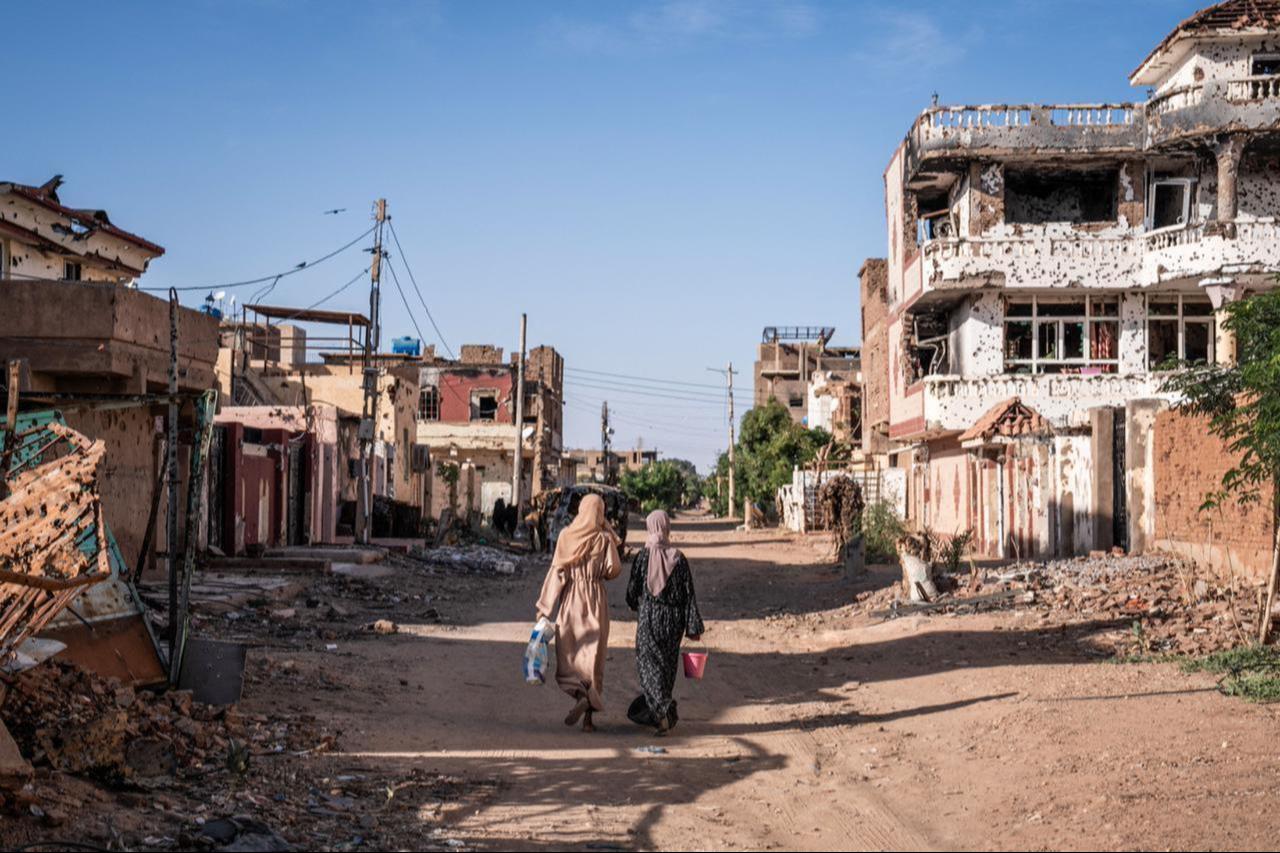

When Kurmuk initially fell, suspicion quickly turned toward Ethiopia and South Sudan. Although local armed groups participated in the offensive, the larger contingent reportedly arrived from western Sudan.
Such a movement across vast areas under army surveillance would have been extremely difficult without external logistical support.
This raised serious questions regarding the possible role of neighboring states, despite official declarations from both Addis Ababa and Juba expressing support for Sudan's government—or at least neutrality toward the conflict.
There is little doubt that large numbers of South Sudanese mercenaries have fought alongside the Rapid Support Forces.
Likewise, reports of Ethiopian mercenaries and professional snipers participating in the conflict have circulated since the earliest days of the war.
Ethiopia has remained an influential actor in Sudanese politics since the fall of Omar al-Bashir in 2019.
Addis Ababa played an active role in sponsoring Sudan's transitional political arrangements and maintained close ties with the civilian coalition known as the Forces of Freedom and Change.
As Sudan's political balance shifted, Ethiopia appeared increasingly dissatisfied with the exclusion of its political allies.
Prime Minister Abiy Ahmed questioned the legitimacy of Sudan's authorities and, at one stage, even proposed that Sudan become a no-fly zone.
At the same time, Ethiopia's regional ambitions have become increasingly evident. While pursuing access to the Red Sea through negotiations and pressure involving Eritrea, Addis Ababa has also shown interest in Sudan's fertile borderlands, arguing that these areas have not been fully utilized by Sudan itself.
These developments point toward a broader reality that many observers continue to underestimate: Sudan's most immediate strategic challenge may not primarily originate from distant global powers but from its immediate neighborhood.
Some regional actors appear to perceive a stable and unified Sudan as conflicting with their own geopolitical interests, making cooperation with an actor such as Hemedti appear preferable to the emergence of a government they associate with an Arab-Islamic political project.
Ignoring this regional dimension while focusing exclusively on international conspiracies obscures important facts.
Sudan's suspension from the African Union, for example, reflected not only institutional procedures but also the positions adopted by influential neighboring African states.
Had weakening Sudan's diplomatic position not aligned with the interests of certain regional actors—many of whom interpret the conflict through ideological and identity-based lenses—they would have been less willing to facilitate Sudan's growing isolation.
Hemedti has skillfully appealed to these constituencies by presenting himself as an opponent of Islamist forces and a supporter of secular governance.
This does not imply that Sudan should seek confrontation with its neighbors, particularly Ethiopia. Such a conflict would carry enormous political, economic, and military costs. Rather, it suggests that relying solely on narratives of foreign conspiracy offers no practical solution.
Sudan's priority should instead be breaking its diplomatic isolation and engaging regional actors to reduce tensions. Today, many African governments remain either indifferent, neutral, or openly sympathetic to Hemedti's political project.
Even partial success in neutralizing neighboring states would significantly reduce the likelihood of another Kurmuk-style offensive or any attempt to establish a new eastern front supported from across Sudan's borders.
Ironically, the current international environment may provide such an opportunity. As global and regional powers focus on larger crises—including escalating tensions surrounding Iran—Sudan may find space to initiate new diplomatic understandings and address the security concerns that have encouraged some regional actors to hedge their bets on the Rapid Support Forces.
The recapture of Kurmuk undoubtedly represents an important military success. It frustrated the rebels' objective of diverting the Sudanese army from its main operations in western and southern Kordofan, where government forces have recently achieved gains across multiple fronts.
Sustained coordination with neighboring countries could make any future attempt to repeat such operations considerably more costly.
Finally, contrary to comparisons frequently made with Libya or Yemen, I do not believe Hemedti ultimately seeks to partition Sudan permanently or limit his ambitions to Darfur alone.
Although his announcement of a parallel government under the banner of the "Ta'sis" coalition, based in Nyala, created the impression of a separatist project, this appears more tactical than strategic.
His ultimate objective has consistently been control over Sudan as a whole—particularly the central and northern regions, where the country's rivers, ports, mineral wealth, fertile agricultural land, and political institutions are concentrated.


 Set as preferred source
 Set as preferred source


 2 min read

 1 min read