Newsletters


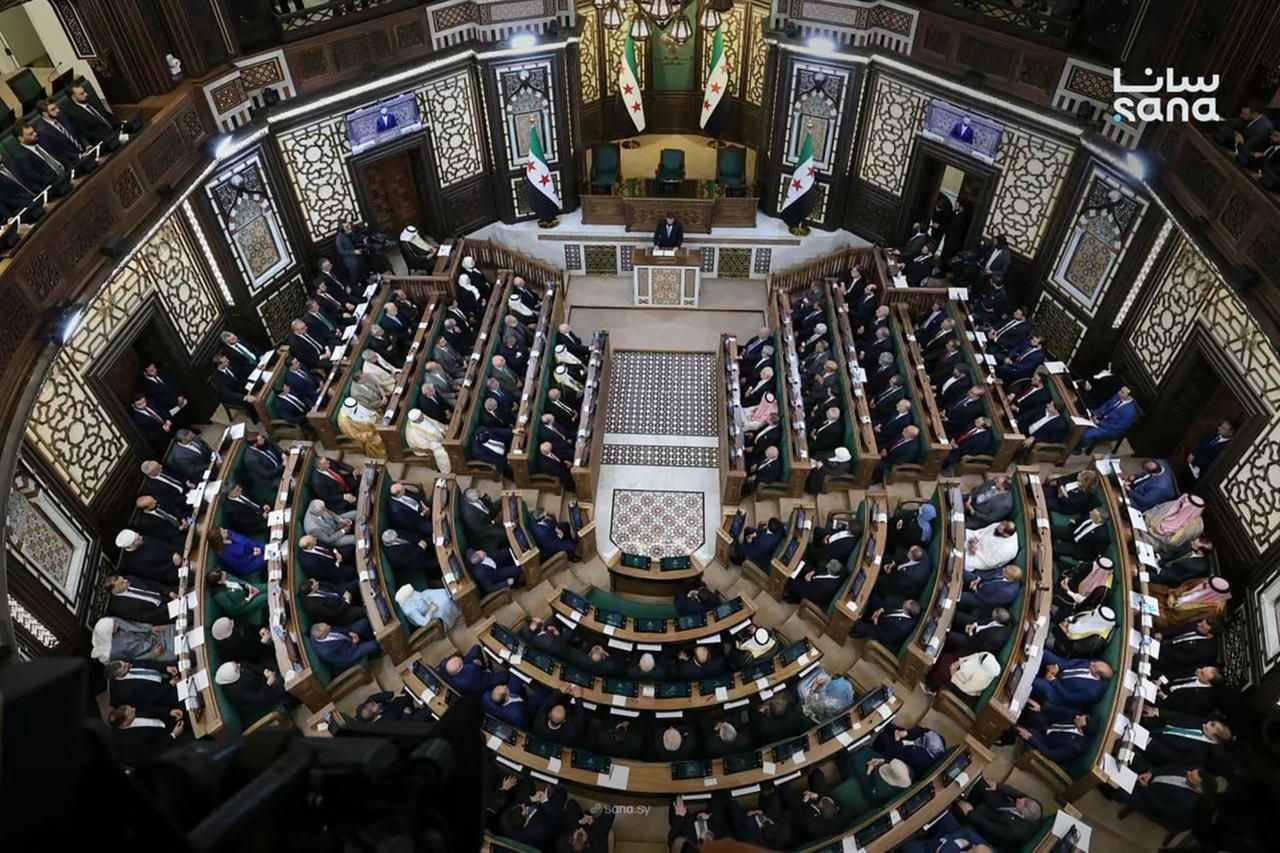


When the new Syrian parliament convened, it was a historic day for millions of Syrians. The first, albeit only two-thirds, elected parliament began its work.
The transitional 210-person parliament will be tasked with many new legislative measures, but the most important task will be the drafting of a new constitution.
However, the key question is whether the parliament will be able to act as an influential and independent body.
Many critics of the new Syrian government argue that the parliament was appointed by the Syrian president, Ahmad al-Sharaa, and that it cannot be seen in a democratic light.
They argue that one-third was directly appointed by Sharaa and that two-thirds of the parliament was not elected but appointed under the guise of local elections.
While these kinds of criticisms are expected, they cannot explain why Abdul Hamid Aqil al-Awak was elected as head of parliament and not Sharaa’s favored candidate Moayad Qublawi.
As usual, a simplistic look into Syria is always misleading. Only a detailed approach provides a meaningful analysis of events.
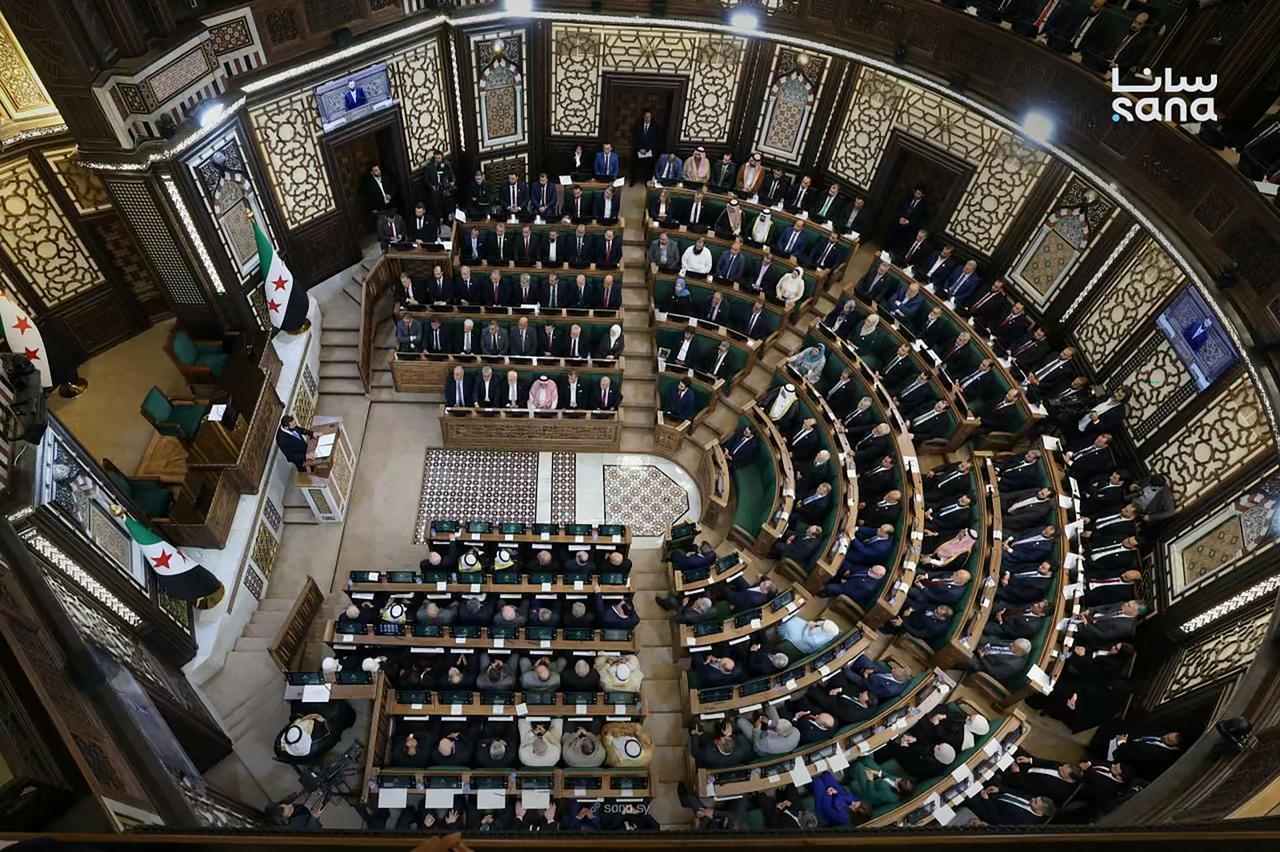

Ahead of the election process, the expectation was clear. Qublawi would be elected as head of parliament. Many social media users even prophesied in their posts the downfall of not only the head but his deputies as well.
But once the parliamentarians went to the election box and gave their votes in secret, al-Awak won the election with 99 of the votes against the 75 votes of Qublawi.
To avoid a misunderstanding, al-Awak is not hated by Sharaa. Quite the contrary. He entrusted him with being on the committee for the new Syrian constitutional declaration.
Al-Awak was among the one-third of parliamentarians appointed by Sharaa. Yet Sharaa opted for Qublawi over Al-Awak, with Qublawi widely seen as closer to the president.
But the arithmetic in the new Syrian parliament does not favor Sharaa. Elected parliamentarians were elected to their seats due to local politics, not behind-the-door appointments by Sharaa.
This reality becomes even more visible if one analyzes the appointed one-third of parliament. Sharaa didn’t appoint trusted aides and friends.
He appointed real representatives based on a mix of political, social, demographic, and gender equality considerations.
Thus, I know an appointed member of parliament personally—whom I won’t name—who told me in January 2025 that Sharaa needs to be toppled. He came to terms with Sharaa’s presidency much later.
The Syrian parliament is a messy conglomeration of representatives of various Syrian political, ethnic, religious, and social segments without any blocs or party politics.


 Set as preferred source
 Set as preferred source


 1 min read
 1 min read