Newsletters


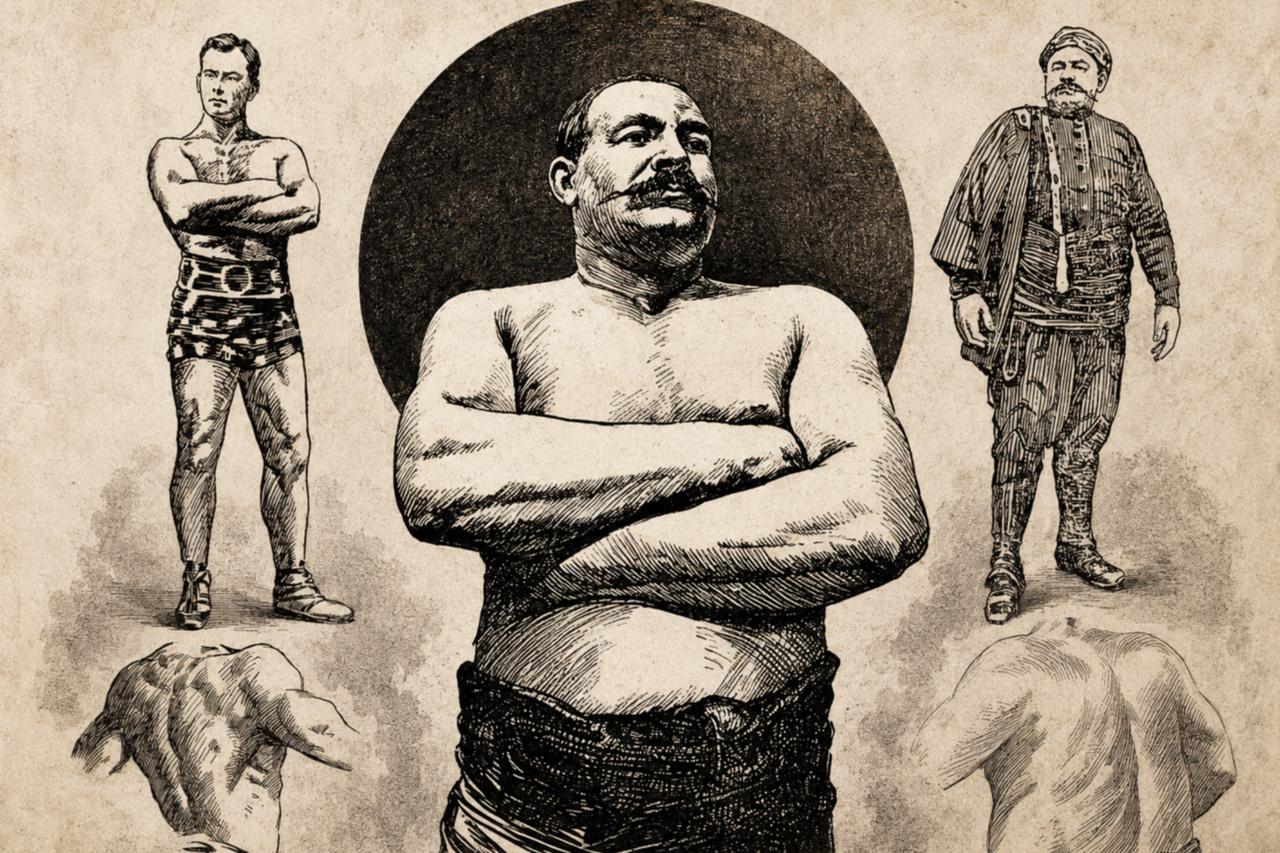


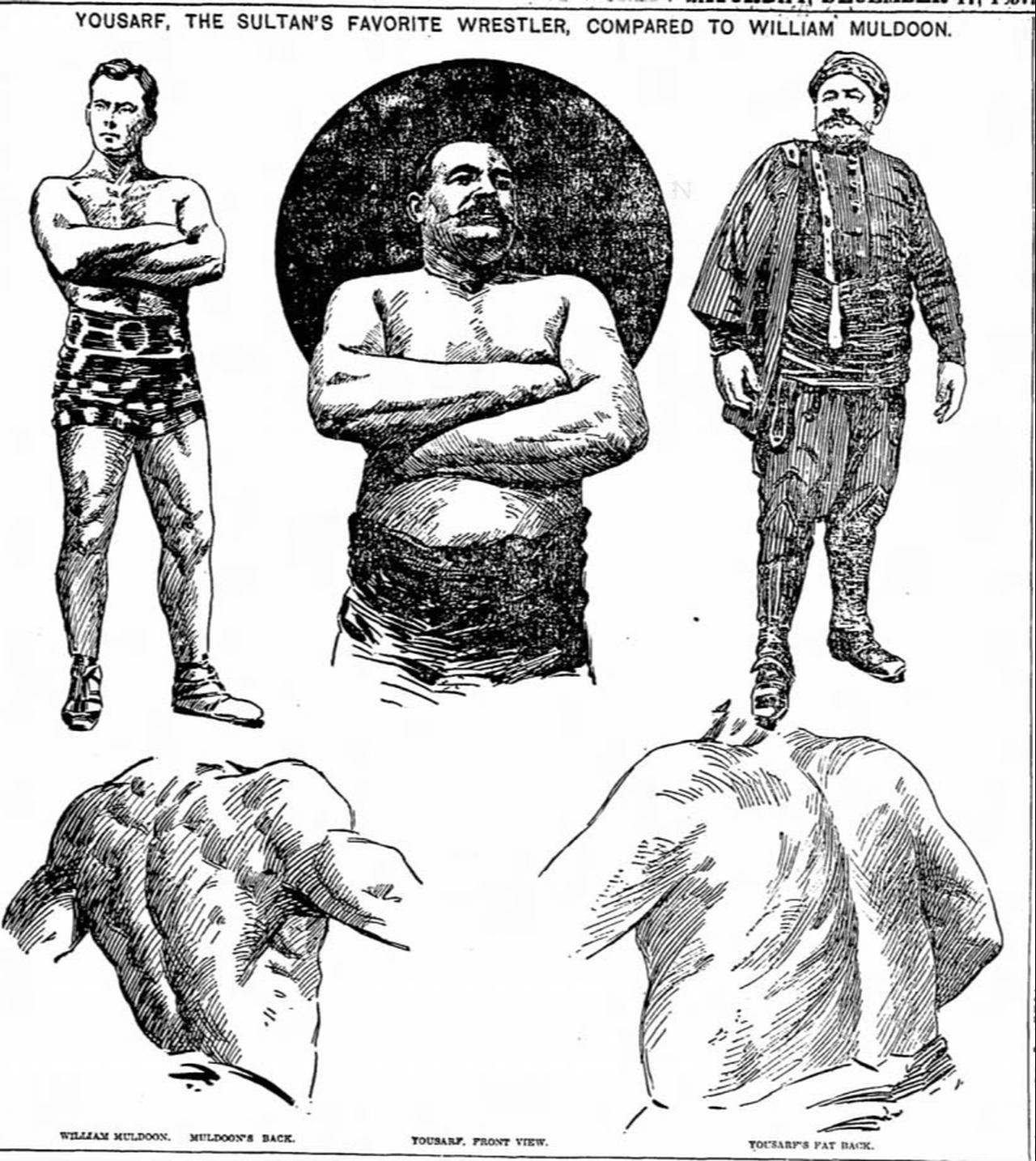
In December 1897, the New York paper The World warned readers that a wrestler from the court of Sultan Abdulhamid II was crossing the Atlantic. Misspelling his name as "Yousarf," the paper promised that no man had ever thrown him. Within a year, four wrestlers out of the Ottoman Empire had beaten the leading grapplers of France, Britain, and the United States. Alarmed by their dominance, the American press coined a phrase for the phenomenon: the Turkish invasion.
At the forefront was Yusuf Ismail. He won the prestigious Kirkpinar tournament in 1887 after legendary battles with the reigning chief wrestler, Kel Alico, and went on to dominate the deepest field of grapplers on earth. In Paris, he threw the French star Sabes in 30 seconds.
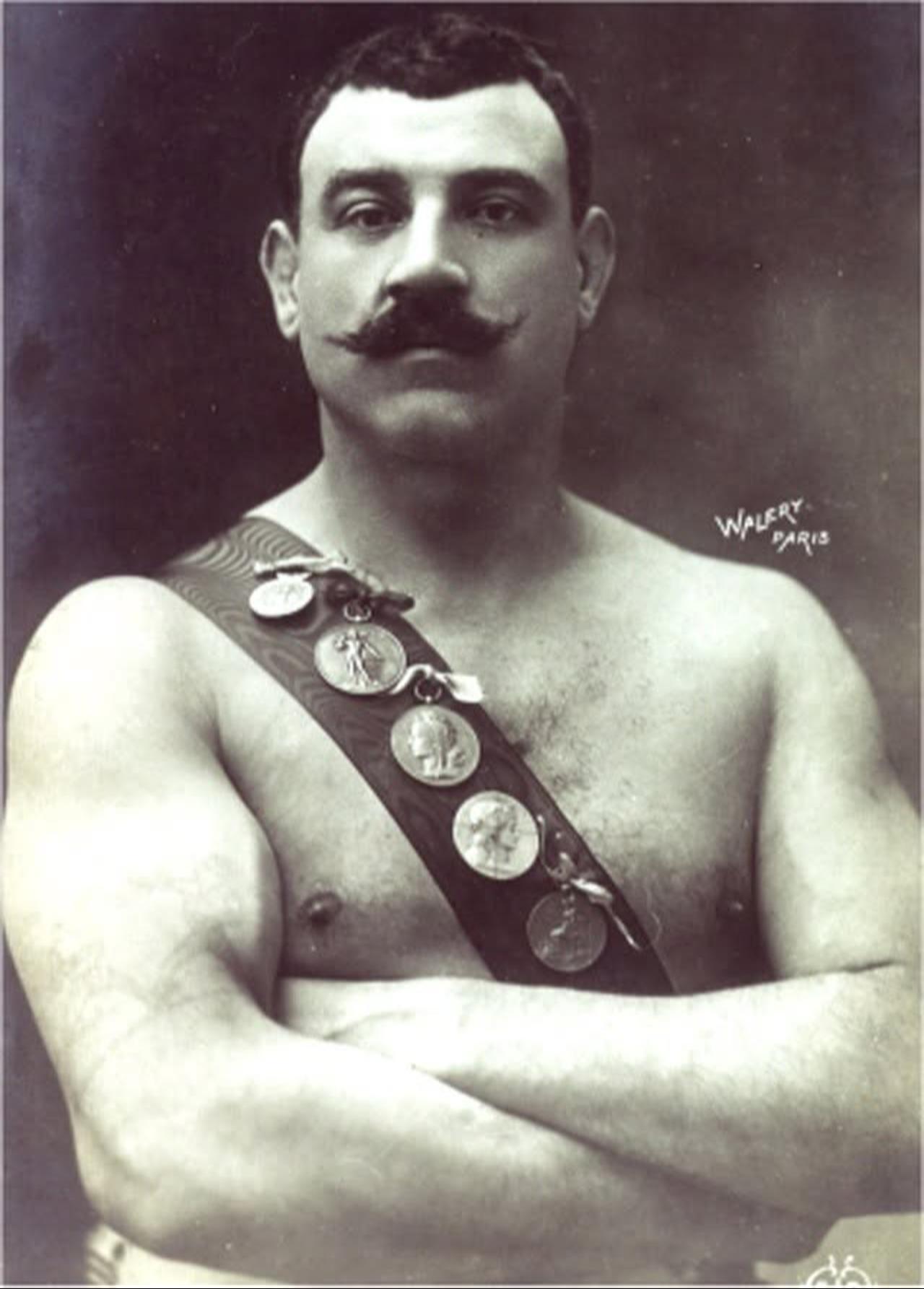

Paul Pons, the French giant who in 1905 published his own ranking of the greatest wrestlers in history and placed himself at the top, ranked Yusuf second, ahead of George Hackenschmidt, and admitted that Yusuf was the only man he could not beat.
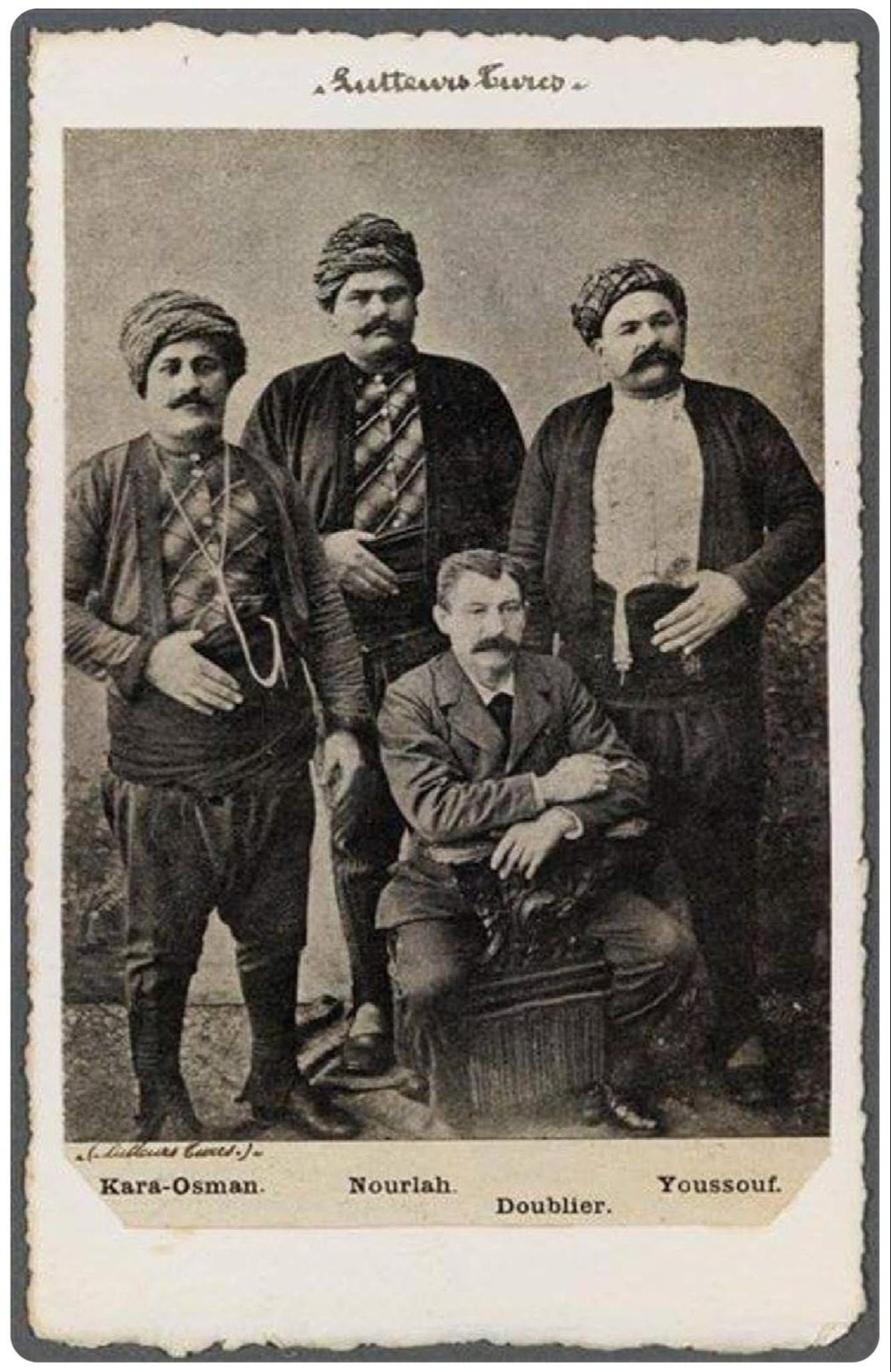
Yusuf toured France alongside a formidable cohort: Nurullah Hasan, a towering figure who stood six-foot-six and weighed over 340 pounds (154.2 kilograms); and Kara Osman, the leanest of the group; the French press dubbed them the "Turkish Trio." For centuries, the Ottoman wrestling system had systematically distilled its champions from thousands of elite competitors, and these three giants were the vanguard it chose to send west.
Recognizing the massive box-office draws a genuine Turk could bring in, American promoters worked overtime to manufacture fakes. The Chicago Tribune declared the trade in "Terrible Turks" to be one of the most lucrative industries in sports, laying out the recipe: take a tall man with significant mass—ideally over 300 pounds—add a red fez, a pack of Turkish cigarettes, and a bizarre accent.
The paper then described how a Greek confectioner from Boston named George Idolos was paid to reinvent himself as "Hali Ben Arif," a champion hailing from Constantinople. American wrestler Ernest Roeber manufactured his own counterfeit opponent, "Mehmet Nechad." Roeber defeated the imposter in New York, dramatized his own retirement, and then quietly became the fake's manager.
The Chicago promoter Lou Houseman watched the parade and asked in print whether the "Turkish champion wrestler gag" was being "worked overtime." A couple of years later, The Portland Evening Express ruled that only four real wrestling Turks had ever reached America. The rest, it said, were "simply fakirs."
Standard histories of professional wrestling credit American promoters of the 1910s and 1920s with two inventions: the foreign villain who menaces the homegrown hero, and the open use of the "work," the pre-arranged result staged for gate money and bets.
However, our survey of the historical record pushes that timeline back significantly. Blunt suspicion of fixed wrestling already filled the American press of the 1880s. The foreign-heel formula was already operating at full throttle in the 1890s, built on the physical dominance of genuine Ottoman champions and sustained by the cheap theatricality of their subsequent imitators. The promoters, later named as inventors, were copying a script that genuine Turkish wrestlers had written a generation earlier.
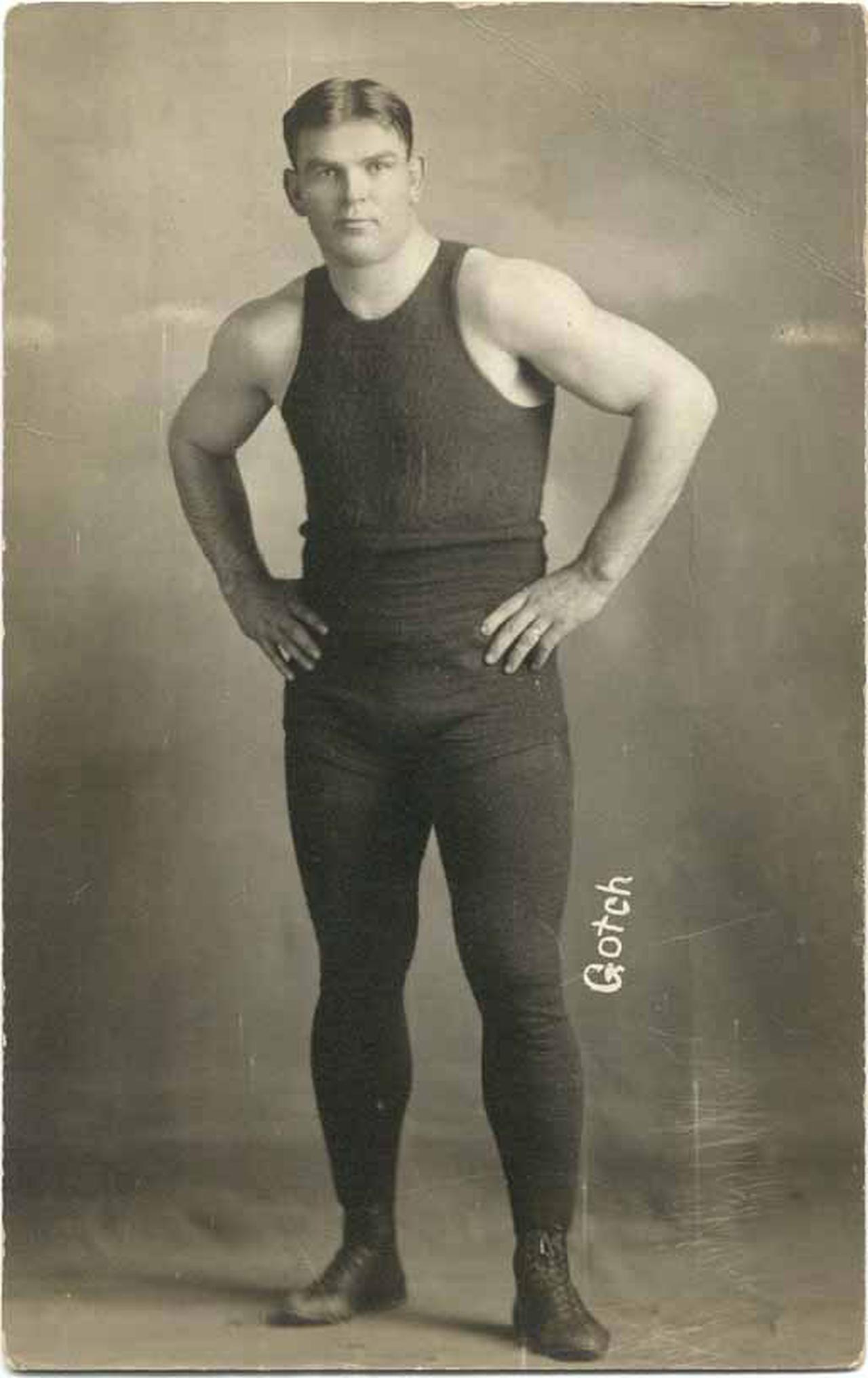
When Frank Gotch became an American folk hero and lineal pro wrestling champion after 1905, the era before him faded, and the Turks faded with it. What survived was a lot of cartoonish stereotyping. The label "Terrible Turk" outlived every wrestler who earned it and became a tag any promoter could pin on any large man in a fez or, eventually, a turban or other less region-specific ethnic garb.
Yusuf Ismail drowned in 1898 when the liner La Bourgogne went down off Nova Scotia. The same papers that had sold him as a monster grew crueler in death, calling him a brute and a glutton. In September, the superintendent of Sable Island reported that the body of a powerfully built man had washed ashore with a torn leather money belt that still held gold coins.
Nobody confirmed the identification, and the detail matched a legend the papers had printed for months about a Turk who refused paper money and carried his gold in a belt around his body. By then, the business that had built him into a villain had moved on.
That same month, promoter Antonio Pierri landed in New York with Adali Halil, a multiyear Kirkpinar chief wrestler advertised as a bigger and better Yusuf and rechristened "The Sultan's Lion."
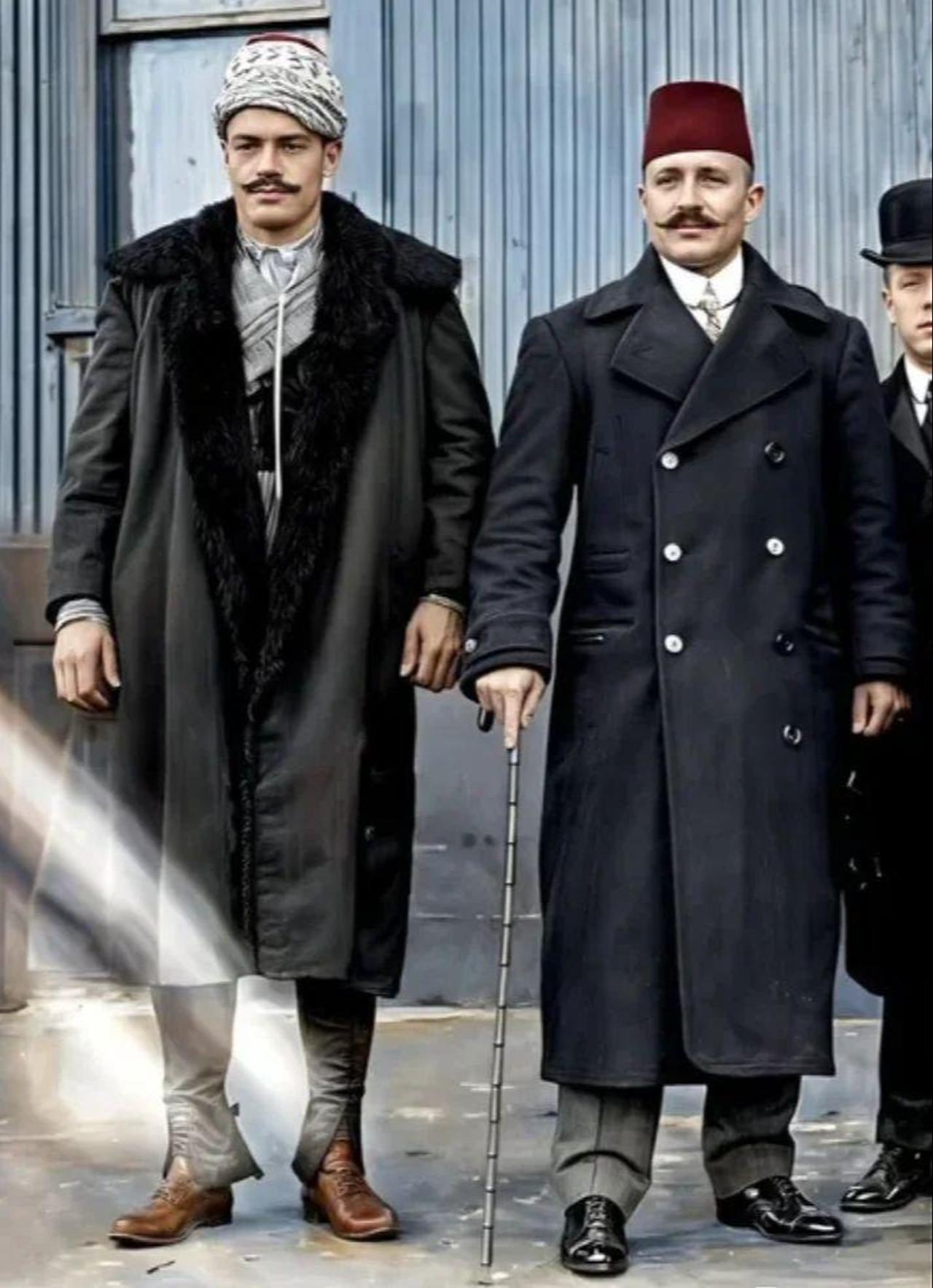
Within two generations of his passing, the system that trained Yusuf produced arguably the strongest national wrestling program in the world. Türkiye won its first Olympic wrestling gold at Berlin in 1936. In London, in 1948, its wrestlers took 11 of the country's 12 medals.
At Rome in 1960, they won nine, seven of them gold. Of the 112 Olympic medals Türkiye has won, 68 have come from wrestling. The oil-wrestling grounds that the West once filed under primitive held the sport's richest talent pool.
The "Terrible Turk" is merely a costume American promoters invented to print money. The Turks who made that costume so lucrative competed against the best grapplers in the world. More than a century later, the record can say that these Turks, far from being terrible, were really, really good.


 Set as preferred source
 Set as preferred source


 7 min read